Why Me? brings together real-life journeys of people who have faced profound loss—of a parent, a child, a spouse, a relationship, a beloved pet, or even a loved one to terminal illness. Through honest narratives and depictions of traumatic experiences, this book explores how individuals found strength and resilience while navigating their darkest moments.
At its heart, Why Me? is more than a collection of stories—it is a call to recognize and prioritize mental health. With its practical toolkit of resources, life skills, effective techniques, and coping mechanisms, this book serves as a guide to healing, recovery, and preventative care. It offers hope that even in the face of tragedy, it is possible to rebuild, grow, and move forward.

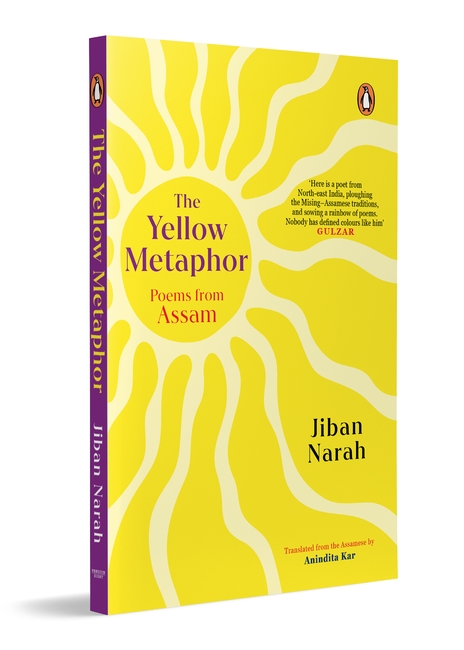
The Yellow Metaphor gathers over three decades of Jiban Narah’s shimmering poems, offering a powerful voice from Assam and India’s North-east. Steeped in Mising and Assamese lore, his verses carry the Brahmaputra’s memory, the ache of displacement and the quiet rebellions of longing.
Nature, myth, politics and desire braid into incandescent reflections on the human spirit. Translated with luminous care by Anindita Kar, this landmark collection reveals a tender, unflinching, metaphor-rich imagination that lingers long after reading.

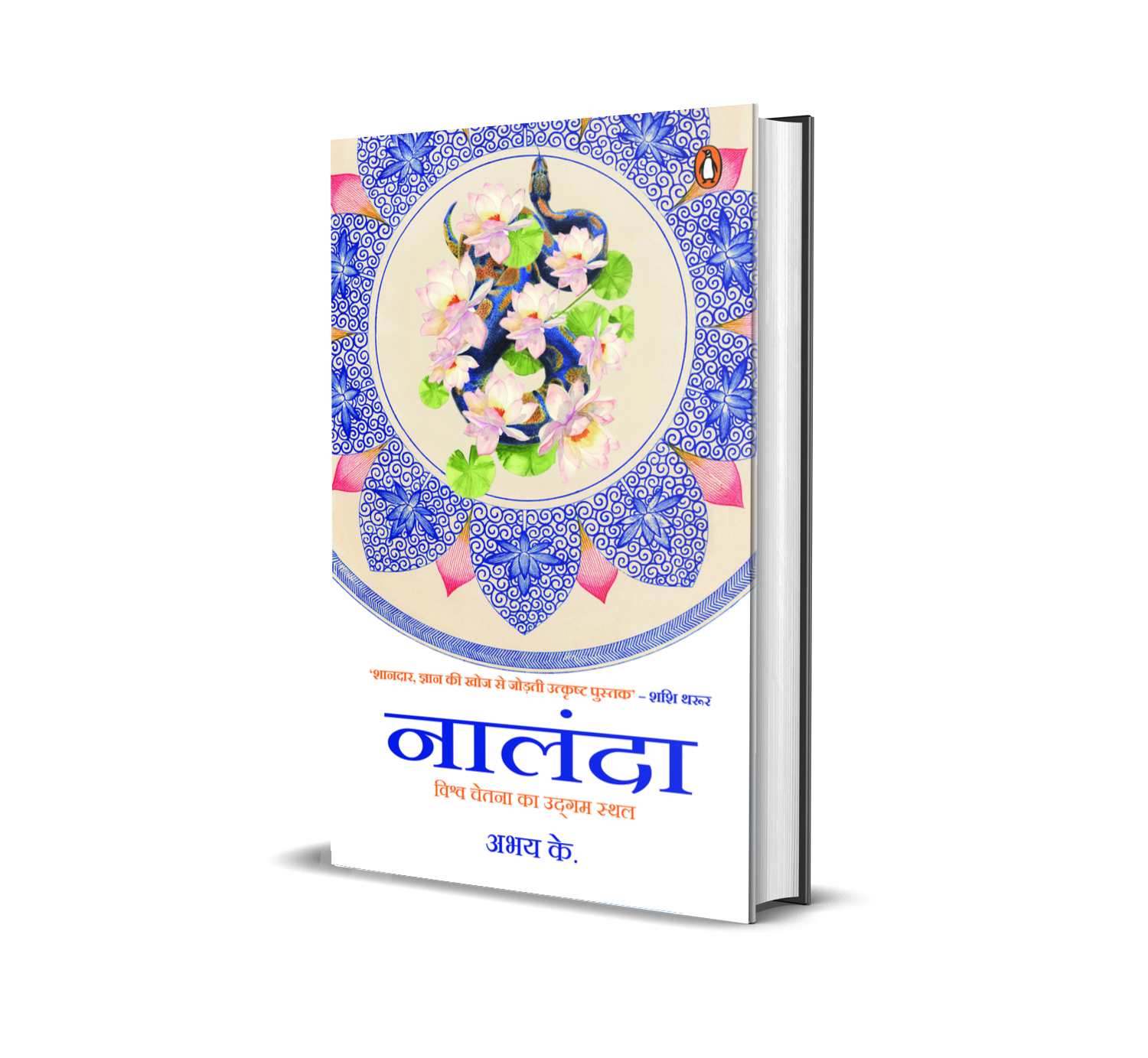
नालंदा विश्वविद्यालय कब स्थापित हुआ था? किसने इसकी स्थापना की थी, वहाँ कौन पढ़ते और पढ़ाते थे? कौन-कौन से विषय पढ़ाए जाते थे? वहाँ कितने छात्र और शिक्षक थे? क्या नालंदा आधुनिक अर्थों में एक विश्वविद्यालय था? नालंदा के पतन का कारण क्या था? नालंदा विश्वविद्यालय से जुड़े ऐसे अनेक सवाल आज भी पूछे जाते हैं। यह पुस्तक इनके जवाब तलाशने के साथ नालंदा के उत्थान, पतन और पुनर्जीवन की कहानी बताती है। यह पुस्तक विज्ञान, चिकित्सा, गणित, खगोलशास्त्र, दर्शन, कला, वास्तुकला, अनुवाद, काव्य, लिपि, व्याकरण, धर्म आदि विभिन्न क्षेत्रों में नालंदा के योगदान को रेखांकित करती है। लेखक अभय के. नालंदा की असाधारण प्रतिष्ठा स्थापित करने वाले महान विद्वानों के जीवन का भी अन्वेषण करते हैं, साथ ही उन विदेशी विद्वानों का भी, जिन्होंने इस विख्यात महाविहार का दौरा किया। विस्तृत दृष्टिकोण और गहन इतिहास वाली यह पुस्तक नालंदा की सहस्राब्दियों लंबी यात्रा पर नया प्रकाश डालती है और एक रोमांचक पठन अनुभव प्रदान करती है।
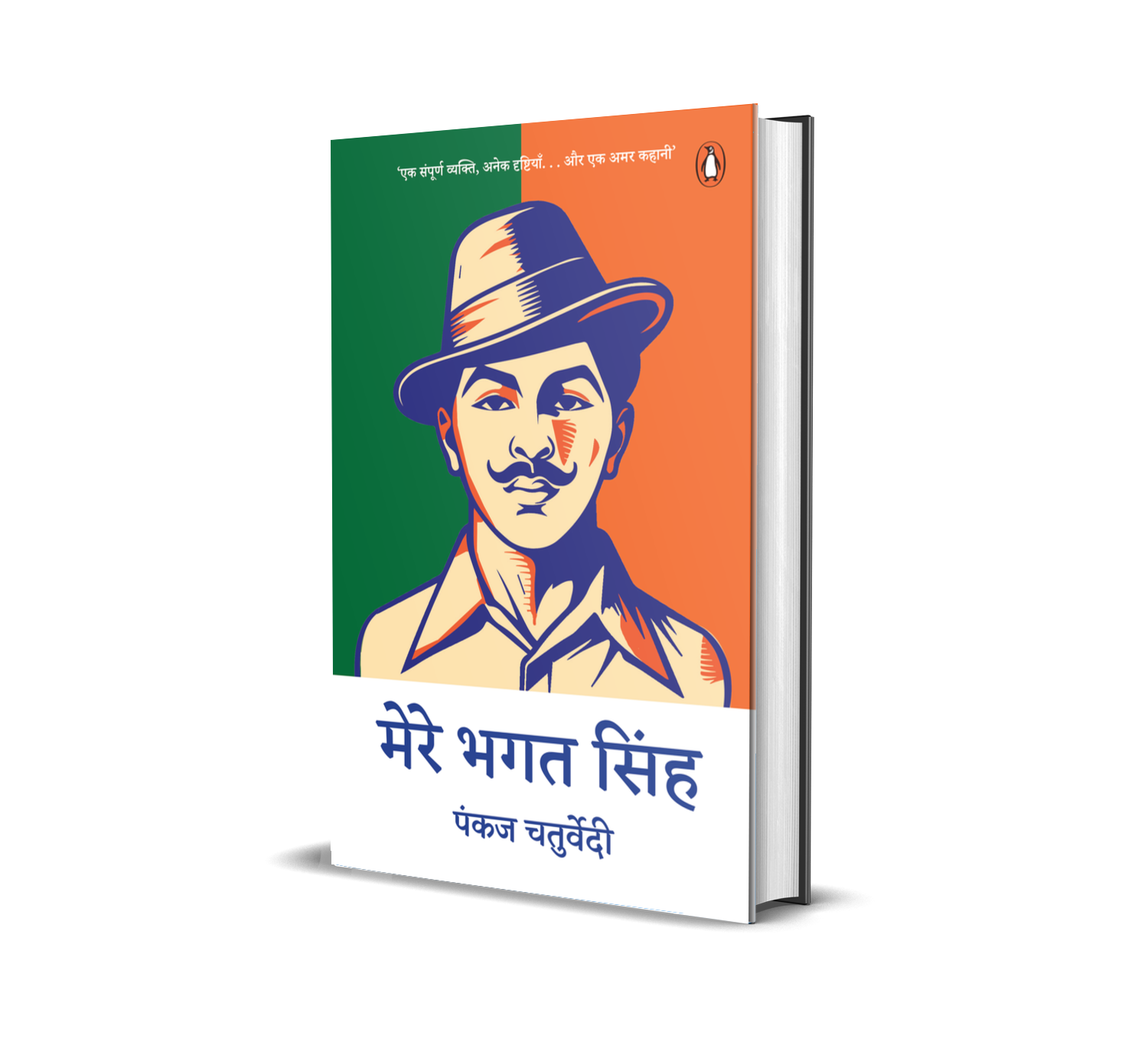
शहीद-ए-आजम भगत सिंह सिर्फ एक नाम नहीं, बल्कि एक उग्र विचार, गहन अध्ययन और अटूट बलिदान का प्रतीक हैं। यह किताब भगत सिंह के व्यापक जीवन को एक अद्वितीय और भावनात्मक दस्तावेज़ीकरण के माध्यम से प्रस्तुत करती है। इसमें उनके जीवन के हर पहलू को उन लोगों की आँखों से देखा गया है, जो उनके सबसे करीब थे। इसमें उनके माता-पिता और रिश्तेदारों की ममतामयी स्मृतियाँ हैं जो उनके बचपन की मासूमियत और पारिवारिक मूल्यों को दर्शाती हैं। शिव वर्मा और दुर्गा भाभी जैसे क्रांतिकारी मित्रों के साथ साझा किए गए सपने, संगठन की रणनीतियाँ और जेल के भीतर हुई उनकी बौद्धिक बहसों का विस्तृत लेखा-जोखा भी इस किताब का हिस्सा है। साथ ही महात्मा गांधी, जवाहरलाल नेहरू और अन्य समकालीन राजनेताओं के विचार भी हैं, जो उनकी शहादत के बाद भगत सिंह के राजनीतिक और दार्शनिक महत्त्व को स्थापित करते हैं। बचपन की शरारतों से लेकर नास्तिकता और समाजवादी दर्शन की ओर उनका झुकाव; असेंबली में बम फेंकने का दुस्साहस और “इंकलाब जिंदाबाद” का नारा—यह कृति उनके ऐतिहासिक महत्त्व के साथ-साथ उनके मानवीय पक्ष को भी उजागर करती है।
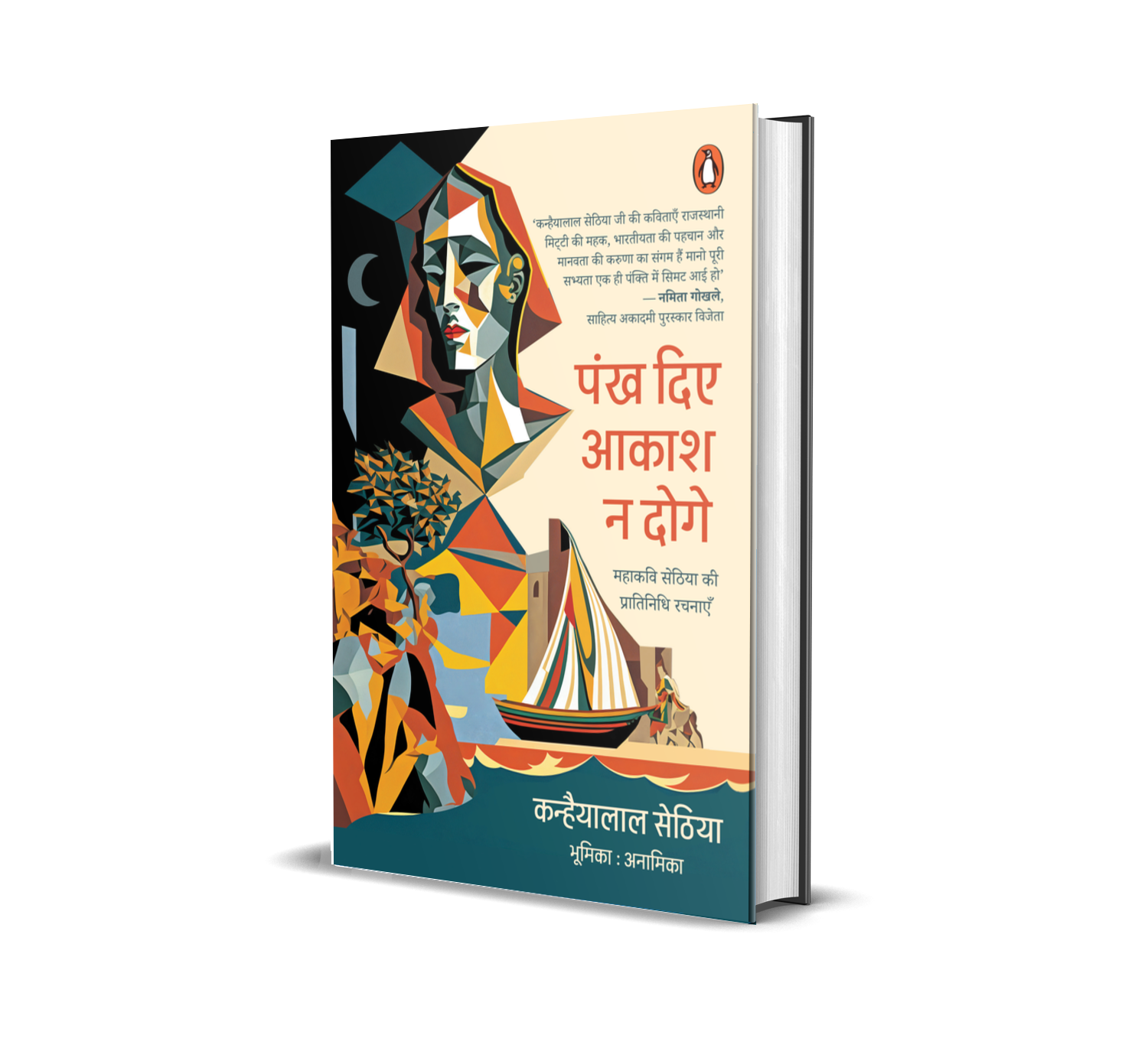
राजस्थान के जनकवि कन्हैयालाल सेठिया हिंदी और राजस्थानी साहित्य के ऐसे स्वर हैं जिनकी कविताएँ लोक की आत्मा से उपजी हैं। इस संकलन में उनकी वे चुनिंदा रचनाएँ शामिल हैं जो मानवीय संवेदना, देशप्रेम, सामाजिक चेतना और प्रकृति की सुंदरता का सजीव चित्र प्रस्तुत करती हैं। उनकी कविताओं में रेगिस्तान की तपती रेत भी है और मनुष्य की अटूट आस्था की ठंडी छाया भी। सहज भाषा, गहरी भावनाएँ और लोक-सुगंध से भरपूर यह चयन पाठकों को जीवन के विविध रंगों से रूबरू कराता है।
“कविता उनके लिए केवल शब्द नहीं, जीवन का संगीत है।”

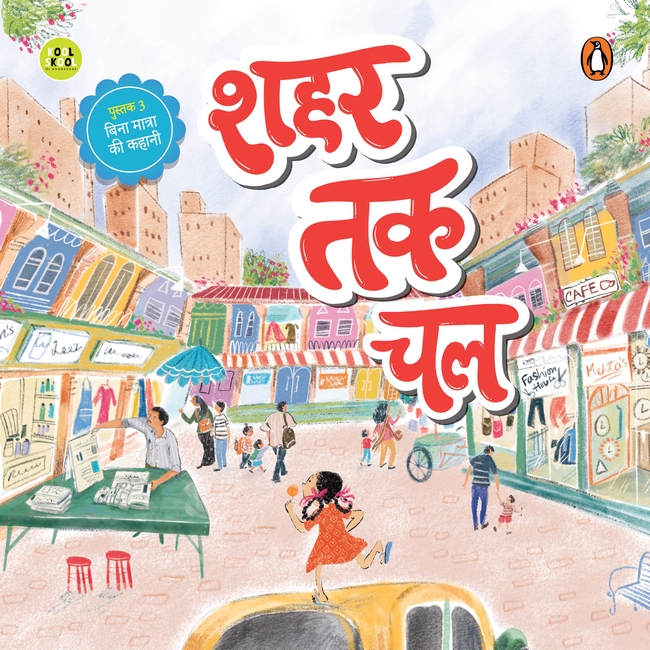
Discover a playful and lively world of stories made entirely of three-letter words without matras! With simple language and colorful illustrations, this book helps young children build confidence, improve comprehension, and develop a love for reading—all through fun, engaging activities.
What’s Inside:
- Playful and lively stories designed for early readers.
- Bright, engaging pictures that make reading fun and visually appealing.
- Includes simple exercises to help children identify letters and understand words.
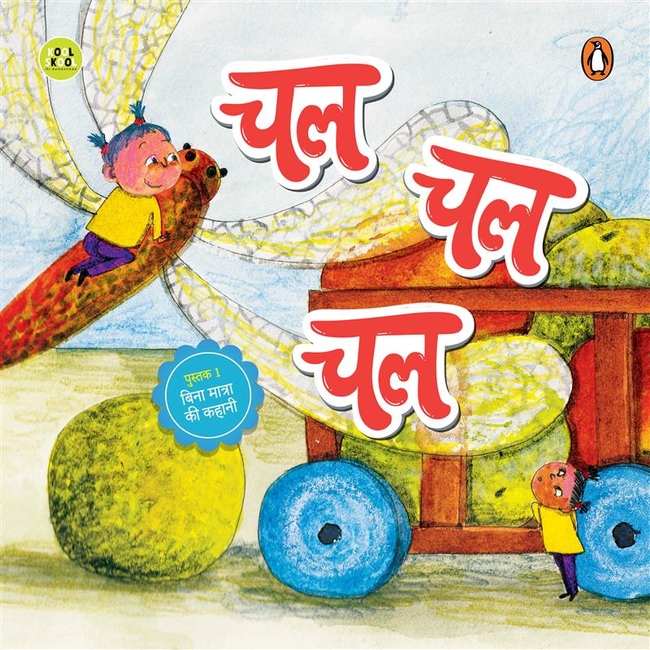
Discover a playful and lively world of stories made entirely of three-letter words without matras! With simple language and colorful illustrations, this book helps young children build confidence, improve comprehension, and develop a love for reading—all through fun, engaging activities.
What’s Inside:
- Playful and lively stories designed for early readers.
- Bright, engaging pictures that make reading fun and visually appealing.
- Includes simple exercises to help children identify letters and understand words.
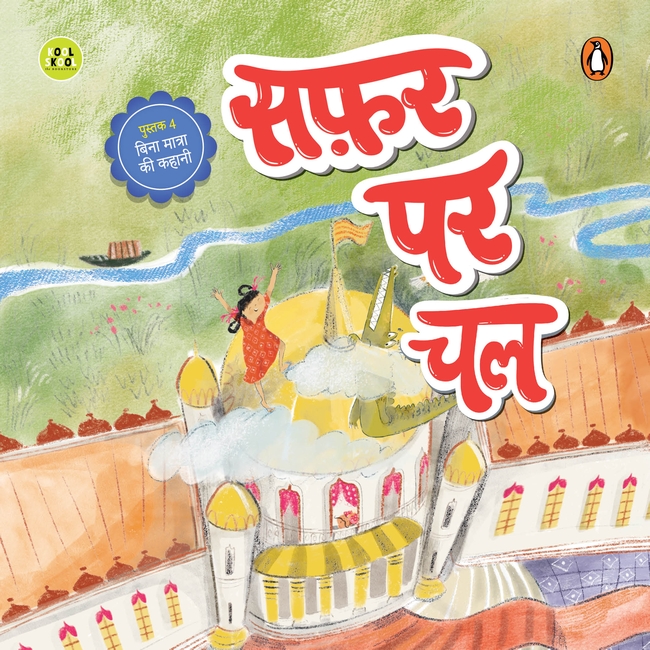
Discover a playful and lively world of stories made entirely of two-letter words without matras! With simple language and colorful illustrations, this book helps young children build confidence, improve comprehension, and develop a love for reading—all through fun, engaging activities.
What’s Inside:
- Playful and lively stories designed for early readers.
- Bright, engaging pictures that make reading fun and visually appealing.
- Includes simple exercises to help children identify letters and understand words.
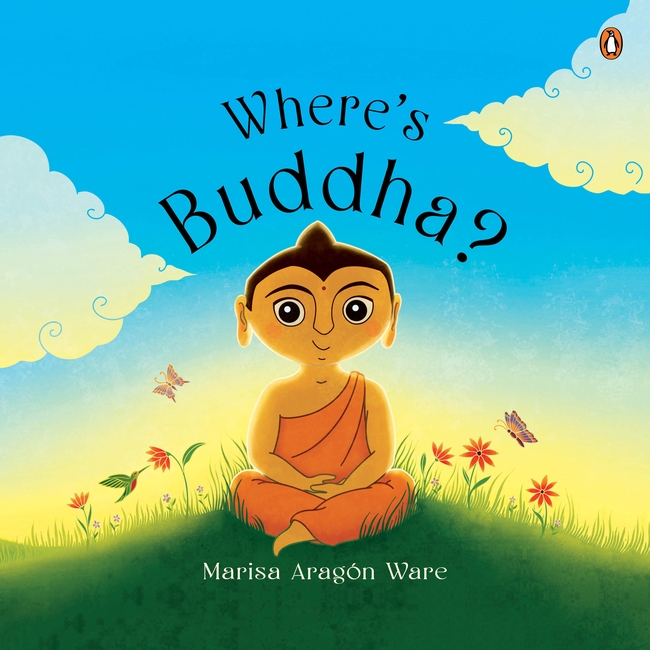
Where’s Buddha? is a gentle, beautifully illustrated journey that introduces children to the idea that peace, kindness, and awareness can be found everywhere. Through simple scenes and warm storytelling, young readers follow a playful search—only to discover that Buddha isn’t just in temples or statues, but in quiet moments, kind actions, and the world around them.
What’s Inside:
- A simple, child-friendly introduction to Buddha and the idea of finding peace in everyday moments.
- Beautiful illustrations that guide children through calm, mindful scenes.
- A foundation for emotional well-being, compassion, and early mindfulness practice.
- Perfect read-aloud moments for families, caregivers, and classrooms.
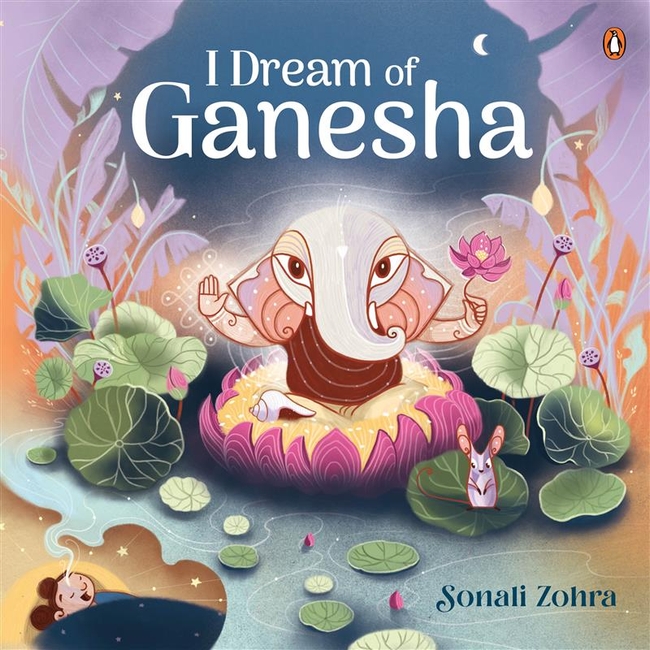
I Dream of Ganesha takes young readers on a magical, dream-filled journey with Lord Ganesha—remover of obstacles and bringer of wisdom. Through beautifully illustrated pages and gentle storytelling, children discover courage, kindness, and the power of believing in themselves. As dreams unfold, Ganesha guides little hearts to face challenges with love and laughter, reminding them that true strength comes from within.
What’s inside
- Beautiful, full-color illustrations that bring Ganesha’s world and imagination to life.
- A heartwarming story that teaches kids about courage, kindness, and self-belief.
- Moral lessons woven through adventure, helping children understand mindfulness, empathy, and inner strength.
- Simple, rhythmic storytelling perfect for read-aloud sessions and bedtime moments.