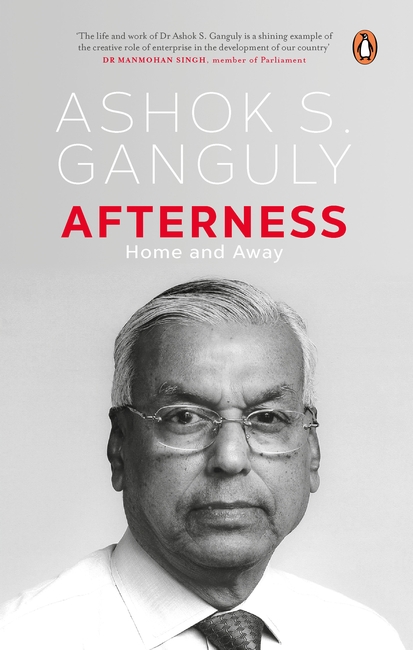
In his memoir, former Hindustan Unilever chairman Ashok Ganguly invites readers to journey with him as he looks back fondly on his extraordinary life – from his childhood to his upbringing in the metropolitan Bombay of the 1930s, to his PhD in Illinois and his eventual return to India. After joining Hindustan Unilever’s R&D department, Ganguly quickly rose up the ranks as a talented young professional, eager to discover and learn new things. The story spans across eighty years of his life, its edges tinged by the tumultuous events in India in the twentieth century, and interspersed with fascinating people, from the mysterious Kishen Khanna, who accurately predicted events in Ganguly’s life, to encounters and friendships with well-known historical figures such as Mother Teresa and Rajiv Gandhi.
Ashok Ganguly’s journey was interspersed with failures, but he doesn’t shy away from talking about these and the sacrifices that went on to define his life. Honest, reflective, personal and revelatory, Afterness provides valuable insight into his thinking process and decision-making skills that enabled Ganguly’s meteoric rise and sustained his legendary career.

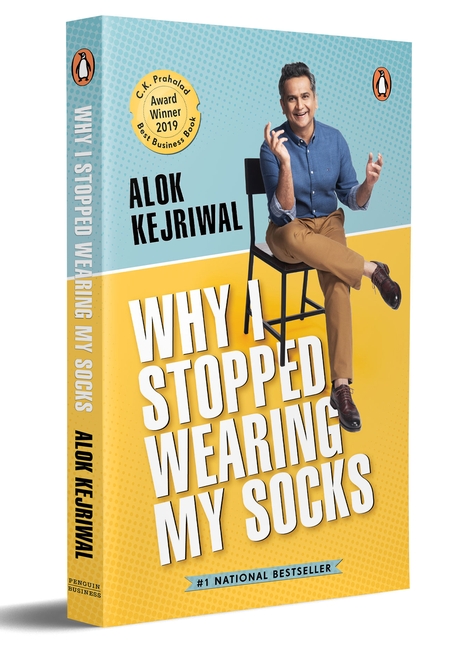
By the time he was twenty, Alok Kejriwal had his life pre-planned for him. He would inherit the family’s socks manufacturing business and be the hard-working, money-minting, quintessential Marwari businessman, forever. Except that it didn’t turn out that way. A few years after surviving the family set-up, something turned up that sent Alok on a completely different career path: the Internet! A crazy business idea Alok had turned out to be a winner. Soon, Alok was fighting and thriving in a world completely different from the one he had grown up in. A world where technology breakthroughs, VCs and out-of-the-box thinking decided the real winners.
Why I Stopped Wearing My Socks is Alok’s real-life story of starting up a business. It traces his roller-coaster ride as an aspiring entrepreneur, traversing through a variety of business ideas in the family business up to his big breakthrough as one of India’s first entrepreneurs to tap the power of the Internet. It details the amazing success of Mobile2win, a venture eventually acquired by the Walt Disney Company. The chapters in the book are actual stories, throbbing with memorable anecdotes that conclude with crisp learnings for the readers. Why I Stopped Wearing My Socks is a deeply compelling story about beating the odds, staying motivated and gung-ho entrepreneurship. It is an inspirational as well as a practical guide to emerging a winner.

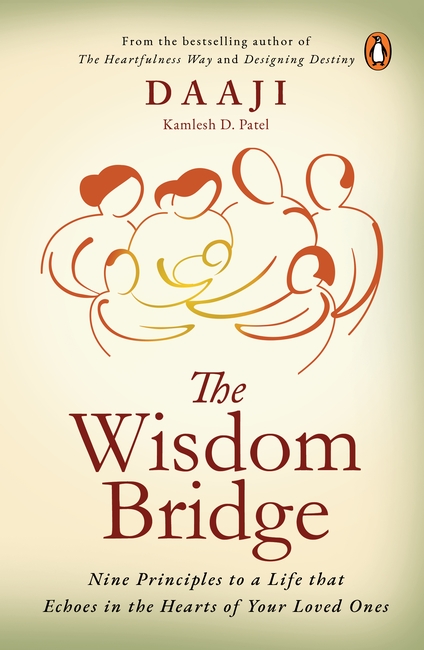
The intentions, thoughts and actions of the elders are caught by the hearts of the children. The children observe, learn and imbibe the teachings quickly and faithfully, and the elders have the responsibility to not only raise the children well, but nurture and guide them in a way that they can lead fulfilling lives.
Daaji in The Wisdom Bridge offers nine principles to guide you, the reader, to live a life that inspires your children and your loved ones. These principles are important references for parents, parents-to-be, grandparents and caregivers to create fulfilling and happy lives. They will not only help you enrich the lives of your children and raise responsible teenagers, but pave the way for an inspired life and resilient bonds in your family.

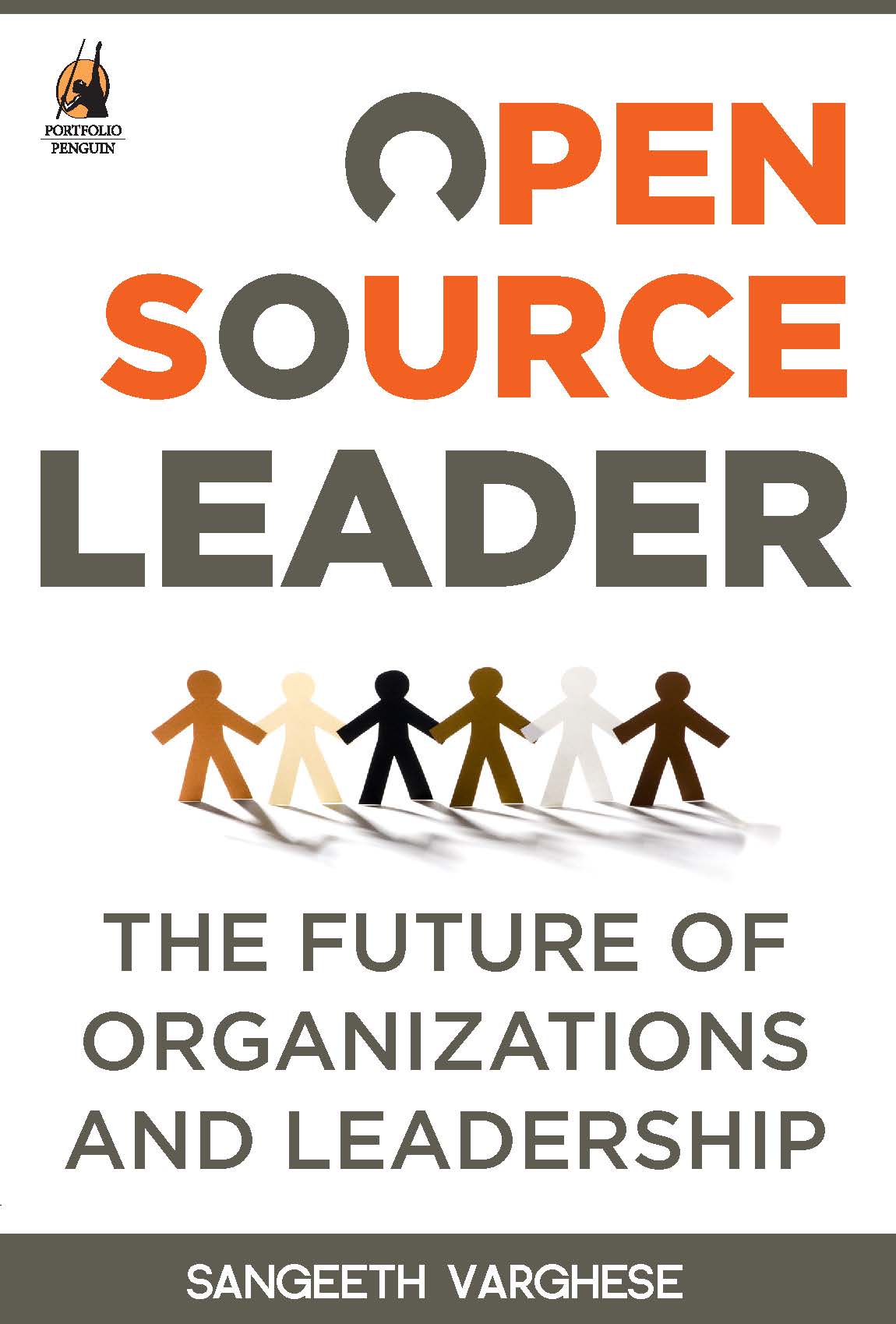
An evolutionary change in the world of leadership has arrived. In this era of increasing complexities, leadership is evolving faster than ever before. More forward-looking organizations are moving away from the traditional closed forms towards an Open Source Leader model, where people are nurtured across layers by opening unto them the power and authority associated with leadership. If organizations and leaders do not keep up with this evolution, they will be left in the lurch. But if they manage to keep pace, they will live another day, to tell the tale of their success. Open Source Leader tells the story of such organizations that have managed to evolve ahead of their contemporaries. Sangeeth Varghese has woven together eight defining attributes that are most commonly observed in such organizations, helping them survive and thrive during the most challenging of times. In this book, entities as diverse as the Indian national cricket team, Wikipedia, BCG Consulting and the Art of Living reveal their most closely held secrets of success. It draws together the wisdom gleaned from some of the greatest thought-leaders across the world, as well as from multiple disciplines. Open Source Leader will keep you ahead of the evolutionary curve, irrespective of whether you are leading a Fortune 500 corporation, a start-up or a government institution. It will help you understand the future of leadership. Most importantly, it will help you keep your mind as well as your organization fertile enough to nurture leaders across layers. Those who embrace Open Source leadership are not only the winners of today, but the survivors of tomorrow.

Asking questions is an important part of learning as it provides a unique framework for thinking and opens doors to unexpected revelations for us. Digging into how or why things are the way they are, paves the way for enlightenment.
On the contrary, keeping the doubts to ourselves can keep us from truth, thus depriving us from valuable opportunities life has to offer. As human beings, we must enquire and keep doing so. But what kind of enquiries are we supposed to make?
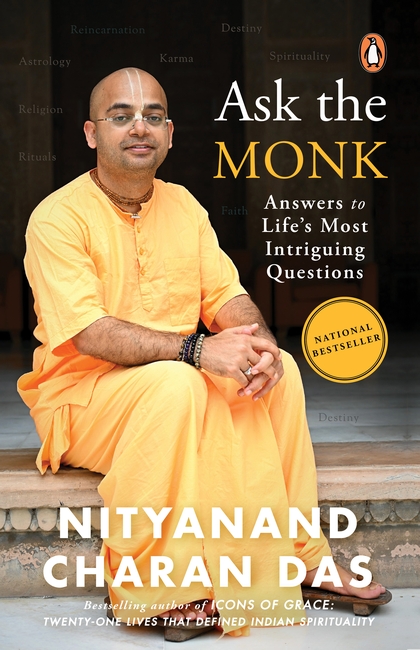
In Ask the Monk, celebrated monk Nityanand Charan Das lucidly answers over seventy frequently asked questions-by young and the old alike-on topics such as karma, religion versus spirituality, mind, God, destiny, purpose of life, suffering, rituals, religion, wars and so on. These answers that are extremely crucial to help you, the reader, embark on the journey of self-discovery and self-realization.
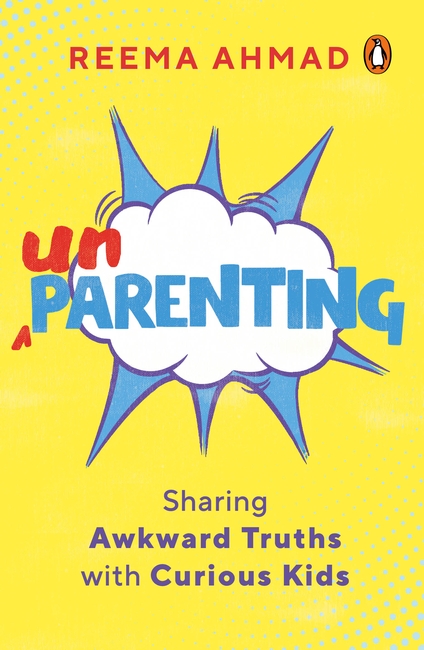
Through her own awkward journey as a confused single parent, Reema Ahmad explores what it means to explore newer ways of bringing up children-ways that nurture their sense of innocence and curiosity while giving them the freedom to choose their own truths. Reema invites you to hop along as she and her son, Imaad, learn to laugh and make up stories about why penises shape-shift, the mysteries of pubic hair, the magic of adolescent crushes and the confounding maze of dating and sex. Join them as they explore these mysteries and other serious topics like abuse, adult relationships, divorce and dying-issues that adults often forget to wonder at and seldom question.
More than anything else, Unparenting is a vibrant, whacky testimony to a parent-child relationship where the child leads and the parent follows. Written in the form of deeply personal, engaging and often humorous essays, the book is a powerful reminder of what it feels like to be lost and misunderstood as a child, and how important it is to challenge what we think we know as parents.
Reservation or affirmative action is a hugely controversial policy in India. While constitutionally mandated and with historians, political scientists and social activists convinced of its need, many resist it and consider it as compromising ‘merit’ and against the principle of equality of opportunity.
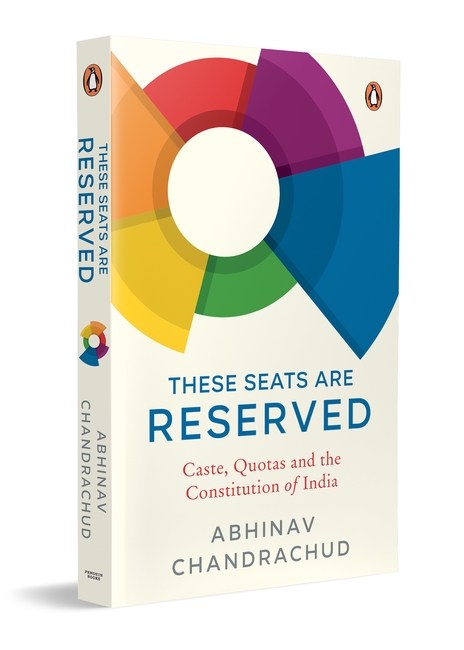
In These Seats Are Reserved, Abhinav traces the history and making of the reservation policy.
How were groups eligible for reservations identified and defined? How were the terms ‘depressed classes’ and ‘backward classes’ used in British India and how have they evolved into the constitutional concepts of ‘Scheduled Castes’, ‘Scheduled Tribes’, and ‘Other Backward Classes’ in the present day?
The book delves into the intellectual debates that took place on this matter in the Constituent Assembly, the Supreme Court and Parliament. Several contentious issues are examined dispassionately: are reservations an exception to the principle of equality of opportunity? Do quotas in government service undermine efficiency? Can ‘merit’ really be defined neutrally? What is the thinking behind the rule that no more than 50 per cent of the available seats or positions can be reserved?
Deeply researched and ably narrated, this volume is a compelling addition to every thinking individual’s library.

Gauri Khan strikes the perfect balance between her sense of design and personality, and factors in the clients’ brief while transforming a space into something that the user can truly call their own. She uses her quiet, elegant style and charming-yet-sophisticated aesthetic to create a space the client can enjoy. A common thread that runs right through the process is the meticulous attention to detail, which juxtaposes the practical with the luxurious. Since its launch, design originality, intricate detailing and one-of-a-kind workmanship have been the foundations of Gauri Khan Designs.
In her coffee table book, My Life in Design, she charts out her journey as a designer with exclusive pictures of her and her family-Shah Rukh, Aryan, Suhana and AbRam. Unseen images of her Mumbai residence, Mannat, and the design thought-processes that went into it as well as other key projects are part of the book as well. She also imparts tips to those aspiring to get into her field of work and the laypeople who want to learn more about the fascinating and inspiring world of design.
The Monkey’s Wound and Other Stories is a collection of sixteen short stories by Hajra Masroor that are illustrative of her uncompromising tone, her piercing portrayals of the bitter realities of life, and the wounds and traumas of the inner lives of women. The stories, translated from the original Urdu, are sourced from her well-known collection of stories, Sab Afsanay Meray and are stories that bring out Masroor at her best.

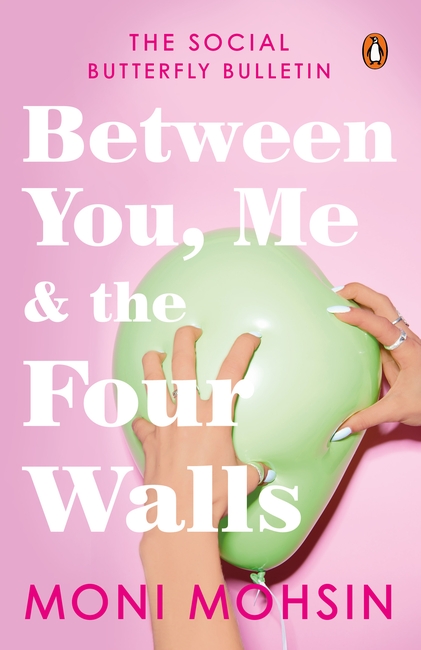
The Social Butterfly is back with her signature wingbeat. The world may have moved at a rattling pace since her last outing but the lifestyles of Lahore’s literati, Dubai’s glitterati and London’s desi flutterati have more than kept pace. Earth-shattering events like wars, climate change, and the pandemic have nothing on the treachery of the maalish waali, Meghan Markle’s tiara and the mechanics of ‘sad make-up’. Spanning eight rollicking years from 2014 to 2021, Butterfly’s frank, funny diaries tell us how it is in the private lives of the haves and the have-mores.
Scandalously colourful and uniquely desi, the latest installment of the Butterfly series is delish.