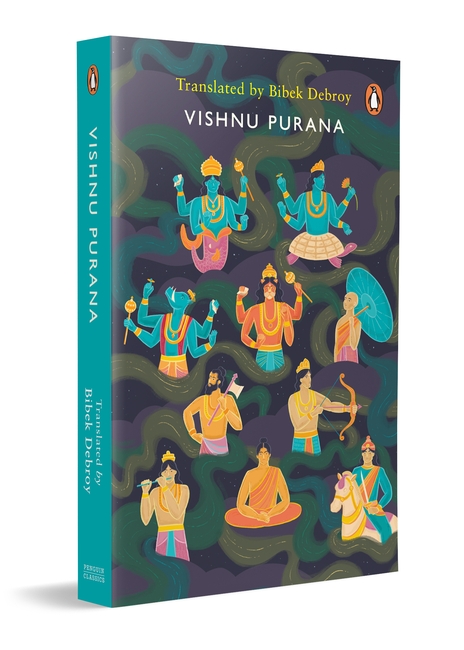
LORD VISHNU AND THE CREATION
The Vishnu Purana is part of a series of eighteen sacred Hindu texts known collectively as the Puranas. It occupies a prominent position among the ancient Vaishnava Puranas which recount tales of creation and the many incarnations of Lord Vishnu. It describes the four classes of society, the four stages of life, and key astronomical concepts related to Hinduism.
Brimming with insight and told with clarity, this translation of the Vishnu Purana by Bibek Debroy presents readers with an opportunity to truly understand the classical Indian mythic texts. Debroy has previously translated the Bhagavata Purana, the Markandeya Purana, and the Brahma Purana.

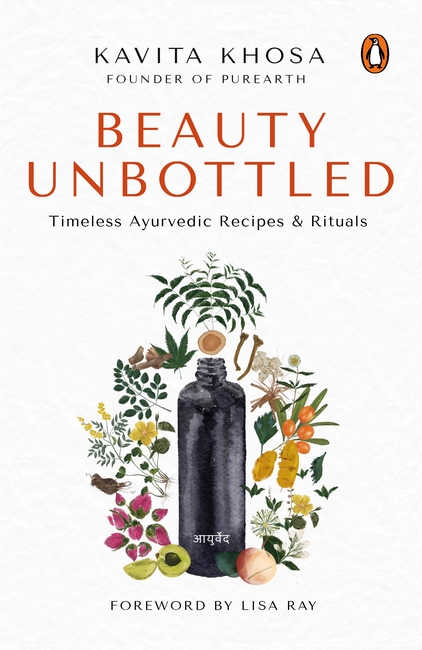
Can one make sunscreen from saffron? Can hemp oil help heal acne? How does madder root help cure hyperpigmentation? Beauty Unbottled is a unique DIY guide on how to use herbs and plants to turn your kitchen into a beauty lab. Learn how to treat hair loss, frizz, dandruff and premature greying with powerful Ayurvedic kitchen herbs. Create your own masks, moisturizers, serums and shampoos with superfoods like neem, tulsi, jasmine and sandalwood-herbs that are revered in Ayurveda. Explore the alchemy of Ayurveda and its long-lost, forgotten beauty
secrets with simple step-by-step skin and hair recipes (with vegan options) in this definitive guide and self-help book. This book will also guide you to read and understand labels, have a balanced diet for a healthy body and choose ingredients that are super effective yet gentle on you and mother earth.
Kavita Khosa, the founder of the award-winning skincare brand Purearth, brings to this book her years of experience in Ayurveda and expertise as an organic cosmetic science formulator. Beauty Unbottled debunks urban
beauty myths, drawing upon scientific research and time-honoured classic Ayurvedic texts. Rooted in Ayurveda, this book invites you to celebrate the skin you are in!

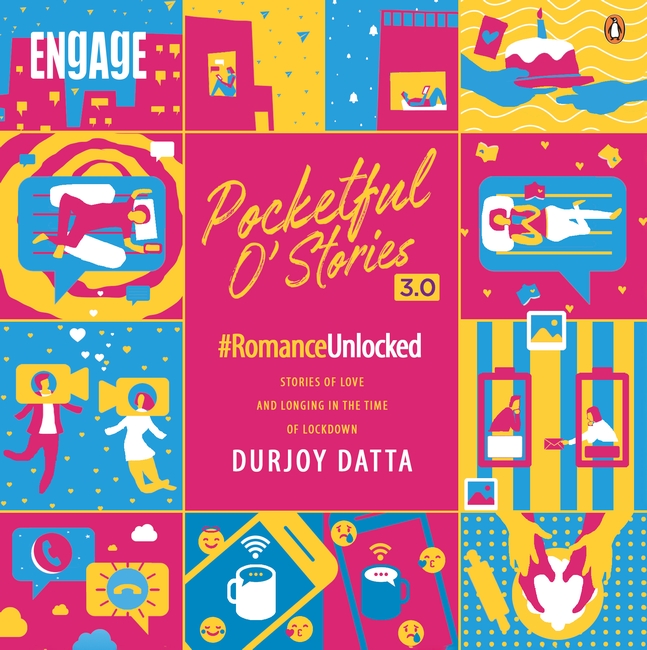
ITC Engage, one of India’s leading fragrance brands is back with its much-loved bestselling series Pocketful O’ Stories 3.0 in collaboration with the bestselling romance novelist Durjoy Datta.
This year’s theme, #RomanceUnlocked captures the poignant yearning of lovers during the time of lockdown. Couples invaded the digital space and found new ways to connect and keep their romance alive. Their stories of love and longing inspired the latest edition of this series.
People were invited to submit their microtales about love in the new normal. Almost 35,000 entries were received within a month, making this edition already a huge success.
Here’s presenting a compilation of the best tales that also includes Durjoy’s own stories of love and longing in the time of lockdown.

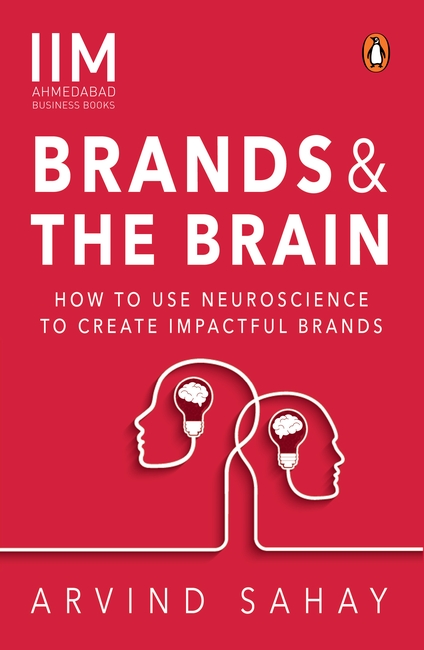
It is evident that some of the most powerful brands are deeply embedded in our unconscious emotions and memories. The purpose of this book is to develop an understanding of the link between the human brain and brand management principles as well as activities. It will educate readers about brain-operating principles and their impact on how humans perceive brands. The book also analyses how modern brands are created by leveraging brain functioning. In a nutshell, the book explains the indispensable role that the human brain plays in creating, sustaining and rejuvenating brands.
‘A story about finding hope in the darkest of times that will brighten your day!’
If you find someone’s diary, would you dare open it?
Well, if you chance upon your old diary, would you dare read through your past?
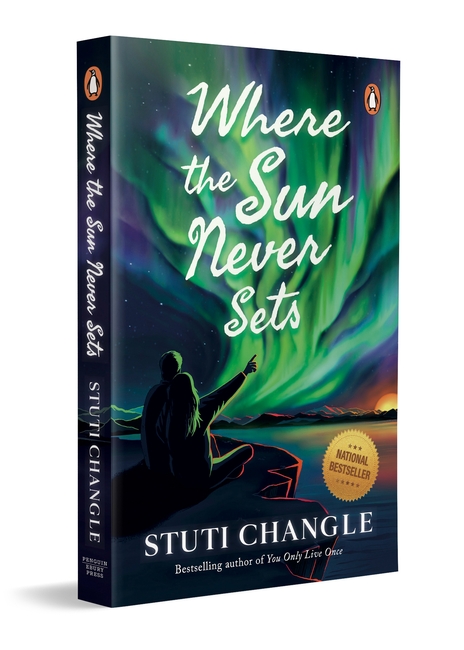
Iti is forced to move back to her hometown of Mussoorie amid worldwide lockdown to work on her first movie script. Iti’s chance encounter with her first love, Nishit, reunion with her estranged best friend, Shelly, and nights spent reading her well-kept diary, make her best memories and worst nightmares come to life. She has always run away from her past, but now has no choice.
Will reading her diary prove to be an adventure worth taking for completing the script? Will life be the same? Ever?
Set in the COVID-19 lockdown, from the national bestselling author of On the Open Road and You Only Live Once, Where the Sun Never Sets is a riveting personal account of unforgettable childhood dreams, turbulent teenage years, complicated close relationships, human resilience, and the never-ending journey of growing up.

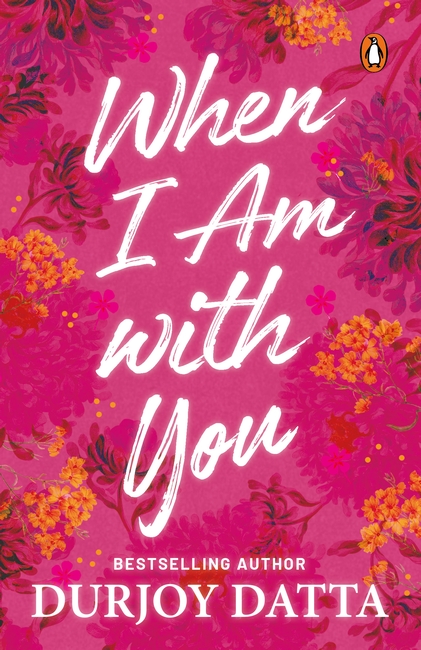
You can plan everything, but you can’t plan with whom and when you’ll fall in love, isn’t it?
Aishwarya, at twenty-eight years, would rather be a single mother than trust the ‘normal’ family structure. In her new start-up, she wants to revolutionize childcare for young woman professionals-this is her ultimate goal. Plus, she’s in a hurry to do it all. On her mind is the ambitious and good-looking Akshay, perfect genetic material, but he’s not ready to be part of her plans. Yet.
In comes Dhiren, who has made and lost his money in cryptocurrency. He takes up the first floor of Aishwarya’s nursery building and, by a queer coincidence, begins to work for her. Her friends Smriti and Vinny, as protective as mother hens, warn her against Dhiren. There is something that he’s hiding along with his friend Neeraj-they just don’t know what.
Things begin to take shape but really, it’s just the beginning of a disaster. The only thing that can save them is what they don’t want-love.
Crazy, quirky and so utterly romantic, this book is the ultimate relationship roller coaster!
Sri M is widely known as a spiritual leader and teacher. However, he believes, for him to truly connect with someone and guide them, they must be friends.
In this book, Mohini Kent asks him about love, life, religion, marriage, death and everything in between making it a one-stop shop complete collection of Sri M’s teachings and philosophy.
Following the ancient form of a conversation between a guru and disciple, this book is easy to read and relatable for people of all ages.

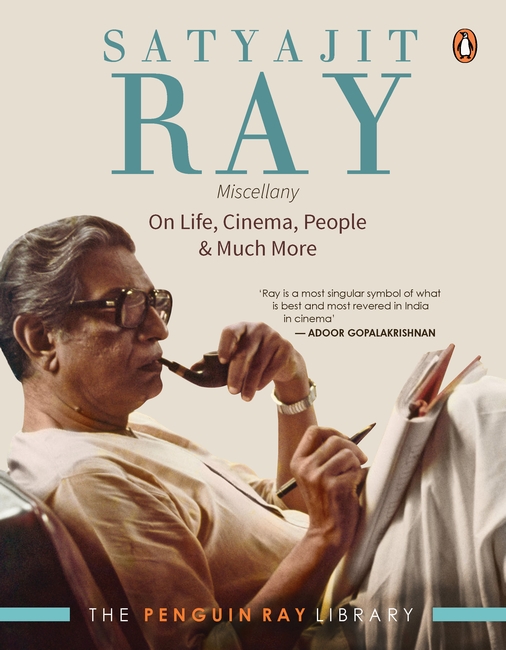
More than seventy rarest essays on filmmaking, screenplay writing, autobiographical pieces and rare photographs and manuscripts of Ray
‘Ray is a most singular symbol of what is best and most revered in Indian cinema’ – Adoor Gopalakrishnan
‘Satyajit Ray, I salute you. The greatest of our poets of the cinema’-Ben Kingsley
Satyajit Ray (1921-1992), one of the doyens of world cinema, gave a unique aesthetic expression to Indian cinema, music, art and literature. His writings, especially, autobiographical works, thoughts on filmmaking, screenplay writing and eminent personalities from art, literature and music, among others, are considered treasure troves, which largely remained unseen and therefore less known till date.
Satyajit Ray Miscellany, the second book in The Penguin Ray Library series, brings to light some of the rarest essays and illustrations of Ray that opens a window to the myriad thought-process of this creative genius. With more than seventy gripping write-ups and rare photographs and manuscripts, this book is a collector’s item.

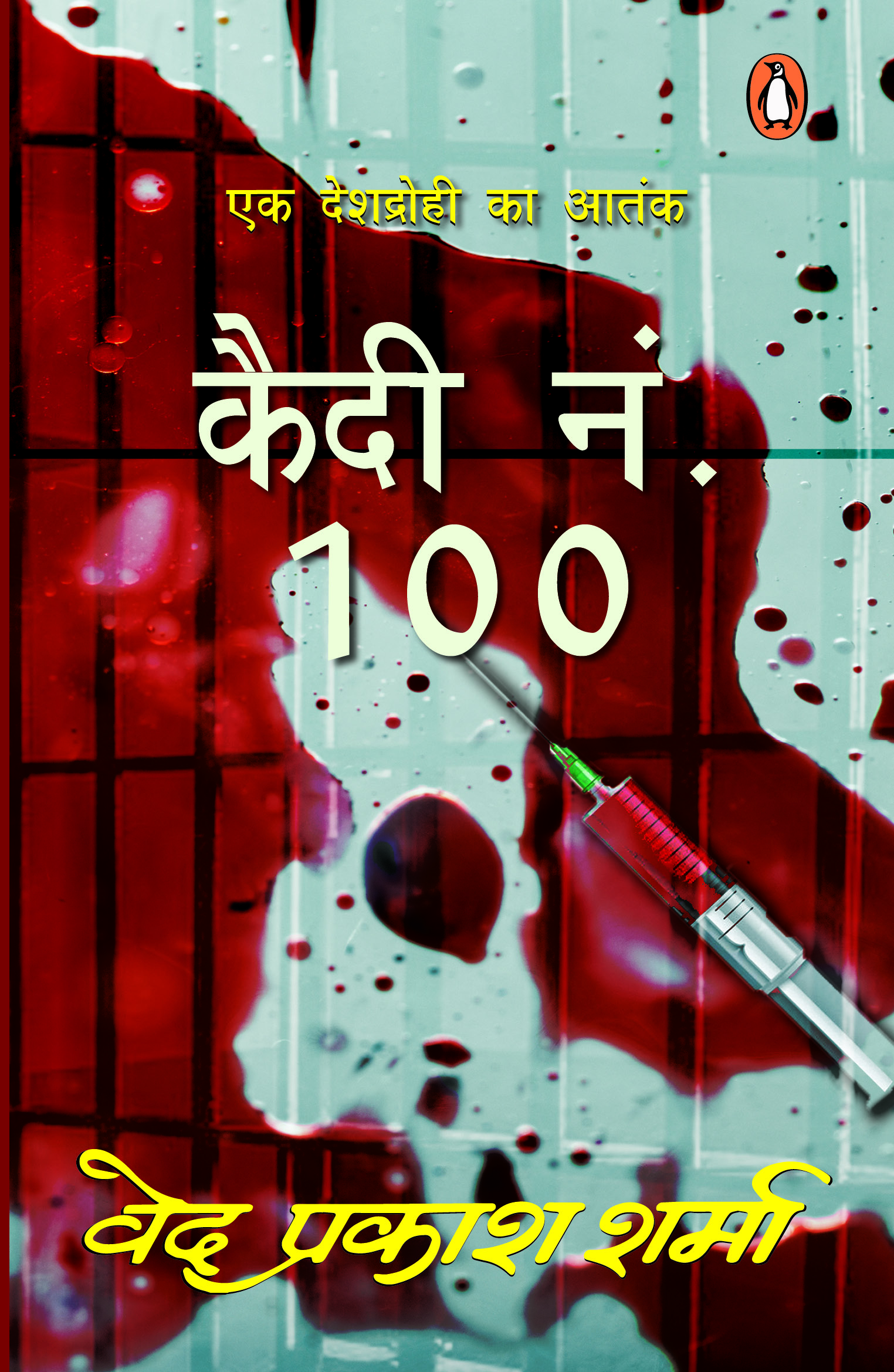
कैदी नंबर 100 एक प्रतिभाशाली छात्रा संगीता की कहानी है। लेकिन वह इतने निर्धन परिवार से है कि किसी अच्छे कालेज में अध्ययन नहीं कर सकती। परंतु प्रोफसेर दिवाकर उसकी योग्यता को पहचान लेता है। संगीता को उच्च शिक्षा के लिए विदेश भेजने हेतु प्रोफेसर को चोरी भी करनी पड़ती है। गुरु और शिष्या के पवित्र रिश्ते पर लोग उँगलियाँ उठाते हैं, लेकिन ऐसा क्या होता है कि जब संगीता नए नाम नीलम से एक महान वैज्ञानिक बन जाती है तो उसे अपने ही पति की हत्या करनी पड़ती है और एक और नई पहचान मिलती है कैदी नंबर 100 और प्रोफेसर दिवाकर भी क्यों एक घोर अपराधी बन जाता है, जो कैदी नंबर 100 का अपहरण कर इस महान वैज्ञानिक से ऐसी दवाई ईजाद करवाना चाहता है, जिसके प्रयोग से वह सारी दुनिया को कोढ़ी बनाना चाहता है।

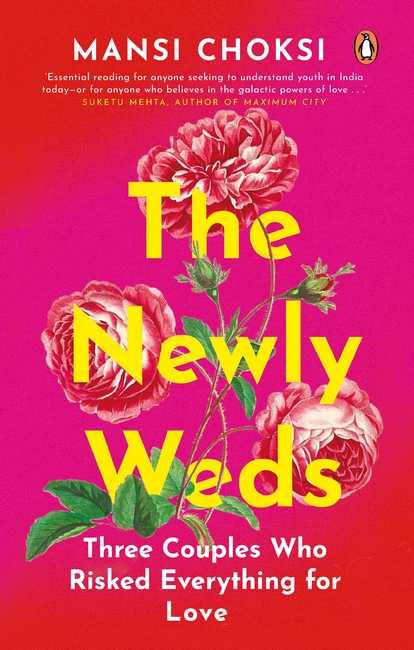
India is teeming with a young population that was born post-liberalization, grew up with the internet, witnessed the advent of smartphones and social media, and is well-versed in the many dialects of a globalized pop culture. But when it comes to love and marriage, they’re often disconcertingly expected to adhere to the orthodoxy of a bygone era. It’s this conflict between the parallel paths of alleged tradition and mutinous modernity that drives journalist Mansi Choksi’s The Newlyweds.
Through vivid, lyrical prose, Choksi shines a light on three young couples who buck against patriarchy-approved arranged marriages in the pursuit of love, illustrating the challenges, triumphs and losses that await them.
Engaging and moving, The Newlyweds raises universal questions such as what are we really willing to risk for love? If we’re lucky enough to find it, does it change us? For the better? Or for the worse?