



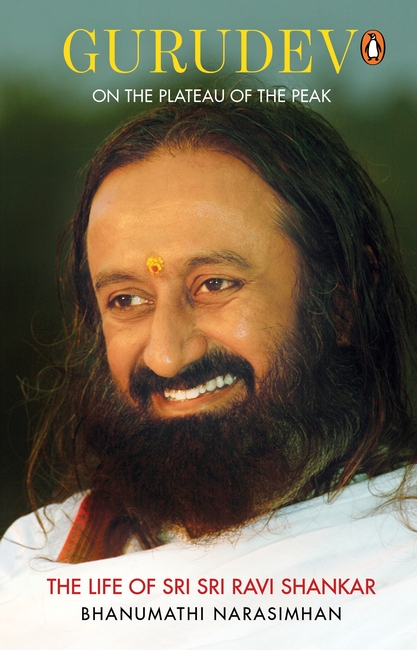
It was an era when the wisdom of yoga had been buried under years of ritual practices, when religion outweighed human values, when games were becoming wars and wars were being played like games. It was at such a time that, in a quaint village in south India, a young boy was found in deep meditation. He would say, ‘I have family everywhere. People are waiting for me.’
Nobody believed him then.
Time revealed the destiny of the millions who came to him to discover themselves. Over the years, his sublime presence and pragmatic teachings, would foster the values of joy, peace and love across the world. His transformative art of breathing, the Sudarshan Kriya, became a household practice, an alternative way of life that inspired people to seek self-realization. He became the guru who made the ethereal tangible, who brought about a profound shift in every sphere of human endeavour-from art to architecture, health care to rehabilitation, inner peace to outer dynamism.
From a carefree child to a teenager often found in the company of saints, from a young meditation teacher to a revered spiritual Master, this book is an intimate and affectionate account of the life of Gurudev Sri Sri Ravi Shankar by his sister Bhanumathi Narasimhan, who witnessed his mystical life unfold up-close.
Gurudev: On the Plateau of the Peak is an attempt to fit the ocean in a teacup, offering readers a sip of infinity.
Catagory: Non Fiction
non fiction main category
Beneath Magnolia Skies: Writings from Sikkim and Darjeeling Hills
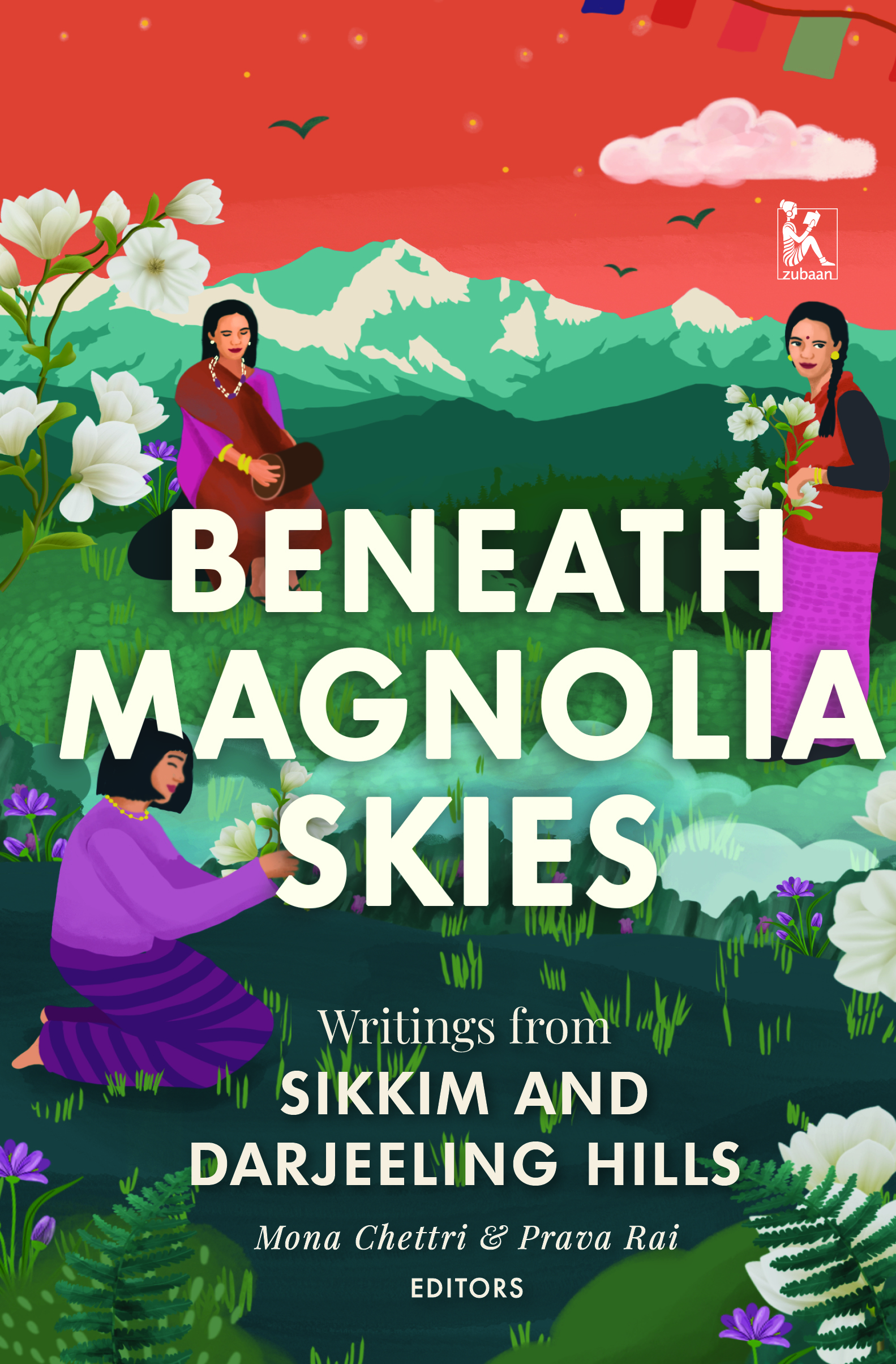
A glimpse into the lives of women from Sikkim and Darjeeling Hills, this anthology brings together homemakers, teachers, students, professionals, cultural practitioners, researchers and artists, each offering a unique lens into everyday life in the region. Geographically connected, yet with distinct political and economic trajectories, women have very different lived experiences in both Sikkim and Darjeeling. But, like the magnolia—a shared symbol rooted in memory, culture and landscape—their lives are shaped by common cultural norms, expectations and institutions that transcend borders.
Beneath Magnolia Skies traces journeys through time, space and place, capturing moments of solace, strength, reconciliation and redemption. More than just personal reflection, this anthology is also an act of resistance, a way of claiming how the writers wish to be seen, heard and understood in their own words.
Love in the Time of Caste: A Dalit-feminist anthology of love stories
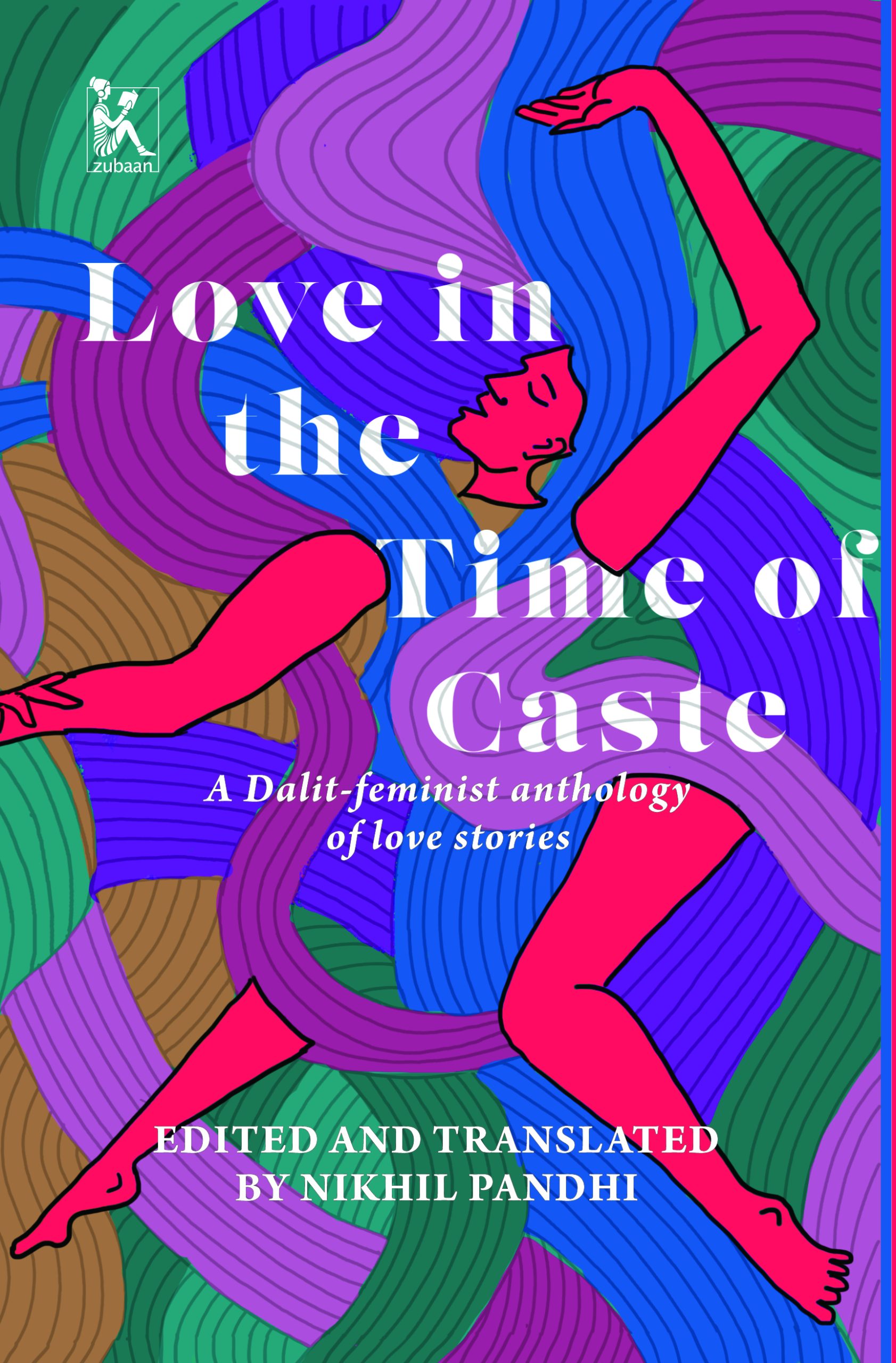
In a world governed by caste and patriarchy, Shaili, an ambitious Dalit journalist, grapples with heartbreak, disquiet, and the pernicious constraints imposed upon her desires and agency. Apurva, in love with a Dalit man from a rival sub-caste, is forcibly married to a Marxist from her own community, unleashing turmoil that reshapes her life. Pragya and Samar, a Dalit couple united by a shared passion for political activism, find their marriage strained as the fires of the street no longer ignite intimacy at home. Ambar, a rising star in the corporate world, feels doubly alienated—from both her Dalit mother’s village and her own amorous desires in the city. Meanwhile, tormented and brutalized by upper-caste oppressors, Jamna seizes justice on her own terms—transforming revenge into fierce rebellion against decades of caste terror and humiliation. The unforgettable characters in these remarkable stories are ordinary Dalit women and men navigating passion, pleasure, power, and pain in the crucible of caste, gender, and sexuality in contemporary India. Radiantly and elegantly translated into English, and ethnographically assembled for the first time, Love in the Time of Caste is a groundbreaking anthology of Dalit-feminist creativity and repair that portrays love as a radical, anti-caste force, offering an unflinching portrait of modern India—as imagined and remade by Dalit-Bahujans—while boldly envisioning caste-annihilated futures.
The Wealth Networks of India
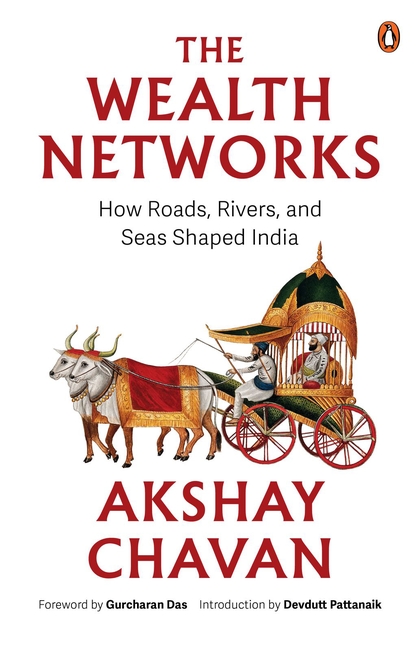
The Wealth Network: Trade, Terrain, and the Making of India, explores the intricate web of geography, trade, and culture that wove the fabric of India’s story. For too long, history has focused on kings and politicians. The book shifts our lens to India’s trading communities—those who braved mountains, rivers, and oceans to create the economic foundation of India. It traces patterns through networks and nodes—routes and cities where people, goods, money, and ideas flowed. Within these networks are 108 stories, each one helping you to look a little deeper into India’s past. They are about trade and travel, faith and power, migration and ambition—but most importantly, they are about how wealth moved, and how that movement shaped Indian history.
The Girls Are Not Fine

Women are taught early that ‘fine’ is the only acceptable answer. Fine at work. Fine at home. Fine in
relationships. Fine in bodies that are always being watched and measured.
The Girls Are Not Fine is about what’s underneath all that fineness. The invisible labour, the emotional maths, the unassuming ways women shrink themselves to fit rooms that were never built for them.
This isn’t a self-help book. It’s a vocabulary. A transfer of language for the things women carry but rarely get to name: the performance of competence, the economics of being ‘low maintenance’, the exhaustion of being the family’s emotional infrastructure while also trying to build a career, a life, a self.
Part confession, part cultural critique, part practical toolkit, it moves through work, money, family, body, friendship and love, not to fix anything, but to finally call it what it is.
And that’s important because:
We’re here, and we’re not carrying it alone.
That’s not nothing. That might be everything.
India’s Most Dangerous Serial Killer

Shankariya Kanpatimar murdered nearly seventy people across Rajasthan, Punjab and Haryana in eighteen months, and that makes him India’s first recorded serial killer. He was hanged in the Jaipur Central Jail on 15 May 1979. He committed crimes in the most ‘brutal and dastardly’ way— all for theft. He would enter his victim’s house naked, kill with whatever object lay at hand, eat, smoke bidis, take a bath and leave only with the cash he found. In one of the murders, he managed to find only two rupees in the house. He came to be known as ‘Kanpatimar’ for the striking similarity of his murders with all his victims being hit on their temples, or kanpati, in Hindi.
Drawn from police files, FIRs, contemporary reportage and interviews, India’s Most Dangerous Serial Killer reconstructs both the killings and the world that enabled them. Told in the most truthful and unsparing voice of Rakesh Goswami, Shankariya’s story of how a petty thief turned into a dangerous serial killer, reveals a deeper moral rot.
NASSIM NICHOLAS TALEB 3 BOOKS BOXSET: Fooled by Randomness, The Black Swan and Antifragile – Risk, Uncertainty, Decision-Making and Economics

‘This essential 3-book box set by renowned thinker Nassim Nicholas Taleb brings together three of the most influential works ever written on uncertainty, risk, and decision-making. Challenging conventional wisdom, these books question our assumptions about prediction, control, and success in a complex, unpredictable world.
Included Titles
• Fooled by Randomness
A sharp and often provocative examination of how chance, luck, and probability distort human judgment and perceptions of success.
• The Black Swan
A groundbreaking study of rare, high-impact events that reshape history, markets, and societies—often in ways we fail to anticipate.
• Antifragile A powerful argument for why certain systems, ideas, and individuals benefit from volatility, uncertainty, and disorder rather than being harmed by them.
Why Collect This Box Set
• Presents Taleb’s core intellectual framework across three connected works
• Foundational reading on probability, risk, and complex systems
• Widely influential in economics, finance, investing, policy, and strategy
• Encourages clearer thinking and better decision-making under uncertainty
• Designed for serious readers seeking long-term insight and reference
This Nassim Nicholas Taleb box set offers a rigorous lens through which to understand—and navigate—the unpredictable forces shaping the modern world.
Indians in the Ocean
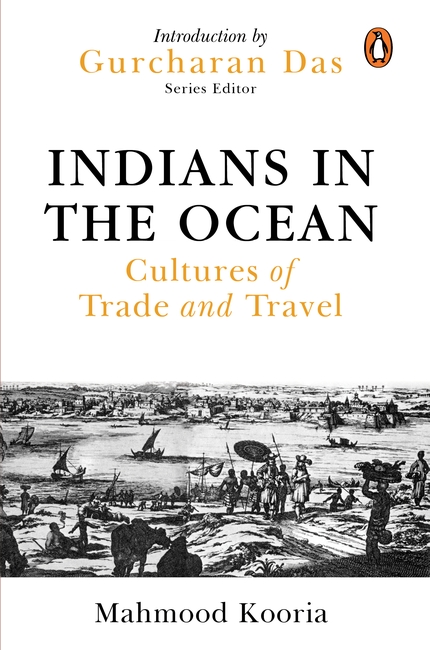
Long before European ships dominated the Indian Ocean, traders and travellers from the Indian subcontinent were already navigating its vast waters. In search of profit, adventure, and knowledge, their journeys shaped how Indians evolved as a society, what they consumed in their material lives, and how and why they produced and circulated oceanic knowledge.
Indians in the Ocean explores the ocean’s role in shaping the economic and cultural histories of the subcontinent between the tenth and sixteenth centuries. Drawing on a rich array of historical sources in many languages, it reconstructs the experiences of people from the region who travelled, traded, and participated in the global economy at a time when the oceans formed the principal highways linking countries and communities across continents.
Chasing Like Dhoni
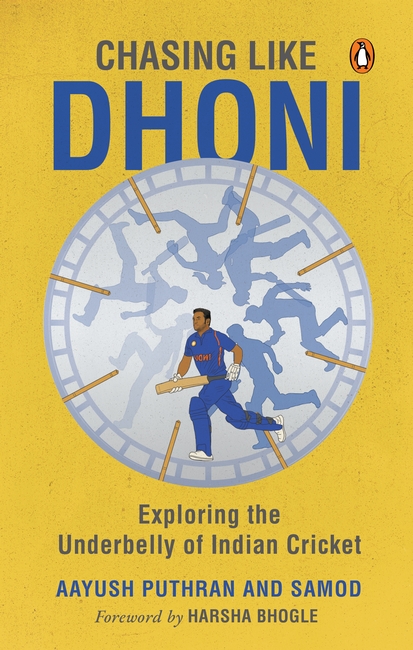
While much has been written about the success stories in cricket, with the struggles of those who achieve the ultimate glory being romanticised in newspaper articles, books and even biopics, the spotlight has rarely shone on those who don’t enjoy similar fame and wealth; those who invested the same effort and perseverance, yet failed to earn the India cap.
Chasing Like Dhoni aspires to take a look at Indian cricket through the perspective of aspiring and professional cricketers, at various stages of their careers, striving to become the next big icon of Indian cricket. It explores how they view their journeys and what they gain out of it.
Zubeen Garg
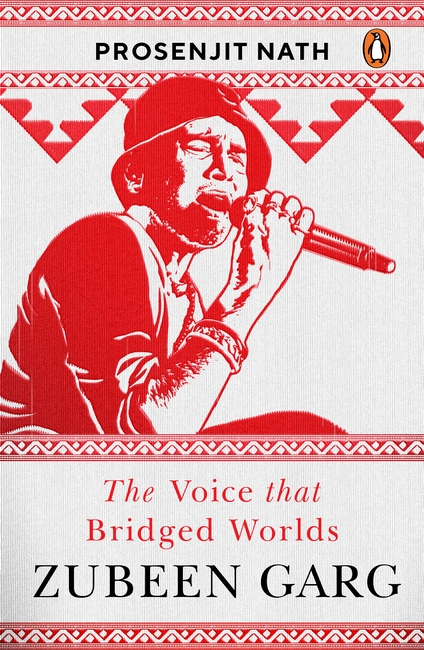
Zubeen Garg: The Voice That Bridged Worlds traces the extraordinary journey of a boy born in the hills of Tura who rose to become one of the most influential cultural figures of Northeast India.
Blending biography, cultural history, and personal reflection, this book explores Zubeen’s evolution from a mischievous child fascinated by music to the legendary artist whose songs crossed languages, borders, and generations. From his classical training and early struggles to his revolutionary impact on Assamese music and cinema, the narrative reveals how he revitalized traditional forms while embracing modern sounds.
Yet this is more than the story of fame. It is a portrait of a fearless artist who chose his homeland over glamour, who sang in dozens of languages yet remained deeply rooted in Assam, and whose voice united millions.
The life of Zubeen Garg was never going to be just the story of a singer; it is the story of a voice that carried the soul of an entire people. This biography encapsulates the legacy of a man whose music continues to reverberate long after his passing. It is passionate, personal, and profound.