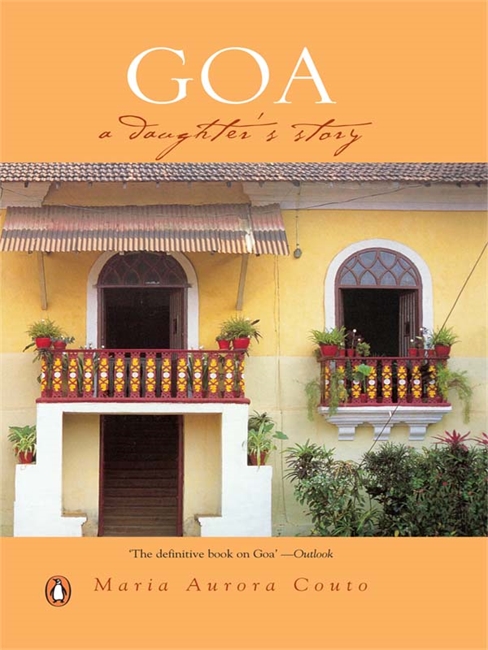
In December 1961, Indian Troops Marched Into Goa Putting An End To Over 450 Years Of Portuguese Rule, The Longest Spell Of Colonialism On The Subcontinent, And Goa Became Part Of The Indian Union. In Popular Imagination, However, Goa Has Remained A Place Not Quite India, And Stereotypes About Goa And Goans Abound. Maria Aurora Couto S Unique Blend Of Biography, Memoir And Social History Brings Us The Goa Behind The Beaches And Booze Culture That Is Projected For The Tourist And Which Has Unfortunately Come To Define Goa For The Vast Majority Outside The State.
Starting With An Account Of The Immediate Aftermath Of Liberation, Couto Goes Back And Forth In Time To Examine The Fundamental Transformations In Goan Society From 1510, When Afonso De Albuquerque Conquered Goa, Up To The Present. Drawing Upon The Experiences Of Her Own Family And Those Of Others, Both Hindu And Catholic, She Writes Of The Influences That Have Touched All Goans The Luso-Indian Culture; Conversion And The Inquisition; Political And Cultural Changes In Europe Such As The French Revolution And The Ideals Of Republicanism; Folk Traditions, Music And The Konkani Language; And, Ultimately, Freedom And Integration With India. In The Process She Reveals How Goa, Which Combines The Best Of Traditional And Cosmopolitan Lifestyles, Has Evolved Into India S Twenty-First-Century Model Of Economic Development And Communal Harmony. Written With Sensitivity, Insight And Scholarship, Goa: A Daughter S Story Is At Once Expansive And Intimate: A Moving Narrative About Home, The Village And The World, In Which The Author Crosses The Boundaries Between History And Memory, Truth And Imagination, To Evoke Personal And Community Experience. It Is As Much An Appraisal Of Goa S Past As It Is An Examination Of Its Present And A Vision For Its Future.

Seven Summers, first drafted when Mulk Raj anand was a student at London University but not published till 1951, recreates teh events and feelings of the first seven years of the writer’s life, or what he called his ‘half unconcious and half conscious childhood’. first of the seven volumes of autobiographical fiction that Anand conceptualized but never completed, this book is full of memorable scenes and people observed through the eyes of a child. the most impressive of them all being the Coronation Durbar in Delhi to which our young hero is smuggled wrapped in a blanket so that the Sahibs might not object to the presence of ‘so discordant an element into so gorgeous a ceremony’. this edition of Seven Summers is a special reissue of the classic autobiography to commemorate Anand’s birth centenary.
A reasoned, objective examination of the role of madrasas The emergence of radical Islamist movements in various parts of the world, the rise and fall of the Taliban in Afghanistan, the 9/11 attacks, widespread vilification spearheaded by Hindutva groups”all these and more have made madrasas a much talked about institution. Focussing on the madrasas of India, Bastions of the Believers seeks to critically interrogate sensationalist and stereotypical images of the madrasas by highlighting their diversity and the complex social roles that they play in the lives of many Muslims. Madrasas, as a rule, represent a conservative form of theology and jurisprudence that is, in many ways, ill-suited to a modern, pluralistic society. Much of what is taught in madrasas is outdated and unscientific (the Deoband madrasa, for instance, still insists that the sun revolves around the earth, and it has special seating arrangements for invisible jinns). Yet, obscurantism need not necessarily lead to militancy and hostility against others. For instance, in the decades leading to India’s independence, the Deobandis, representing an extreme form of religious conservatism, insisted on Hindu—Muslim amity and a joint struggle for a free and united India. It is this integrated view of madrasas and a more liberal and open understanding of Islam, and indeed of all faiths, which Yoginder Sikand seeks to promote”for he believes this is one of the principal duties confronting committed believers if we have to learn to live together despite our differences. Bastions of the Believers covers a wide range of thought-provoking issues”from the origins and develoent of the institution to critiques of madrasa curricula and the alleged links between madrasas and Islamist militancy”making this a must-read for all those interested in creating and preserving a just social order.
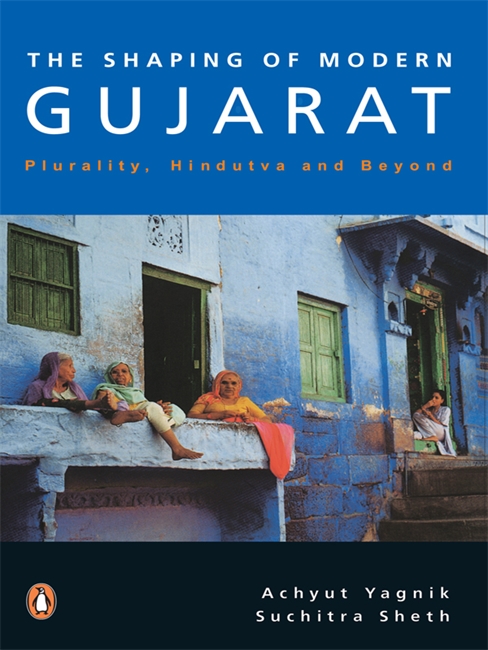
Looking at the 19th and 20th centuries, and drawing on scholarly sources, this book traces the history of Gujurat from the time of the Indus Valley civilization, where Gujarati society came to be a synthesis of diverse cultures, to the state’s encounters with the Turks, Marathas and the Portuguese.

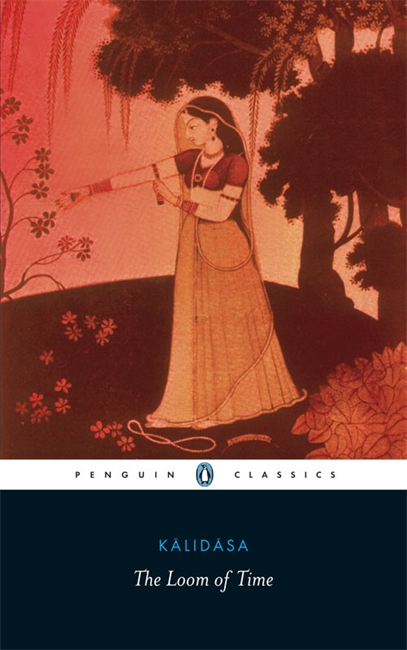
Kalidasa is the greatest poet and playwright in classical Sanskrit literature and one of the greatest in world literature. Kalidasa is said to have lived and composed his work at the close of the first millennium BC though his dates have not been conclusively established. In all, seven of his works have survived: three plays, three long poems and an incomplete epic. Of these, this volume offers, in a brilliant new translation, his two most famous works, the play Sakuntala, a beautiful blend of romance and fairy tale with elements of comedy; and Meghadutam (The Cloud Messenger), the many-layered poem of longing and separation. Also included is Rtusamharam (The Gathering of the Seasons), a much-neglected poem that celebrates the fulfillment of love and deserves to be known better. Taken together, these works provide a window to the remarkable world and work of a poet of whom it was said: Once, when poets were counted, Kalidasa occupied the little finger; the ring finger remains unnamed true to its name; for his second has not been found
In Wine Wisdom, certified sommelier Magandeep Singh takes wine off the snob table and puts it in a handy brown bag for all to relish.
With the irrepressible passion he reserves for his favourite beverage, Magan leads you through the simple methods of classifying wine to the intricate process of tasting it (complete with instructions on what to say, when to say it and when to simply raise your eyebrows and keep your lips sealed). He demystifies wine labels and restaurant wine lists, gives practical tips on ordering the perfect wine for a magical evening (together with a phonetic guide to pronouncing the names so you can impress your guests), and advises you on the best way to uncork a bottle without causing any unfortunate spills.
This indispensable book also includes:
the history of wine drinking and changing trends in India and across the world
a comprehensive list of the major wine brands currently available in India, as well as the ones to look out for if you’re shopping abroad
the basic rules of serving wine-temperatures, glassware and perfect pairings of Indian cuisine and wine-and storing it
a reference list of wine-related terms and their definitions
Quirky anecdotes, essential facts and figures and invaluable advice-Wine Wisdom packs in all you need, whether you’re a wine lover, or want, simply, to be party-trained.

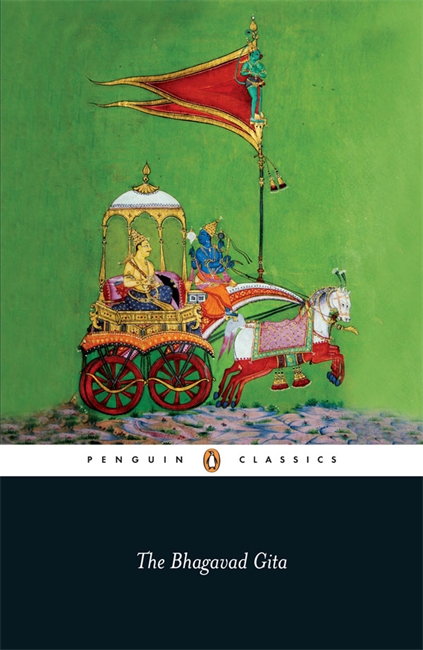
A masterful translation of the Bhagavad Gita, along with the Sanskrit original. A faithful rendition of the 2000 year old Song Celestial, Bibek Debroys translation resonates with the spirit of the original while using modern idiom and language. He captures, verse by verse, the essence of this ancient philosophical poem which debates eternal questions of right and wrong, action and consequence, and the conflicting nature of duty and love. The text stands by itself, complete and without interpolation, juxtaposed with the Sanskrit for easy reference, interpretation and explanation are tucked away as notes at the end. Authentic and readily accessible to the scholar and the non initiate, this edition of the Gita is essential reading for anybody who wishes to grasp the core of Indian philosophy and religion.
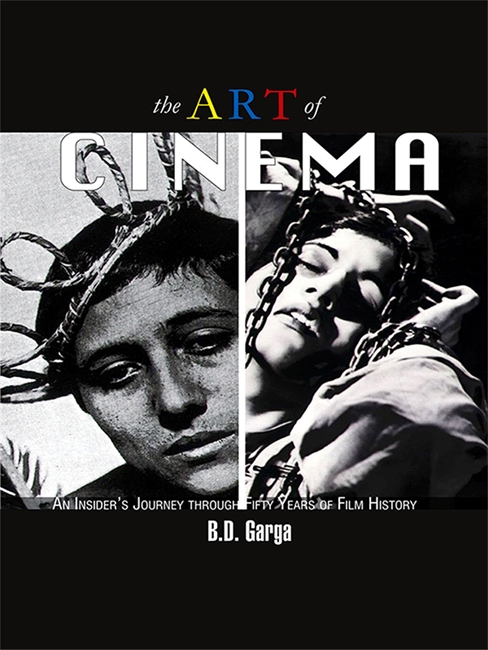
As a film-maker and film historian, B.D. Garga has closely witnessed and participated in the growth of Indian cinema from the early 1940s. With more than fifty years’ experience as a film journalist, and having served on various national and international film festival juries, he is probably India’s foremost authority on the subject of cinema.
In this extraordinary collection of essays, Garga delves into the vast repertoire of his scholarship and experience to provide an insider’s view of Indian and international cinema over the years. Even as he discusses the contribution of men behind the screen—the director, editor, cinematographer—he profiles some of the greatest masters of Indian cinema, like Himansu Rai and P.C. Barua, Bimal Roy and Raj Kapoor, while critically analysing some classic films from the golden era of cinema in India—Devdas (1935) and Sant Tukaram (1936) to Mother India (1957) and Mughal-e-Azam (1960).
Embellished with over forty exquisite and vintage photographs from the author’s private collection, The Making of Great Cinema also contains fascinating essays that highlight the contribution of the Soviet masters to international cinema; address important issues like film censorship, sex in Indian films and the relationship between film and politics; and provide a memorable account of the origins of cinema in India and the country’s many cinematic milestones.
Bringing your first-born into the world actually means the birth of a whole new you, says first-time mother and toddler-survivor Shefali Tsabary.
While everyone fusses over the little bundle, you’re going to have to overcome the feeling of your life being taken over and turned on its head (while your body has been transformed into something just as unrecognizable). You’ll have to learn to take pleasure in being a mother through the utter helplessness of the initial days, the extreme fatigue resulting from sleepless nights, and the overwhelming responsibility of shaping another life.
It’s a Mom! gives you invaluable advice on how to handle your baby and yourself in every imaginable situation. From feeding and burping and establishing sleeping patterns to tackling your toddler’s tantrums, this book outlines effective techniques that will make bonding with your baby a pleasure. And it gives you the crucial tip that your ever-eager-to-advise relatives forgot to mention: you have a life beyond your baby-and a body and mind, and spouse to reconnect with.
Did it really start with the burning of a train?
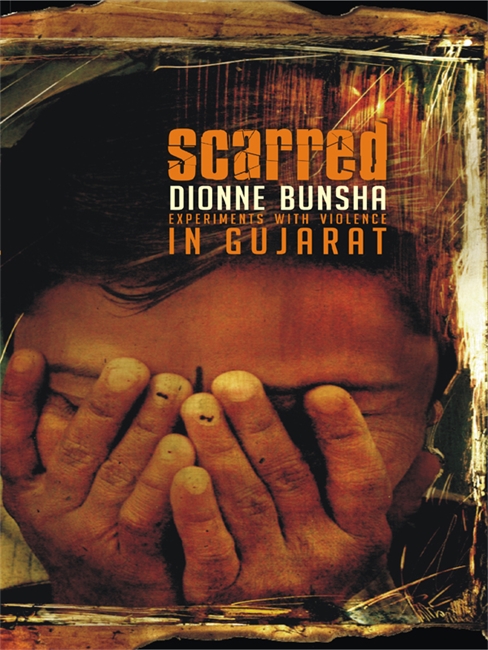
Scarred: Experiments with Violence in Gujarat asserts the existence of a much larger politics of violence, and tells the story of a disaster in Hindutva’s laboratory which etched deep faults in Gujarat’s social landscape.
While capturing the predicament of the Sabarmati Express survivors, Scarred is an intense, moving portrait of refugees whose lives have been changed forever by the violence that followed. It tells the story of people fighting for justice amidst fear and turmoil, unable to return home. It is also an insightful look into the minds of the perpetrators of this violence, and the PBI – World they seek to construct—a PBI – World where the ghettoization and socio-economic boycott of Muslims have become the norm.
What exactly happened in Gujarat in February 2002? Why did the country’s political leaders fiddle while Gandhi’s Gujarat burned? In this honest and thought-provoking book, Dionne Bunsha tries to answer these and many of the questions that we are still left with.