PENGUIN RANDOM HOUSE IS PROUD TO PUBLISH ANTI-CLOCK, WINNER OF THE O.V. VIJAYAN AWARD AND THIKKURISSI AWARD
‘James is very inventive and very imaginative with a great sense of humour. There is a sort of eccentric genius animating the story’ JURY, JCB PRIZE FOR LITERTURE
‘A philosophical novel that discusses the mysterious problems of life and death’ BENYAMIN
‘”Time is everything, man is nothing; he is, at most, time’s carcass.” V.J. James’s novel Anti-Clock has given an extremely creative twist to these words by Karl Marx’ O.V. VIJAYAN PRIZE
Hendri, the coffin maker, has one goal in life: to see the dead body of his nemesis Satan Loppo being lowered into the coffin he has painstakingly carved. For it was Loppo who defiled his beloved Beatrice, and let loose his hellhound Hitler upon Hendri, giving him a permanent limp.
From inside his coffin shop, Hendri watches the world go by even as he prepares to deliver justice upon Loppo. He is confronted by the son of his best friend becoming enamoured with Loppo’s wealth, Loppo’s evil designs towards the hills of Aadi Nadu, and his own Christian guilt that regularly comes to haunt him. Until he meets Pundit, a 112-year-old watchmaker who was part of Bose’s Indian National Army and is building an ‘Anti-Clock‘, which can turn back time. When Loppo too hears of the Anti-Clock and desires to possess it, the inevitable battle becomes a reality.

Meet Asha Ray.
Brilliant coder and possessor of a Pi tattoo, Asha is poised to revolutionize artificial intelligence when she is reunited with her high school crush, Cyrus Jones.
Cyrus inspires Asha to write a new algorithm. Before she knows it, she’s abandoned her PhD program, they’ve exchanged vows, and gone to work at an exclusive tech incubator called Utopia.
The platform creates a sensation, with millions of users seeking personalized rituals every day. Will Cyrus and Asha’s marriage survive the pressures of sudden fame, or will she become overshadowed by the man everyone is calling the new messiah?
In this gripping, blistering novel, award-winning author Tahmima Anam takes on faith and the future with a gimlet eye and a deft touch. Come for the radical vision of human connection, stay for the wickedly funny feminist look at startup culture and modern partnership. Can technology-with all its limits and possibilities-disrupt love?

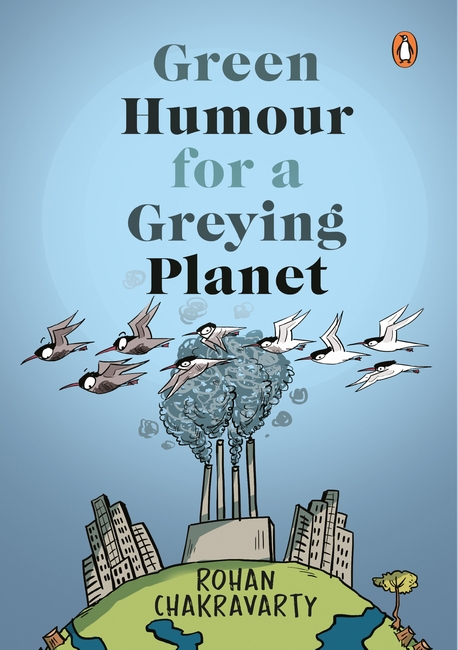
200 gag cartoons on ecology, environment and wildlife.
Green Humour For A Greying Planet is a curation of gag cartoons and comic strips based exclusively on wildlife and nature, perhaps the first of its kind. At a time when global warming, wildlife crimes and man-animal conflicts are at their worst, ‘Green Humour’ is sure to provide its readers some much needed comic relief. A comprehensive and satirical take on various aspects of the natural world and the threats to its conservation, this book will appeal to both the scientifically inclined readers as well as the general readers.

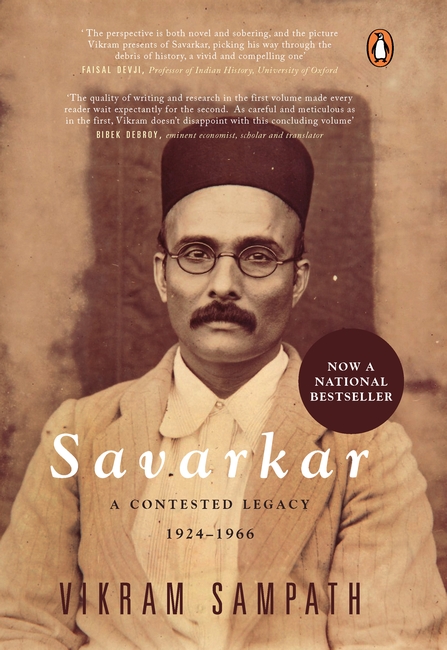
Was Savarkar really a co-conspirator in the Gandhi murder?
Was there a pogrom against a particular community after Gandhi’s assassination?
Decades after his death, Vinayak Damodar Savarkar continues to uniquely influence India’s political scenario. An optimistic advocate of Hindu-Muslim unity in his treatise on the 1857 War of Independence, what was it that transformed him into a proponent of ‘Hindutva’? A former president of the All-India Hindu Mahasabha, Savarkar was a severe critic of the Congress’s appeasement politics. After Gandhi’s murder, Savarkar was charged as a co-conspirator in the assassination. While he was acquitted by the court, Savarkar is still alleged to have played a role in Gandhi’s assassination, a topic that is often discussed and debated.
In this concluding volume of the Savarkar series, exploring a vast range of original archival documents from across India and outside it, in English and several Indian languages, historian Vikram Sampath brings to light the life and works of Vinayak Damodar Savarkar, one of the most contentious political thinkers and leaders of the twentieth century.
Savarkar is one of the most debated figures in Indian History and Indian Politics!

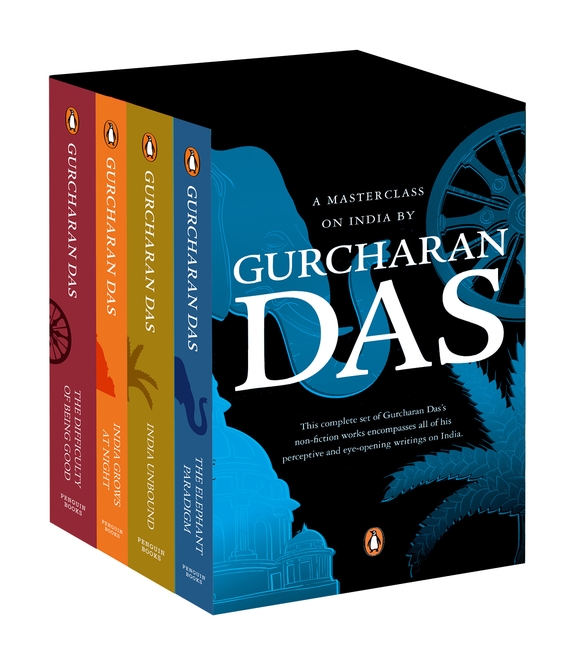
This complete set of Gurcharan Das’s non-fiction works encompasses all of his perceptive and eye-opening writings on India.
India Unbound – The riveting tale of a nation’s rise from poverty to prosperity, and the clash of ideas that occurred along the way.
The Elephant Paradigm – The story of an ancient civilization’s reawakening to the spirit and potential of its youth.
The Difficulty of Being Good – A superb exposition of the dilemmas and ambiguities inherent in the Mahabharata that shows us how we can come to term with the uncertain ethics of our times.
India Grows at Night – What India needs is a strong, liberal state but achieving this will not be easy because historically India has always had a weak state and a strong society.

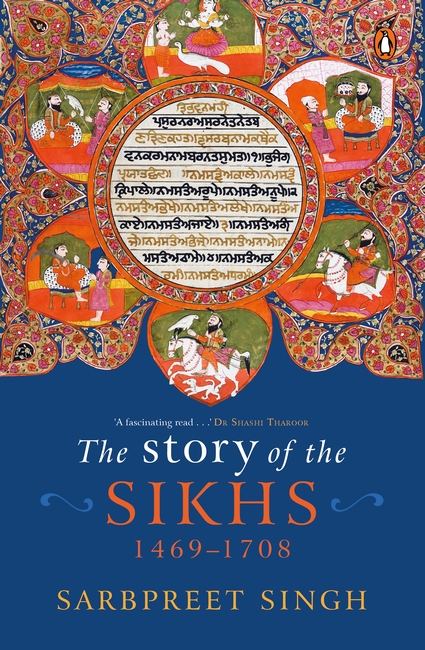
The power of storytelling meets the colourful history of the Sikh faith in The Story of the Sikhs. In this book, author Sarbpreet Singh helps us reimagine the lives of the Sikh Gurus through a rich narrative that intricately weaves in selections from the Guru Granth Sahib, the Dasam Granth and epic Braj poetry.
Starting from the birth of the first guru, Guru Nanak, the book charts the lives of the ten Gurus. Through carefully curated stories, the book does not just show the egalitarian ideals and compassionate worldview that have come to define the faith, but also sheds light on the historical context that defined the foundational principles which guided Sikhs during the era of each Guru.
Sarbpreet has deliberately approached this retelling as a storyteller rather than as a student of history in an attempt to make the work accessible and engaging. Immersive and expansive, The Story of the Sikhs is a tour de force that weaves a multi-dimensional tapestry of narrative and poetry.

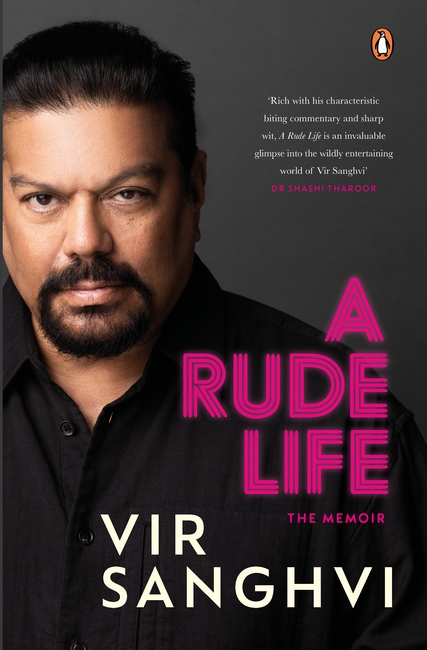
“Reading his work is always insightful, sometimes sobering, occasionally rude and certainly never boring” – Dr. Shashi Tharoor
Vir Sanghvi’s has been an interesting life – one that took him to Oxford, movie and political journalism, television and magazines – and he depicts it with the silky polish his readers expect of him. In his autobiopgrahy, A Rude Life, he turns his dispassionate observer’s gaze on himself, and in taut prose tells us about all that he’s experienced, and nothing more for he’s still a private man.
He unhurriedly recounts memories from his childhood and college years, moving on to give us an understanding of how he wrote his biggest stories, while giving us an insider’s view into the politics and glamour of that time.
This is an explosively entertaining memoir that details one of the most eventful careers in Indian journalism. Studded with a cast of unforgettable characters like Morarji Desai, Giani Zail Singh, Amitabh Bachchan, Dhirubhai Ambani and a host of other prominent political and cultural figures, A Rude Life is a delicious read.

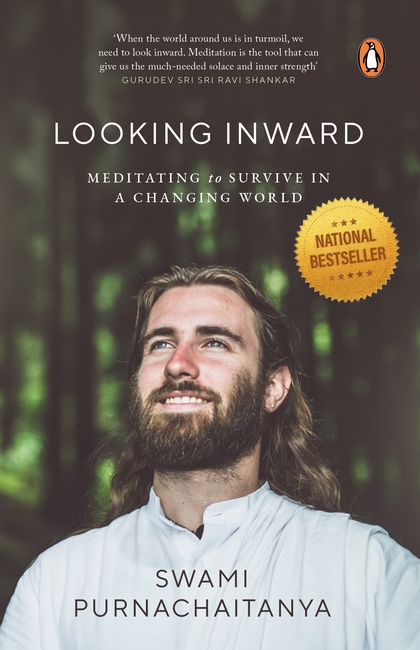
The world as we know it in 2021 is worse than anything we have seen so far. Global warming, a pandemic, misinformation spreading like wildfires, fake news, riots, changing social structures and lifestyles-the ramifications of these events affect our health, relationships, productivity and, most importantly, have a lasting impact on our inner peace. It is in times like these that we feel stressed, acutely anxious and even depressed. And it is now more than ever that we need to look inward for strength, focus, happiness and resilience.
In Looking Inward, Swami Purnachaitanya helps you on your journey towards identifying the source of your anxiety, stress and restlessness, and provides you with the tools required to address and transcend them, using meditation to soothe distracted thoughts and refocusing your energy to being fully present in the moment. Every chapter includes enlightening stories, precious insights, and a ten-minute exercise that will take you one step closer to mastering your mind and building your own meditation practice.
Today, meditation is not a luxury, it is a necessity. This book helps you acknowledge the changing world while strengthening your inner energy reserves to better cope with it.
Translated into Arabic, Russian, Dutch, German, and many more international languages soon.

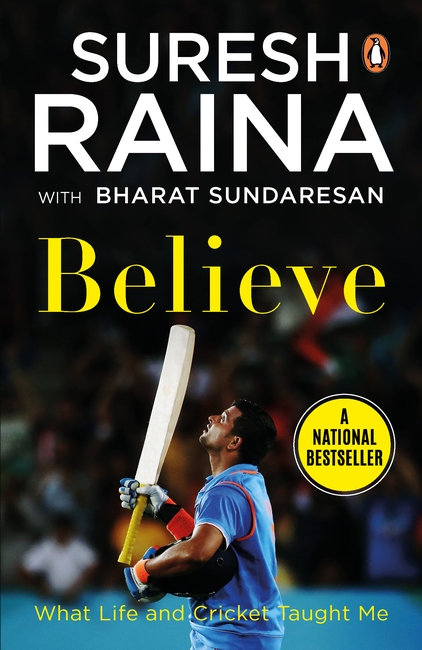
Believe, Sachin Tendulkar told him – and he took it to heart, getting the word etched on his arm as a tattoo.
In this book, Suresh Raina takes us through the challenges he faced as a young cricketer. He was bullied in school and at cricket camps, but he always punched above his weight, overcoming every adversity life threw at him and never giving up. This is the story of the lessons he learnt and the friendships he built.
Peppered with invaluable insights – about the game and about life – that Raina acquired from senior colleagues like M.S. Dhoni, Rahul Dravid, Anil Kumble, Sachin Tendulkar and Sourav Ganguly, among others, this book will make you believe in the power of hard work, love, luck, hope and camaraderie. It is a journey through the highs and lows in the cricketing career of a man who saw his world fall apart and yet became one of the most influential white-ball cricketers India has ever seen.

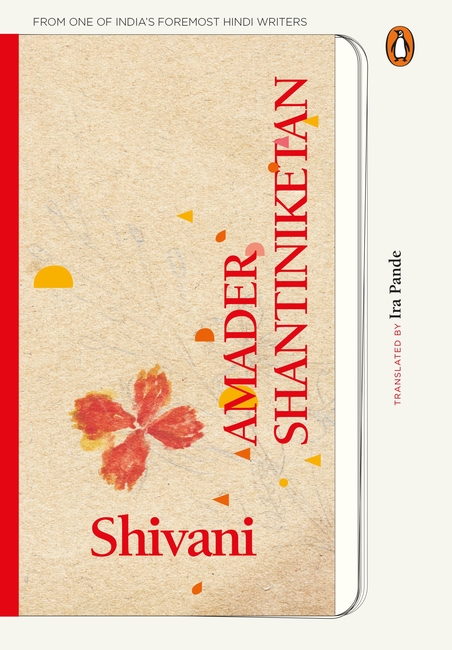
This charming memoir is a loving homage to a grand institution and its legendary gurus. Written from the perspective of a child and young girl, it retains the freshness and innocence of an age when experimental education was not merely a trendy movement. Shivani’s vivid pictures of the Ashram and portraits of her teachers and fellow students remain as alive as they seemed when she first wrote this memoir nearly fifty years ago. Along with the moving tributes she wrote when some of her beloved contemporaries passed away, this slim memoir is a sort of diptych that captures the spirit of the Ashram and the liveliness of its inmates, many of whom went on to become iconic Indians. Shivani’s recall of her time there takes the reader into an enchanted garden that remains as inspirational to her as it was when she went there all the way from Kumaon a lifetime ago.