What should you wear when your American colleague invites you to an informal dinner? What is the correct way to address a business associate you are meeting for the first time? When should you shake hands, and when is the right time to bow or do namaste? How can you manage as an Indian abroad when you are faced with unfamiliar food? What clicks with a German client, and how do you win over a Japanese partner? If you get an important business call in the middle of an equally important meeting, should you take it? Is it possible to be succinct in an email without being curt?
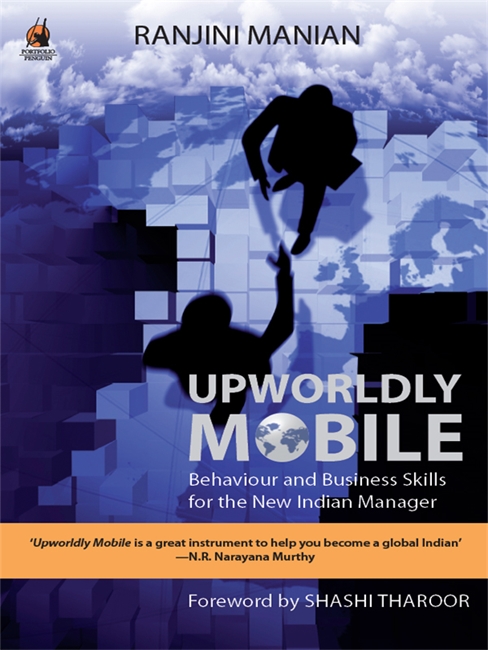
With real-life examples from world leaders that inspire emulation and featuring an easy ‘pick-a-page’ format, Upworldly Mobile is the ideal companion for Indian managers dealing with expatriate colleagues and global workplaces. It is equally useful for foreign managers looking to decode Indian work practices. Drawing on the author’s business interactions with C-level executives of thousands of multinationals across seventy-six nationalities, this book aims to help develop a culturally sensitive outlook that will cement relationships with international counterparts most effectively. Upworldly Mobile tells you everything they don’t teach at business schools-how to hold your own in the global work environment today.

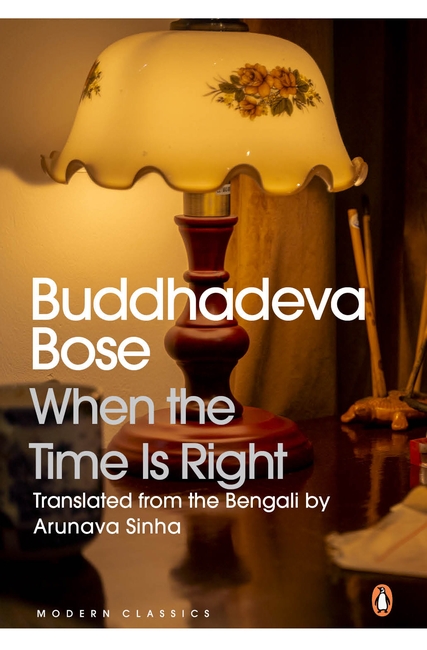
Buddhadeva Bose’s greatest novel When the Time Is Right is a grand family saga set in Calcutta during the last two decades of British rule. Of Rajen Mitra’s five lovely daughters; it is the youngest—the beautiful; intelligent Swati—who is the apple of her father’s eye. As she grows from an impetuous; spirited child to a lonely young woman; Swati is witness to the upheavals and joys of the Mitra family even as the country slides towards the promise of independence and the inevitability of war. Anxious to ensure that his daughters find suitable husbands; Rajen-babu realizes it is only a matter of time before his favourite child too must leave home. While the boorish entrepreneur Prabir Majumdar decides that she will make him a fitting wife; Swati finds herself increasingly drawn to Satyen; the young professor who introduces her to a world of books and the heady poetry of Tagore and Coleridge. First published in Bengali as Tithidore in 1949; When the Time Is Right is a moving tale of a family and a nation.

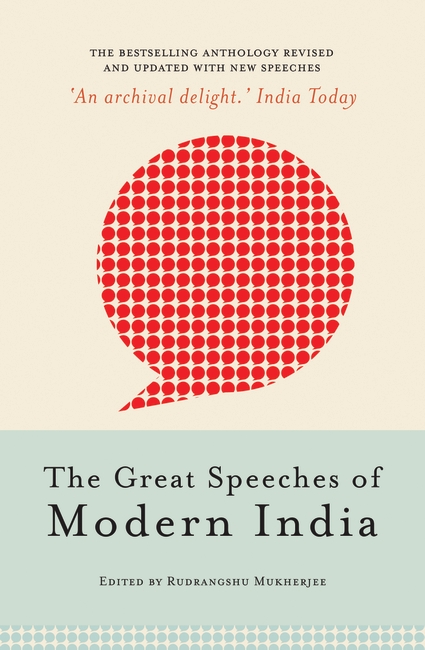
The Great Speeches of Modern India tells the story of modern India through its speeches. Here are all the classics from Tilak, Gandhi, Nehru, Tagore, Ambedkar, L.K. Advani, Manmohan Singh, Indira Gandhi, and here are also some rare speeches—Satyajit Ray on cinema, Vikram Seth on his school days and Godse’s defence of his assassination of Gandhi. Stimulating, informative, and full of rare gems, The Great Speeches of Modern India is a must on every bookshelf.

After freeing her darling son, Jonkers, from the clutches of his low class, slutty secretary, Aunty Pussy has charged Butterfly with finding him a new wife—a rich, fair, beautiful, old family type. Quickly. But who wants to marry poor, plain, die-vorced Jonkers? As Butterfly schemes her way through shaadis, GTs (oho baba, Get Togethers!), and kitty parties trying to find a suitable girl from the right bagground, she discovers to her dismay that her hapless cousin has his own ideas about his perfect mate. And secretly she may even agree!
Full of wit and wickedness, Tender Hooks is another delightful romp through Pakistani high society from the bestselling author of The Diary of a Social Butterfly.

‘God once told me life is absurd. How else can two boys land up in America and not find any girls?’
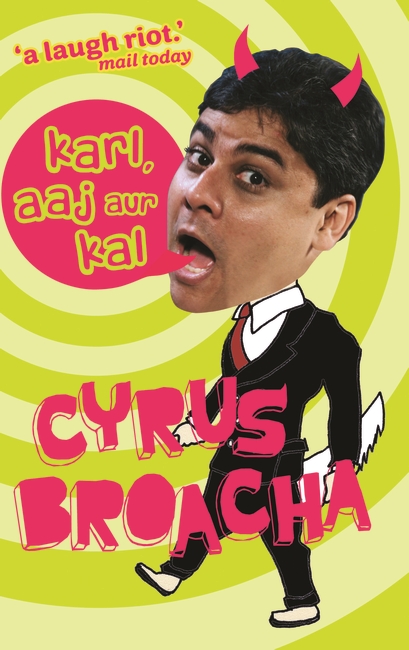
Karl and Kunal are just two ordinary Mumbai boys who like ordinary things: bunking class, films, food and pornography. Intent on attaining stardom they fly off to the legendary Lee Strasburg Acting Studio to sharpen their craft in acting and in chasing girls. They fail on both counts but come back with a jackpot: their maiden movie role. In Bollywood, they meet Yusuf Khan, who at forty-six is still the undisputed king of college romance. Being losers doesn’t get in their way and soon the trio become a hit team, churning out blockbuster after blockbuster. Before they know it, Karl and Kunal get their own spot boys, the defining moment in every Bollywood actor’s life, feature in an TV commercial with Leander Paes and Mahesh Bhupathi, and are even invited to meet Bill Clinton on his visit to India. But all this is not enough for Karl, who knows that it’s really politics which is the ultimate destination for all ‘great’ actors. As Pajama Party’s nominee from south Mumbai, Karl makes his debut as a politician. Will he hit the box office again?
A novel about celebrities, Bollywood and politics, Karl, Aaj aur Kal is a hilarious novel from India’s best known funny man.

Are you stressed?
The workplace has become increasingly competitive, family life has its never-ending complications, and when you step outside, you have to deal with heavy traffic, aggression, and massive pollution. No wonder that you’re tense and agitated, have hyper reflexes and blood pressure that’s higher than the midday sun. But you’re not alone. Fifty percent of Indian professionals suffer from stress with stress-related diseases from depression to lack of fertility drastically on the rise.
In I’m Not Stressed, Deanne Panday, one of the country’s leading health and fitness experts, shares with you her secrets to tackle this looming lifestyle problem. She tells you what stress really means, how to know when you have a serious case of it, and most importantly how to deal with it through a simple plan of diet, exercise, sleep, meditation, and breathing. With advice from leading psychiatrists, cardiologists, endocrinologists, and celebrities who have to deal with high-level stress, I’m Not Stressed is your mantra for enduring health and happiness.

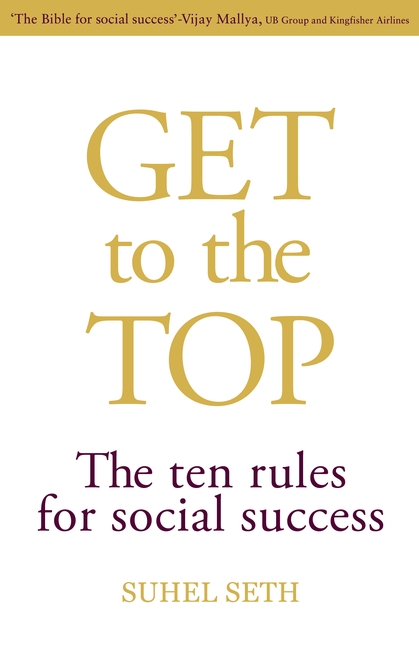
When it comes to getting ahead in life, who we know is as important as what we do. How do you draw people to you? Impress the powerful? Make an impact and extend your circle of acquaintances? Cultivate influential friends? Suhel Seth, a man who knows almost everyone there is to know in the country, brings you the ultimate guide to social success. From the secret to throwing a successful party to the benefits of befriending the less important half of a couple, he gives you practical advice and strategies to become a successful networker. Inspiring, provocative, and wise, Get to the Top is the ultimate book about wielding soft power.

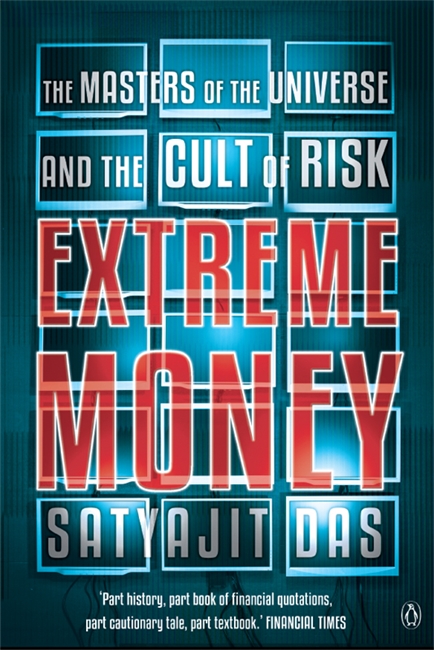
The human race created money and finance. But our inventions re-create us. Mankind mistook money-a lubricant of society and human well-being-for an end in itself. Finance, the monetary shadow of real things, came to dominate human reality. Extreme Money tells the story of how this happened. In so doing; it also tells the story of the modern world. Bestselling author Satyajit Das draws on thirty-three years of personal experience at the heart of modern global finance to narrate this story. Das reveals the spectacular, dangerous money games that have generated increasingly massive bubbles of fake growth, Ponzi prosperity, sophistication and wealth, while endangering the jobs, possessions and futures of virtually everyone outside the financial industry. You’ll learn how everything from home mortgages to climate change has become financialized, as vast fortunes are generated by individuals who build nothing of lasting value. Das shows how ‘extreme money’ has become even more unreal; how ‘voodoo banking’ continues to generate massive phony profits even now; and how a new generation of ‘Masters of the Universe’ has come to dominate the world.
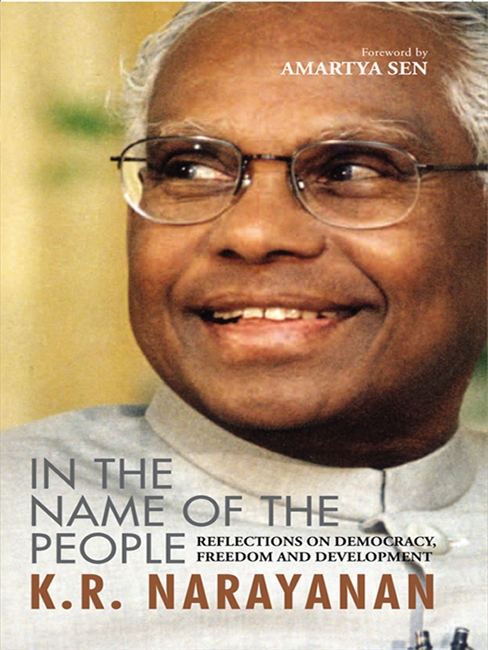
K.R. Narayanan’s life graph reflects in many ways the fruition of the promise of ‘equality of status and opportunity’ that the Constitution guaranteed every citizen; from humble beginnings in a remote village to a distinguished career as an academician, diplomat, politician and, finally, India’s first Dalit President, Narayanan embodied modern India’s indomitable spirit. As President, as diplomat and as a citizen of India, Narayanan believed strongly in the ideas and principles that the nation was built upon—nationalism, democracy, economic progress, religious tolerance and social justice—and these found memorable expression in his speeches and writings over the years. In the Name of the People brings together Narayanan’s most important writings spanning five decades, from his first published article in 1954 to the Republic Day speech of 2000. In these pieces, he covers a diverse range of topics, from Indo–US ties and India–China relations to human development, Islam in India and women in politics; from the benefits of the parliamentary system and the need to build democracy from the grassroots to the role of education and technology in development and the importance of a sustainable environment. Also included are personalized accounts of Ambedkar, Gandhi and Nehru, and a good representation of Narayanan’s key presidential speeches. Informed, perceptive and well-argued, the pieces in In the Name of the People constitute one of our greatest statesmen’s reflections on independent India, and are especially striking in their continued relevance to the life of the nation.