



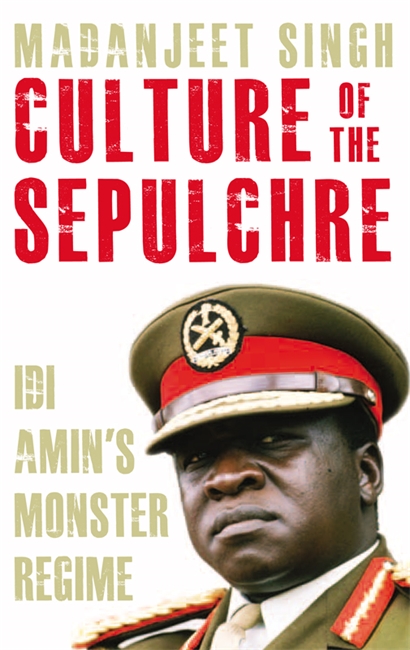
Culture of the Sepulchre is not only a retelling of Idi Amin’s brutality and buffoonery, which unfolded in the seventies, it is also a heart-rending saga of the forced evacuation of the Indian diaspora from Uganda and their trials against the backdrop of a fierce internal armed conflict.
Madanjeet Singh, the Indian High Commissioner to Uganda at the time, gives a first-hand account of the unimaginable violence and savagery unleashed by a man who designated himself ‘His Excellency President for Life, Field Marshal Al Hadji Doctor Idi Amin, VC, DSO, MC, Lord of All the Beasts of the Earth and Fishes of the Sea, and Conqueror of the British Empire in Africa in General and Uganda in Particular’ (and by some accounts even appointed himself the King of Scotland), as well as the ghastly and macabre events that followed Amin’s defeat by the rebel forces led by Museveni.
This is also an account of the extraordinary courage demonstrated by Madanjeet at a time of great personal turmoil—his sister died under mysterious circumstances and his trusted servant turned criminal—and the great risks he took to evacuate hundreds of families desperate to escape the murderous environment
Catagory: Non Fiction
non fiction main category
Fish In A Dwindling Lake
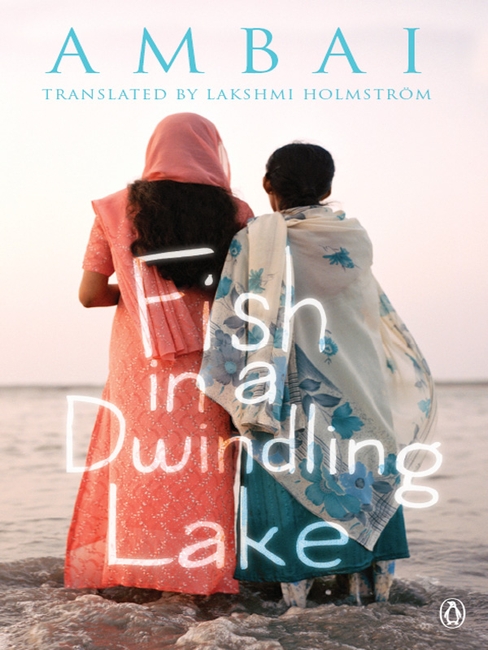
‘The body was the only truth she knew. It was the body alone that was left, even as she went beyond the body.’
Journeys form the leitmotif of these astonishing new stories by Ambai. Sometimes culminating in an unconventional love affair, some are extraordinary tales of loyalty and integrity; others touch on the almost fantastic, absurd aspect of Mumbai. Yet others explore the notion of a wholesome self, and its tragic absence at times. These stories are illuminated by vivid and unusual characters: from an eccentric, penurious singer-couple who adopt an ape as their son, to a male prostitute, who is battered by bimbos for not giving ‘full’ satisfaction.
Crucially, some of the stories, like the title one, engage uninhibitedly with a woman’s relationship to her body. For Ambai, feminist par excellence, the sensual body, experienced as a natural landscape changing with age, is at the same time, the only vehicle of life and tool for mapping the external world.
The Cubicle Manifesto
The cubicle: a small, compressed, half room where we spend half our lives bored, stressed, and secretly planning holidays. Where imagination and creativity die a slow death and ‘out of the box’ can mean only one thing—leaving the office.
Mayukh, a young and harried manager, can’t believe his misfortune when he discovers one morning that his computer has been taken over by a virus. Especially when he has enough work on his plate to last him a lifetime. But things take a strange turn and soon the virus starts a revolution that gradually frees our hero from the tyranny of pressure and the shackles of stress. It reconnects him with his true self and family, and brings him more success than he could ever imagine.
So if you’ve been spending more time in your cubicle than anywhere else, The Cubicle Manifesto is the revolution that you’ve been waiting for; one that you can start in the comfort of your own cubicle.
The God Market
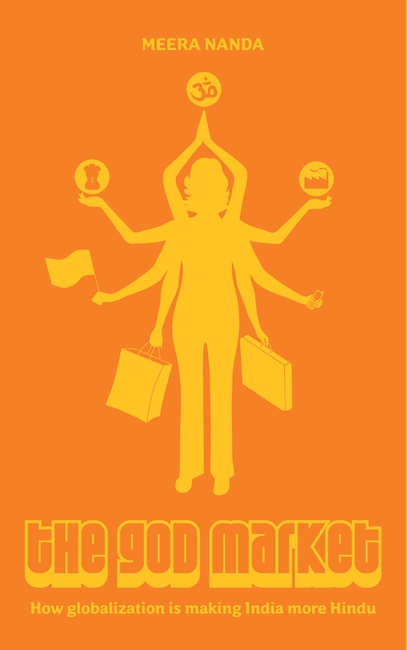
As India’s economy has liberalized, so too has it become Hinduized.
Middle-class Indians are becoming actively religious as they are becoming prosperous. The last decade has seen the proliferation of powerful new god-men, a massive rise in temple rituals, the creation of new gods, and the increased demand for priests. Hinduism has entered public life as well with politicians regularly using pujas and yajnas in their campaigning.
The state is enabling this Hinduization with the help of the private sector. From actively promoting religious tourism, to handing over higher education to private sector institutions, some of whom use religious trusts to run these institutions and impart ‘value-based’ education, to giving away land at highly subsidized rates to gurus and god-men, many of the privatization measures of the government are linked with the promotion of Hinduism.
Why has this happened? What does it mean? And does this spell the death of Indian secularism? In this eye-opening book, Meera Nanda looks at the rise of popular Hinduism and uncovers, for the first time, the nexus between the state, temple and corporate India, and the ugly truth behind India’s leap into globalization and economic reforms. She argues that india is creating its own, insidious form of fundamentalism, one that can lead the country into grave danger.
Hard-hitting and controversial, full of fascinating facts, The God Market is essential reading for all citizens.
The Beauty Diet

Can eating make you look good?
Yes, it’s true. Diet provides nutrition but also makes you look beautiful by helping you lose weight, getting a proportionate body, making your skin glow and your hair and eyes shine. In The Beauty Diet, celebrity dietician Shonali Sabherwal, whose clients include Katrina Kaif, Neha Dhupia, Esha Deol, Hema Malini, Jacqueline Fernandez, Chitrangada Singh, Shekhar Kapur, and Kabir Bedi, among others, offers easy-to-follow and tried-and-tested diet advice for women of all ages to look younger and more stunning. She shows you how to:
• do a basic detox to cleanse the body
• make your skin glow, your hair shine, and your teeth healthy
• tuck that rebellious tummy in
• get rid of fat thighs and flabby arms
• eat to look younger
• change your mood with the right food
With diet charts, recipes, cooking techniques, illustrations, real-life stories, and celeb experiences, The Beauty Diet redefines the purpose and formulas of eating. So get ready to welcome the fab new you!
The 10 Laws Of Learning
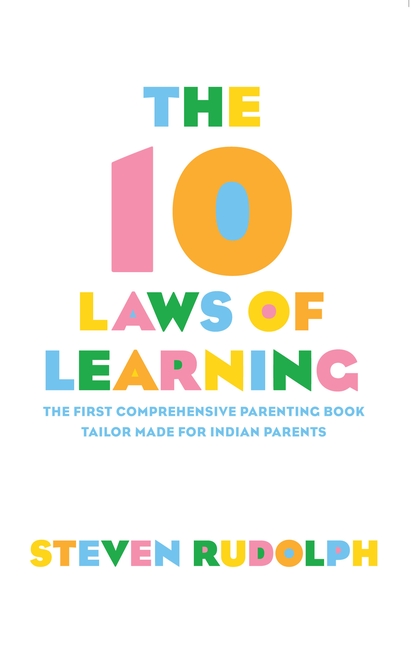
The 10 Laws of Learning by acclaimed educationalist Steven Rudolph is just the book you need. In ten steps, Rudolph teaches you how to help your child excel in life. Not only that, now you can train your children out of problem behaviours—watching too much TV, not doing homework on time, disobeying parents in public, using foul language, not eating properly and much more. Peppered with relevant examples and keen insight, it is the perfect guide to create a superior learning environment for our child. Now parents, teachers, principals as well as children themselves don’t need to look far. Just follow the magic mantra, The 10 Laws of Learning and experience the difference.
Modern Spice
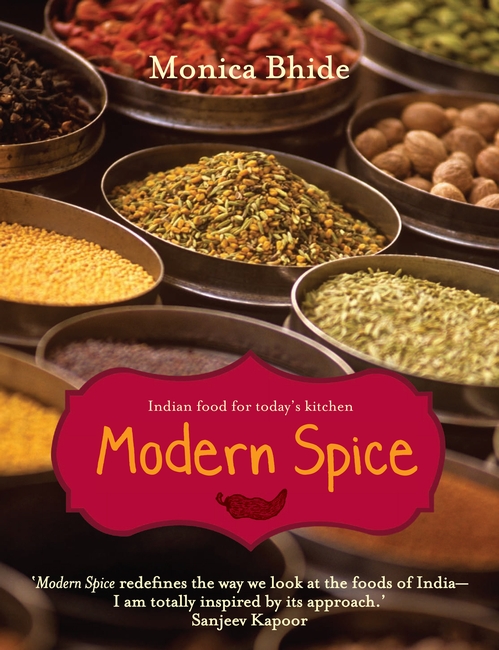
Guava Bellini. Lamb chops with a fennel and coriander crust. Masala pop corn. Crab tikkis. Chicken in mint and ginger. Tamarind margarita. Tomato and basil pulao. Spicy fig yoghurt. Pan-seared eggplant with ginger and honey. Curried carrot soup with paneer. Pista-mirch-dhaniya spread. Lychee phirnis. Achari chicken salad. Mango and champagne granita.
Modern Spice teaches you how to cook Indian food for today’s kitchen, giving you recipes that are quick to make, short on ingredients, and full of global influences. Try an Indian inspired cocktail; soups and salads using masalas; Indian-style stir fries, and fantastic spice combinations for meat dishes. Whether it’s for a quick meal or a stylish party, here are recipes bursting with flavour and originality. Full of passion and mouthwatering ideas, Modern Spice is the most fun you’ll ever
have in your kitchen.
Italian Khana
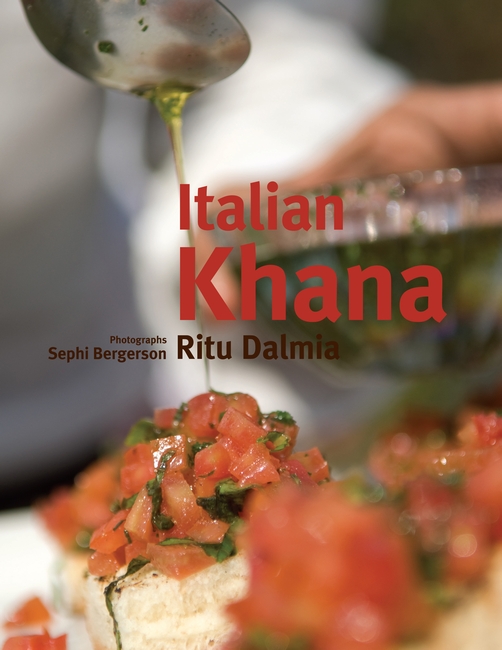
Want to cook Italian food but terrified by the complicated recipes? Exasperated because you can’t find the right ingredients? Wish you could eat chilli with your pasta?
Ritu Dalmia, chef and owner of Diva, Delhi’s most beloved Italian restaurant, teaches you how to cook authentic, delicious Italian food in your kitchen that will have you begging for more. She tells you how and what to cook, from show-off dinner parties to a romantic supper à deux, from sharing your table with friends to cosying up on the sofa watching TV. Ritu writes of how regions in Italy differ in their cooking style, what wine to pair with what food, how to adapt Indian ingredients to Italian cooking, and also provides an updated list of suppliers in all the metros. Stylishly designed, with stunning photography, Italian Khana will be your guru and best friend in the kitchen.
Cinnamon Club
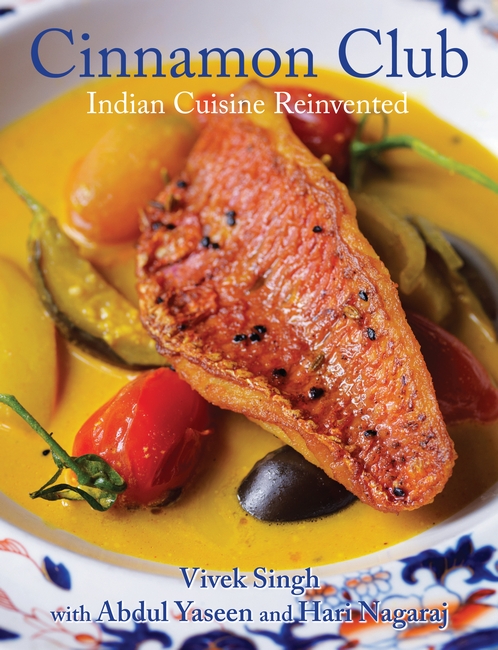
Here is food that is refined, inventive, and full of startling flavours: sandalwood infused tandoori chicken breast, king prawns with saffron almond sauce, clove smoked roast rump of lamb with corn, asparagus, curried avocado and beetroot salad, Hyderabadi style aubergine steaks with coconut rice, roganjosh pie, pan seared Kolkata betki with bottle gourd stir fry and fenugreek sauce, steamed mango idlis with wild berry sorbet, saffron poached pear with cinnamon ice cream.
A fresh, glamourous, and utterly creative approach, Cinnamon Club blends western techniques and presentation with the best of traditional Indian cuisine. Beautifully designed and photographed, it will become an instant classic and a book that will inspire many extraordinary meals.
Baulsphere

Freewheeling Mimlu Sen lives in Paris, where one day she witnesses an electrifying performance by three Bauls, mystic minstrels from Bengal, who spin like pillars of dust. Their music inspires her to return to Calcutta, and to go on an extraordinary journey with one of them, Paban Das Baul, from her respectable home in the city to his humble village, and further on, into the verdant Bengali countryside that is their common heritage.
Paban takes Mimlu through the itinerant Baul’s route—from the festival at Kenduli with its marathon performances, to tranquil Shantiniketan, where Bauls frequently stop en route and disrupt quotidian life; Agrodwip, deep in the Vaishnava world, to Nabasana, where mesmerizing guru Hari Goshain presides over Baul games and ultimately, her initiation; and to Boral, where she holds her own big Baul festival, a mahatsava. Along the way, she encounters tantrics and tribals, exorcisms and witch sightings, catfish that climb trees and esoteric sexo-yogic secrets—and she falls in love.
Baulsphere takes you into the heart of rural Bengal, and into the fascinating world of the Bauls. Passionate, enthralling and searingly lyrical, it is a stunning book.