



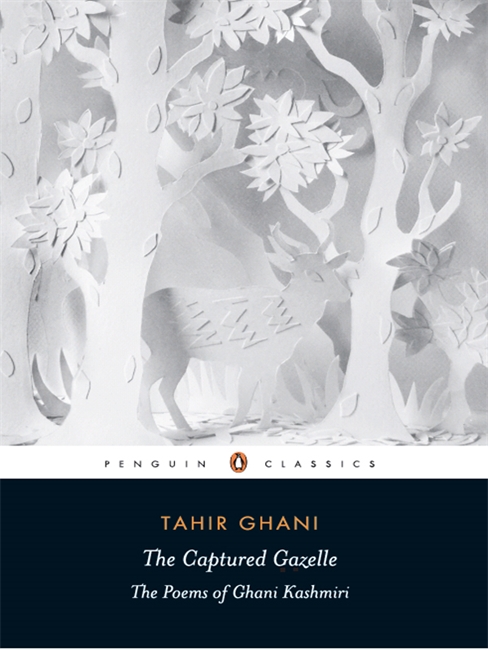
Every moment it seeks to slip from the mind’s nook
Fresh poetic meaning is a gazelle to be captured
The Captured Gazelle is an elegant and lucent translation of the poems of the seventeenth-century Persian poet Mulla Tahir Ghani, better known as Ghani Kashmiri. Eulogized by poets such as Mir and Iqbal, Ghani is an outstanding representative of sabk-e-Hindi or the ‘Indian style’ in Persian poetry, which became a hallmark of the Mughal-Safavid literary culture.
The introduction situates Ghani against his unique background in which Iranian and Indian poetic cultures came together to create a glorious literary age in Kashmir, while the translations capture Ghani in his wide spectrum of moods-satirical, playful, self-pitying, pessimistic, mystically resigned-bringing alive his wit and ingenuity in a modern idiom without losing hold on the tone.
Catagory: Non Fiction
non fiction main category
Return To Bhanupur
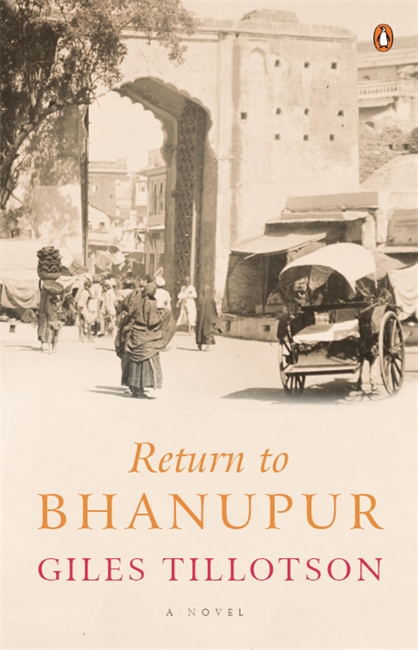
‘It is the first duty of kingship to be as the people wish to see me.’
This fictional account of events in the court of the princely state of Bhanupur, a hundred years ago, is a tale of intrigue, politics and image-building. What was going through the mind of Maharaja Amar Singh II in the key moments of his reign? How much did he rely on the advice of his clever prime minister Chatterjee, the wily Bengali? How did he solve sensitive issues like undertaking a voyage across the seas to attend the coronation ceremony of the British king, without polluting his caste? And what were his relations with the British—especially with Dr Constable and the architect Colonel Talbot, employed by his court? As the narrative moves towards its tragic conclusion, the characters’ innermost convictions are laid bare
The Nowhere Man
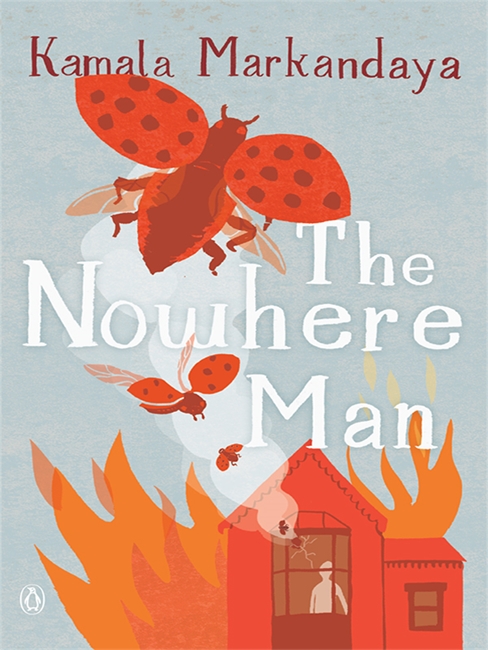
Srinivas, an elderly Brahmin, has been living in a south London suburb for thirty years. After the death of his son, and later of his wife, this lonely man is befriended by an englishwoman in her sixties, whom he takes into his home. The two form a deep and abiding relationship. But the haven they have created for themselves proves to be a fragile one. Racist violence enters their world and Srinivas’s life changes irrevocably—as does his dream of England as a country of tolerance and equality.
Kamala Markandaya was one of India’s most politically acute and prescient novelists. In this troubling and compassionate story, originally published in 1973, she foreshadows many of the issues of diaspora and race that we face in today’s world.
Leela

Leela Naidu was listed as one of the five most beautiful women in the world by Vogue magazine. But she was much more than that. She was the fine-boned, haunting face in Hrishikesh Mukherjee’s Anuradha, in Merchant-Ivory’s The Householder and in Shyam Benegal’s Trikaal. She was the woman who refused to sign Raj Kapoor’s films four times, and the actor who asked for a script long before the phrase ‘bound script’ became Bollywood cliché. Jean Renoir taught her acting and Salvador Dali used her as a model for a Madonna. Leela was married, the mother of twins and divorced before she was twenty. Later, she was Dom Moraes’s muse, his unpaid secretary, his best friend and, when he was interviewing Indira Gandhi, his translator (interpreting ‘his mumbling questions’). Through this time she also edited magazines and dubbed Hong Kong action movies, was Kumar Shahani’s first producer, and when JRD Tata wanted a film on how to use the washroom on a plane, she made it for him. A Patchwork Life is a memoir that is charming, idiosyncratic and a window to a world of Chopin, red elephants, lampshades made of human skin, moss gardens and much more: a world where a naked Russian count turns up in a French garden, plush hotels offer porcupine quills as toothpicks and an assistant director sends his female lead an inflatable rubber bra. Leela’s life was about ‘staying in the moment’. Everyone who met her has a Leela Naidu story. This is her version
Achieve Your Highest Potential
We all have an underlying desire to achieve more than what we already have, but something stops us from moving forward. We’ve all looked at more successful, happier people than us, and wondered what we are doing wrong.
• Why is it that we feel unable to progress any further?
• What is that always stops us from being the best that we can be?
Written by a columnist and lifestyle coach, Chitra Jha, Achieve Your Highest Potential, is a step by step guide to set you on your personal growth plan. It will help you to break all the barriers and be the success you should be
Difficult Pleasures
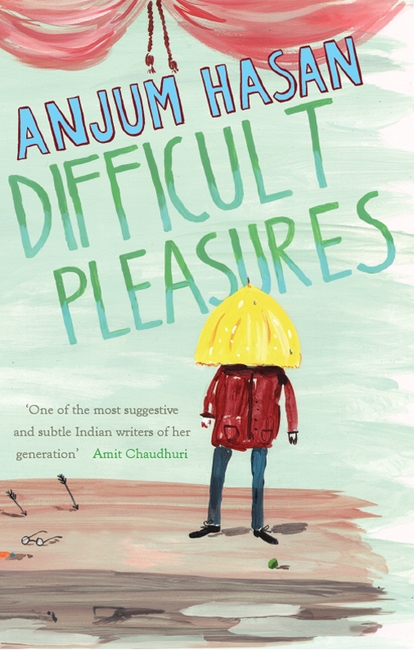
A solitary economist drives across Europe to try and redeem a tragedy; a boy fervently hopes his father will not miss his appearance in a school play; a girl sits alone in a deck chair in Goa, frightened by what she has done; a village boy leaves school for the bright lights of bangalore; a man tries to stop time. Wry, tender, borderline surreal, Difficult Pleasures is a collection of stories about the need to escape and the longing to belong. Accomplished, ambitious and full of surprises, this is a masterful collection and it confirms anjum Hasan’s reputation as one of India’s most gifted young writers.
Becoming Indian
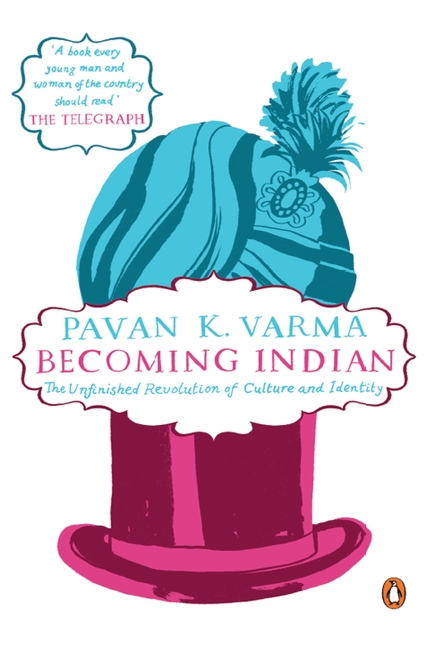
What are the consequences of Empire? Do they ever fade? In this follow-up to his bestselling book Being Indian, Pavan K. Varma takes a long hard look at our cultural psyche, sixty years after India’s political liberation from Western colonial masters. Examining modern history, contemporary events and personal experience, he demonstrates, with passion, insight and impeccable logic, why India, and other formerly subject nations, can never truly be free-and certainly not in a position to assume global leadership-unless they reclaim their cultural identity.
Breaking Out
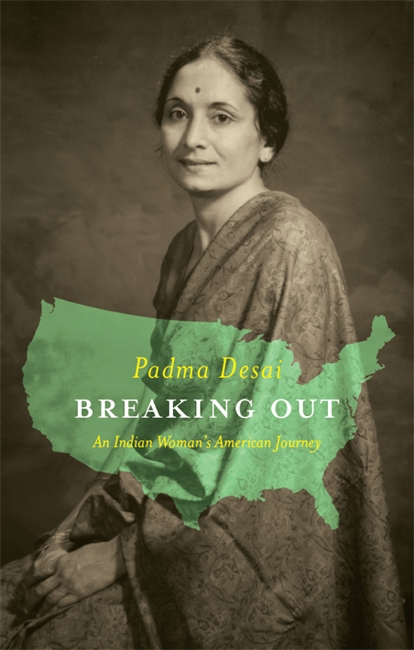
Padma Desai grew up in the 1930s in the provincial world of Surat, where she had a sheltered and strict upbringing in a traditional Gujarati Anavil Brahmin family. Her academic brilliance won her a scholarship to Bombay University, where the first heady taste of freedom in the big city led to tragic consequences-seduction by a fellow student whom she was then compelled to marry. In a failed attempt to end this disastrous first marriage, she converted to Christianity.
A scholarship to America in 1955 launched her on her long journey to liberation from the burdens and constraints of her life in India, with a growing self-awareness and transformation at many levels, as she made a new life for herself, met and married the celebrated economist Jagdish Bhagwati, became a mother, and rose to academic eminence at Harvard and Columbia.
How did she navigate the tumultuous road to assimilation in American society and culture? And what did she retain of her Indian upbringing in the process? This brave and moving memoir, written with a novelist’s skill at evoking personalities, places and atmosphere, and a scholar’s insights into culture and society, community and family, tells a compelling and thought-provoking human story that will resonate with readers everywhere.
Nick Of Time
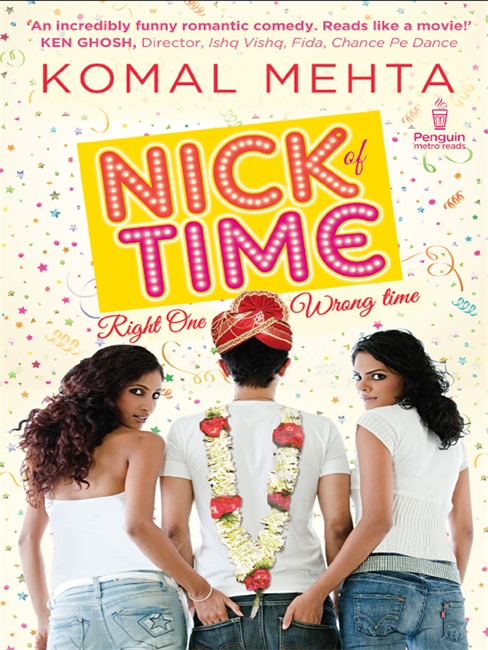
Alehya is back in Chandigarh after ten years to attend her childhood friend, Shagun’s wedding. However, her plans are rudely interrupted when she finds out about the man Shagun is going to marry.
Vicky, is a sorted guy who knows exactly what he wants in life. His decision of marrying Shagun has the approval of everyone who means a lot to him-everyone, except Shagun’s best friend, Alehya.
Shagun is excited about getting married to Vicky. This fulfills her childhood dream of marriage. But with her best friend and future husband being childhood frenemies, will things go by without a hitch?
As the wedding draws near, Shagun, Vicky and Alehya grapple with issues of love, confusion and guilt to discover what their heart truly desires.
They have to make life altering decisions, in the Nick of Time, before time runs out on them and the life of their dreams!
Taking Issue And Allah’s Answer
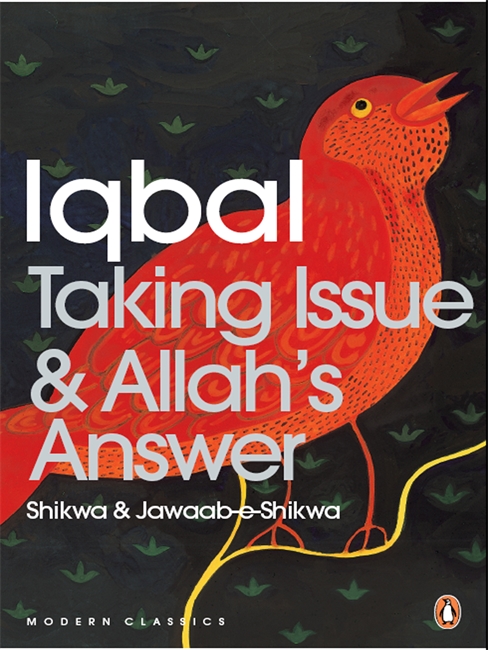
When Muhammad Iqbal first recited Shikwa (Taking Issue) in 1909, his audience was enraged by his effrontery. Iqbal, in his lament, took issue with Allah directly, audaciously implicating Him for the sorry state of Muslims worldwide and ruing the lost glory of Islam. In recompense, Iqbal composed Jawaab-e-Shikwa (Allah’s Answer) in 1913. Here, Allah responds to the poet, first berating his community, then offering hope for Islam in the world. Iqbal’s mellifluous words greatly assuaged those angered earlier. Over time, the poems have found their place in the canon of South Asian literature, and, through recitation, repetition and selective use, have forwarded a variety of agendas in the subcontinent.
In this elegant translation by Mustansir Dalvi, these classics by the most influential poet of his generation come alive once again in a language that is contemporary and immediate.