



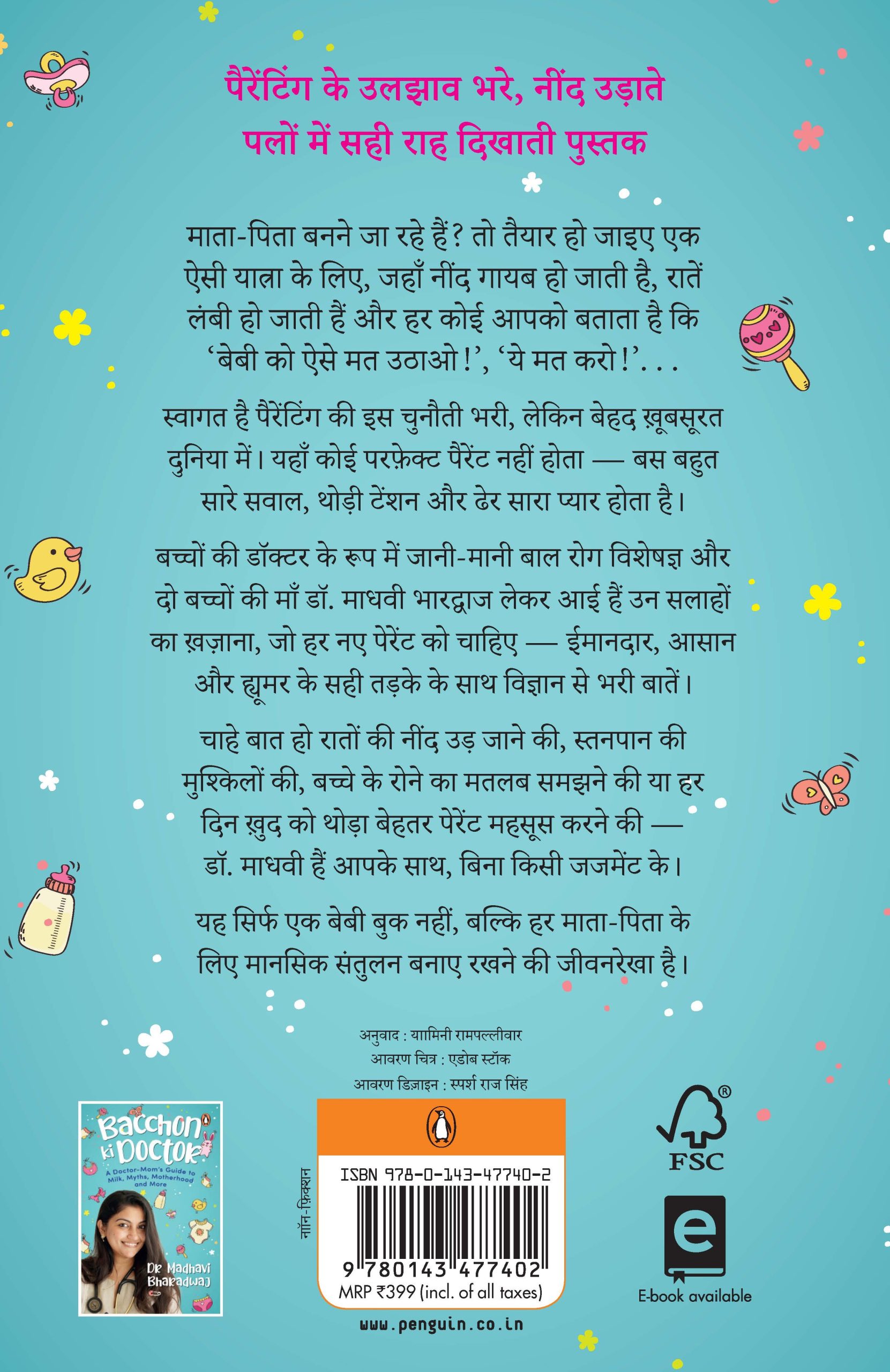
बच्चों की डॉक्टर में, बाल रोग विशेषज्ञ और लोकप्रिय पेरेंटिंग विशेषज्ञ डॉ. माधवी भारद्वाज आपको वह मार्गदर्शिका देती हैं, जिसकी हर नए माता-पिता को तलाश रहती है—ईमानदार, व्यावहारिक, विज्ञान-आधारित, और उसी हास्य से भरपूर जिसने उनके इंस्टाग्राम को लाखों माता-पिताओं के लिए एक भरोसेमंद ठिकाना बना दिया। स्तनपान की चुनौतियों से लेकर नींदहीन रातों तक, रोने के अर्थ समझने से लेकर डायपर विस्फोटों से जूझने तक—डॉ. माधवी आपके बच्चे के पहले वर्ष की यात्रा में सहानुभूति और बिना किसी निर्णय के आपका साथ देती हैं। इसे ऐसे समझें, जैसे किसी ऐसी डॉक्टर की सलाह जो खुद एक माँ होने के अनुभव से भी गुजरी है। सच्ची, समझने योग्य और भरोसा जगाने वाली यह किताब सिर्फ एक “बेबी बुक” नहीं, बल्कि दुनिया भर के माता-पिताओं के लिए मानसिक संतुलन बचाने वाली एक साथी है।
Catagory: Non Fiction
non fiction main category
Pursuit of Purpose
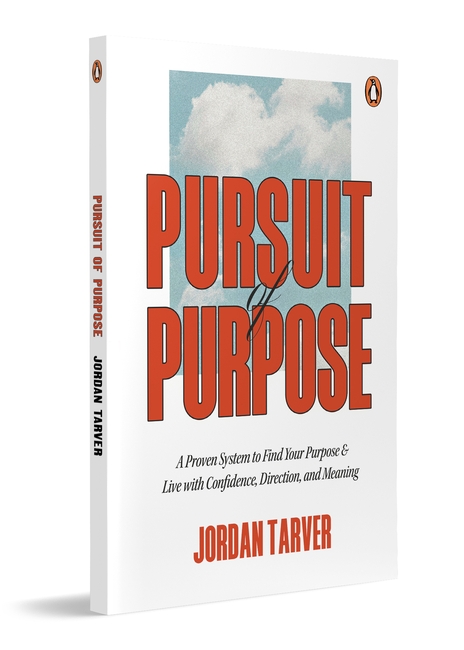
Are you tired of feeling lost and unfulfilled in life? Do you feel empty inside but know there’s more out there for you?
Pursuit of Purpose reveals a powerful, research-backed framework to find your purpose in 30 days. The accompanying workbook (sold separately; see series on Amazon) provides a structured, 30-day plan that makes the process practical and actionable, empowering readers to achieve deeper fulfillment in life.
In this book, you’ll discover a simple step-by-step process to find your purpose and learn how to:
- Fill the emptiness you feel in your life
- Understand who you truly are and why you were born
- Find a sense of direction that creates meaning and fulfillment
- Stop the self-sabotage that’s stealing your life
- Identify your strengths and skills to live a valuable life
- Determine the core values that empower you to live a purposeful life
- Overcome the self-limiting beliefs that are dimming your light
- Make your purpose the heartbeat of your existence
Purpose plays a significant role in our mental health and overall well-being. When you have a strong sense of purpose, you overcome anxiety, worry, stress, and frustration.
While many people say finding their purpose is a major priority, most are stuck wondering how to find it.
This is why Jordan Tarver created Pursuit of Purpose. He believes finding your purpose doesn’t have to be confusing and wanted to create a process that makes creating your dream life enjoyable.
Your purpose is the most influential piece of information you can access, and Pursuit of Purpose is one of the fastest ways to find it.
Matsya Purana Vol 1
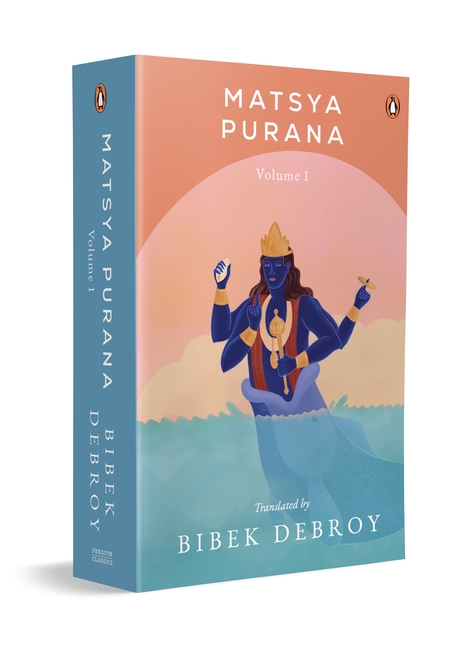
The Matsya Purana (volumes 1 and 2) are the tenth text among the eighteen Maha Puranans that constitute one of the most sacred of ancient Hindu texts. Based on the matsya (or fish) avatar of Lord Vishnu, this Purana is generally considered to be one of the oldest and can be dated to 200 to 500 CE.
In Bibek Debroy’s detailed and rigorous translation the Matsya Purana comes to life for readers—a rare gift from one of the masters of Sanskrit literature.
The other books in the Purana series include the Bhagavata Purana, Brahma Purana, Markandeya Purana, Brahmanda Purana, Vishnu Purana, Shiva Purana and the Kurma Purana.
Swami Vivekananda
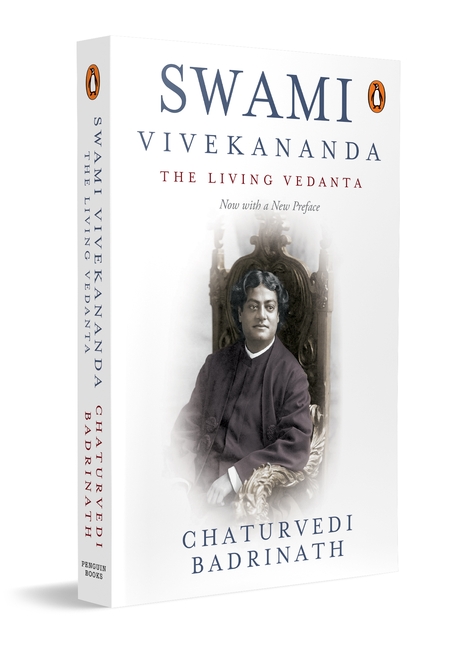
The Vedanta was an inseparable part of Swami Vivekananda’s personality. He lived and breathed this philosophy while preaching it to India and the west. While Vivekananda’s landmark address at the Parliament of Religions in Chicago in 1893 established him as modern India’s great spiritual leader, his popularity and appeal is attributed to his ability to integrate his human side with his profound spiritual side.
In this beautifully written biography, Chaturvedi Badrinath liberates Vivekananda from the confines of the worship room and offers an unforgettable insight into the life of a man who was the very embodiment of the Vedanta that he preached.
The Little Prince
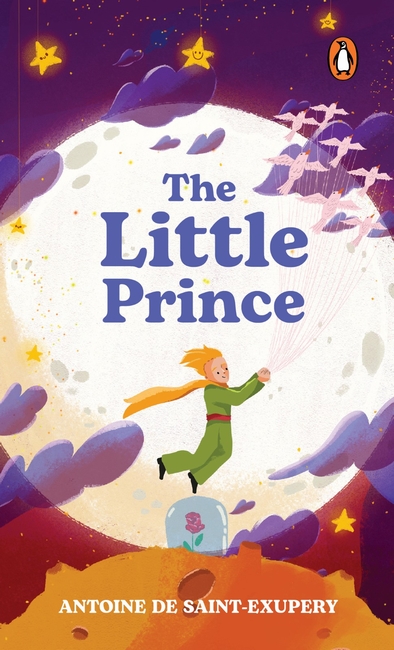
“It is only with the heart that one can see rightly; what is essential is invisible to the eye.”
Come along with the Little Prince on a magical adventure through the stars! This sweet story follows a young prince as he travels to faraway planets and meets all kinds of funny, quirky characters. Each planet is like a little world with its own surprises, teaching the Little Prince about friendship, love, and caring for others.
With beautiful words and gentle pictures, The Little Prince is a fun and heartwarming tale that shows kids and grown-ups alike how to find joy in the things that matter most, like kindness and love, which you feel in your heart. Perfect for anyone who loves stories full of wonder and imagination!
This classic tale continues to enchant readers of all ages, and open their hearts to the beauty of the world around us. Beneath its whimsical surface lies a profound message about innocence, imagination, and the importance of caring for what you love.
Whether you’re rediscovering it as an adult or reading it for the first time with a child, The Little Prince remains a story of eternal truth and tenderness—a celebration of wonder that never fades.
Perfect for fans of Winnie the Pooh, Alice in Wonderland, and timeless tales that speak to both heart and mind.
Relativity
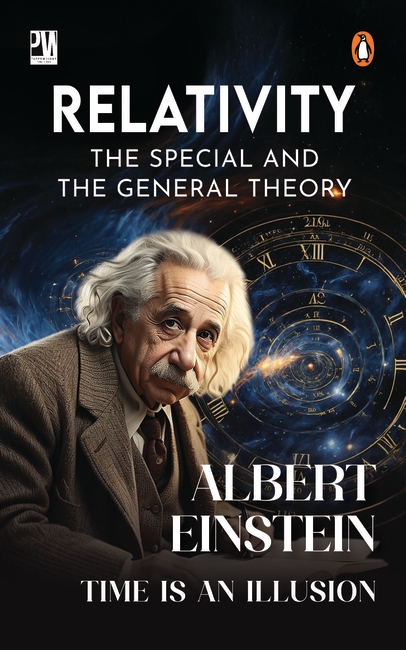
“If you’ve never done anything wrong it’s probably because you have never tried anything new.”
In 1905 and 1915, Albert Einstein published two theories that revolutionized our understanding of space, time, and the very fabric of reality. His special and general theories of relativity dismantled Newton’s absolute universe and revealed a cosmos where time dilates, space contracts, and massive objects bend the geometry of spacetime itself.
This volume presents Einstein’s groundbreaking papers in their historical context, alongside his own accessible
explanations written for the general public. From the famous equation E=mc² to the prediction of black holes
and gravitational waves, these works established the theoretical foundation for modern physics and cosmology.
Einstein’s insights into the nature of light, gravity, and motion continue to guide scientific discovery more than a century later, from GPS satellites to particle accelerators to the detection of ripples in spacetime itself.
Both a monument to human intellectual achievement and a surprisingly readable introduction to concepts
that changed everything we thought we knew about the universe, Relativity remains as relevant today as when it first shattered our assumptions about reality.
For readers of Stephen Hawking’s A Brief History of Time, Richard Feynman’s Six Easy Pieces, or Carl Sagan’s Cosmos, Einstein’s Relativity provides a foundational exploration of space, time, and gravity. Unlike popular science books that summarize theories secondhand, this edition presents Einstein’s own explanations, combining historical context, conceptual clarity, and profound insight into the nature of the universe.
Becoming an Artist: How to Make Art Like a Human by Embracing Failure, Discovering Your Creative Voice and Finding Joy in the Process
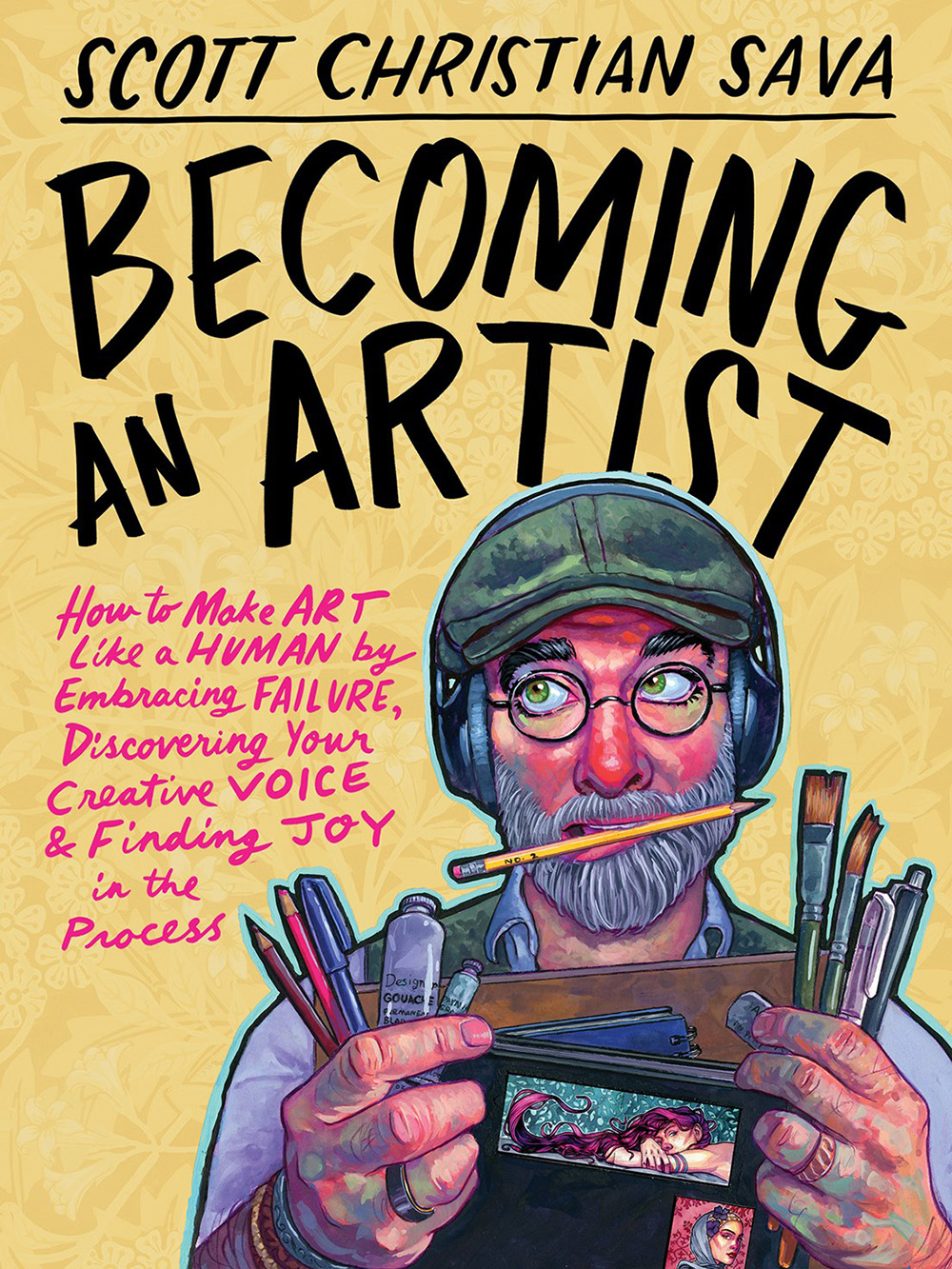
From the internet’s “art dad”: an encouraging and inspiring guide for artists of all levels to embrace failure, overcome self-doubt, and rediscover the joy of creating art.
Is there such a thing as cheating in art? No.
Am I too old to start making art? Of course not.
Will I ever like my art? Yes. Eventually. But not always (it’s complicated).
Can my art ever get better? Yes. But with practice (and a lot of patience).
If I become an artist, will I be rich? What? No. Who’s asking these questions???
With the inviting nature of Bob Ross and the kindness and empathy of Mister Rogers, Scott Christian Sava has become the internet’s “art dad” to over four million artists (young and old) around the world. But this is not a book about how to hold a pencil. Or how to draw a superhero. Or how to break into the art world (although we do talk about that a little). It’s about how we can enjoy the process of making art and let go of perfection and self-doubt and the fear of failure by learning to be okay with where we are on our own individual artistic journey. That art is all about experimentation, failing, and trying again.
Becoming an Artist is part encouragement, part storytelling, part sketchbook. Filled with art, stories, silly tangents, hard-won wisdom, and over 50 black-and-white watercolor illustrations, all created during a very hectic week in New York City.
Whether you’re a total beginner, a burned-out pro, or someone who hasn’t made art since middle school, this book is your permission slip to just make stuff. To be weird. To be imperfect. To be human.
Dr. Cuterus Hindi / डॉ. कयुट्रस

इससे कोई फ़र्क नहीं पड़ता कि हमारे पास कैसे अंग हैं, हमारी टाँगों के बीच ये प्राइवेट पार्ट्स अकसर हमारे मन में. . . कई भावनाएँ और सवाल पैदा करते हैं। क्या यह ठीक साइज़ का है? क्या यह बहुत बड़ा है? यह इतना काला क्यों है? और इस पर इतने बाल क्यों हैं? बच्चे कैसे पैदा होते हैं? पीरियड्स के समय दर्द क्यों होता है?
जैसा कि जॉन मेयर ने बहुत ख़ूबबसूरती से गाया है. ‘योर बॉडी इज़ ए वंडरलैंड’, लेकिन कामसूत्र की धरती पर हम अकसर यही भूल जाते हैं। शब्द जैसे वेजाइना, क्लिटोरिस, पीनिस और स्क्रोटम जैसे लोगों में उलझन और शर्मिंदगी पैदा करते हैं। शायद आप में भी, प्रिय पाठक?
हालाँकि, बॉडी सबके पास होती है? लेकिन कोई इसके बारे में बात नहीं करना चाहता। ख़ासतौर पर प्राइवेट अंगों का तो कोई नाम तक नहीं लेना चाहता। इतनी रोक-टोक शर्म के बीच, हमारे पास ऐसी कोई जगह नहीं, जहाँ अपने शरीर के बारे में हम कुछ समझ और सीख सकें। अपने शरीर के साथ हमारा रिश्ता टेक्निकलर होने के बजाय, एक बोरिंग ब्लैक एंड व्हाइट प्रोडक्ट बनकर रह जाता है।
बस, इसी जगह यह पुस्तक काम आती है—वैज्ञानिक, मज़ेदार और आसानी से समझ में आनेवाली गाइड की तरह सबकुछ बतानेवाली कि ‘अंदर क्या है’ या ‘बाहर क्या है’। आपकी चिंता चाहे जो भी हो, डॉ. क्युट्र्स आपको सब बताने के लिए हाज़िर है।
The Sea and the Horizon
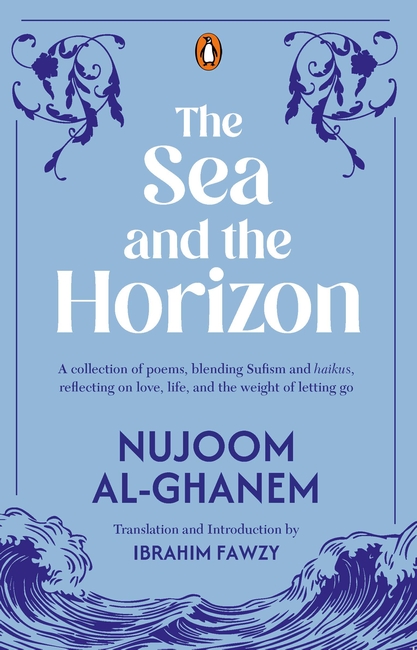
The Sea and the Horizon, is a fascinating mosaic of memory, grief, beauty, and longing through the distilled elegance of Zen-inflected poetry. Inspired by Japanese haikus, this collection traverses the spiritual and emotional landscapes of the self and the world, where each poem becomes a corridor opening onto the different waves of feelings bought by life.
The collection is divided into five poetic seasons— Season of the Cold Winds, Season of the Cherry Blossom, Season of the Sweltering Heat, The Season of Hiding, and The Season of Crying. From the flush cherry blossoms and the ache of autumn leaves to the salt-heavy winds of loss, Al-Ghanem’s haikus carry the reader through the unceasing rhythms of time and tenderness.
Love echoes in each fragment, each image—a heron in stillness, a shadow over sand, and a single cloud “guarding the ocean”—they become a vessel for vast, unspoken emotions. Translated with remarkable sensitivity by Ibrahim Fawzy, the poems shimmer with minimalist intensity while evoking a profound emotional experience—solitude, nostalgia, rage, reverence, hope, and the weight of letting go. Al-Ghanem’s voice is intimate and gentle, as if whispering directly into the soul.
Filled with quiet storms, this is a book for anyone who’s ever waited by the window for a letter that never came. The Sea and the Horizon offers solace, reflection, and luminous companionship.
The Arthashastra
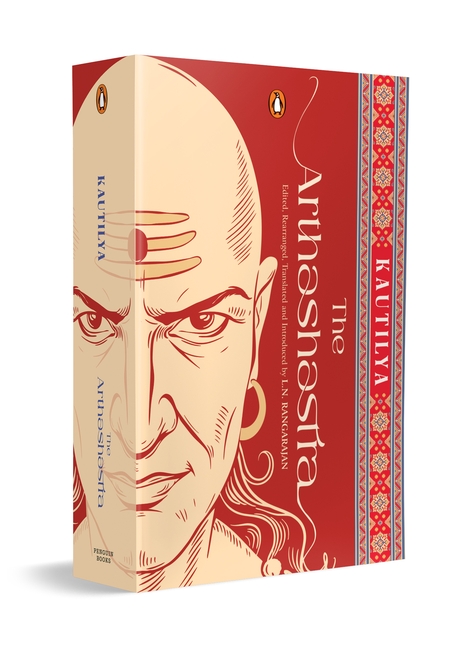
An extraordinary detailed manual on statecraft and the science of living by one of classical India’s greatest minds; Kautilya; also known as Chanakya and Vishnugupta; wrote the Arthashastra not later than 150 AD though the date has not been conclusively established. Legend has it that he was either a Brahmin from Kerala or from north India; however; it is certain that Kautilya was the man who destroyed the Nanda dynasty and installed Chandragupta Maurya as the King of Magadha. A master strategist who was well-versed in the Vedas and adept at creating intrigues and devising political stratagems; Kautilya’s genius is reflected in his Arthashastra which is the most comprehensive treatise of statecraft of classical times.
The text contains fifteen books which cover numerous topics viz.; the King; a complete code of law; foreign policy; secret and occult practices and so on. The Arthashastra is written mainly in prose but also incorporates 380 shlokas.
Artha; literally wealth; is one of four supreme aims prescribed by Hindu tradition. However; it has a much wider significance and the material well-being of individuals is just a part of it. In accordance with this; Kautilya’s Arthashastra maintains that the state or government of a country has a vital role to play in maintaining the material status of both the nation and its people. Therefore; a significant part of the Arthashastra has to do with the science of economics. When it deals with the science of politics; the Arthashastra describes in detail the art of government in its widest sense-the maintenance of law and order as also of an efficient administrative machinery.