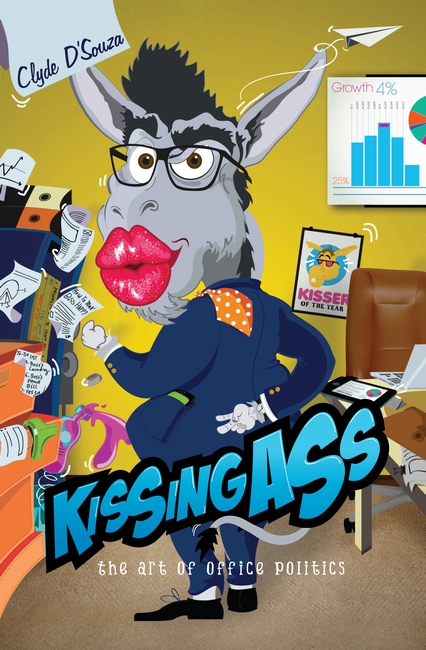
Some people can kiss ass naturally, some can’t do it to save their lives, and many just don’t know how!
Kissing Ass: The Art of Office Politics is a no-bullshit, jargon-free, non-sloppy guide that breaks down typical workplace situations and offers you not textbook advice but real sucking-up solutions to them. From nervous first days to elated farewell mails, Kissing Ass gives you tips and tricks on how to act, react, or play dumb as per the scenario. Learn different types of ego massage techniques, what to say to the CEO in the loo, how to reply to work emails over weekends, and, yes, even how to deal with sex at work! So polish your corporate lips, pucker up, and get ready to kiss your way to success.
Catagory: Non Fiction
non fiction main category
The Valmiki Syndrome
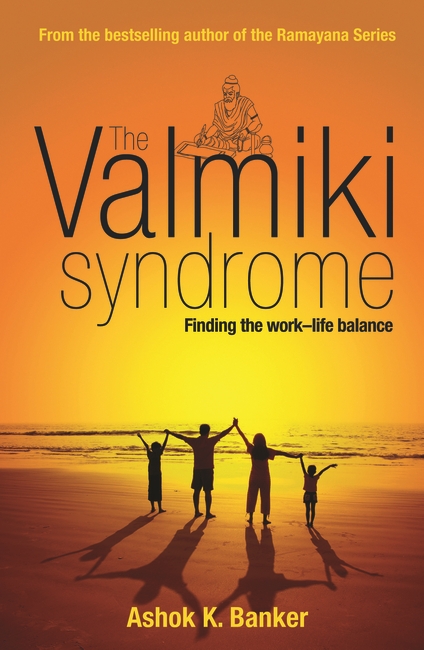
Maxing our career is our ‘dharma’ in this age of Kali. But at what cost?
Working parents don’t see enough of their children, couples barely spend time with each other, young men and women become strangers to their families and friends. And here’s the irony–most of us mention our families and loved ones as the main reason for why we strive towards success, without realizing that we stand to lose them in this very quest.
So how do we strike a balance between our careers and our families?
In his first major work of non-fiction, bestselling author Ashok K. Banker goes back to Puranic sources to address this question. He writes of Ratnakaran the bandit, who made a living out of killing and looting to support his family, and his transformation into Valmiki, the sage. Using his story and contemporary stories from today, he shows us how they contain the answers to today’s most pressing issue: how to prioritize, manage, and enhance our personal as well as professional lives.
Insightful, thought-provoking, and utterly inspiring, The Valmiki Syndrome is a map to the most elusive treasure of modern existence–personal fulfilment.
Because I Am A Girl

Because I Am a Girl is a collection of seven stories of seven girls from different parts of India who fought with their situation and tried to empower themselves. With an Introduction by Govind Nihalani and written by personalities from all walks of life—writers, actors, artists, and TV stars—the stories try to capture their struggles, their dreams, and how they keep hope alive in their lives.
• Anjum Hasan visits a village in Bharatpur, Rajasthan, where young girls are forced to become sex workers.
• Pooja Bedi goes to Lucknow and meets a woman who gets an ultrasound done but then decides against killing her unborn baby girl.
• Meenakshi Reddy Madhavan travels to Hyderabad where she meets a young girl who comes to the city, learns data entry and finds herself a job.
• Shahana Goswami meets a young school drop-out who has done a beautician’s course, and plans to set up her own parlour.
• Namrita Bachchan tells the story of a young girl who sells vegetables in the male-dominated Delhi’s Govindpuri sabzi mandi during the wee hours of the morning and then learns to read and write during the day.
• Nafisa Ali Sodhi writes about a young girl in Delhi, who works as a rag picker but is a bright young student.
• Aditi Rao Hydari encounters a woman whose husband died of tuberculosis and who is training to be a nurse now while being an apprentice in a hospital.
The Sly Company Of People Who Care
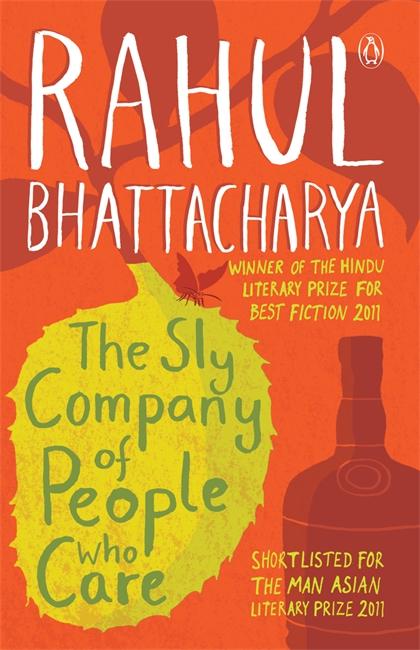
When a young Indian journalist quits his job to take a year off in Guyana, he discovers a country of epic indolence, lush rainforests and an array of characters . Among the motley crowd of seasoned rogues, Samaritans and ideologues, people trying to escape or accept their colonial legacies, he falls for Jan, a girl who transports him to a new place-within himself and in the world. Acute and lyrical, this brilliant first novel is one of the finest literary achievements to come out of the subcontinent in the last decade.
Sachin
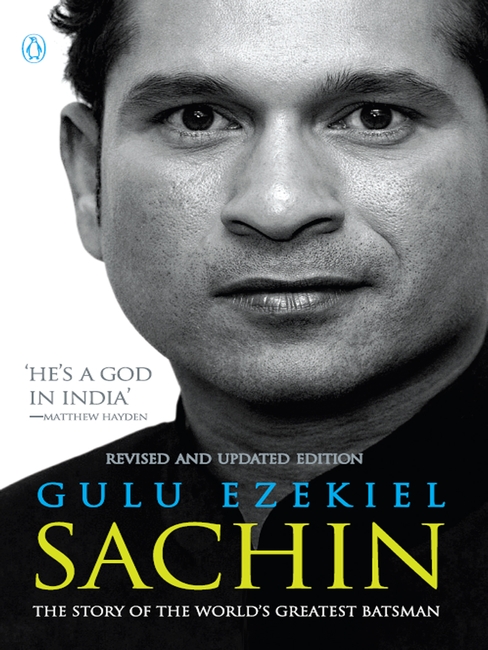
At the young age of 17, Sachin Tendulkar earned the title of being the second youngest man to score a hundred runs in international cricket. Sachin: The Story of The World’s Greatest Batsman is a book that traces the life and achievements of this individual, who is hailed as being the finest batsman in the world. He has made more than 33,000 runs in international cricket, which is the highest number of runs to be scored by any cricketer. He also has a total of one hundred international centuries in his kitty as well.
The author of this book provides a stunning account of the life of the best sportsperson in the world. The book gives its readers insight into the passion that Sachin had for the game, right from the time when he was very young, right till the time he stepped into superstardom.
Sachin: The Story of The World’s Greatest Batsman gives you details concerning Sachin’s life, which you have never known before. The book also highlights the matches that changed the course of Sachin Tendulkar’s career, making him what he is today.
Sachin: The Story of The World’s Greatest Batsman has been published by Penguin India, in the year 2012 and is available in paperback.
Pundits From Pakistan
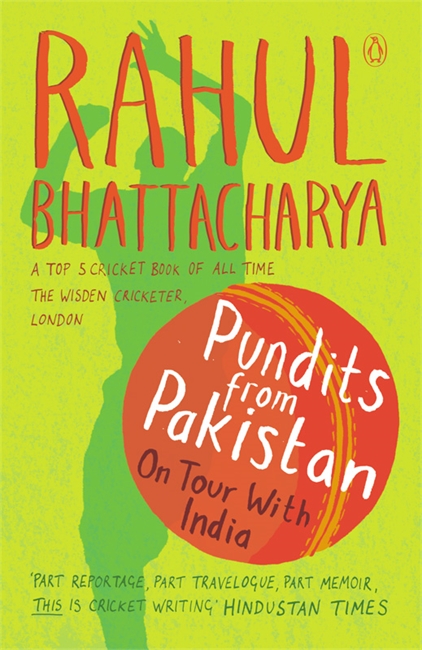
In 2004 the Indian cricket team headed to Pakistan to play a historic series. Accompanying them was young cricket reporter Rahul Bhattacharya. The mood was tense, with political provocations and security fears. But as the archrivals met on the field, a rare spirit of bonhomie spread throughout the tour. And in streets and homes in Lahore, Karachi, Peshawar, Multan, the author had many warm human encounters that made the tour unforgettable. This book vividly brings alive the magic of cricket, even as it chronicles an emotional and hopeful time, witnessed by a young Indian discovering Pakistan.
The Mainland China Cookbook
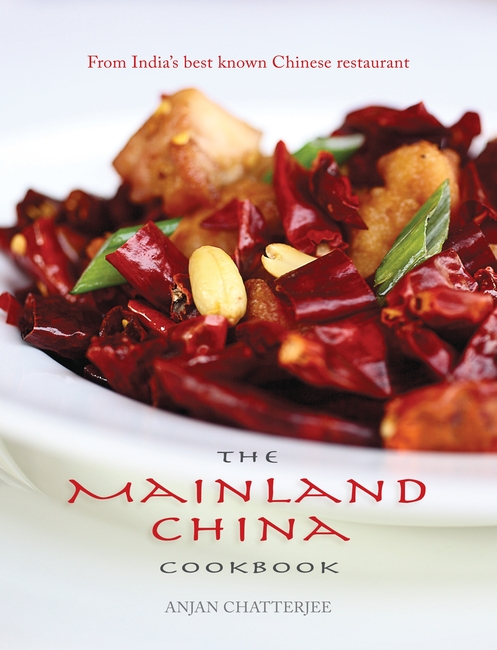
The Mainland China Cookbook includes all the beloved restaurant chain’s favourite dishes and teaches you how to whip up the perfect Chinese meal in your kitchen. Spicy Hunan prawns, quick fried snow peas with garlic pearls, chicken with chilli and cashewnuts, lamb with cumin, hot and sour soup—try these and more. Accompanied with notes on the main regional styles, techniques and tips for easy cooking, and a list of suppliers in all major metros, The Mainland China Cookbook is the ultimate Chinese cookbook for your Indian kitchen.
My Life

Brett Lee is one of cricket’s most prolific personalities. Recipient of the prestigious Allan Border Medal and a former Test Player of the Year—the blond speedster has amassed over 300 test wickets, and continues to add more feathers to his cap. Tearing in at over 160 kilometres an hour, ‘Binga’ has dented many a helmet and inspired fear in the best batsmen.
My Life is his story—honest, engaging, and laced with charming wit. The book takes you inside the dressing room and sheds light on the highs and lows of the game—the pride of possessing a baggy green, the camaraderie between the boys, superstardom, and the inevitable controversies. It provides a glimpse into the life of one of Australia’s most successful fast bowlers and his love for music, fashion, and above all India.