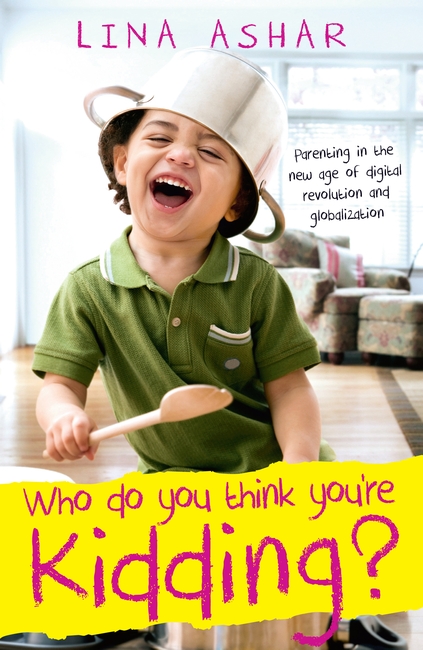
The twenty-first century is a tough place for a child. The competition is razor-edged, the temptations myriad. Gone are the days when children played catch in the neighbourhood, ate what they were given, and went to bed by 9. Now it’s all about staying ahead of the game, being in the know, having the latest gizmos. How does one then raise a happy and well-rounded child amid the pressures of this new age?
In Who Do You Think You’re Kidding? acclaimed educationist Lina Ashar shows you how to:
• prepare your child for a competitive new world by choosing what they want to study
• shift focus from book-based studying to creative higher education
• deal with adolescence
• discover your child’s true potential.
Based on her experiences and research, as a parent and teacher, this book will equip Indian parents with the right tools to guide their children on the right path.

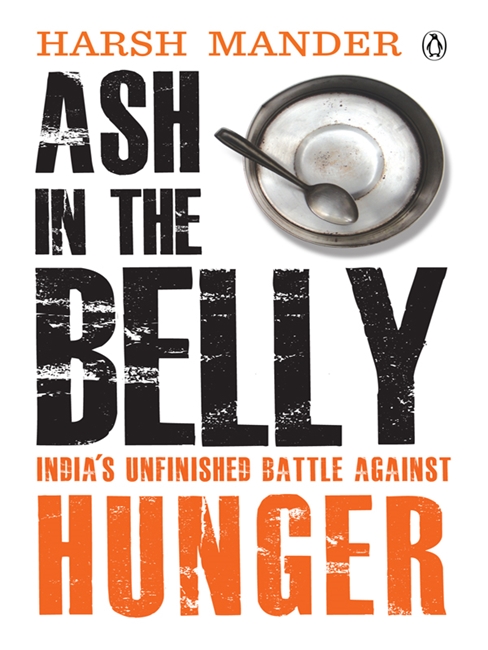
Ash in the Belly is a penetrating account of men, women and children living with hunger, illuminated by their courage in trying to cope and survive. It is simultaneously an investigation into the political economy of hunger whereby one in every two children is malnourished despite the creation of wealth and economic growth. Mander critically examines the increasing economic inequalities, the range of State failures and public indifference, in general, and brings out how they have contributed to creating this grim situation. While doing so, he argues passionately for the passage of a universal right to food law which guarantees food to all persons not as State benevolence but as a legal entitlement.
Sita has been sent to Valmiki’s ashram, at Rama’s command never to return. This extraordinary novel is her story—she who, as much as Rama, is the heart of Ramayana, one of the greatest living epics. It is also the story of Lakshmana, crushed by guilt on Sita’s abduction; of Soorpanakka, shocked at Ravana’s being struck by love, alien to the rakshasas’ code; and of Rama’s turmoil when confronted by public gossip about Sita, his beloved wife. Through the remembrances of these and other characters, Sita comes alive as a figure of womanhood.
Inspired by myriad age-old and culturally diverse retellings, Vayu Naidu creates a rich, deeply moving and original work of fiction, Sita’s Ascent illuminates the physical and emotive landscape of a woman in exile, who crosses the desert of loss and ascends the abyss of abandonment with the power of love that transforms the narrators and the listeners.
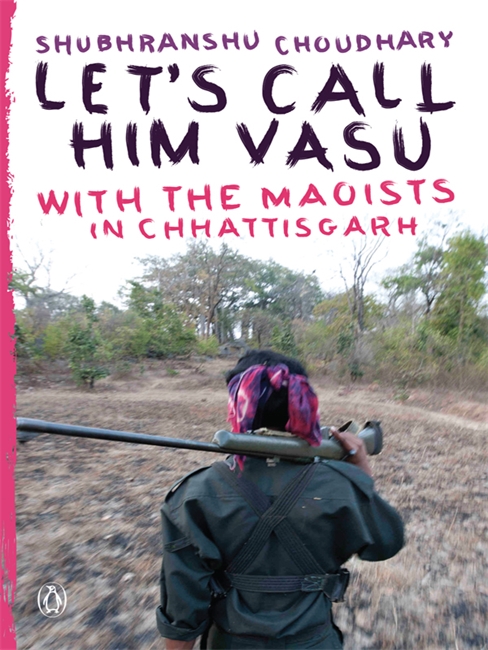
How did Chhattisgarh turn into India’s ‘biggest internal security threat’?
How did it become the epicentre of the Maoist rebellion?
Why did the backbenchers—the quiet adivasi classmates from the author’s school—turn into the nation’s ‘biggest terrorists’?
In this passionate quest to find out what ails the failing heart of India, Shubhranshu Choudhary spent seven years with hundreds of Maoists, asking probing questions at all levels of their hierarchy to meticulously piece together the stories of these hunted men and women. At the centre of this extraordinary account is the enigmatic Vasu—at once comrade and rebel, friend and stranger. By telling his story, Choudhary destroys many stereotypes to flesh out a layered portrait of the misunderstood Maoist, making Let’s Call Him Vasu the most comprehensive and least partisan account of Maoists in recent times.

Rabindranath demands to be quoted for his impressive command over language, his inimitable expressions and, especially, for the keenness of his thought. Tagore s poetry is legion, but his prose writings reflect the way he perceived the world and his involvement in the contemporary debates of his time. Tagore s sharp, analytical, polyglot mind contested mainstream world views even as he maintained a unique position on the fundamental shifts that were occurring in society and politics in the first half of the twentieth century. The Nectar of Life, a collection of pithy quotations from Tagore s prose writings, available in English for the first time, is distilled from his essays, speeches and letters. These musings on a wide array of subjects ranging from literature, nationalism and religion to beauty, happiness and love will delight readers, particularly those who are new to Tagore.
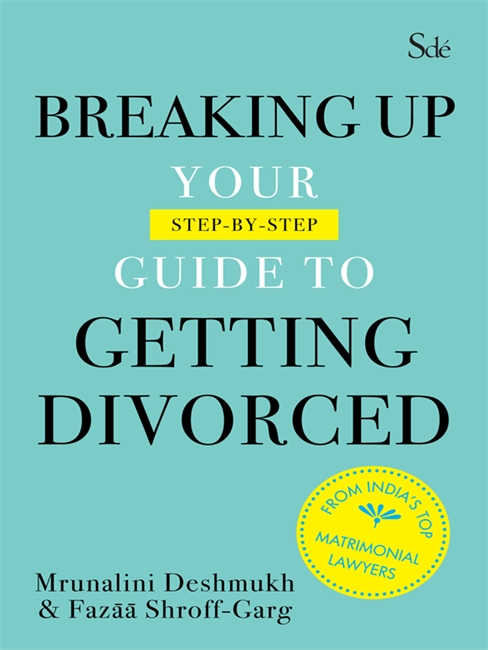
how do i file for divorce in PBI – India?
how do i identify a good lawyer?
what are the grounds on
which i can file for divorce?
what goes into deciding who
gets custody of the children?
how much alimony will i have to pay?
how much does it cost?
Divorce is usually painful and complex. Breaking Up: Your Guide to Getting Divorced answers every question you might have on the subject. Mrunalini Deshmukh is one of PBI – India’s top divorce lawyers, and she and her associates have handled some of the most high-profile cases in the country. Using their twenty years of experience and expertise, they have put together this book on understanding divorce law. Authoritative, simply written and easily accessible, Breaking Up will guide you through the entire process and help you get your life back on track.
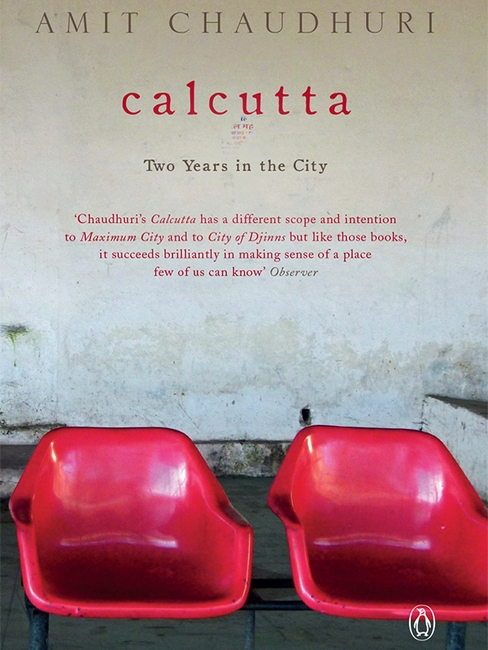
Calcutta is Amit Chaudhuri’s account of two years in the city. Using the 2011 elections as his fulcrum, Chaudhuri evokes all that is most particular and extraordinary about the city-from its houses with their slatted windows to its effervescent cultural life and its pujas and Christmas. He paints too an acute, and often ironic, picture of life in the city today-of its malls, restaurants, its middle class
who leave and then return reluctantly, and of its itinerant poor. Lyrical, brilliantly observed, and profound, Calcutta is one of the finest books ever written on the city.
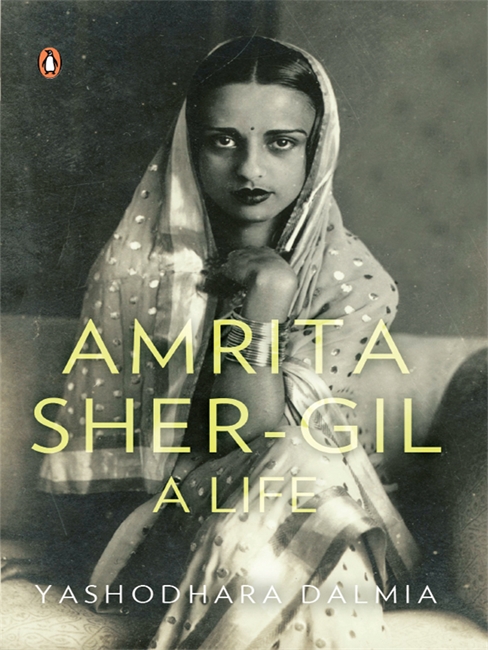
Beautiful and brilliant, Amrita Sher-Gil lived life on her own terms, scandalizing the staid society of her times with her love affairs and unconventional ways. In this fascinating biography, art historian Yashodhara Dalmia paints a compelling portrait of the artist who, when she died in 1941 at the age of twenty-eight, left behind a body of work that establishes her as one of the foremost artists of the century and an eloquent symbol of the fusion between the East and the West
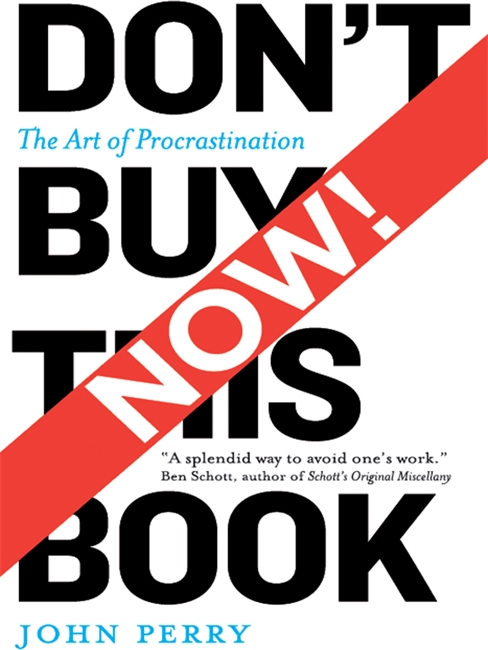
Are you someone who likes to put off until tomorrow what you could do today? Do you draw up to-do lists, only to get frustrated that you aren’t able to follow them through?
This delightful book argues that procrastinators are often perfectionists, and structured procrastinating—doing one thing as a way of not doing something else—is sometimes extremely effective. And if you’re still stuck with that list of things to do, here is advice on how to tweak it so that it becomes more manageable: put something daunting, like “Learn Chinese” or “Renovate kitchen”, at the top; cleaning the house or doing the laundry is a great way to not do those things.
Written with wry humour and peppered with a wealth of insights, Don’t Buy This Book Now! The Art of Procrastination proposes an ingenious programme for getting things done by putting them off; it’s a must-read for anyone who has ever accused themselves of being a slacker.