In Wine Wisdom, certified sommelier Magandeep Singh takes wine off the snob table and puts it in a handy brown bag for all to relish.
With the irrepressible passion he reserves for his favourite beverage, Magan leads you through the simple methods of classifying wine to the intricate process of tasting it (complete with instructions on what to say, when to say it and when to simply raise your eyebrows and keep your lips sealed). He demystifies wine labels and restaurant wine lists, gives practical tips on ordering the perfect wine for a magical evening (together with a phonetic guide to pronouncing the names so you can impress your guests), and advises you on the best way to uncork a bottle without causing any unfortunate spills.
This indispensable book also includes:
the history of wine drinking and changing trends in India and across the world
a comprehensive list of the major wine brands currently available in India, as well as the ones to look out for if you’re shopping abroad
the basic rules of serving wine-temperatures, glassware and perfect pairings of Indian cuisine and wine-and storing it
a reference list of wine-related terms and their definitions
Quirky anecdotes, essential facts and figures and invaluable advice-Wine Wisdom packs in all you need, whether you’re a wine lover, or want, simply, to be party-trained.

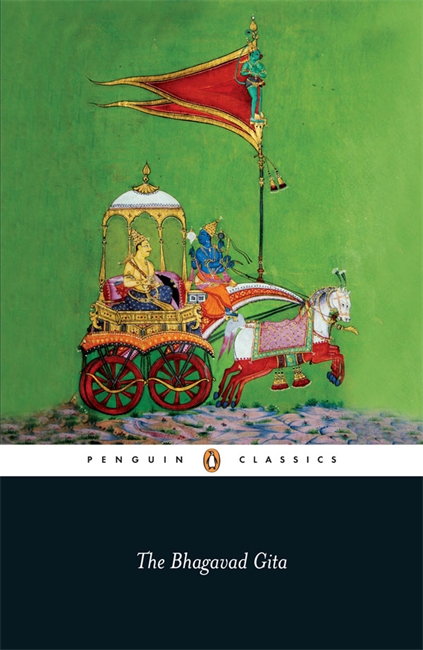
A masterful translation of the Bhagavad Gita, along with the Sanskrit original. A faithful rendition of the 2000 year old Song Celestial, Bibek Debroys translation resonates with the spirit of the original while using modern idiom and language. He captures, verse by verse, the essence of this ancient philosophical poem which debates eternal questions of right and wrong, action and consequence, and the conflicting nature of duty and love. The text stands by itself, complete and without interpolation, juxtaposed with the Sanskrit for easy reference, interpretation and explanation are tucked away as notes at the end. Authentic and readily accessible to the scholar and the non initiate, this edition of the Gita is essential reading for anybody who wishes to grasp the core of Indian philosophy and religion.

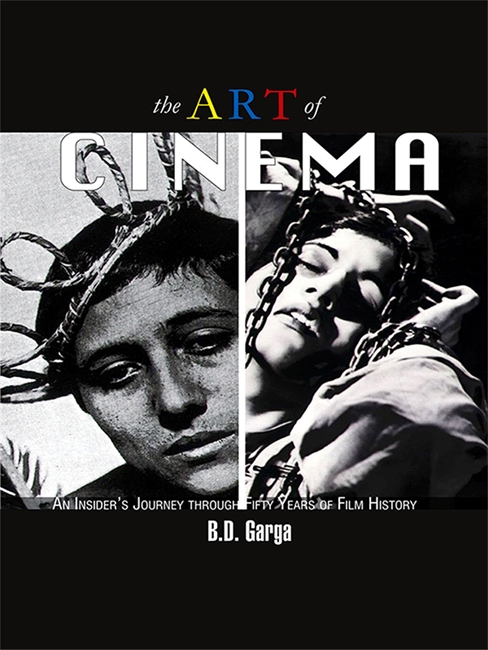
As a film-maker and film historian, B.D. Garga has closely witnessed and participated in the growth of Indian cinema from the early 1940s. With more than fifty years’ experience as a film journalist, and having served on various national and international film festival juries, he is probably India’s foremost authority on the subject of cinema.
In this extraordinary collection of essays, Garga delves into the vast repertoire of his scholarship and experience to provide an insider’s view of Indian and international cinema over the years. Even as he discusses the contribution of men behind the screen—the director, editor, cinematographer—he profiles some of the greatest masters of Indian cinema, like Himansu Rai and P.C. Barua, Bimal Roy and Raj Kapoor, while critically analysing some classic films from the golden era of cinema in India—Devdas (1935) and Sant Tukaram (1936) to Mother India (1957) and Mughal-e-Azam (1960).
Embellished with over forty exquisite and vintage photographs from the author’s private collection, The Making of Great Cinema also contains fascinating essays that highlight the contribution of the Soviet masters to international cinema; address important issues like film censorship, sex in Indian films and the relationship between film and politics; and provide a memorable account of the origins of cinema in India and the country’s many cinematic milestones.
Bringing your first-born into the world actually means the birth of a whole new you, says first-time mother and toddler-survivor Shefali Tsabary.
While everyone fusses over the little bundle, you’re going to have to overcome the feeling of your life being taken over and turned on its head (while your body has been transformed into something just as unrecognizable). You’ll have to learn to take pleasure in being a mother through the utter helplessness of the initial days, the extreme fatigue resulting from sleepless nights, and the overwhelming responsibility of shaping another life.
It’s a Mom! gives you invaluable advice on how to handle your baby and yourself in every imaginable situation. From feeding and burping and establishing sleeping patterns to tackling your toddler’s tantrums, this book outlines effective techniques that will make bonding with your baby a pleasure. And it gives you the crucial tip that your ever-eager-to-advise relatives forgot to mention: you have a life beyond your baby-and a body and mind, and spouse to reconnect with.
Did it really start with the burning of a train?
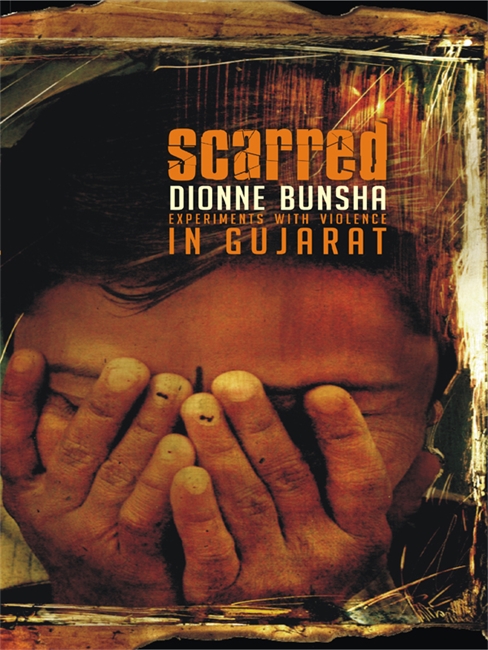
Scarred: Experiments with Violence in Gujarat asserts the existence of a much larger politics of violence, and tells the story of a disaster in Hindutva’s laboratory which etched deep faults in Gujarat’s social landscape.
While capturing the predicament of the Sabarmati Express survivors, Scarred is an intense, moving portrait of refugees whose lives have been changed forever by the violence that followed. It tells the story of people fighting for justice amidst fear and turmoil, unable to return home. It is also an insightful look into the minds of the perpetrators of this violence, and the PBI – World they seek to construct—a PBI – World where the ghettoization and socio-economic boycott of Muslims have become the norm.
What exactly happened in Gujarat in February 2002? Why did the country’s political leaders fiddle while Gandhi’s Gujarat burned? In this honest and thought-provoking book, Dionne Bunsha tries to answer these and many of the questions that we are still left with.
One of the pioneers of sociological studies in India, Professor Andre Beteille has, over the past four decades, contributed a series of topical and stimulating articles to various newspapers. Some of these articles were collected in the book Chronicles of Our time, published a few years ago. Ideology and Social Science is a new and riveting collection of Professor Beteille’s writings on Indian society, politics and culture.
The fifty articles in this book cover a very wide range of subjects: from the practice of sociology to the prospects of political liberalism, from contemporary debates about caste ad caste quotas to old and still persisting myths about what is said to constitute the essence of Indian culture. Beteille’s ambit includes the relevant and important themes of secularism, diversity and unity in cultures, the culture of tolerance, discrimination at work, value systems in the changing Indian family, and caste practices in village communities.
Steering clear of passing intellectual trends as well as partisan politics, Beteille reaches his conclusions based on a careful examination of the evidence, not on a search for facts that fit a preconceived theory. Through his writings, he makes a cogent and passionate appeal to separate sociological theory from the frameworks of social activism.
For students of sociology as well as the general reader, this is a book that will stimulate thought and generate interest in social and political issues that are at the core of India’s modernity and tradition.
It is the story of a young domestic worker, who has battled poverty, hardship and violence to make a name for herself as a writer. Hurriedly married off at the age of twelve, a mother by the time she was fourteen, Baby lived in her married home for several years, facing continual violence from her husband. Her father’s long absences from their home, her mother’s decision to walk out of the marriage, leaving Baby and her sister to manage the household, were the realities that shaped Baby’s early life. When marriage came, Baby, still a child, yearned to play and study, but was burdened with the responsibility of being wife and mother. Escape finally came many years later, by which time Baby still young was a mother of three, and she fled to the city in the hope of finding a job. Working in Delhi as a domestic help, Baby was lucky enough to come across an employer who encouraged her to build upon her few years of education and to read – and then to write. The story of Baby’s life is a lesson in courage and survival. Since its first publication in India in Hindi, the book has become a bestseller, recieving accolades from some of the best-known writers and critics in India and elsewhere. It has been translated into several other Indian languages.
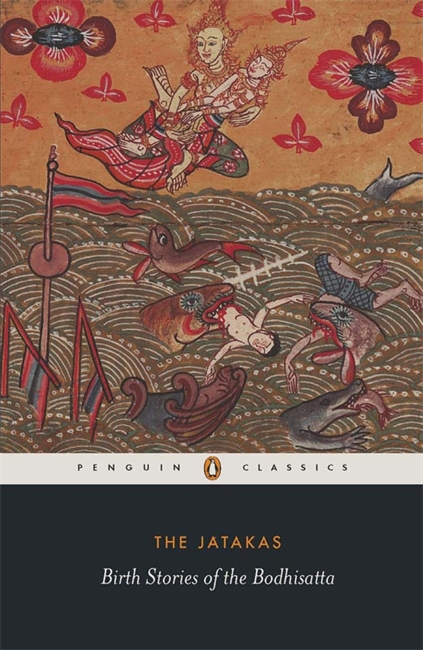
When my concentrated mind was purified; I directed it to the knowledge of the recollection of past lives’ -The Buddha on the night of his enlightenment
Associated with the living traditions of folk tale; drama and epic; the Jatakas recount the development of the Bodhisatta-the being destined to become the present Buddha in his final life-not just through the events of one lifetime but of hundreds. Written in Pali; the language of the Theravada Buddhist canon; the Jatakas comprise one of the largest and oldest collections of stories in the world dating from the fifth century BCE to the third century CE. Generations in South and South-East Asia have grown up with these tales.
This volume contains twenty-six stories drawn from various ancient sources; and each story reflects one of the ten perfections-giving; restraint; renunciation; wisdom; strength; acceptance; truthfulness; resolve; loving kindness and equanimity. A detailed introduction elaborates on the ten perfections; explains the forms of enlightenment as well as the structure; and the historical and geographical contexts of the stories. Sarah Shaw brings to life the teachings of Buddhism for the scholar and lay reader alike.
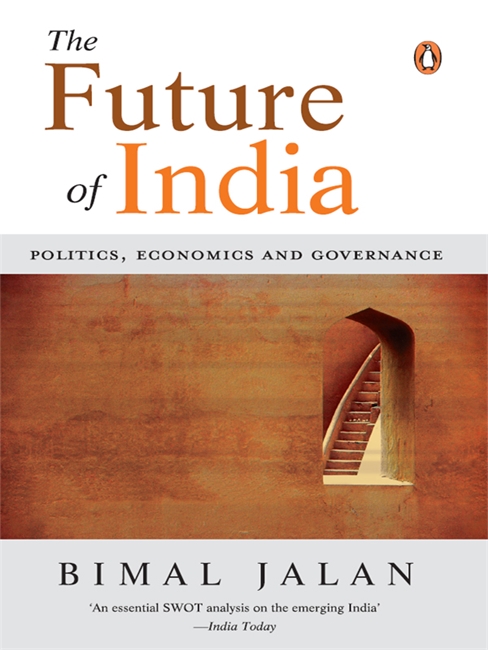
As Recently As A Decade Ago, The Prospect Of India Becoming A Developed Country Any Time Soon Seemed A Distant Possibility. Since Then, However, There Has Been A Sea Change In Our Own And The World&Rsquo;S Perception About Our Future. What Explains This Rising Tide Of Optimism? And How Far Is It Justified?
In The Future Of India, Bimal Jalan, Former Governor Of The Reserve Bank Of India, Takes Up The Formidable Challenge Of Examining The Nuts And Bolts Of This Proposition. In His Thought-Provoking, Clear-Sighted Analysis, He Argues That It Is The Interface Between Politics, Economics And Governance, And Their Combined Effect On The Functioning Of Our Democracy, Which Will Largely Determine India&Rsquo;S Future. An Understanding Of This Interface Will Help Explain The Swings In India&Rsquo;S Political And Economic Fortunes Over The Past Decades, And Why The Promise Has Been Belied.
In The Light Of Experience, Argues Jalan, There Is No Certainty That The Present Euphoria Will Last Unless There Is The Political Will To Seize The New Opportunities That Are Available. He Proceeds To Suggest Steps That Can Be Taken To Smoothen Our Path To Progress: Ways To Strengthen Parliament And The Judiciary; A Series Of Political Reforms That Would, Among Other Things, See Greater Accountability Among Ministers; And Effective Ways To Curb Corruption And Enhance Fiscal Viability. In All These There Is An Emphasis On The Pragmatic, Born Of Jalan&Rsquo;S Experience As An Administrator, Economist And Member Of Parliament.
Contemporary And Topical, The Future Of India: Politics, Economics And Governance, Perhaps More Than Any Other Book On The Subject, Shows Just How A Future Close Enough To Be Seen Need Not Forever Remain Elusive To The Grasp.
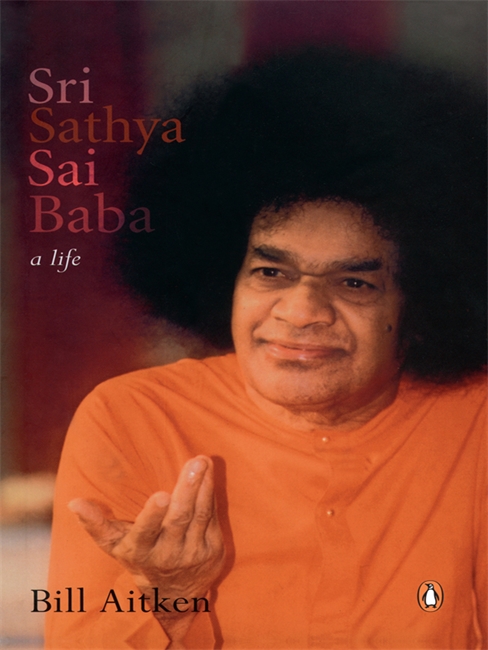
Born to a poor family in the village of Puttaparthi in southern Andhra Pradesh, Sathyanarayan Raju was a bright, talented and confident boy whose charitable nature and religiosity belied his tender age. Deeply suspicious of his spiritual precociousness, his father made him go through a traumatic exorcism. But the boy already had a devoted band of followers and, when he was thirteen, announced that he was the Shirdi Sai Baba reborn. Today, Sri Sathya Sai Baba has an estimated thirty million followers worldwide. Acclaimed travel writer and self-described `spiritual nomad’ Bill Aitken tells us why so many”royalty, wealthy industrialists, influential politicians, as well as the poor”flock to Puttaparthi. Sai Baba’s message, he reveals, can be summed up in one word: love. It is as simple as it is profound, not unlike how his devotees see the Sai himself”the embodiment of deep spirituality wedded to simplicity, elegance and grace. Yet, the Sai phenomenon is less about producing vibhuti from thin air and more about modern-day miracles. Miracles like free schools and universities, super-speciality hospitals which provide free treatment to all and revolutionary projects like the one which has brought drinking water to a million villagers in drought-prone Rayalseema. Aitken’s study is neither a hagiographic exercise in myth-making nor a dry, objective account of the Sai’s life. While never shy of expressing his deep love and reverence for Sai Baba, he squarely confronts the controversies and criticisms which inevitably dog those who claim acquaintance with the holy.