




What do you suggest, then? How do we mitigate this tragedy? Three years of drought . . . three years of starvation!’ She realized it was his way of getting back at her. ‘There is an answer, Your Majesty. What if a large imambara were to be built, bigger and more magnificent than any constructed so far in Hindustan? Every Mussulman in Allah’s creation will remember Asaf-ud-daula with reverence for all time to come.’ 1784. Amid famine, poverty, a grand culture rises: Awadh. As Nawab Asaf-ud-daula tries to come to terms with new British masters, his awam seeks comfort in the vibrant poetry of Mir, the buzz of the Chowk, the thrill of the wrestling matches and the gossip of the zenankhana. In masterful prose, A.K. Srikumar tells the story of Asaf-ud-daula’s court and his people, of the uncertain fortunes of Begum Shams-un-nisa, Prince Wazir Ali, Nazir-i-Mahal Nuruddin, of the schemes of Naib Haider Baig Khan and Resident John Bristow and pretender Saadat Ali Khan, of the Bada Imambara and a culinary tradition that was born amidst the brick and mortar— dum pukht.
Catagory: Non Fiction
non fiction main category
Head Count: Memoirs of a Demographer
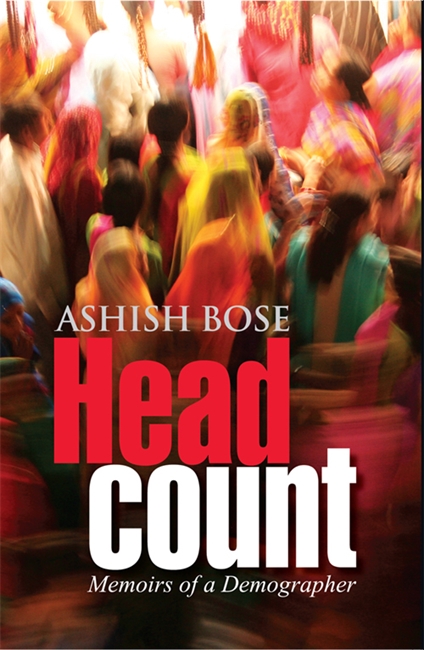
The acronym ‘BIMARU states’ was widely used in the mid-1980s to refer to the population issues of India’s four largest states-Bihar, Madhya Pradesh, Rajasthan and Uttar Pradesh. Ashish Bose, the man who coined this much-discussed term, is the pioneer of demographic studies in the country.
In Headcount, the demographer sets the record straight on BIMARU, and in the process, presents his unique view of modern India. In his inimitable engaging style, Bose, who was born in 1930, paints a vivid portrait of a life well-lived-from his childhood in Kolhapur, then a princely state, to his encounters with three generations of the Nehru-Gandhi family and his recollections of the darkest days of Indian democracy: the Emergency. Filled with little known facts and insights into the people and events that have shaped independent India, this is a deeply compassionate and readable memoir by one of the most important social scientists of modern India.
Tiger Hills

‘Devi stared through the window into the clear, starlit night. Beneath the blanket, her firsts were curled into little balls, her nails pressing into the skin. She thought again of The tiger wedding, and of the bridegroom.”Only him,” she repeated to herself. “I will marry only Machu.”‘ Coorg, 1878. Devi is born on the day of the herons, and Muthavva knows that her daughter will be special. Beautiful and spirited, the little girl quickly becomes the object of adoration of her entire family. When Devi meets Machu the tiger-killer, a hunter of great repute and a man of immense honour and pride, she falls passionately in love and vows to marry him. But a catastrophic twist of fate changes their lives forever and has consequences that affect generations to come.
Rich with powerfully realized characters and intensely vivid imagery, Sarita Mandanna weaves an unforgettable story in this lush and sweeping saga.
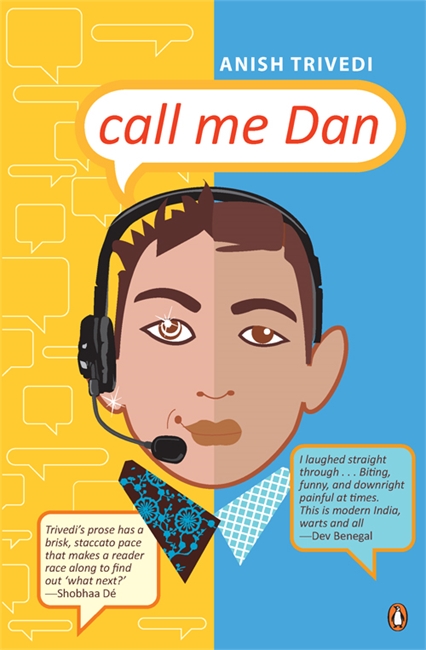
Call Me Dan
Classic Aubrey Menen
Urbane, irreverent satire—four of Aubrey Menen’s best novels The novels in this omnibus edition are classic Aubrey Menen—brilliant and inventive, displaying his characteristic wit while laying bare people’s idiosyncrasies. Menen attacks affectation and hypocrisy with his crisp prose and true-to-life characters. Classic Aubrey Menen is an abiding testimony to a master craftsman. The Prevalence of Witches, A Conspiracy of Women, A Fig Tree, The Abode of Love.
Making India Work
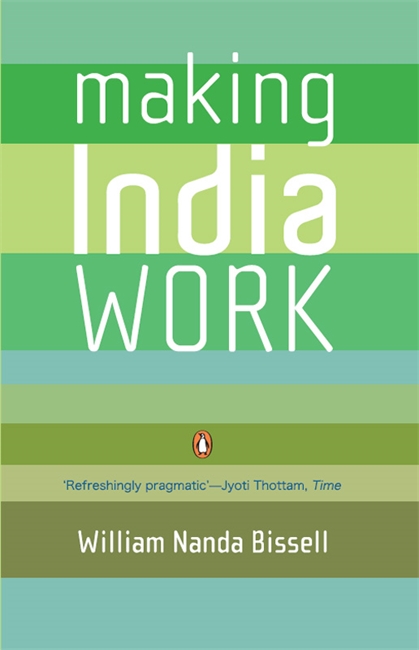
For a nation that has one of the highest growth rates in the world, India is plagued by poverty and corruption. Sixty years after Independence, India accounts for around 36 per cent of the world’s poor. The deepening fault lines between the haves and the have-nots have given rise to skewed development and widespread discontent.
William Nanda Bissell, managing director of the successful Fabindia chain, believes India’s poverty is a direct result of its poor management by ruling elites who have mastered the art of winning elections but have no interest in the deeper issues of governance. He argues that economic development that consumes large amounts of natural resources and generates enormous pollution is not a luxury available to countries that are beginning their development now.
Instead, he proposes a radical new paradigm for development that delinks consumption from quality of life while strengthening the natural environment in the process. The central themes of Making India Work echo the ideas and beliefs that underpin the Constitution of India; but they venture beyond the hackneyed phrases of development to focus on strategies which can, Bissell believes, end poverty in India in five years.
Hard-hitting and provocative, this book is a result of Bissell’s journeys across rural and urban India, offering unique solutions to the challenges confronting its people.
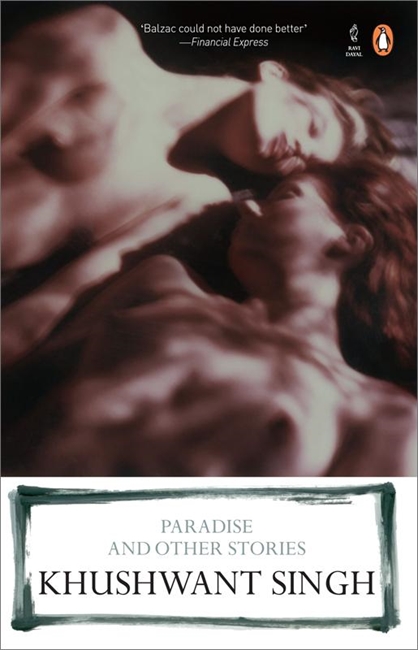
Paradise And Other Stories
I Keep Vigil Of Rudra
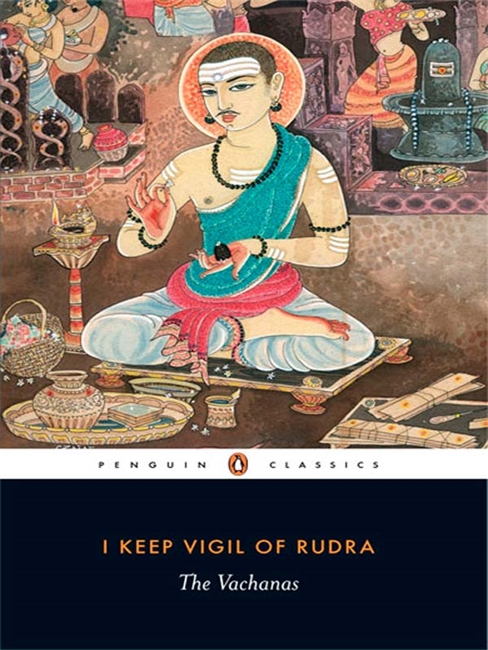
One of the only collections of Vachana poetry in translation—a must read for all poetry lovers. Here I come, a ferryman without a body To the great flowing river. If you pay the price– Your mind That grasps and lets go, I shall take you across” Vachana poetry in Kannada literature attained its zenith in the twelfth century. Passionate, intensely personal, and ahead of their times, these free-verse poems speak eloquently of the futility of formal learning, the vanity of wealth and the evils of social divisions. The vachanas stress on the worship of Shiva, through love, labour and devotion, as the only worthwhile life-goal for the vachanakara—the vachana poet. This collection offers a selection of vachanas composed by a wide range of vachanakaras from different walks of life writing during that period. While some of these poets are well known even today, most have been forgotten. Translated fluidly and with great skill by H.S. Shivaprakash, I Keep Vigil of Rudra is not only an important addition to Vachana literature, but also a must read for lovers of poetry everywhere.
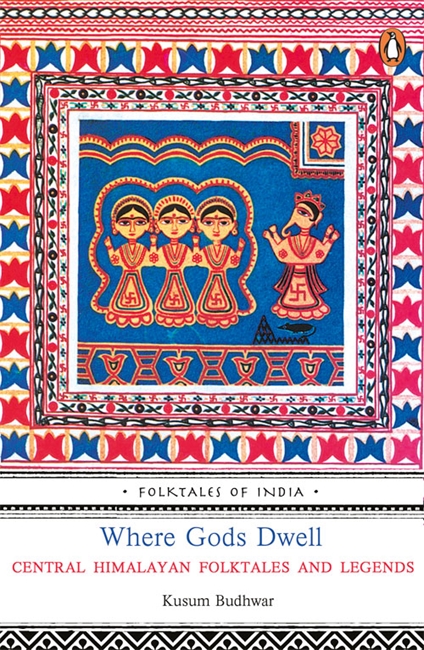
Where Gods Dwell
Two Virgins
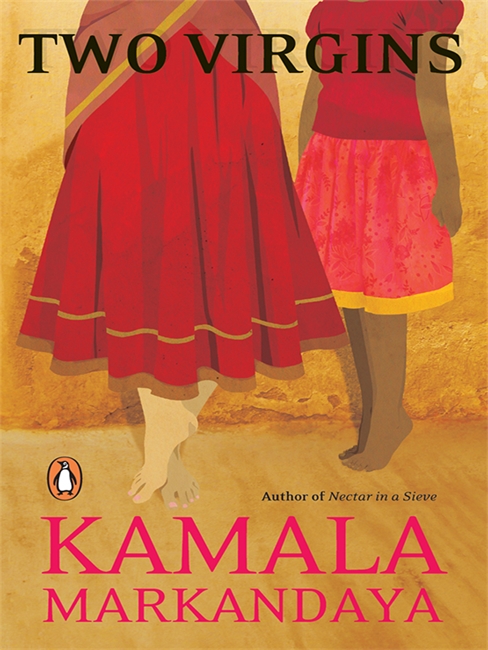
She tossed and turned, her body an alien creature full of strange, strong impulses beyond her control. Saroja lives in a village with her parents, aunt and beautiful elder sister Lalitha. Saroja s life is uncomplicated, and simple things give her joy like the birth of a calf or a taste of one of Chingleput s sweets. Lalitha, on the other hand, believes she is too good for the village. Ambitious and spoilt, she has dreams of being a movie star that are fulfilled when a film-maker casts her in his documentary on village life. Overnight Lalitha becomes the talk of the town; her latent sexuality manifests itself and she uses her elevated status to her advantage. Basking in Lalitha s reflected glory Saroja tries to imitate her womanly wiles, which results in confused ideas about sexuality and ambition. But when the family is faced with a scandal, Saroja emerges with a practical outlook on life.