



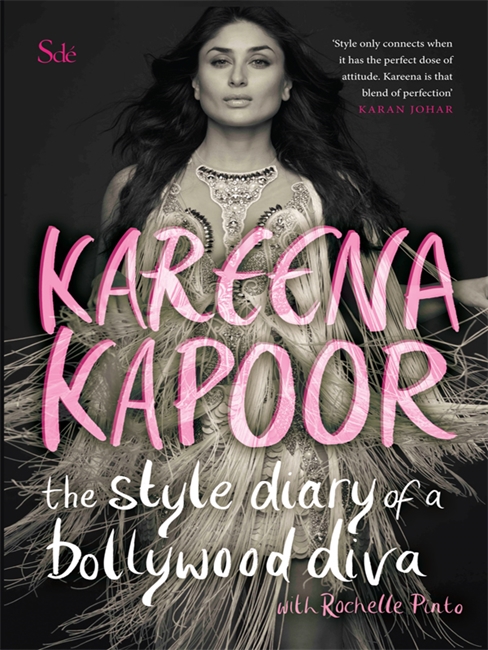
Kareena Kapoor was born to be a star! In her first-ever book, the ultimate glamour girl lets you into her fabulous life and reveals her best-kept style and beauty secrets.
Bebo’s fashion, beauty and make-up tricks and tips!
Get a Size Zero body with Bebo’s diet and fitness regime
Replicate her looks from all her hit films
Learn about Bebo’s must-visit hotels and restaurants
Learn how to treat and dress your man right and the inside story of the romance with Saif Ali Khan
Catagory: Non Fiction
non fiction main category
Let Me Tell You About The Quinta

Remembering Baba
Following Fish
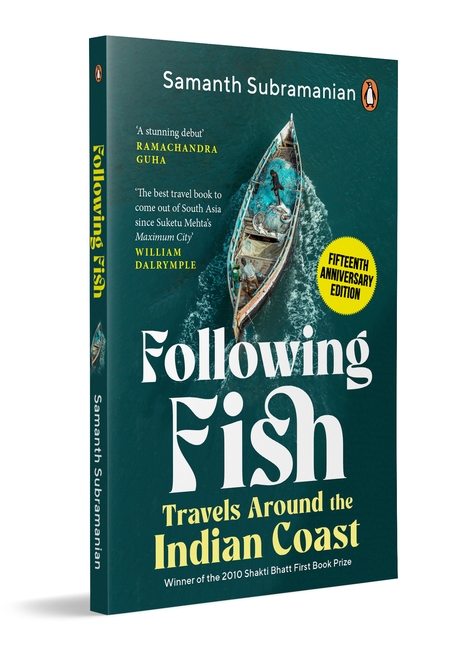
In a coastline as long and diverse as India’s, fish inhabit the heart of many worlds – food of course, but also culture, commerce, sport, history and society. Journeying along the edge of the peninsula, Samanth Subramanian reports upon a kaleidoscope of extraordinary stories. In nine essays, Following Fish conducts rich journalistic investigations: among others, of the famed fish treatment for asthmatics in Hyderabad; of the preparation and the process of eating West Bengal’s prized hilsa; of the ancient art of building fishing boats in Gujarat; of the fiery cuisine and the singular spirit of Kerala’s toddy shops; of the food and the lives of Mumbai’s first peoples; of the history of an old Catholic fishing community in Tamil Nadu; of the hunt for the world’s fastest fish near Goa. Throughout his travels, Subramanian observes the cosmopolitanism and diverse influences absorbed by India’s coastal societies, the withdrawing of traditional fishermen from their craft, the corresponding growth of fishing as pure and voluminous commerce, and the degradation of waters and beaches from over-fishing. Pulsating with pleasure, adventure and discovery, and tempered by nostalgia and loss, Following Fish speaks as eloquently to the armchair traveler as to lovers of the sea and its lore.
Grandeur Of The Lion
Kiss And Tell

The Other Country
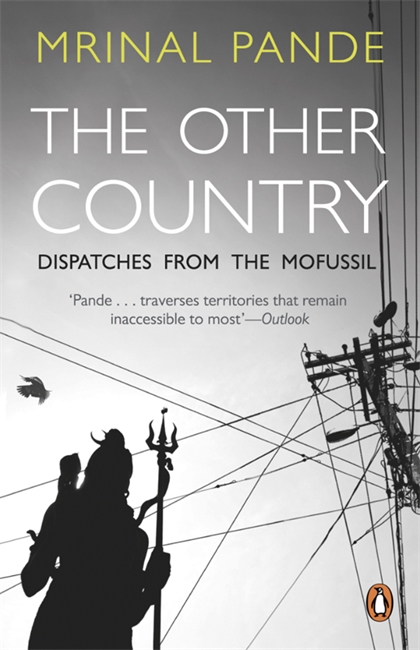
The Other Country brings together a wide-ranging selection of essays by Mrinal Pande; one of India’s most respected journalists. Through chronicle; anecdote and hard-hitting reportage; Mrinal traces the many; ever-widening fault lines between Bharat and shining India; the small town and the metropolis.
Mrinal describes the Great Language Divide between Hindi and English; traces its origin; the role globalization has had in its spread; and the effect of this divide on contemporary literature and media. She vividly describes the anti-outsider movement in Mumbai and analyses the role that inequitable development; and the lack of opportunities in villages and small towns; has played in it. Mrinal tells the story of Prabha Devi of Tehri; Uttarakhand; who picked up scissors and comb to become village barber in the face of opposition and thus came to represent the enormous change in attitudes and stances that are now sweeping Indian society everywhere. And through a hilarious profile of the Mineral Water Baba of Faridabad; who can heal any ailment with a sealed bottle of mineral water; she analyses one of the big issues facing India’s villages and metropolises: its water-management systems.
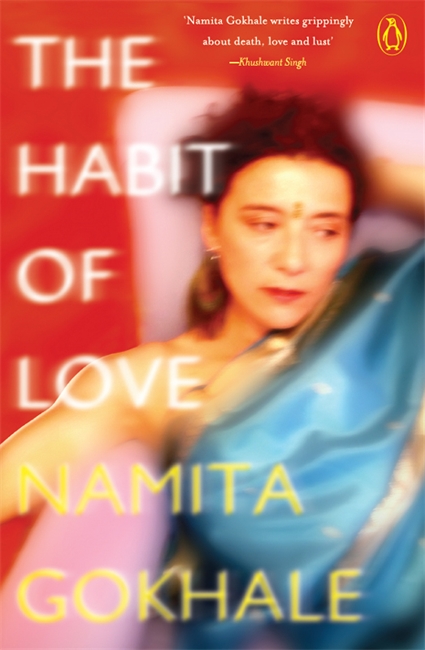
The Habit Of Love
Neglected Poems
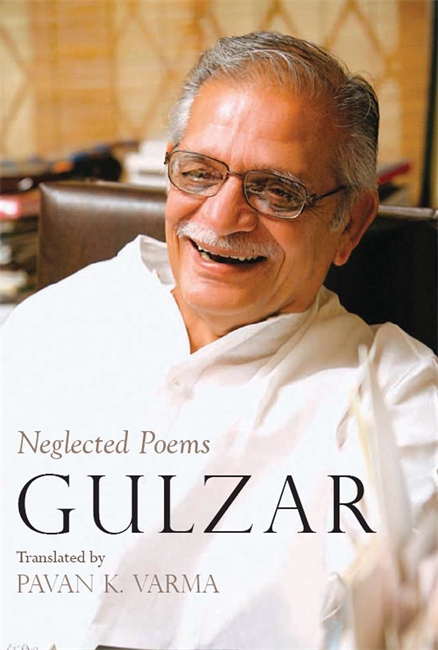
Gulzar is regarded as one of India’s foremost Urdu poets today, renowned for his unusual perspectives on life, his keen understanding of the complexities of human relationships, and his striking imagery. After Selected Poems, a collection of some of his best poetry translated by Pavan K. Varma was extremely well received, Gulzar has chosen to present his next sixty poems in an inimitable way: labelling them Neglected Poems.
‘Neglected’ only in name, these poems represent Gulzar at his creative and imaginative best, as he meditates on nature (the mountains, the monsoon, a sparrow), delves into human psychology (when a relationship ends one is amazed to notice that ‘everything goes on exactly as it used to’), explores great cities like Mumbai, Chennai, Kolkata, Delhi and New York (‘In your town, my friend, how is it that there are no homes for ants?’), and confronts the most telling moments of everyday life.
And All Is Said
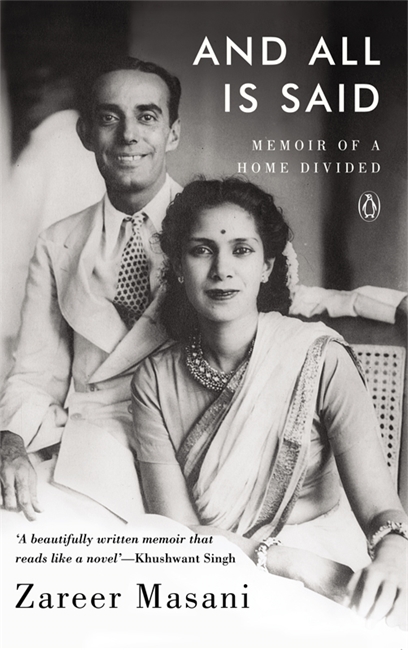
In this unflinchingly candid memoir, Zareer Masani draws on the letters and diaries of his parents, charismatic politician Minoo Masani and his gifted wife Shakuntala, to paint an intimate portrait of two remarkable individuals and their prominent but very different families-the Masanis, Bombay Parsis, and the Srivastavas, UP Kayasths-united by marriage but divided by temperament, lifestyle and political affiliation. Minoo’s father Sir Rustom Masani was an ascetic scholar who scorned wealth and all the comforts it could buy. Shakuntala’s father, Sir J.P. Srivastava, arch-loyalist of the British Raj and viceregal councillor, made a fortune as a mill owner and brought up his daughter in the lap of hedonistic luxury. When the two fell in love and eloped, Minoo was a twice-divorced, left-wing Congress activist. Later, he became a founder of the pro-free-market Swatantra Party-a figure whom Prime Minister Manmohan Singh has described as his ideological inspiration-leader of the Opposition in Parliament and a tireless campaigner against global Communism.
The author writes of his turbulent upbringing as an only child torn between the rival influences and attractions of his parents and grandparents; of the struggle to express his own sexuality in 1960s India; and of the stormy and agonizing breakdown of his parents’ marriage, which was closely interwoven with the political drama of Indira Gandhi’s rise to power and the Emergency she imposed.