‘Cinema is your experience, your vision of life.’—Adoor Gopalakrishnan
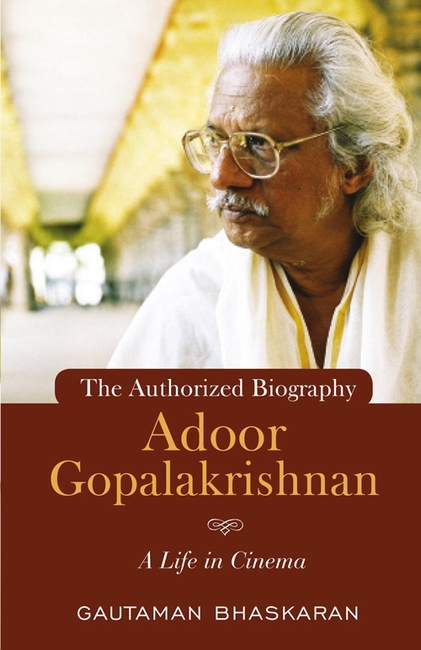
A couple living in defiance of society, trying to make ends meet; a rootless, rustic simpleton unaware of his responsibilities; a selfish, middle-aged man clinging to old feudal ways; an ex-revolutionary wasting himself, sleeping and eating and drinking, much to the disgust of his old comrades; a writer who finds the true meaning of love and freedom in prison; and a prostitute discovering love only to be separated from her lover by the guardians of society.
Adoor Gopalakrishnan’s characters are drawn from real people, real lives. His cinema manages to frame details that often escape our everyday glance, turning the mundane into the magical, the commonplace into the startling. Yet, very little is known about the auteur.
In Adoor Gopalakrishnan: A Life in Cinema, the first authorized biography of the Dada Saheb Phalke Award winner, Gautaman Bhaskaran traces the ebbs and flows of the life of this enigmatic director. From his birth during the Quit India Movement to his lonely childhood at his uncles’ house; from life at Gandhigram, where Adoor studied rural development, to his days and nights at the Pune Film Institute; and from his first film, Swayamvaram, to his latest, Oru Pennum Rantaanum, Bhaskaran’s lucid narrative tracks the twists and turns of Gopalakrishnan’s life, finding an uncommon man and a rare auteur.

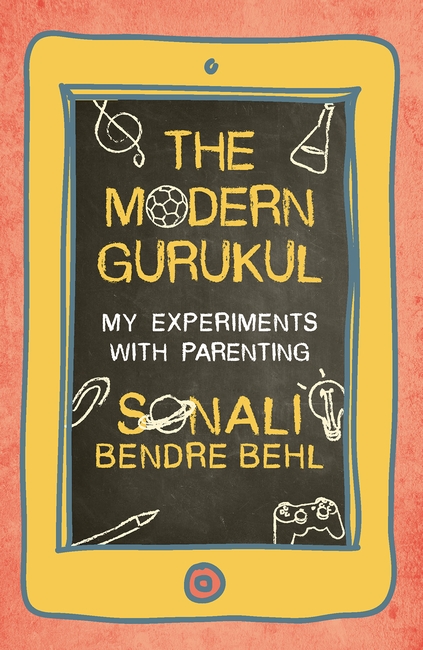
Are you confused about how to raise your kids?
How many hours should they spend with the TV, iPad or Xbox?
Do you worry about what they should eat, drink and read?
As the urban, nuclear family is becoming the norm, replacing the traditional joint family, what happens to the children who grow up with a single support system? In The Modern Gurukul, Sonali Bendre Behl shares her three principles of parenting that will help you find a balance between tradition and modernity, and show you how to raise your child in the digital age. Personal, anecdotal and honest, it highlights the need for a return to our roots to raise a healthy, curious and, most importantly, compassionate child.

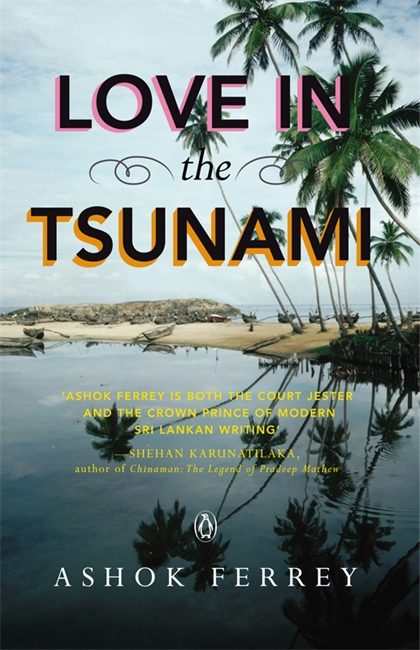
Love in the Tsunami brings together a selection of Ashok Ferrey’s short fiction and includes four brand-new stories. The title story, set against the Boxing Day tsunami of 2004 describes Veena Patel’s all-too-brief encounter with forbidden love. ‘But Did I Tell You I Can’t Dance?’ is a hilarious fable about the occasional humiliations and the many heart-warming victories of old age. And in ‘Maleeshya’ Ashok himself makes a cameo appearance as a dead author who has embarrassingly come back to life.
Endlessly inventive and crackling with energy, Love in the Tsunami represents the very best writing in English from contemporary Sri Lanka.

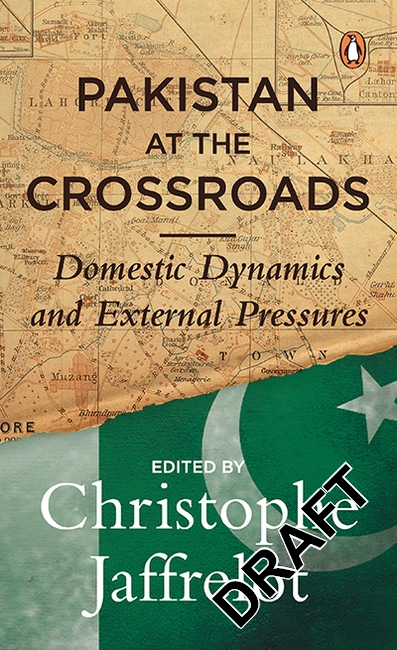
In Pakistan at the Crossroads, top international scholars assess Pakistan’s politics, economics and the challenges faced by its civil and military leaders domestically and diplomatically. Contributors examine the state’s handling of internal threats, tensions between civilians and the military, strategies of political parties, police and law enforcement reform, trends in judicial activism, the rise of border conflicts, economic challenges, financial entanglements with foreign powers, and diplomatic relations with India, China, Iran, Saudi Arabia, Afghanistan, and the United States.
In addition to ethnic strife in Baluchistan and Karachi, terrorist violence in Pakistan in response to the American-led military intervention in Afghanistan and in the Federally Administered Tribal Areas by means of drones, has reached an unprecedented level. Growing consensus among state leaders predicts that the nation’s main security threats may come not from India but from its spiraling internal conflicts, though this realization may not sufficiently dissuade the Pakistani army from targeting the country’s largest neighbor.
This volume is critical to grasping the sophisticated interplay of internal and external forces complicating the country’s recent trajectory.

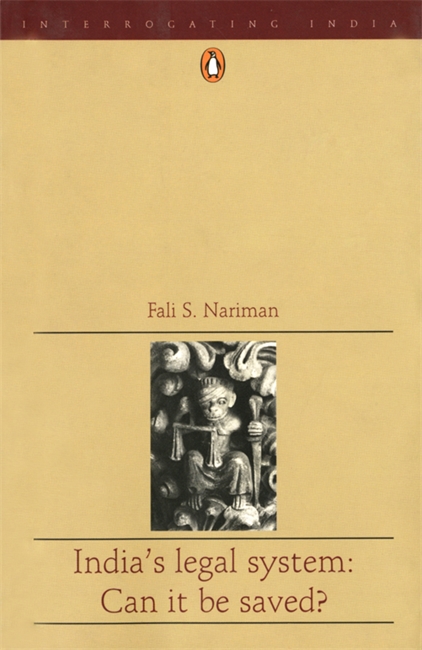
India has the second-largest legal profession in the world, but the systemic delays and chronic impediments of its judicial system inspire little confidence in the common person. In India’s Legal System, renowned constitutional expert and senior Supreme Court lawyer Fali S. Nariman explores possible reasons. While realistically appraising the criminal justice system and the performance of legal practitioners, he elaborates the different aspects of contemporary practice, such as public interest litigation, judicial review and activism. In lucid, accessible language, Nariman discusses key social issues such as inequality and affirmative action, providing real cases as illustrations of the on-ground situation.
This frank and thought-provoking book offers valuable insights into India’s judicial system and maps a possible road ahead to make justice available to all.

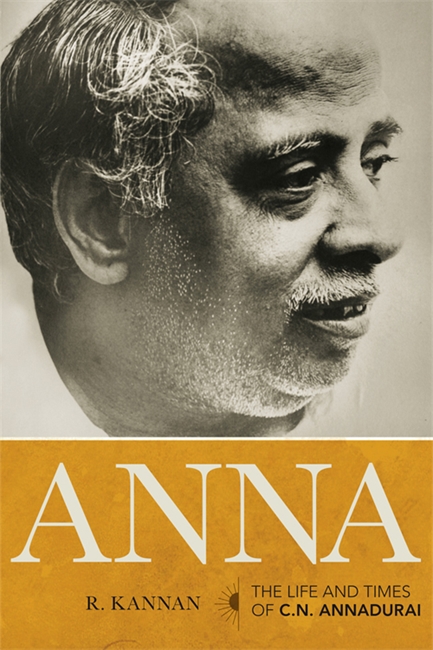
On 6 March 1967; fifty-eight-year-old Conjeevaram Natarajan Annadurai became chief minister of Madras state; when his party; the Dravida Munnetra Kazhagam (DMK); swept to power for the first time. Marking the pinnacle of his public life; it reflected his popularity among ordinary people who revered him as Anna; or elder brother. This rich biography illuminates his many lives-as a charismatic leader of modern India; as a stalwart of the Dravidian movement; as the founder of the DMK; as spokesman for the South-besides documenting his abilities as an acclaimed orator and littérateur in Tamil and English; and as a stage actor.
Born into a weaving caste family in Kanchipuram; Anna was exposed to the non-Brahmin politics of the Justice Party during his college years and this interest led him to become a protégé of the radical thinker Periyar E.V. Ramasamy in 1935. Anna promoted his mentor’s ideas of Self-Respect and Tamil identity but not his atheism. Like him; he attacked Brahminism and ‘Aryan’ values as the cause of Tamil political and cultural decadence and opposed the imposition of Hindi as the official language. In 1962 Anna took his independent Dravida Nadu demand to the Rajya Sabha; threatening the nation’s unity. Importantly; he used public speaking; journalism; theatre; cinema and agit-prop to broaden the base of the party; which drew renowned film actors into its fold; a bond that endures to this day.
The book does not shy away from the controversies that surrounded the Dravidian movement and candidly examines Anna’s complex relationship with Periyar. It records Anna’s move to form the DMK in 1949; his split with Sampath in 1961 over the party’s strategy and course; and his disillusionment with the corruption and power politics he witnessed as chief minister.
Kannan draws on Anna’s considerable body of writing; the memoirs of other leaders and authors in Tamil; including critics like the poet Kannadasan; Jayakanthan and P. Ramamurti; apart from secondary sources. Featuring luminaries like Rajagopalachari and Kamaraj; Kalaignar Karunanidhi and MGR; among many others; Anna offers a warm and rounded portrait of a man who showed the way for the democratic expression of regional aspirations within a united India.
Battles in the Mind provides a unique insight into the human spirit, the beauty of trials and tribulations, and the subsequent emergence of a positive self. In the book, author Anna Chandy, co-founder of the Live, Love, Laugh Foundation along with actress Deepika Padukone, shares her deeply moving personal story sprinkled with highs and lows, and how she found a way out of it. She also shares techniques of transactional analysis, and how mental health issues can be dealt with to bring about a difference in people’s lives. Battles in the Mind is a book about hope and a way to transition from pain to happiness and success.

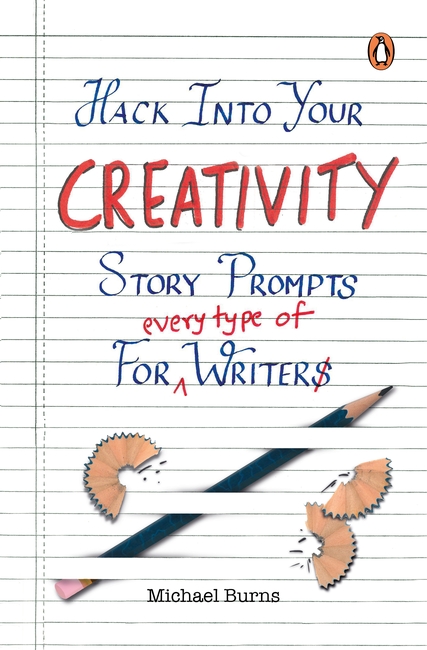
If you’re new to writing prompts, indulge in all the different ways you can kick-start the creator inside of you. If you’re a veteran of writing prompts from the Internet or newspapers, you will find comfort in familiar formats, but also challenge yourself with ones you’ve never seen before and discover interests and abilities that you didn’t even know you had.
From casual flash fiction authors and scriptwriters to non-fictioneers and branding executives, this book will set your creativity on fire. Be a story alchemist. Transform your writing. And above all else, have fun doing it!
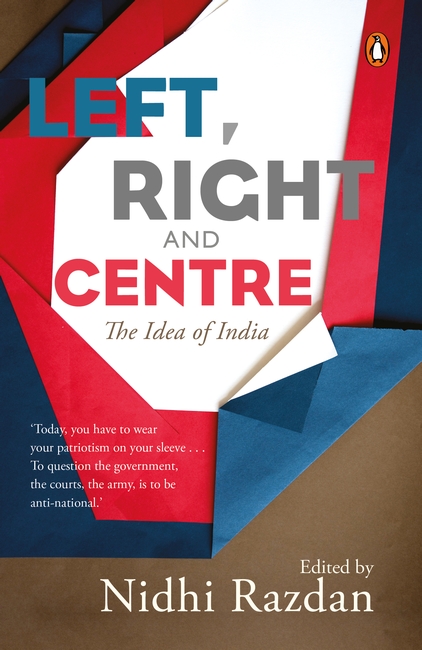
As India approaches its seventy-fifth year of Independence, its people continue to grapple with multiple discourses: a few from the left, a considerable sum from the right and an impressive lot from the centre. This book brings together diverse views from people across a wide spectrum of life-politicians, activists, administrators, artistes, academicians-who offer their idea of India. With a contextual introduction by Nidhi Razdan, this politically charged, argumentative, candid and humorous book opens a window to our understanding of India that largely remained untold and unknown for a long time.