



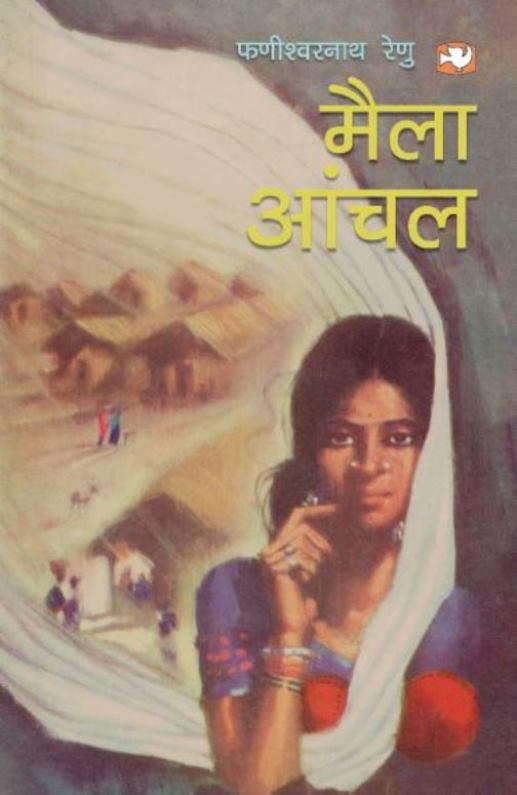
‘मैला आंचल’ का नायक एक युवा डॉक्टर है जो अपनी शिक्षा पूरी करने के बाद पिछड़े गाँव को अपने कार्य-क्षेत्र के रूप में चुनता है, तथा इसी क्रम में ग्रामीण जीवन के पिछड़ेपन, दुःख-दैन्य, अभाव, अज्ञान, अन्धविश्वास के साथ-साथ तरह-तरह के सामाजिक शोषण-चक्रों में फँसी हुई जनता की पीड़ाओं और संघर्षों से भी उसका साक्षात्कार होता है। कथा का अन्त इस आशामय संकेत के साथ होता है कि युगों से सोई हुई ग्राम-चेतना तेजी से जाग रही है।
Catagory: Non Fiction
non fiction main category
Fearless Freedom
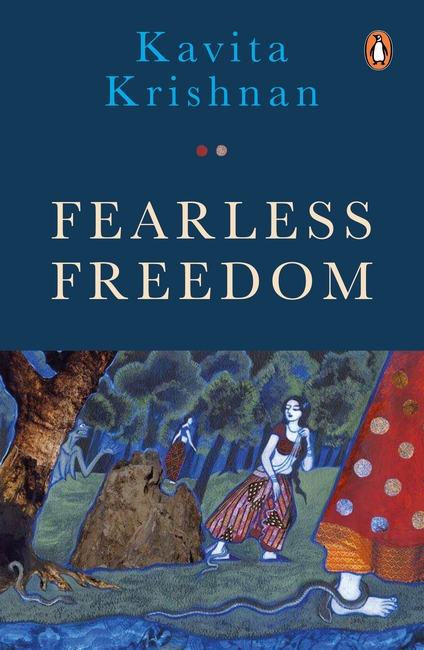
‘Safety’ for women in India is, more often than not, coded as curtailment of autonomy. To be ‘safe’, women are told they must allow themselves to be kept under constant surveillance. Their movement is restricted to specific spaces, often homes and hostels. Extreme levels of control are exercised to confine their mobility.
But is freedom really incompatible with safety? In this ground-breaking and radical book, Kavita Krishnan locates the personal and political repercussions of erasing women from public spaces. She argues that many real and violent threats to female autonomy are, in fact, hidden in plain sight. Often challenging conventional wisdom, this is a blazing, fiery manifesto for greater equality, political and economic independence, and, most of all, personal freedom.
Discovering the Heritage of Assam
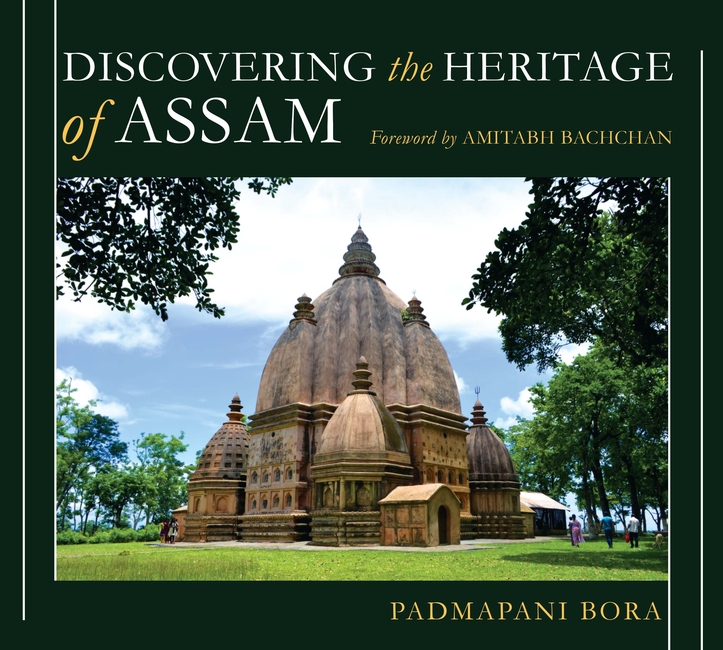
The book Discovering the Heritage of Assam takes a comprehensive look at the nature, culture and traditions that symbolize the true essence of the Indian state of Assam. The history of the state, beginning from the Paleolithic age to the British era, is well supported by innumerable ruins, interesting shrines, incredible wildlife, and a variety of living heritage, some of which are now part of the UNESCO’s list of world heritage sites.
The Ahoms, who ruled over Assam for 600 years, has had a significant imprint on its history. Neo-Vaishnavism popularized by the great saint Srimanta Sankardeva and venerated institutions like the Namghars and Satras constitute the prime components the state’s heritage.
This coffee table book is divided into five broad chapters-Ancient Period Heritage, Medieval Period Heritage, Modern Heritage, Natural Heritage and Living Heritage – and contains beautiful photographs and informative illustrations of the various heritage sites of Assam.
The Delhi 6 Box Set
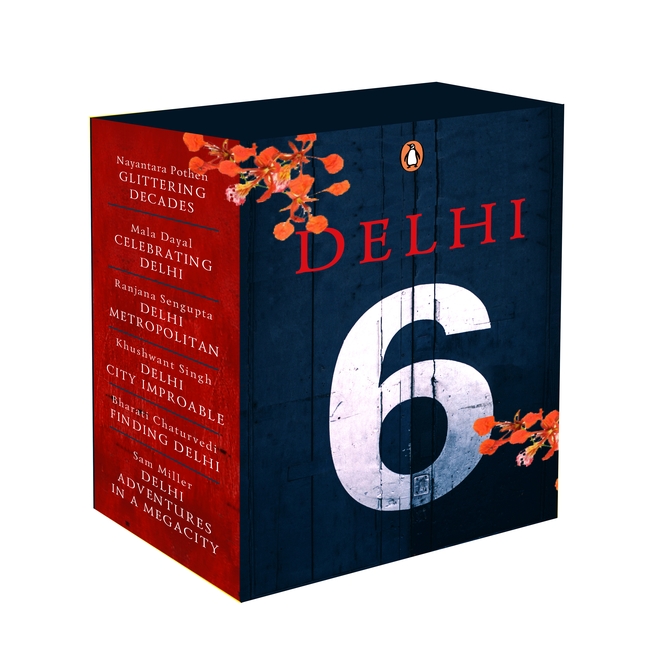
This six-book Delhi 6 set-three anthologies, two city biographies and one history-seeks explore this fascinating city which has stood on the banks of the Yamuna since time immemorial. A long list of authors-including the legendary Delhi chronicler Khushwant Singh-map the city’s different worlds, its extraordinary aspirations, its unique relationship with power and its glorious past and rambunctious present.
The Book Of Man; The Book of Woman
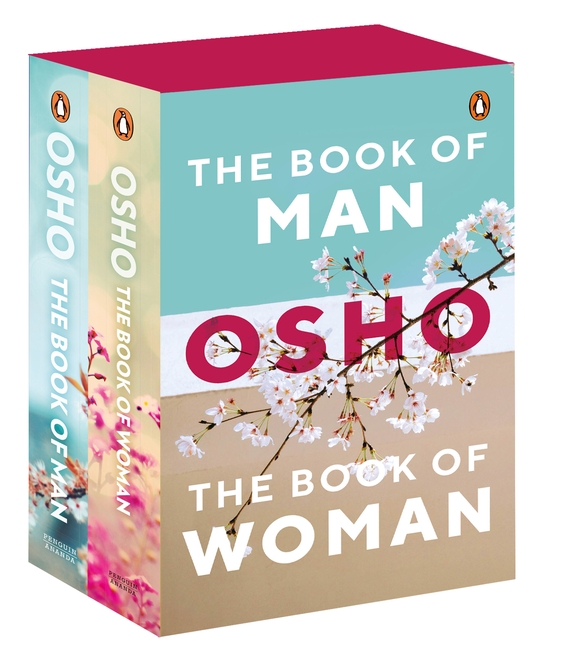
Osho’s most celebrated meditations on the human condition
For Osho, the ideal man is Zorba, the Buddha?a perfect blend of matter and soul. This seamless collection of discourses takes the reader through the various stages of man’s evolution: from Adam to Slave, Son, Homosexual, Priest and Politician, until he attains the pinnacle of his consciousness as the Rebel or Zorba. Sparkling with anecdotes and enriched with brilliant repartee, The Book of Man is a remarkable blend of wisdom and wit.
The Book of Woman describes what it means to be a woman and explores the feminine aspect of human beings. A woman, Osho says, should not imitate man: ‘Rejoice in your feminine qualities, make a poetry out of them.’ The perfect state of being, according to Osho, is a synthesis between the head and the heart, with the heart remaining the master. The rare sensitivity of Osho’s words on issues ranging from sexuality and love to work and politics, will appeal to both men and women.
Nava-e-Sarosh
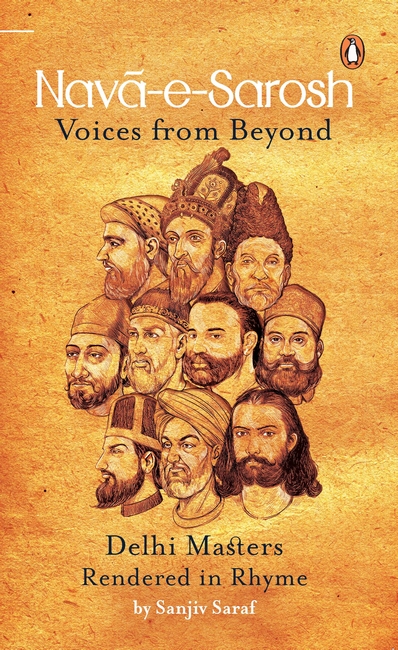
Through the ages, Delhi has had an effect on its inhabitants. Steeped in a rich history of cultural mingling and periods of creative exchange, the city provided fertile ground for poetic synthesis. Delhi established a legacy of poets whose words set hearts ablaze for the times to come. Love, with all its wine-infused passions and experiences of yearning, has preoccupied classic poets of the city. It also offers to the reader rhymed English transcreations of the selected ghazals so that the work can be enjoyed for the rhythm that the original Urdu-language embraces. As a patron of Urdu poetry and a resident of Delhi, Sanjiv Saraf’s personal investment in preserving and furthering the arts in the Urdu world led to the creation of this book. His careful curation and trans-creations render these ghazals readable to novices of classic Urdu poetry. The selection of works that made their way to this book caters to a wide readership-those reading to experience Delhi from the past, those who wish to engage with the musicality of rhymed verses and, most significantly, those who wish to explore the themes of love as conceptualized by classic poets. Desire, longing and the complexities of love are therefore open to exploration for you, dear reader and lover, through the words laid out in these ghazals by the ‘voices from beyond’.
From Oberoi to Oyo
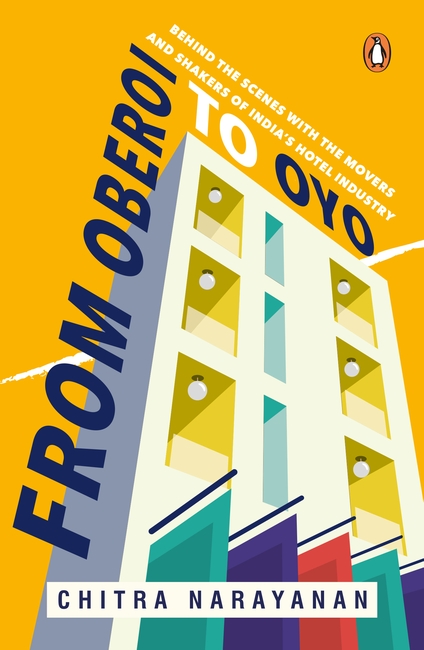
A captivating account of innovations, disruptions and challenges that define the Indian hotel industry.
How did the Taj, the Oberoi and the ITC hotels come to dominate the Indian hotel landscape? What are the challenges thrown by the disrupters-the foreign chains, OYO, the online travel agents and the young start-ups? What does the future hold?
This book answers these and many more such questions.
Based on the author’s years of observation of the industry and interactions with key stakeholders, this book takes you through the tumultuous history and evolution of the Indian hotel industry. It also captures the enormous shifts and changes including guest preferences, consumer profiles and disruptions brought in by technology. Packed with some exciting profiles and analysis of strategies, it also attempts to provide a glimpse of what lies in store for the future.
The Little Book of Everything
Keep this little book by your bedside, or your desk, or on your kitchen shelf, and turn to it from time to time. It will have something comforting or helpful to say to you.
Republic of Religion
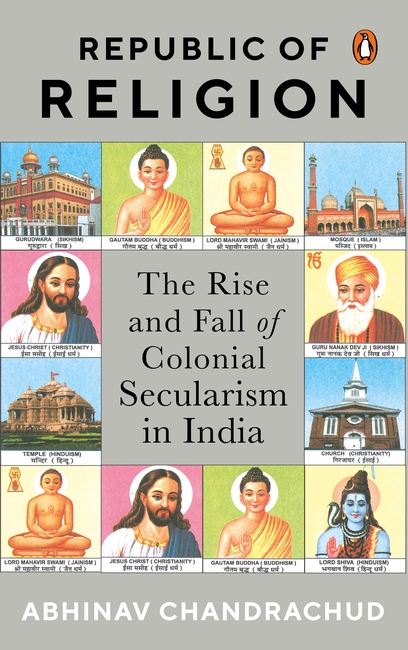
How did India aspire to become a secular country? Given our colonial past, we derive many of our laws and institutions from England. We have a parliamentary democracy with a Westminster model of government. Our courts routinely use catchphrases like ‘rule of law’ or ‘natural justice’, which have their roots in London. However, during the period of colonial rule in India, and even thereafter, England was not a ‘secular’ country. The king or queen of England must mandatorily be a Protestant. The archbishop of Canterbury is still appointed by the government. Senior bishops still sit, by virtue of their office, in the House of Lords.
Thought-provoking and impeccably argued, Republic of Religion reasons that the secular structure of the colonial state in India was imposed by a colonial power on a conquered people. It was an unnatural foreign imposition, perhaps one that was bound, in some measure, to come apart once colonialism ended, given colonial secularism’s dubious origins.
Kashmir and Beyond 1966-84
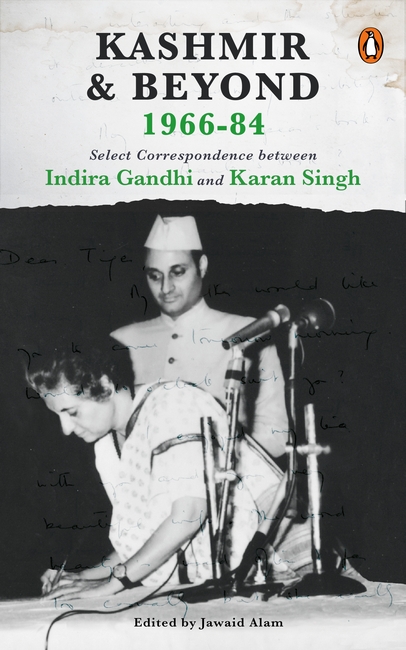
Dr Karan Singh became a member of Prime Minister Indira Gandhi’s Cabinet as minister for tourism and civil aviation, and worked closely with Gandhi for almost the entire duration of her tenure. They held each other in high esteem, shared great rapport as Cabinet colleagues and had mutual regard on a personal level as well.
Bringing together over 300 letters exchanged between Mrs Gandhi and Dr Singh, Kashmir and Beyond provides valuable insights into such historic events as the signing of the Tashkent Declaration, the Emergency and Operation Bluestar. Even as these letters map the important landmarks of recent Indian history, they also provide a fascinating glimpse into the inner workings of the government and the magnitude of the effort of running a country that houses ‘one-seventh of the human race’.
Kashmir and Beyond is an immensely important book for anyone who wants to make sense of the knotty issues that confront contemporary India.