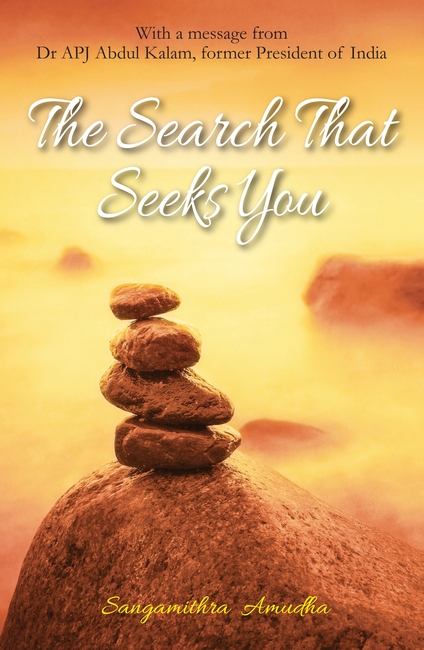
‘It is not possible to seek or feel God. Yet, you claim that God exists…I feel deceived by it.’
So asks ‘Karma’, the protagonist of this award-winning book by Sangamithra Amudha, founder and trustee of Sanmarga Foundations. In her debut book, The Search that Seeks You, Sangamithra explains the essence of meditation as a tool for understanding and achieving balance in our lives. Told in story form, the book addresses various life situations—death, sorrow, happiness, change, and fear of the unknown—and provides a thoughtful approach to dealing with them. Along the way, it imparts valuable life lessons that will lead you to self-discovery, enlightenment, and ultimately eternal happiness.

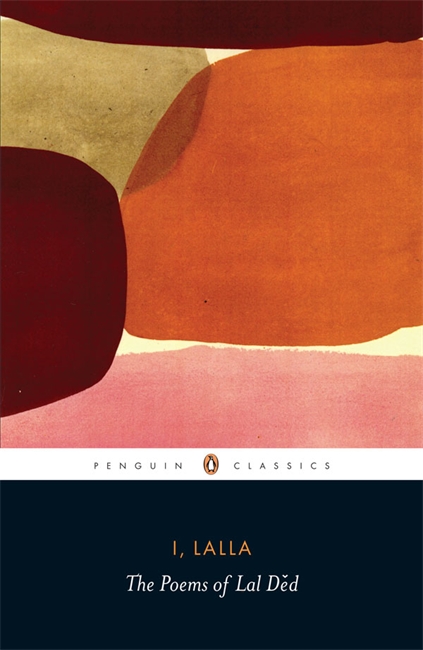
The poems of the fourteenth-century Kashmiri mystic Lal Ded, popularly known as Lalla, strike us like brief and blinding bursts of light. Emotionally rich yet philosophically precise, sumptuously enigmatic yet crisply structured, these poems are as sensuously evocative as they are charged with an ecstatic devotion. Stripping away a century of Victorian-inflected translations and paraphrases, and restoring the jagged, colloquial power of Lalla’s voice, in Ranjit Hoskote’s new translation these poems are glorious manifestos of illumination.

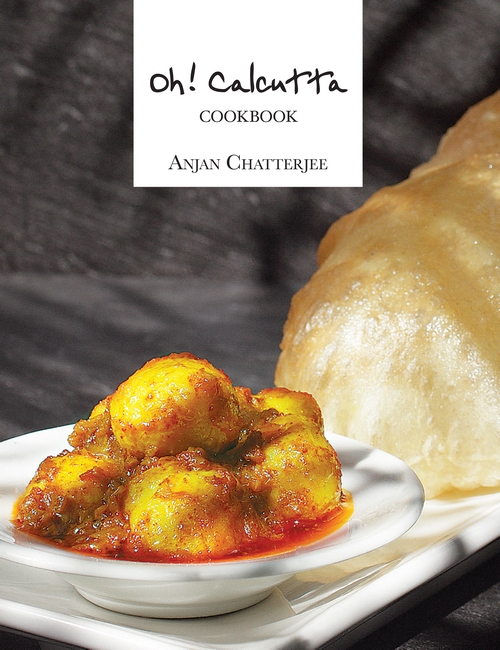
Calcutta has always been Bengal’s kitchen. This is the city where the distinctive and subtle cuisine of Bengal has met and danced with culinary influences from all over the world, brought in by wave after wave of colonizing rulers. Calcutta’s cuisine has been enriched by cooking methods, styles, ingredients and tastes from countries as far apart as China and Britain, from cultures as dissimilar as Mughal and Dutch, and cooking styles as varied as Avadhi and Syrian.
The restaurant Oh! Calcutta captures this unique cuisine, serving flavours and tastes per-fected over generations. With the signature recipes in this book, you can recreate these unforgettable dishes in your own kitchen and enjoy the delicious legacy of a city that keeps reinventing itself.

In India, we all have our own herbal cures that we swear by. But wouldn’t it be a relief if you never caught a cold, could prevent getting a stomach infection while on holiday, and generally stayed healthy? The truth is you can. And it doesn’t cost the earth to do so.
With a host of celebrity clients like Avanti and Yash Birla, Natasha and Adar Poonawala, Neetu Singh Kapoor, Rani Mukerji, Karan Johar, Siddharth Malhotra, Anita and Naresh Goyal, Ekta Raheja, Manav Gangwani and many others who swear by her, Charmaine D’Souza, for the first time ever, tells us her secrets to good health. How to:
• avoid minor ailments like colds, menstrual cramps, headaches;
• control and prevent major illnesses like heart disease, cancer, and stabilize diabetes.
Kitchen Clinic is a comprehensive and holistic approach to herbal healing that can be done in the comfort of your home.

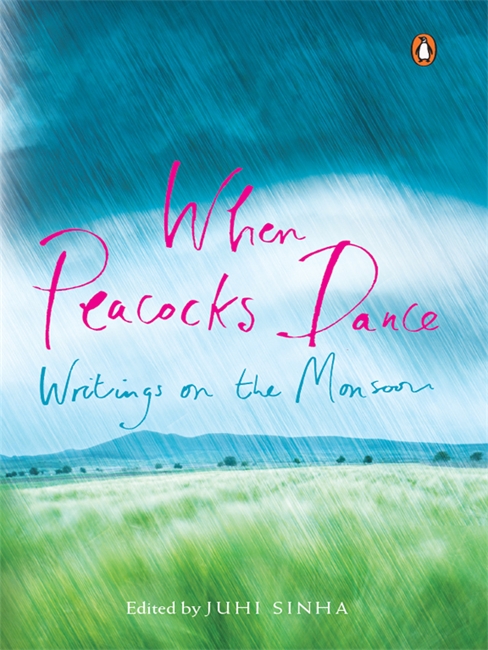
Who can suppress excitement at the first sighting of looming monsoon clouds? Who can deny the joyful prospect of relief from the unrelenting heat of an Indian summer? The season draws every corner of our vast, diverse country together—regardless of what we call it, how we deal with it or where we live, we all understand the monsoon.
In this anthology, Juhi Sinha celebrates the monsoon with monsoon recipes and festivals from different parts of the country, and fiction and poetry both modern and historical. With Khushwant Singh, Ruskin Bond and Rabindranath Tagore; the Meghaduta, the Ramayana and the Rig Veda; and, of course, Alexander Frater, this book is the perfect medley to bring the rains alive anytime and anywhere.
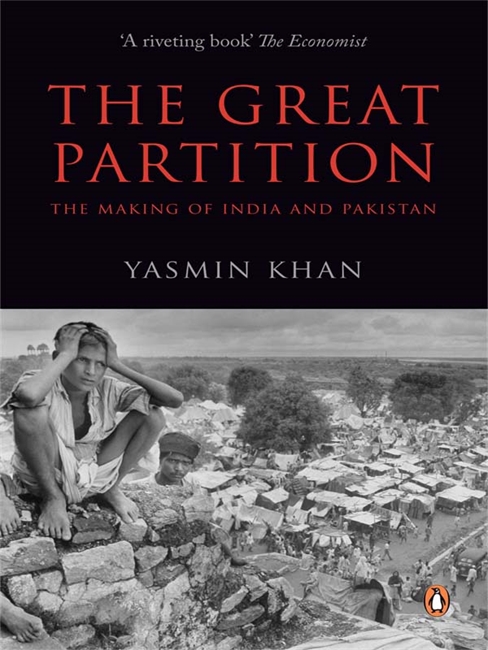
The Partition of India in 1947 was one of the most horrific events of decolonization in the twentieth century. The geographical divide brought displacement and death, rape and plunder, benefiting the few at the expense of the very many.
In The Great Partition, Yasmin Khan exposes the widespread obliviousness to what Partition would entail in practice as well as the haste and recklessness with which it was completed. Moreover, she powerfully underscores the catastrophic human cost and shows why the repercussions of Partition resound even now, some sixty years later. Drawing on fresh information from an array of sources, Khan provides an authoritative and accessible analysis of Partition, and the damaging legacy left in its wake.
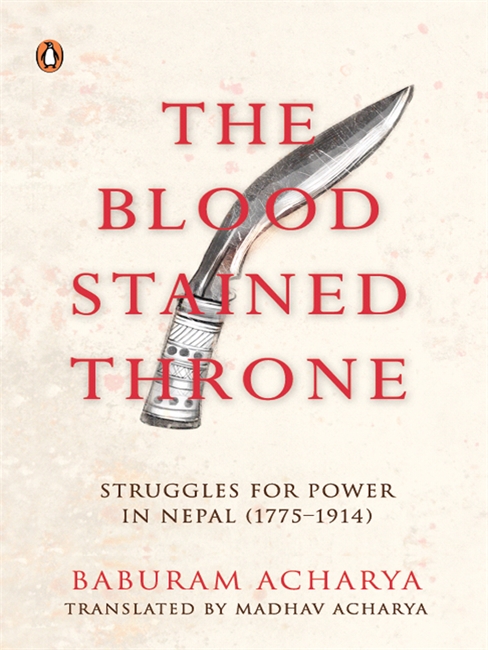
To the palace by the sword
Nepal, the land of Buddhism and misty mountains, is not a nation whose history one would expect to be filled with blood. And yet, the struggle to gain and keep the control over the mountain kingdom is one marked by a long history of violence and murder. The Bloodstained Throne is a translation of Aba Yasto Kahilyai Nahos, a compilation of historical essays that recount some of the bloody battles for power in a tumultuous period—a phase that spanned more than one hundred years.
This tale of the machinations, massacre and bloodletting that rocked Nepal’s power centre—the royal palace—will give you a rare and fascinating glimpse into one of the least-known and most violent power struggles that South Asia has ever seen.

Hidden in each of us is a superstar waiting to come to life. Often we struggle to find this, not because we lack talent, desire, or ability, but because we don’t know the right steps to take. Frequently, we surrender to a sea of negative emotions and self-doubts right at the very beginning, or give up after a few setbacks. Dr Myra S. White and Sanjay Jha provide a comprehensive nine-step roadmap to help you succeed in the workplace and other areas of your lives.
The Superstar Syndrome is the ultimate success bible based on the lives of over 80 well-known people, like N.R. Narayana Murthy, M.S. Dhoni, Steve Jobs, Jack Welch, Warren Buffet, and Ratan Tata who transformed themselves from ordinary people into exceptional achievers. It covers all aspects of what you need to know and do to successfully make the journey to superstardom-how to identify and manage your special talents, build power, influence, and deliver A-level performances-and illustrates each step with examples from the lives of the well-known superstars that were studied. It makes you believe that the finish line is not just within your reach, but opens up dreams and possibilities beyond
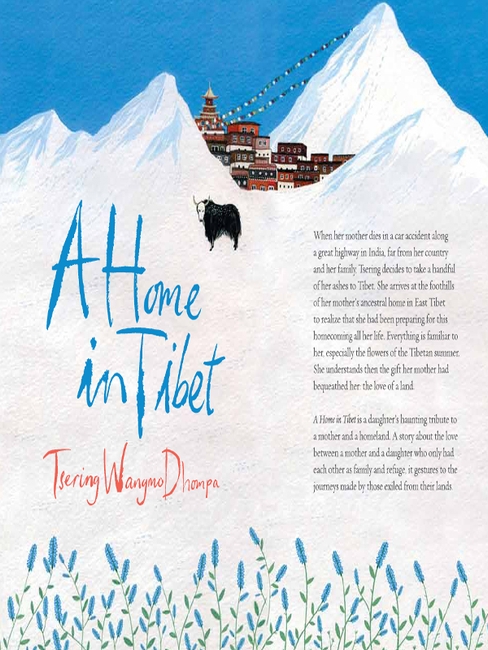
When her mother dies in a car accident along a great highway in India, far from her country and her family, Tsering decides to take a handful of her ashes to Tibet. She arrives at the foothills of her mother’s ancestral home in a nomadic village in East Tibet to realize that she had been preparing for this homecoming all her life. Everything is familiar to her, especially the flowers of the Tibetan summer. She understands then the gift her mother had bequeathed her: the love of a land.
A Home in Tibet is a daughter’s haunting tribute to a mother and a homeland. A story about the love between a mother and a daughter who only had each other as family and refuge, it gestures to the journeys made by those exiled from their lands, and the dreams of daughters.