‘Thoughtful, intelligent, rigorous and deeply insightful’-TimeOut
Full of unexpected ideas and fresh insights, A Great Clamour is an extraordinary account of contemporary Asia from one of our finest essayists. Journeying through China, Tibet, Mongolia, Taiwan, Indonesia, Malaysia, and Japan, Mishra explores the contradictions and dynamism of modern-day China, simultaneously drawing a vivid portrait of its neighbours, and the shadow the restless giant casts over its stage.
‘Intriguing vignettes of [China’s] transformation’-Business World
This inspiring volume presents unique insights from leading international scholars, activists, educators and thought leaders on the contemporary relevance of Gandhi’s ideas and actions. The essays here reveal that for Gandhi legitimate coercion by the state in certain cases was compatible with ahimsa; a balance between spiritual and material values was essential for a true civilization, and swaraj anchored in self-discipline and self-restraint was an imperative for sustainable ways of life. The essays also illustrate how Gandhi has been instructive for ethical business leadership, socially responsible investing and entrepreneurship, transformative education and caring for nature. This book compellingly reaffi rms the continuing signifi cance of Gandhi’s wisdom for a just and peaceful world.

Don’t let your job direct the way you look and feel about yourself!
If you have been working for a few years, you will be familiar with stress, anxiety, pressure, and deadlines. And if you travel for work, you know what it means to have skewed schedules disrupting night sleep and a lifestyle that you can’t hang on to.
Wellness expert Namita Jain has seen the effects of it all—obesity, heaviness, acidity, hypertension, diabetes—numerous problems that can bog you down and affect your self-esteem and performance.
Namita provides easy-to-achieve solutions to each of them so that you not only shed those unwanted kilos, but also gain back your health and energy!
Join the 9 to 5 Fit team now and feel the difference!
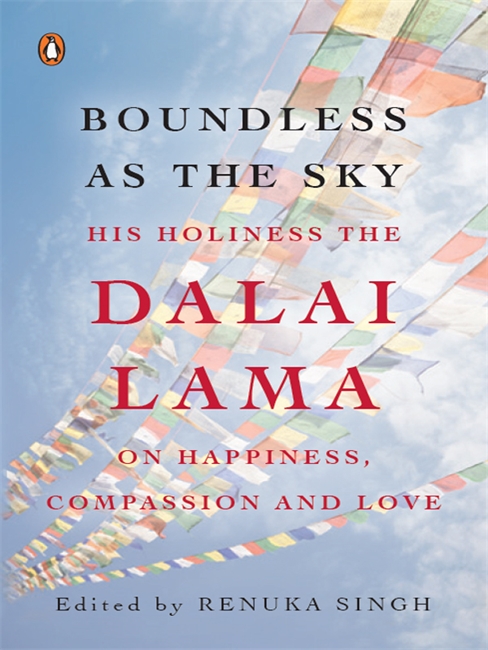
How a person thinks, behaves and feels ultimately impacts not just their own lives, but the society they live in. If we desire to attain happiness, we must understand that the journey begins within us, and can reach out to touch millions.
In this anthology, His Holiness the Dalai Lama, with characteristic wisdom, humour and kindness, directs us towards the path to a happy, healthy, peaceful life. Talking about universal themes such as compassion, peace, non-violence, secularism and the pursuit of a healthy mind and body, he reminds us that the responsibility to change our thoughts, actions and lives lies with us.
Once we accept ownership of every aspect of our lives, we can then begin to catalyse change in the lives of others and, through that process, change the world. Through these speeches and dialogues, His Holiness encourages each individual to embrace the path of happiness, compassion and faith.
From copying to bunking lectures, making friends to making girlfriends, college life is filled with questions that don’t have textbook answers. Until now!
For the first time in India comes a non-pakao book that gives students straight answers to nervous questions. From the author of Kissing Ass: The Art of Office Politics comes Ghanta College: The Art of Topping College Life—the ultimate college guide as you go from nervous fresher to confident graduate!
With true college stories from celebrities and gyan in the form of Professor’s Tips, Topper’s Secrets, and Nerd’s Warnings, if there’s any book you even pretend to read during college, make it Ghanta College.

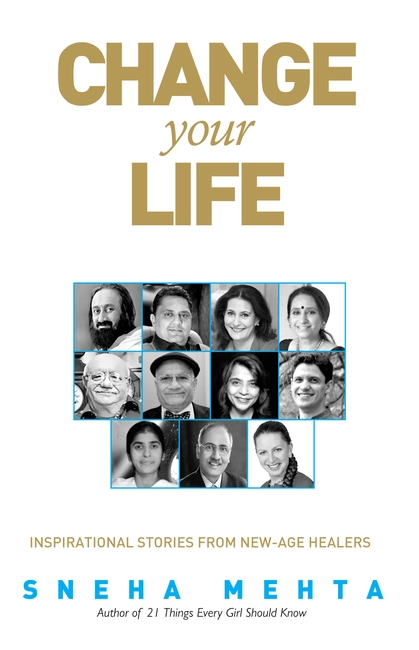
Sri Sri Ravi Shankar, Trupti Jayin, Bejan Daruwalla, Sanjay B Jumaani, Paula
Horan, Ramesh Chauhan, Pandit Gopal Sharma, Nithya Shanti, Bindu Maira, Nandita
Sanker, Rajyogini Shivani Didi
What are your options when you get stuck in life? How do you deal with a break-up or a life-threatening disease? Do you try to be positive? But if being positive was so easy, why is the suicide rate rising instead of dipping? Why did America have to go through recession when the Law of Attraction (for attracting money) is known to each and every citizen of the country? Why are we confronting more rapes and murders?
The answer is simple—Trying to be positive is not enough.
Change Your Life exposes you to a variety of paranormal practices which are otherwise termed controversial, hidden, or supernatural. From the author of 21 Things Every Girl Should Know comes a book that explains the ancient healing techniques that have miraculously changed millions of lives, worldwide.
The stories say one thing loud and clear. You can change your life. All you need to know is the way to do it.
When love comes with a mythic twist!
Born into a well-known business family, Deeya is a high-flying, spoilt, rich girl who owns an elite fashion store. Her parents want her to get married and hold a swayamvar of sorts for her to select a husband. And she has a dilemma—to go with the extremely attractive and intriguing Karan or the dashing and outgoing Arjun!
She is determined to make the best decision when she finds that her life resembles that of Draupadi, from the Mahabharata, in more ways than one.
Will she be able to find her own path in life? Or will she flounder?
Funny and romantic, Draupadi in High Heels explores the power of one’s choice and how deeply its affects life!
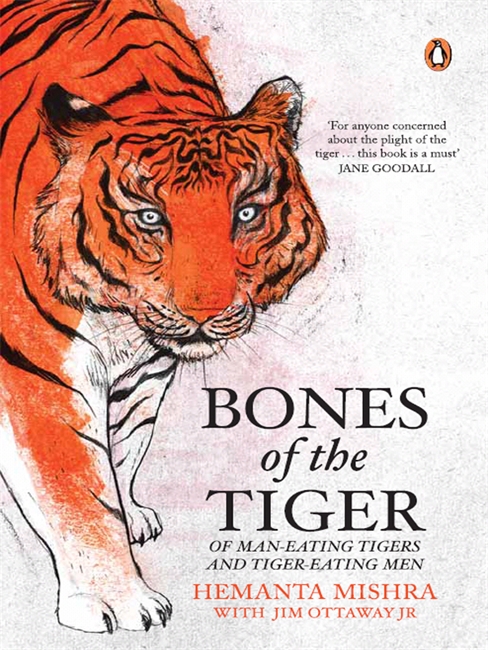
Tiger, tiger, burning bright
In the forests of the night
Majestic and beautiful, ferocious and lethal, the tiger has captivated the imaginations of people the world over for centuries. Inspiring myth and folklore as a graceful creature and terrifying predator, this big cat has long paced the jungles of Asia in a history strewn with conflict between man and beast—man-eating tigers have terrorized people for centuries. But in the twenty-first century, this conflict has turned on its head—tiger-eating men fund a very lucrative black market for tiger parts, and poachers and habitat destruction have brought the population down to less than 3500 individuals in the world today. A true adventure tale, Bones of the Tiger tells the fascinating story of one man’s quest to save the man-eating tigers of Nepal.

What to wear on a first date?
What bikini to boost your body type?
When and how should you curb your addiction to leopard skin?
Pernia Qureshi has the answer to all these fashion troubles and more. From improving your body confidence to flooring your boyfriend’s parents, Pernia’s unwavering sartorial sense informs every page, guiding you through seasonal trends, body smart dressing and event wear.
Be Stylish is a riotous journey through your wardrobe, a panoply of stylish secrets curated by celebrity stylist Pernia Qureshi to help you look like you, just a little more of the moment.

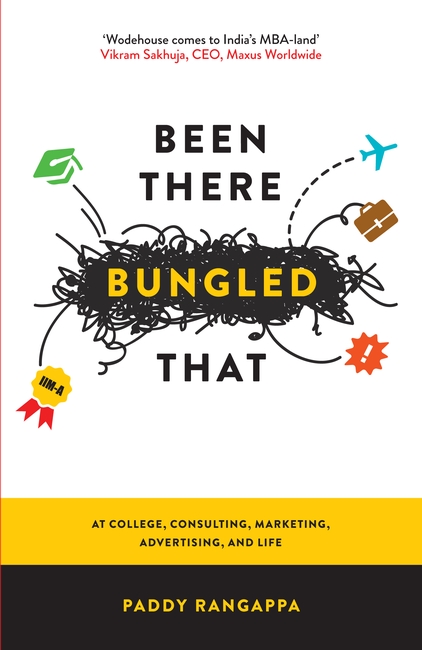
Jagannath Srinivasan, also referred to as Jags, is a bright albeit, highly confused, upwardly mobile male armed with an enviable IIT+IIM education. He drifts through life in benign auto pilot, easily swayed by things he reads, people he meets, and advice he receives. One day while trying to break into his professor’s house to submit a late assignment he chances upon a girl who he ultimately marries.
Armed with a wife, he is let loose to make his mark on the world. Step aboard as Jags goes from one job to another and one country to another with his self-deprecating humour and idiosyncratic view of cultures. Life is infinitely happier when you can laugh at yourself—experience it with the lovable Jags as he bungles and stumbles through it.