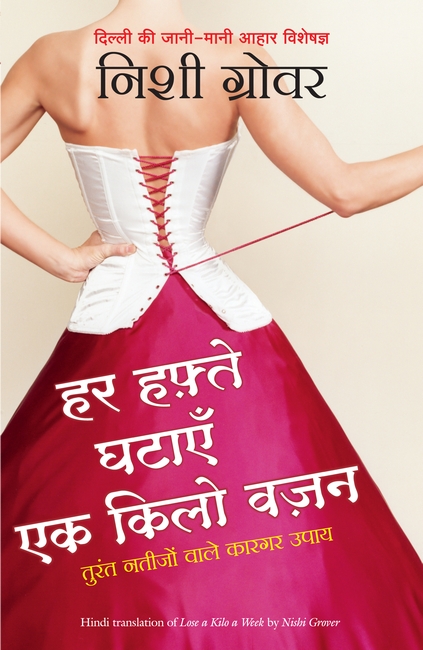
What do your best friend’s wedding, a beach holiday, and the coming of summer have in common?
You got it. It’s the need to knock off those extra kilos and get into your hottest avatar. And if you think that’s an impossible task after all the fruitless diets you’ve been on, well you’ve come to the right space.
Thirty years of experience under her belt and a clientele of 1500 Dilhiwallahs (who swear by her) later, Nishi Grover has finally put out the bible for weight loss. If this diet doesn’t get you into your favourite pair of jeans in a month, nothing else can. Simple, logical, and result-oriented, Lose a Kilo a Week follows a few key mantras—time, portion, quality, and mind control—which will get you ship-shape in no time. Packed with handy tips, diets, and charts that track your weight loss over the weeks, this is the definitive guide on losing weight quickly.

A professional meeting in wintry Prague
explodes into a thrilling and passionate
encounter between the Austrian tourist
Raina and an Indian student. With keenly
observed detail, Verma expertly conveys the
feverishness of the relationship fated to be
short-lived.
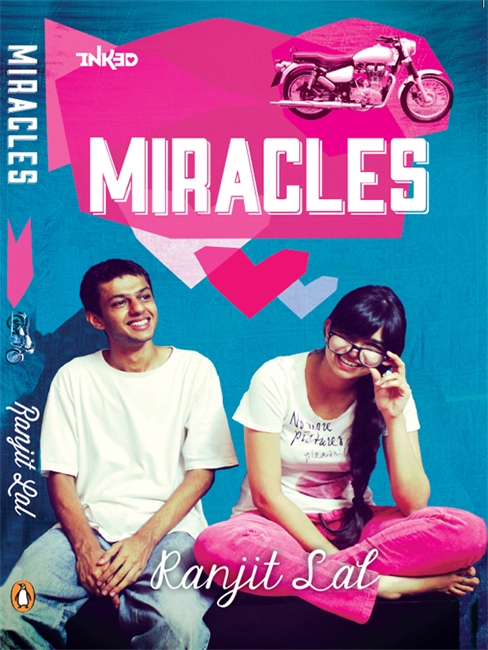
DO MIRACLES REALLY HAPPEN?
Sixteen-year-old Trisha is hugely embarrassed by her hip mom who rides around on a monster motorbike called Smelly Beast. But along with her exuberant little sister, Shivi, they make for a quirky threesome, as Trisha adjusts to a new school, explores her talent for singing and falls head over heels for Akshay. Trisha’s happy-go-lucky world suddenly comes crashing down when a fatal illness befalls her mother. She struggles to make the transition from a carefree teenager to a responsible adult, hoping that some miracle will magically set things right. Poignant and deeply sensitive, Miracles is a heart-warming coming-of- age story of a feisty young girl’s struggle against her fate.

‘Of all the continents, Asia is the gayest. Deep down, you’ve probably had your suspicions all along, and I’m here to tell you those suspicions are correct.’ So begins Gaysia, Benjamin Law’s wildly witty investigation of gay life in the biggest continent.
We follow him as he takes an in-depth look at resorts for gay nudists in Bali; transexualism and three formal genders in Thailand; China’s underground gay resistance; Japan and ‘the most breathtakingly messed-up porn’; religious fundamentalists of all persuasions keen on ‘curing’ homosexuality in Malaysia; sex workers and the spread of HIV in Myanmar; and the decriminalisation of homosexuality, gay pride parades and encounters with gay royalty and a popular spiritual guru in India.
Hilarious, perceptive, and poignant, Gaysia is a refreshing look at an aspect of Asia that has gone ignored too long.

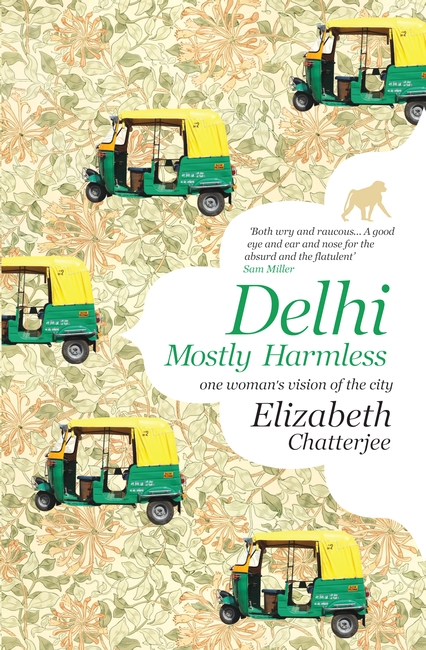
‘… nobody who lives there, nobody at all, has much good to say about Delhi.’ Along with Milton Keynes, Detroit and Purgatory, Delhi is one of the world’s great unloved destinations.
So when Elizabeth Chatterjee makes her way from the cool hum of Oxford to the demented June heat of heat of Delhi to research her PhD, she find herself both baffled and curious about the je ne sais quoi of this city of ‘graveyards and tombstones’. As flanêur and sagacious resident, Liz takes us through the serpentine power structures, the idyll, the bullshit—peeling layer after layer of the city’s skin to reveal its aspirations, its insecurity, its charm and finally its urban dissonance.
Uncannily perceptive, predictive, and hysterical, Delhi Mostly Harmless puts a firm finger on the electric pulse of Delhi.
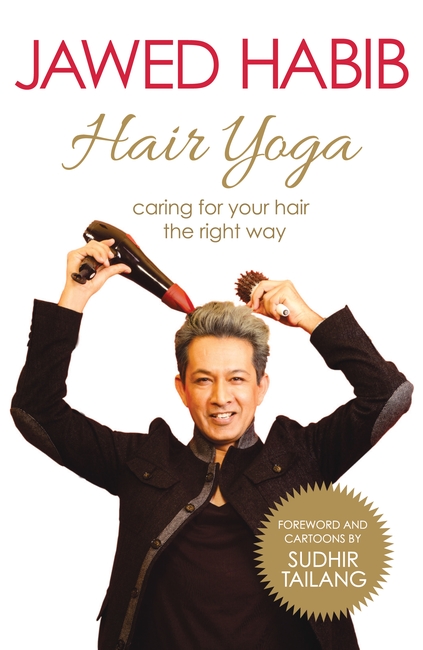
There are two things that are common to most people: we all want gorgeous hair and we all have at least one hair issue.
From styling celebrities to running one of the most popular salon chains in India, to the revolutionary Xpreso—the 99-rupess haircut—Jawed Habib is undoubtedly someone you can trust with your hair.
In Hair Yoga, Jawed takes you back to the basics of hair care and tackles all of your hair troubles. Packed with tips and remedies, this is the ultimate book to take hair health into your hands so that you have a good hair day, everyday.

When Flight Lieutenant Dilip Parulkar was shot down over Pakistan on 10 December 1971, he quickly turned that catastrophe into the greatest adventure of his life. On 13 August 1972, Parulkar, along with Malvinder Singh Grewal and Harish Sinhji, escaped from a POW camp in Rawalpindi. Four Miles to Freedom is their story.
Based on interviews with eight Indian fighter pilots who helped prepare the escape and the two who escaped, as well as research into other sources, Four Miles is also the moving, sometimes amusing, account of how twelve fighter pilots from different ranks and backgrounds coped with deprivation, forced intimacy, and the pervasive uncertainty of a year in captivity, and how they came together to support Parulkar’s courageous escape plan.

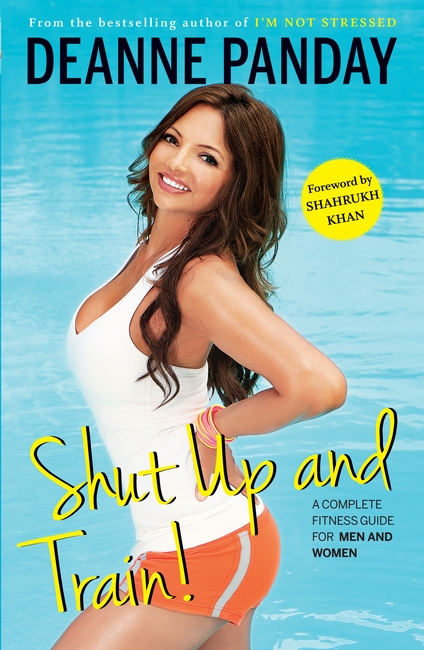
Exercising but not getting the desired results?
Need motivation but don’t know where to look?
Shut Up and Train! is the answer to all your workout woes. From the bestselling author of I’m Not Stressed comes one of the most comprehensive workout books that will help you get the body you always wanted. Learn about the four pillars of fitness (strength, endurance, flexibility, and balance), how to avoid an injury, the different forms of training, and even the miracle cure for cellulite.
Right from weight training to bodybuilding, Deanne Panday will share the tricks of the trade to help sculpt your body—just the way you want it.
1970s Calcutta. The city is teeming with thousands of young men in search of work. Somnath Banerjee “1970s Calcutta. The city is teeming with thousands of young men in search of work. Somnath Banerjee spends his days queuing up at the employment exchange. Unable to find a job despite his qualifications, Somnath decides to go into the order-supply business as a middleman. His ambition drives him to prostitute an innocent girl for a contract that will secure the future of Somnath Enterprises. As Somnath grows from an idealistic young man into a corrupt businessman, the novel becomes a terrifying portrait of the price the city extracts from its youth. Sankar’s The Middleman is the moving story of a man torn between who he is and what he wants to be. Stark and disquieting, the novel deftly exposes the decaying values and rampant corruption of a metropolis that is built on broken dreams and morbid reality. The evocative prose and vivid imagery in this first-ever translation successfully capture the textures of the Bengali original.
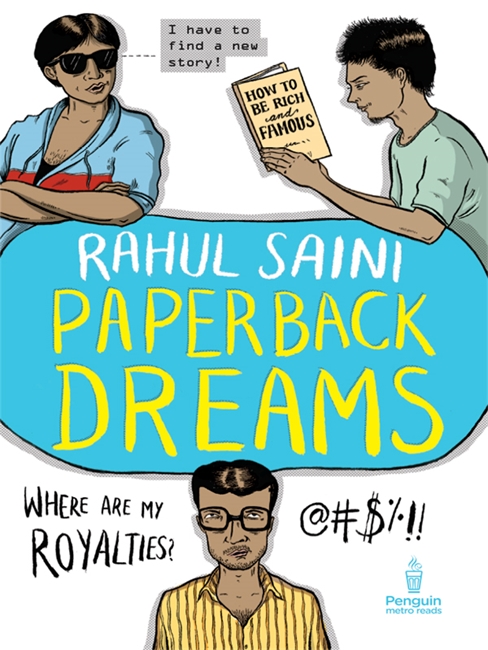
How low will you stoop to fulfil your dreams?
Jeet Roy, a college Casanova, has published a book by unfair means.
All he wants is to earn loads of money and have hot girls chase after him
wherever he goes!
Rohit Sehdev, a one-book-old popular fiction writer is furious when he
finds out that his publisher has cheated him out of his royalties.
Karun Ahuja is a highly ambitious schoolboy who wants to win the heart
his lady love by writing a novel about it. And he doesn’t mind playing dirty
to get to the top.
Ruthlessly exploiting these ambitious young men is their unscrupulous
publisher.
Sometimes funny, sometimes shocking, Paperback Dreams is the story of
a new breed of young writers who will do anything to get famous, fast.