




We all know that girls love boys who love girls, and then they turn into women who love men who love women. And no matter how much one would like to clutter their life with work or distract themselves with friends or treks or travels, at the end of the day it is the matters of the heart that take control of our deeper senses.
Forget algebra. Love can be the hardest, most complicated thing on earth.
This is a book about growing up, of learning and un-learning, losing and receiving, crying and smiling, but most of all—loving. From the first awkward teenage days to discovering boys to falling in love and getting your heart broken, Juhi Pande tells you the Things Your Mother Never Told You About Love. Guaranteed to lift the spirit and add a spring in your step, this book tells us everything us girls need to know to get us through the rough seas.
Catagory: Non Fiction
non fiction main category
Saltwater
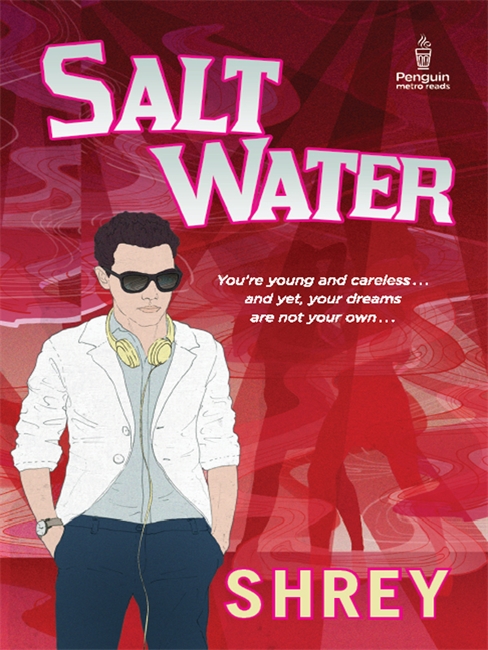
Young, F*cked Up and Beautiful
Rish returns home to Bombay, halfway through his college in the US, unable to deal with the suicide of his friend Sahil—a manic depressive with an uncontrollable drug habit. He touches down in a world of careless money and no rules.
As he struggles to repair old friendships and rekindle old love, he’s quickly sucked into the same old pattern of magic pills, endless parties and random sex. Rish’s quest for redemption quickly degenerates into an unstoppable roller coaster into the nights of south Bombay, tearing through exclusive nightclubs and sea-facing penthouses.
When it crashes —no one will be left standing.
Saltwater is the raw, uncut footage of an entire generation losing it, together, one shiny party at a time.
Jungle Trees Of Central India
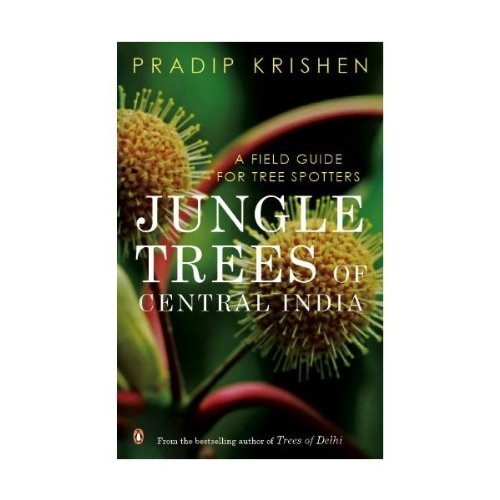
Covering an area larger than France, and including five of India’s most-visited tiger reserves, the forests of central India are one of the country’s most spectacular landscapes. Jungle Trees of Central India is the perfect guide to every tree you are likely to come across in this region. A culmination of over four years of research, the book has over 2000 photographs, and thumbnail keys to all the barks, flowers, fruit and leaves. An ideal companion for your explorations, it will turn you into an expert tree-spotter and take your enjoyment of wild places to another level.
Servants Of The Goddess
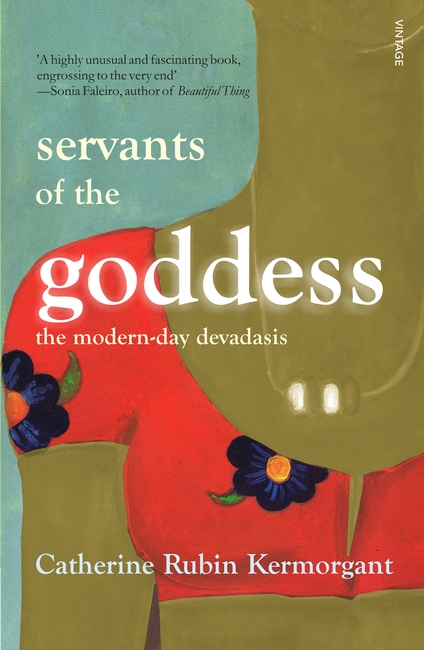
Servants of the Goddess weaves together the heartbreaking, yet paradoxically life-affirming stories of five devadasis—women, in the clutches of an ancient fertility cult, forced to serve the gods.
Catherine Rubin Kermorgant sets out attempting to make a documentary film about the lives of present-day devadasis. Through her, we meet and get to know the devadasi women of Kalyana, a remote village in Karnataka. As they grow to trust Kermorgant and welcome her as an honorary sister, we hear their stories in their own words: stories of oppression, discrimination, violence and, most importantly, resilience. Kermorgant becomes a part of these stories and finds herself unwittingly enmeshed in a world of gender and caste bias which extends far beyond Kalyana—all the way to Paris, where the documentary is to be edited and produced.
Servants of the Goddess is a testament to women’s strength and spirit, and a remarkably astute analysis of gender and caste relations in today’s rural India.
The Love Diet
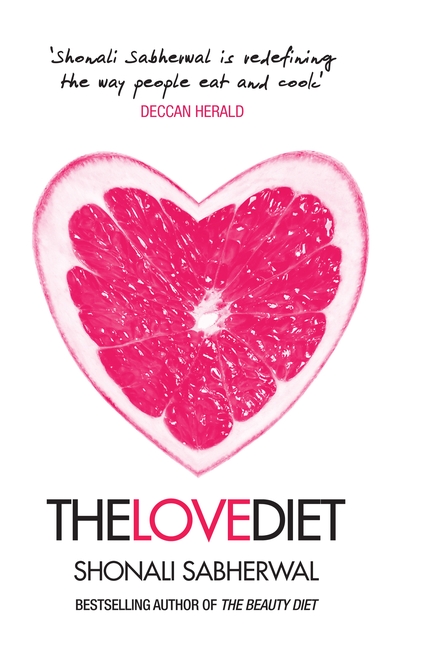
Can foods really affect your moods?
Can they also boost your sex life?
From the author of The Beauty Diet comes a unique book designed to cultivate love and improve health and vitality for a happy and blissful life. In The Love Diet, Shonali Sabherwal, India’s leading nutritionist, presents a refreshing approach to eating by sharing:
• Food secrets that can make you more caring, loving, and giving
• Tips to enhance sexual appetite in men and women
• Magical food and lifestyle factors needed for better sex and specific food plans and recipes
With insightful notes from clients and expert practitioners, The Love Diet is your go-to book for advice and solutions on how to feel happy and sexy.
Letters From A Young Poet
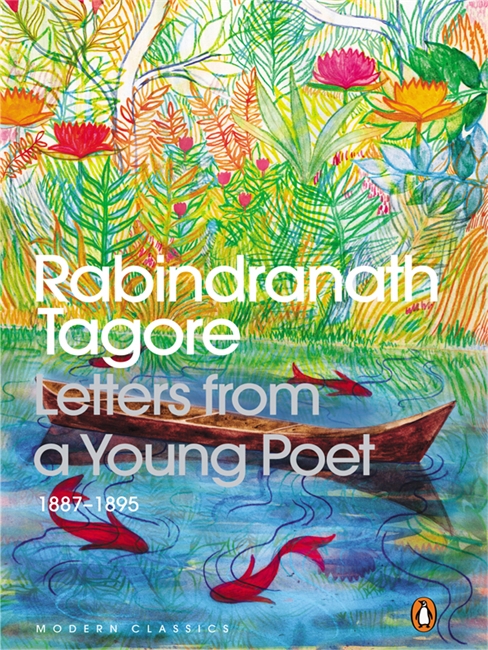
As a young man, Rabindranath Tagore wrote a series of letters to his niece during what he described as the most productive period of his life. By turns contemplative and playful, gentle and impassioned, Tagore’s letters abound in incredible insights—from sharply comical portrayals of English sahibs to lively anecdotes about family life, from thoughts on the nature of poetry to spiritual contemplation and inner feeling. And coursing through all these letters, like a ceaseless heartbeat, is Tagore’s deep love for the natural splendour of Bengal. In this manner, this volume also serves as a prose companion to his magnificent work Gitanjali.
Letters from a Young Poet shimmers with wit and warmth, and offers unforgettable vignettes of the young poet in those happy days before extraordinary fame found him.
Central Time
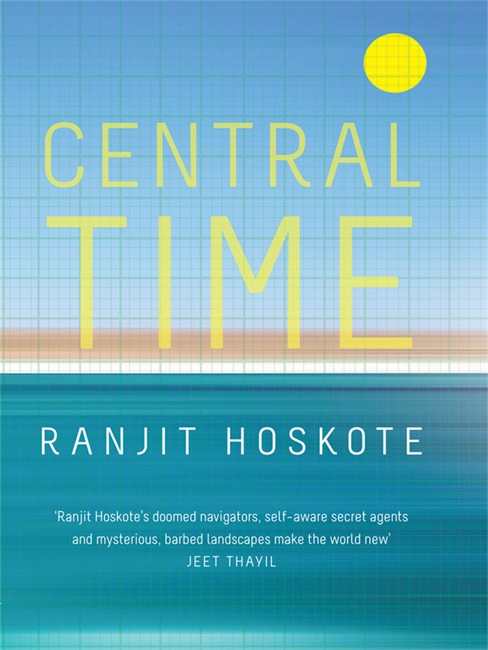
In Central Time, Ranjit Hoskote becomes the storyteller of a turbulent epoch. We meet Ovid and Ghalib, poets in exile or eclipse, in these poems, which are by turns elliptical, conversational and narrative. We meet painters who betray their art, and sculptors who are betrayed by theirs. Fascinated by the enigmas of time, memory and evanescence that art invokes, Hoskote addresses a range of artists including Bihzad, Magritte, Masaki Fujihata and Ranbir Kaleka. At the same time, he retains his affection for the natural world, celebrating the textures and intensities of sensuous experience: the roughness of stone, the dance of light, the flowering of touch and the taste of salt and cinnamon.
A testament to a present shimmering like a mirage between contested pasts and vexed futures, this book pivots around moments of encounter: a defiant squirrel in Anuradhapura, an enigmatic collection of objects in a Berlin museum or a man discovering a mass grave near Kabul. Written between 2006 and 2014, the hundred poems that form Central Time resonate with the crises of war, genocide, terror, forced migration and the precariousness of belonging.
Emote
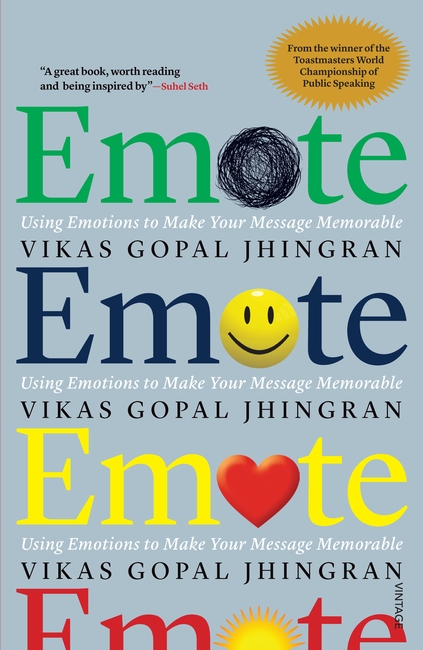
From being so inept at public speaking that his supervisor wouldn’t let him make presentations to clients—even when he had done all the work—Vikas Jhingran went on to become a championship-winning public speaker who leaves a lasting impact on his audience.
Few speakers and presenters understand speeches or presentations at a fundamental level. Most books have an overly prescriptive approach, using the tricks and tools of speech delivery that end up confusing the speech, instead of connecting with the essential part of speaking—that which engages listeners.
In Emote, Vikas Jhingran lays bare his unique approach—connecting with his audience on an emotional level, rather than subscribing to a “right” way of speaking—which applies equally to one-on-one conversations, small team settings, and large audiences. His method will show you how to express your ideas clearly, quell your fear of public speaking, calm the sweating, stuttering and jitters that plague people before crucial presentations, and, overall, help you become an effective communicator.
The Religions Of India
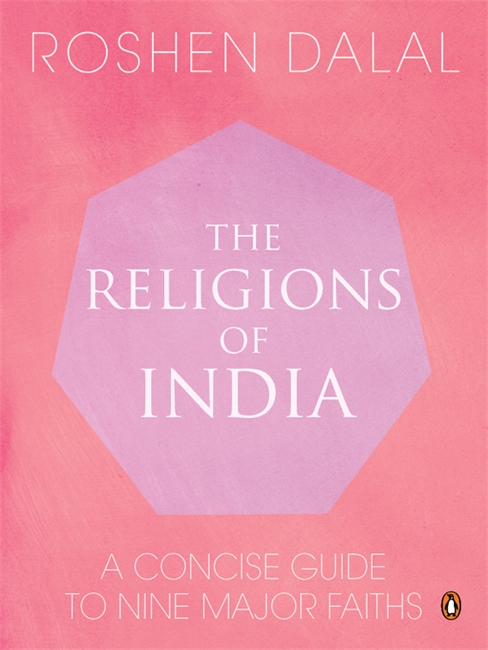
A handy guide to every religion practised in India
In India, the birthplace of some of the world’s major faiths and home to many more, religion is a way of life, existing as much in temples, mosques, churches and wayside shrines as it does in social laws, cultural practices and the political arena.
The Religions of India contains, in a single volume, a comprehensive account of every major faith practised in the country today—Hinduism, Islam, Sikhism, Christianity, Buddhism, Jainism, Zoroastrianism, Judaism, and the Bahai faith. This meticulously researched work traverses a vast range of topics—from Somnatha Temple and Babri Masjid to Tirthankaras and the Akali Movement; from the Shariat and the Eucharist to Shabuoth and nirvana. It places each religion in its historical context, tracing its evolution from its inception to the present.
• Incisive profiles of founders and key patrons, deities, saints, mystics and philosophers
• Information on and insights into lesser-known and regional forms of worship, as well as important festivals, customs and rituals
• Extensively cross-referenced with suggestions for further reading
Virasat
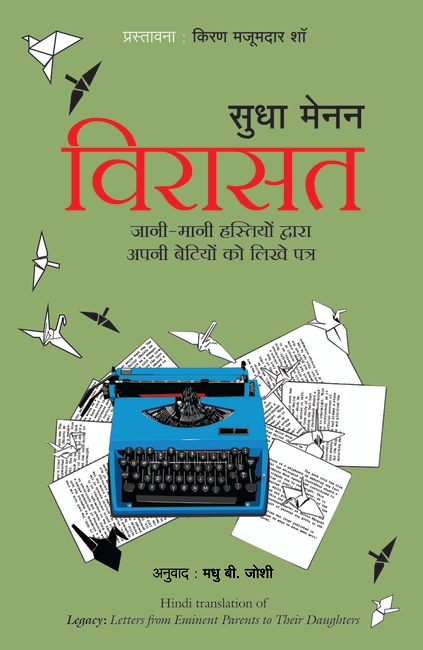
This is hindi translation from english book LEGACY. Narayana Murthy, Chanda Kochhar, Kishore Biyani, Zia Mody, K.V. Kamath, Ajay Piramal, Amit Chandra, Ganesh Natrajan, Renuka Ramnath, P.P. Chhabria, Pradeep Bhargava, Deep Anand, Capt. Gopinath, Mallika Sarabhai, Shaheen Mistri, Sanjeev Kapoor, Jatin Das, and Prakash Padukone
They say a daughter may outgrow your lap, but she will never outgrow your heart. In Legacy, noted journalist and author Sudha Menon brings forth a rare collection of personal and evocative letters from parents to their daughters. Through their fearless approach to life, love, and overcoming obstacles, these icons from the world of business, arts, films, food, and sports share with us their experience and wisdom as they pass them on to their daughters.
Deeply moving and thought provoking, Legacy is a remarkable collection of life lessons that will delight and inspire at the same time.