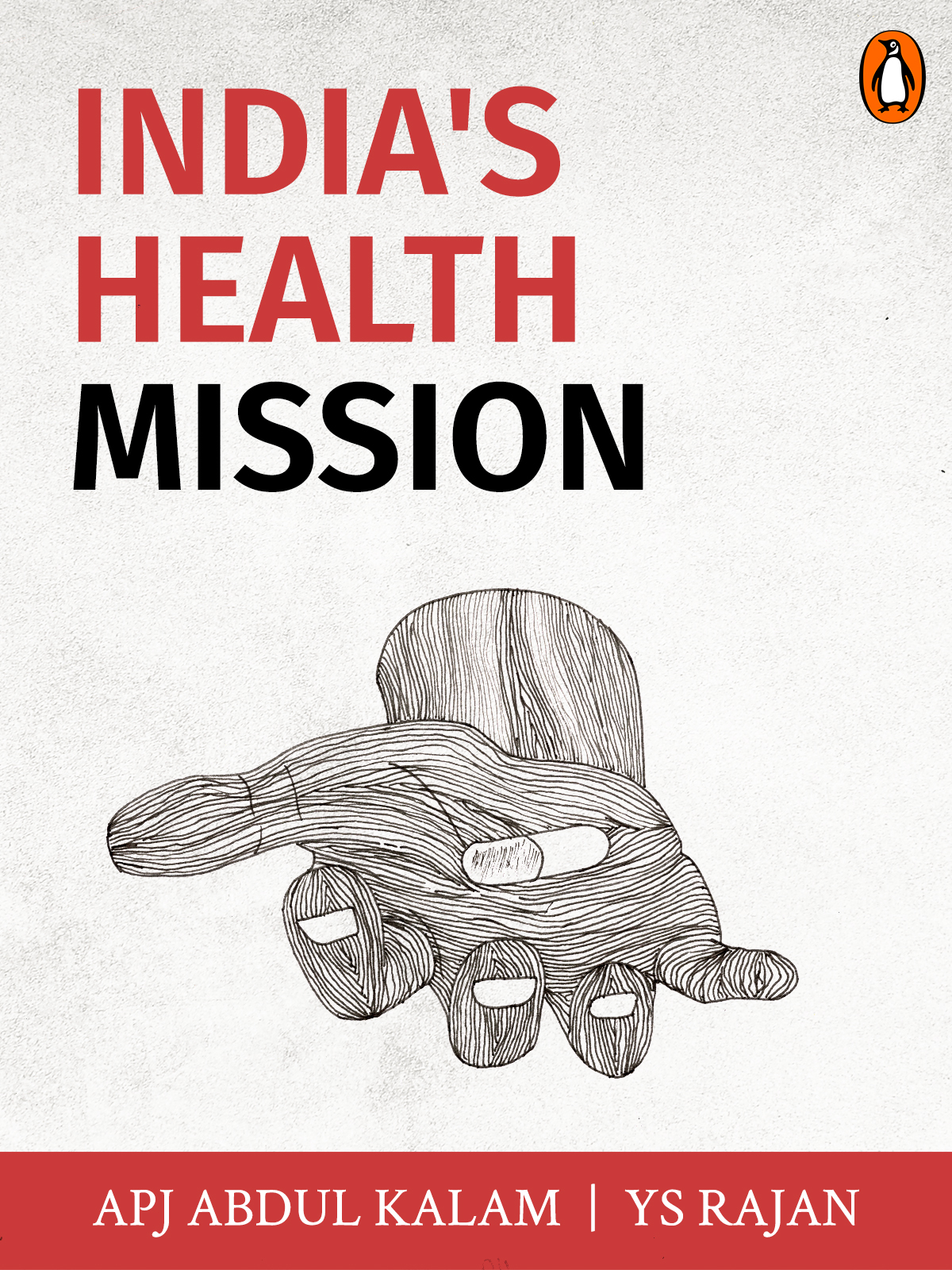
In the ultimate analysis, any society will be judged by its ability to provide universal healthcare for its people, which does not merely entail the ability to treat diseases and ailments but also to prevent their onset.
From ensuring disease prevention, sanitation and clean drinking water to achieving affordable and accessible healthcare for all, there’s a long way to go, especially when our public health services are under severe strain. What are the immediate steps we must take immediately to begin this difficult journey?
India’s Health Mission by A.P.J. Abdul Kalam and Y.S. Rajan is a detailed look at what we as a country can do to realize this fundamental vision.
Strength respects strength.’
In the period following World War II, as nations focused on developing their economies, security has come to mean more than just protecting borders. Other forms of security—food and economic security—have come to be of as much importance.
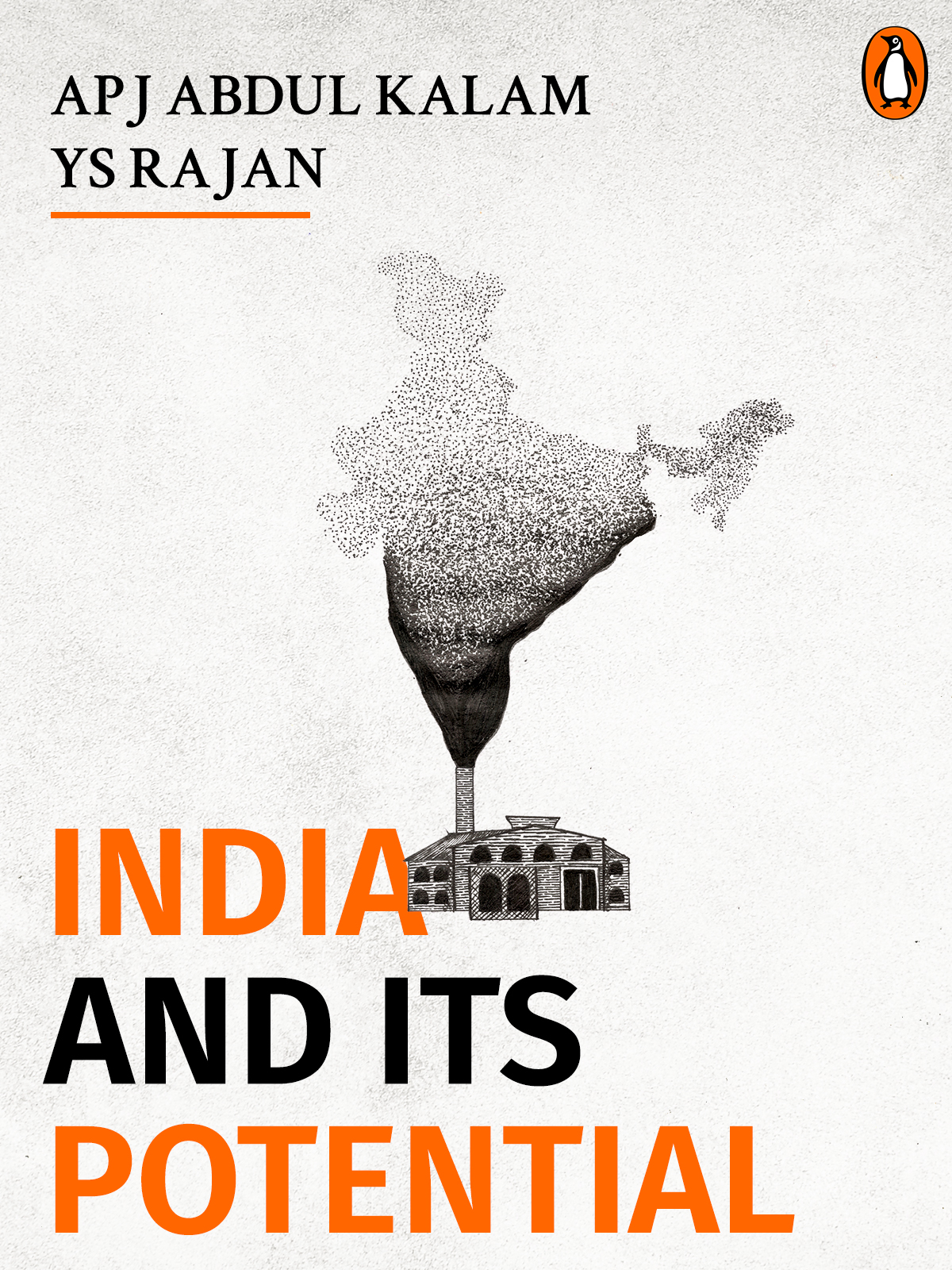
The term ‘strategic industries’ refers to industries that give India a decisive advantage over a broad range of areas and not just in a military context. Building strategic technology or industries today will find day-to-day applications two decades from now. It thus becomes imperative to develop these so that the future generation of Indians have new worlds to conquer and not struggle with challenges of the past.
In India and its Potential, A.P.J. Abdul Kalam and Y.S. Rajan highlight the possibilities that our country has yet to act upon, paving the way towards sustainable development.
As a country of one billion, we should gear ourselves to take up opportunities offered by the services sector in our march towards an India where every Indian will have wealth and well-being.’
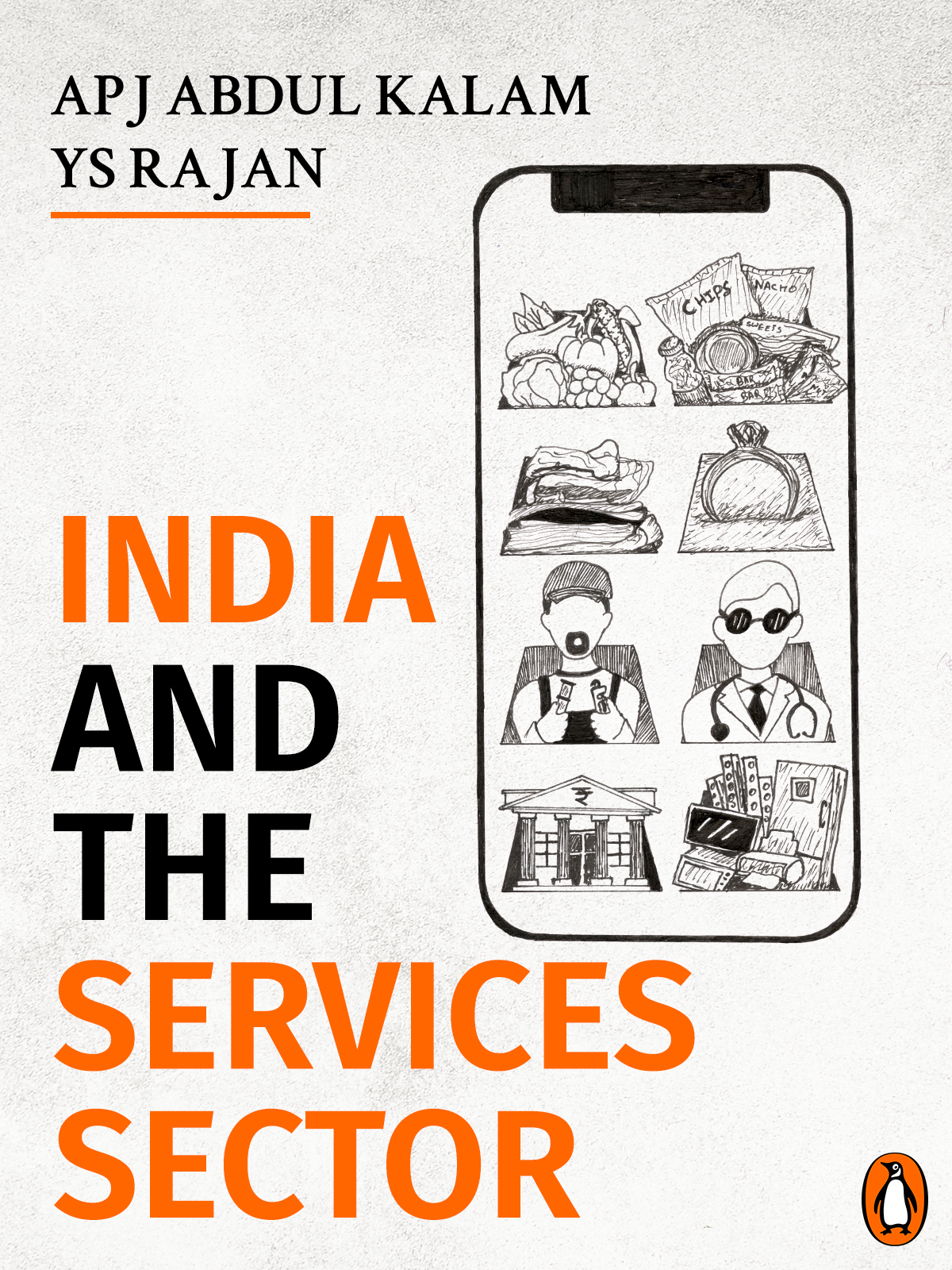
The services sector has come to be considered a major part of the economy. Modern agriculture, with its improved inputs and greater mechanization, has led to decreased agricultural employment and migration of farm workers to urban areas in search of better living standards. There is, as in the developed world, a search for new employment, namely, for a shift to a sector loosely defined as the services sector.
Although a country like India cannot afford to build its future on this sector alone, it can be and will be a major component of the economy—if only to find and create new jobs and individual prosperity for the people.
In India and the Services Sector, A.P.J. Abdul Kalam and Y.S. Rajan discuss the potential of developing the services sector and how much it can benefit the country in the long run.
A country of a billion-plus people has to excel in many crucial sectors; manufacturing is one of them.’
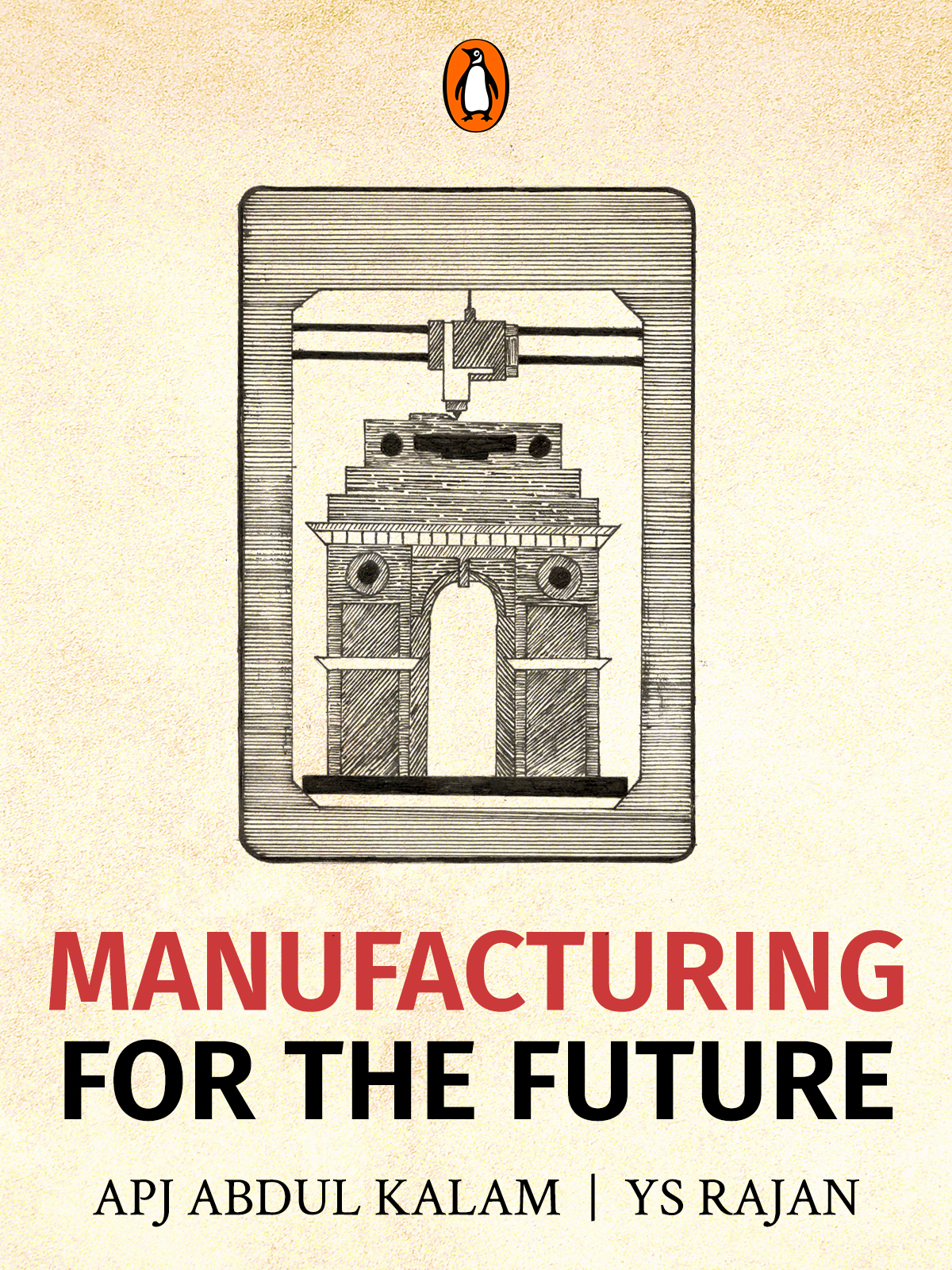
Mankind has seen rapid transformation in the last 150 years with the advent of electricity and its large-scale application, which led to mass-manufacturing techniques that were perfected in western nations and later taken to new levels of efficiency by Japan. The presence of traditional Indian skills in medicine, metallurgy, construction, textiles, hydraulics, or early shipbuilding, was an integral part of our innovation in ancient and medieval times. However, India was a latecomer when it came to learning new manufacturing techniques invented in Europe.
India stands to gain enormously by the coupling of computers and the manufacturing process. But how do we go about realizing this vision, drawing out the great potential of our people?
Read on as A.P.J. Abdul Kalam and Y.S. Rajan elaborate upon answering the most fundamental questions about India’s manufacturing potential in Manufacturing for the Future.
The use of chemicals and chemical products affects our lives in several ways. Fertilizers, pesticides, drugs and pharmaceuticals, petrol, diesel, natural gas and plastics have become an essential part of modern living. And while modern chemical engineering facilitates comfort and tools that improve the quality of life, the manufacturing of these chemicals brings with it the challenge of ensuring a clean and healthy environment.
Despite remarkable growth and diversification of the chemical industry, our technological strengths in process design and engineering have been poor, depending instead on imported technologies. The target for Indian industries and institutions should be to achieve their own, clean processing technology with total recycling and recovery. Are we capable of rising up to the challenge?
A.P.J. Abdul Kalam and Y.S. Rajan explore these questions—and offer answers—in India’s Biological Wealth.
The pace of social and economic growth has been closely linked to the proficiency with which people have been able to use and shape materials. Today, this proficiency has become the bedrock of a country’s development.
Strength in material technology is crucial for the agriculture–food processing and agricultural sectors. If we master it, we can ensure a bright future for our people. But what materials can we enhance to optimize our output?
Read on, as A.P.J. Abdul Kalam and Y.S. Rajan elaborate upon the potential India has in India’s Material Resources.
India has always found ways to overcome her problems. After terrible famines in the 1960s, we achieved foodgrain self-sufficiency in the 1970s. Today, we have buffer stock, diversification of agriculture and significant growth in the agriculture-based processing industry. Yet, about 40 per cent of our people still live below the poverty line.
Clearly, we haven’t solved all our problems on the food front. Moreover, with time, demand will increase and new challenges to agriculture will continue to surface. In such a case, how do we find a way to move forward?
In The Indian Food Crisis, A.P.J. Abdul Kalam and Y.S. Rajan present a range of simple technologies, a large set of necessary organizational efforts and information exchange programmes that will help us attain permanent and sustainable food security.
After Independence, India made simultaneous progress in many fields: agriculture, health, education, infrastructure, science and technology, among others. However, two decades after Independence, despite our numerous achievements, many doubts have emerged about our ability to handle our system on our own.
Technology has proved to be the highest wealth generator in the shortest possible period, if deployed in the right direction. It strengthens the political, economic and security structure of the nation. For India, technology is fundamental for the vision for the future. But what aspects must one focus on first?
Vision 2020 by A.P.J. Abdul Kalam and Y.S. Rajan elaborates on how India’s most fundamental needs can be married with technology, ensuring that we see the country’s products, services and technology emerge as world class.
India has never been averse to welcoming ideas and people from outside. Over the years, it has assimilated many ideas, cultures and technologies—after shaping them to suit its genius and environment. However, somewhere down the line, over the course of our long history, we appear to have lost faith in ourselves. Moreover, we haven’t yet become bold enough to chart our own path.
In such a case, it is good to hear and see what other countries have done, and are doing—although conclusions about what is good for our country are to be shaped by our people. With this in mind, we should look at how the US, Malaysia, Japan, South Korea and some European countries have generated vision documents of their own.
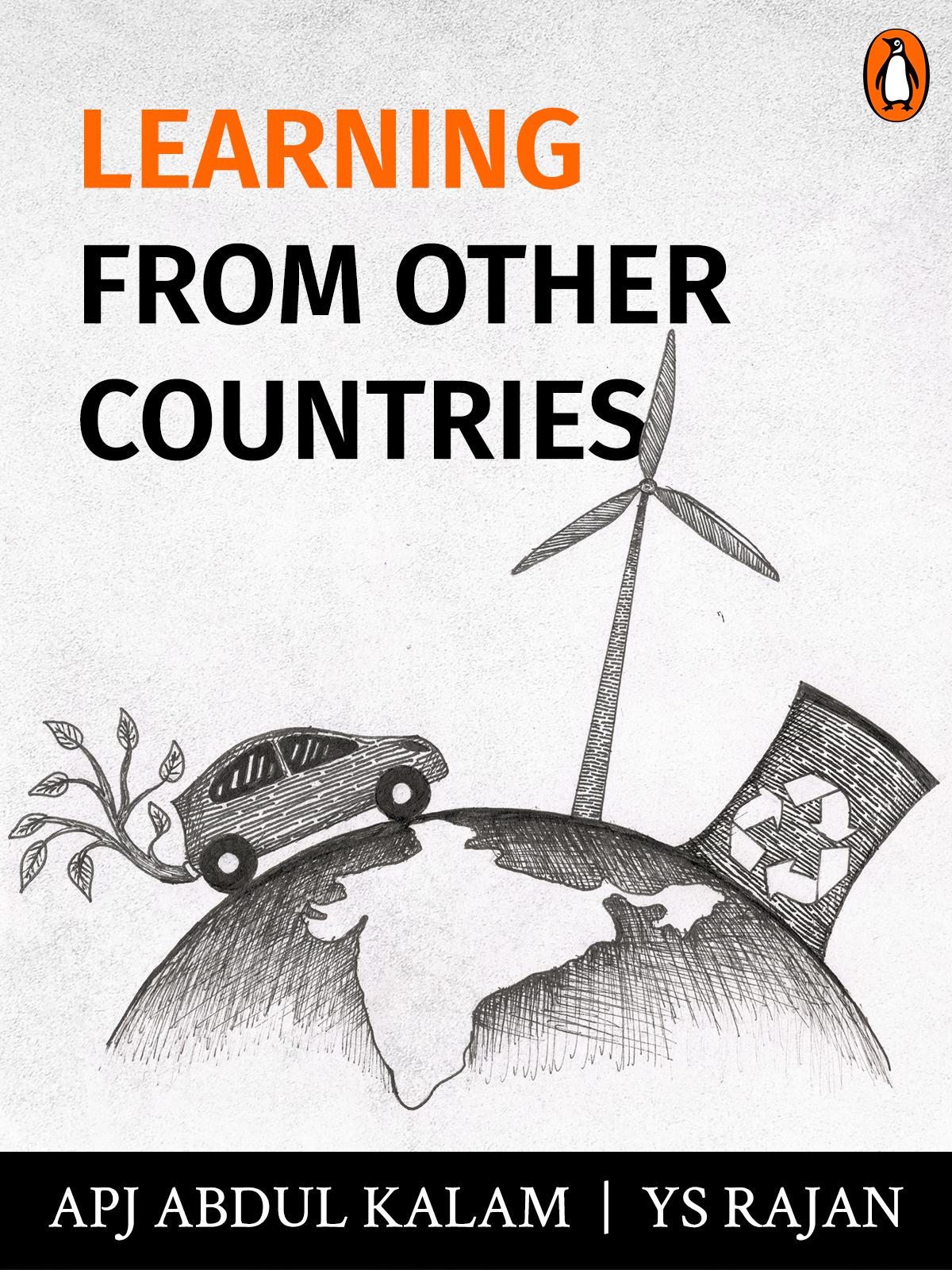
In Learning from Other Countries, A.P.J. Abdul Kalam and Y.S. Rajan highlight the importance of seeking inspiration from other developed countries in order to walk the path of development ourselves.
A developed India by 2020, or even earlier, is not a dream.’
What is it that makes a country ‘developed’? Is it the wealth of the nation? The prosperity of its people? Its standing in the international forum?
Economic indicators, although important, only provide a part of the picture. For instance, per capita income can indicate wealth in the hands of people, but everyone doesn’t have the same amount of money.
India’s core strengths are derived from its resources: national and human. It is by optimizing these to the fullest that we can really set out on the path to development. But where does one begin? What does one pay attention to first?
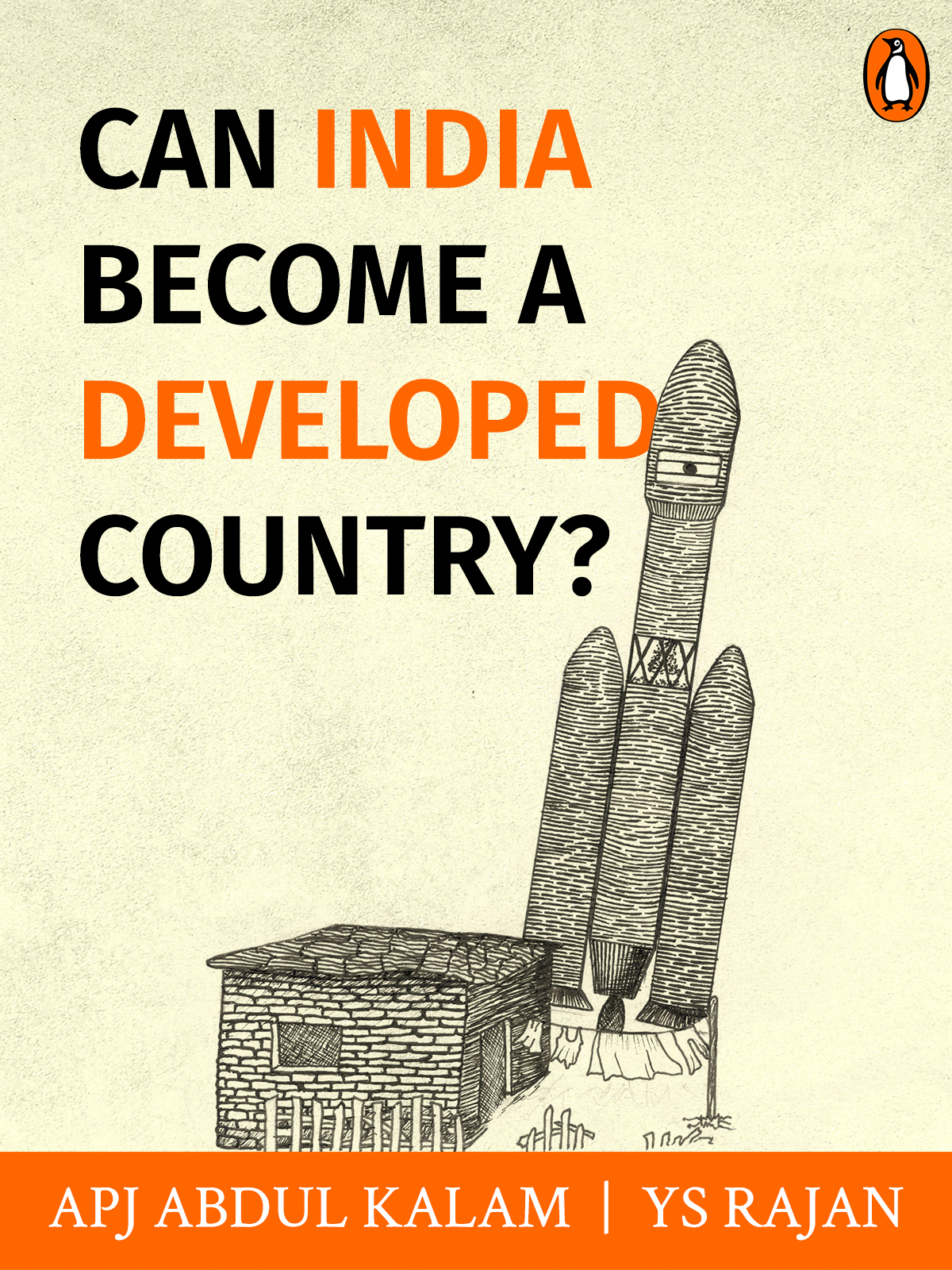
Can India Become a Developed Country? by A.P.J. Abdul Kalam and Y.S. Rajan takes a look at some of the fundamental questions we must ask as a populace to truly see India take its rightful place on the global map.