



If there is one part of this country that is still to be discovered, at least in terms of its cuisine, it is the North East. Those who live in, or have visited the seven sister states” Arunachal Pradesh, Assam, Manipur, Meghalaya, Mizoram, Nagaland and Tripura” would tell you that the kitchens of the North East are the source of an extraordinary range of dishes that blend tradition and innovation in unexpected ways. The basic tribal diet of jungle produce has over the years been shaped by the influence of various other communities: the Thais, who once ruled over some parts of the territory the Chinese, because of their proximity and the Bengali migrants, and it is this unusual combination that makes the food of the region unique in India. Lightly spiced, with hardly any oil, and flavoured with herbs that are now available in stores across the country, the stews, chutneys and curries in this book can transform the most ordinary meal into an exotic experience.
Catagory: Non Fiction
non fiction main category
The Essential North-East Cookbook
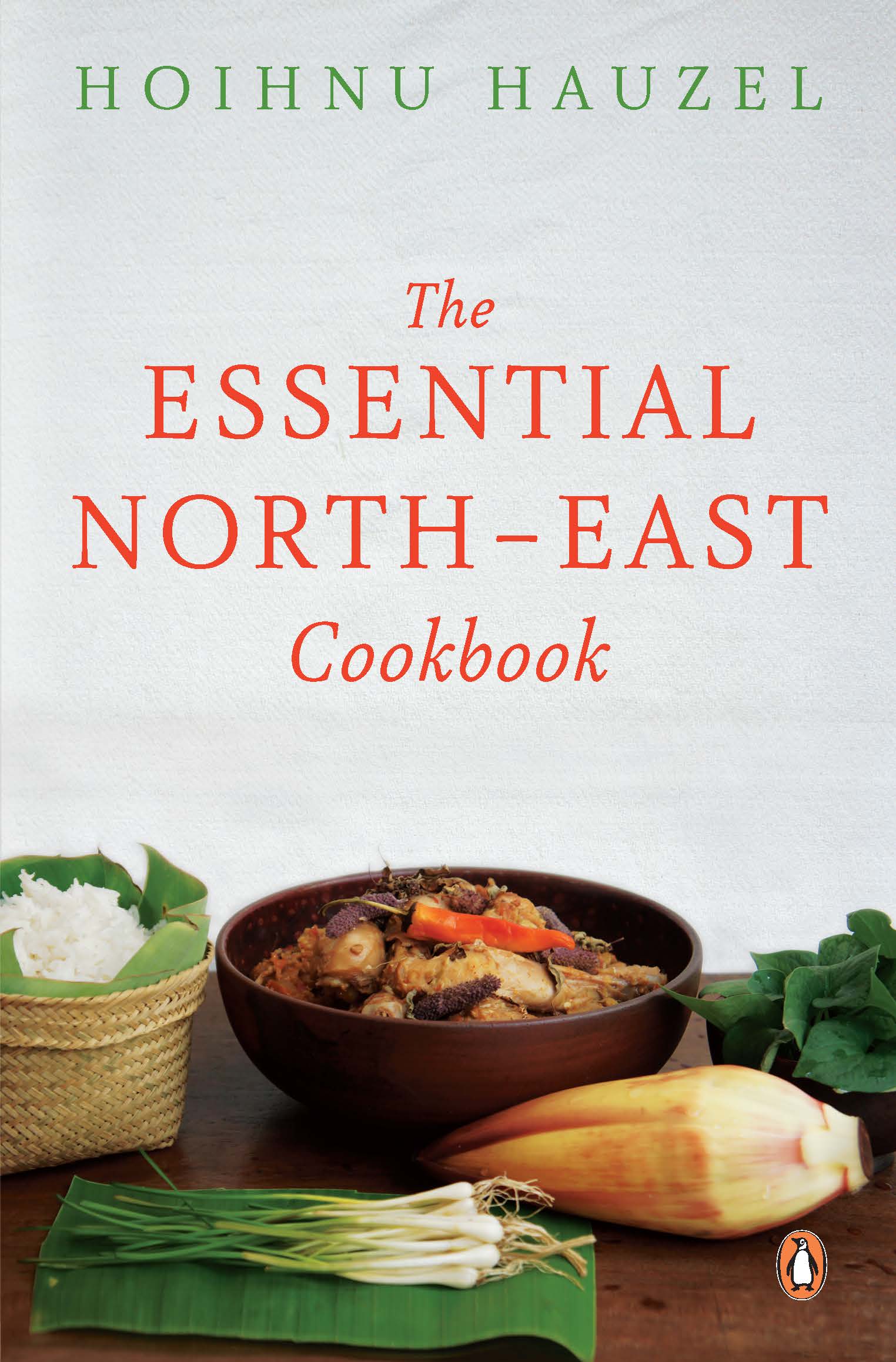
If there is one part of this country that is yet to be discovered, at least in terms of its cuisine, it is the North-East. The kitchens of the North-East are the source of an extraordinary range of dishes that blend tradition and innovation in unexpected ways. The basic tribal diet of jungle produce has, over the years, been influenced by various other communities-the Thais, who once ruled over some parts of the territory; the Chinese, because of their proximity; and the Bengali migrants-and it is this unusual combination that makes the food of this region unique in India. With a variety of new recipes from the eight states of the North-East-now including Sikkim-this updated cookbook will help you transform the most ordinary meal into an exotic experience.
Surviving Men
What every woman (and most men) should know about Indian men . . .
Bestselling novelist and columnist Shobhaa Dé gives us the provocative, no-holds-barred guide to the India man. Among questions she asks and answers are the following:
· Are men worth the time women spend on them?
· Is it possible to actually love a man?
· Are men any good in bed?
· Do men have real feelings?
· What men are most anxious about?
Selective Memory
Shobhaa Dé has been many things to many people: supermodel, celebrity journalist, bestselling author, friend, rival, colleague and confidante. In this engagingly candid memoir, a woman who has been a familiar face and name to millions (although few known to her) finally reveals the true self behind the public persona.
Insiders know that besides her commitment to work and the frantic pace of her life, Shobhaa Dé’s first priority in life has always been her family. Here she writes poignantly of her early years, and of her relationship with her parents and siblings, her husband and her children.
Written in a consistently confident and candid voice, Selective Memory: Stories from My Life is remarkable for the honesty with which it captures the essence of a fascinating woman who has become a legend in her own time
Speedpost
The relationship between a mother and her children is unquestionably the most special human bond there is. In this book, bestselling author Shobhaa Dé writes a series of letters to her six children on the key concerns of every mother and child in the twenty-first century: family values and tradition; discipline and the familiar bugbears of telephone calls, late nights and internet chats; growing pains and the adolescent anxieties about love, sex and friendship; religion and God, the eternal verities; and the challenge of being a responsible parent.
Rich, compassionate, loving, witty and wise, these letters will touch the hearts of readers everywhere.
The Transformed Mind Reflections on Truth, Love and Happiness
In his characteristically endearing and informal style, His Holiness the Dalai Lama examines the nature of the human mind and emphasises the need to transform it if we want to lead more fulfilling lives. In the form of several discourses delivered over a period of nine years, he talks about suffering, happiness, love and truth, and imparts practical wisdom on issues ranging from religious tolerance to world economy. Stressing the need for compassion and non-violence, the Dalai Lama reiterates the essential goodness of the human heart and teaches us how to live and die well, reminding us constantly of the responsibility of our actions and thoughts, and the interdependence between action and result. Wise, inspiring and always candid, The Transformed Mind gives us hope and solace in this new millennium.
Final Victory

On 8 January 1979, in the late evening, Naval, the third son of Pirojsha Godrej, was brutally stabbed at his residence, along with his daughter-in-law and mother-in-law. This dastardly attack, incited by a powerful trade union leader in Mumbai, outraged people in trade circles and the public at large. The victim was one of those rare industrialists who had forged a legendary bond with his workers; he trusted their essential goodness, believing he could have no enemies—a fatal flaw according to the author—, in as much as they thought Naval could never do them wrong.
In Final Victory: The Life—and Death—of Naval Pirojsha Godrej, B.K. Karanjia draws upon his reminiscences of Naval from their five-decade-long friendship, interviews with Naval’s family, friends, associates and workers at Godrej, and his private papers, to paint a warm and compelling portrait of a man with an exceptional strength of mind and character. We get a glimpse of Naval, a mechanical wizard, who was chosen by his father to join the business straight out of high school. Learning skills from the shop floor upwards, led Naval to support a hands-on approach in tackling problems, ‘never expecting others to do what he would not undertake himself.’ His affinity for machines led Naval to develop the Godrej Tool Room, and to initiate the hugely successful typewriter and refrigeration lines of business that, with safes and Storwels, made Godrej a household name. He was deeply involved in the construction of the Godrej industrial garden township at Vikhroli, considered among the monst environment-friendly.
In keeping with the Godrej family’s deep commitment to worker welfare and human development, Naval played an important role in setting up the Naoroji Godrej Plant Research Center, the Foundation for Medical Research, and the Mandwa Project of the Foundation for Research in Community Health.
Rich in detail, the book also brings out Naval’s humility and simplicity, his tremendous drive and energy, his quick anger at preceived injustice, his mischievous wit, and love of sports, especially sailing. Full of anecdotes, this lively account of an extraordinary life, affirms Naval’s place as one of the builders of the House of Godrej.
Business Mantras
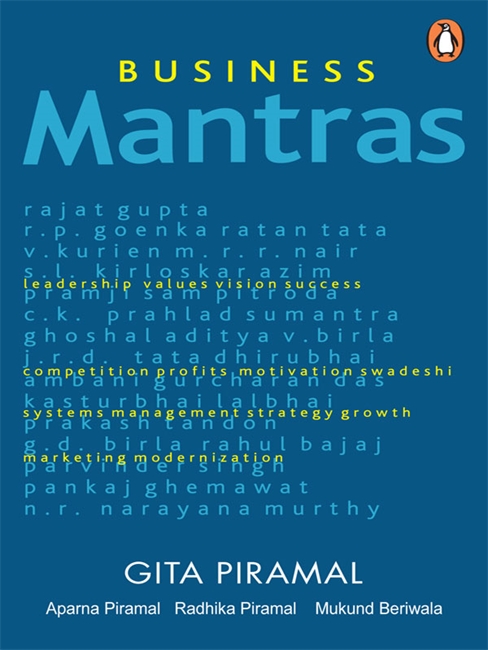
Business Mantras, business at it best,Why are some people more successfull than others?,What drives super achievers?,How is their thinking radically diffrent?What does vision mean and how important are values?These are some of the issues covered in this punchy collection of Business WISDOM from the finest minds in industry and management. Including here are G.D. Birla, J.R.D. Tata, Azim Premji, N.R. Narayana Murthy, V. Kurien, Sumantra Ghoshal et al. Their perceptive Observations on management skills, growth and Motivation are of special relevance in the Context of a globalizing Economy and make this collection, carefully edited by leadin business athor Gita Piramal and Mukund Beriwala, a one-stop guide to business success.
A. R. Rahman
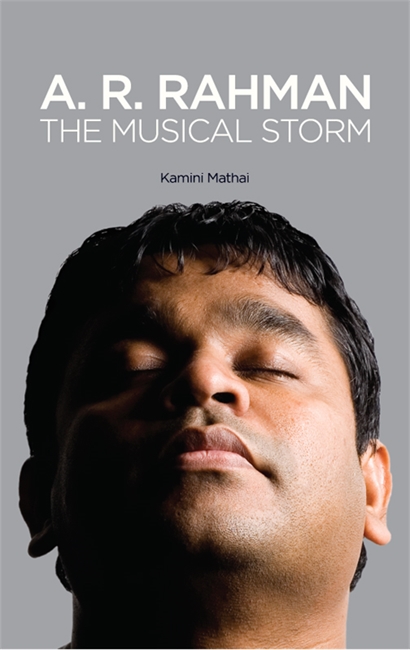
A.R.Rahman is an Indian film composer, record producer, musician and singer. His film scoring career began in the early 1990s. He has won twenty five Filmfare Awards, four National Film Awards, a BAFTA Award, a Golden Globe, two Grammys and two Academy Awards.
Working in India’s various film industries, international cinema and theatre, by 2003, Rahman, in a career spanning over a decade, has sol…d more than 100 million records of his film scores and soundtracks worldwide, and sold over 200 million cassettes, making him one of the world’s all-time top selling recording artists.
Time Magazine has referred to him as the “Mozart of Madras” and several Tamil commentators have coined him the nickname Isai Puyal
The Pain Handbook
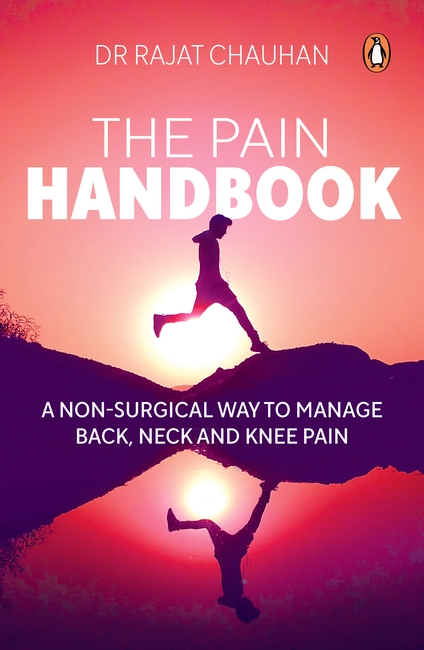
DR RAJAT CHAUHAN TELLS US HOW TO TREAT PAIN WITHOUT GOING UNDER THE KNIFE
Back pain affects 80 per cent of the people and remains the toughest ailment to treat. Dr Rajat Chauhan gets to the heart of the problem and explains how pain works, why we develop it and how we can heal it. The book is sure to resonate with anyone who has ever suffered from back, neck and knee pain.