




The Chicken Cookbook include Fragrant biryanis, spicy achars, mouthwatering kababs, and many other things you can do with chicken.There are almost as many ways of cooking chicken as there are cooks. This most versatile and undoubtedly the most popular non-vegetarian item on most tables, in India and abroad, can be curried, fried, roasted, grilled, baked or just shredded into salad with the most spectacular results. Here, the author sets down over a hundred recipes some of them well-known and often served at homes and restaurants, some that are special to a region or community, and several others that have been improvised and perfected by the author over the years. The recipes include: Kalmi kabab Tandoori murgh pakora Murgh malai tikka Balti achari murgh Murgh musallam Nargisi murgh kofta curry Sabz murgh Yakhani Kashmiri murgh Kori gashi Sindhi methi murgh.
Catagory: Non Fiction
non fiction main category
Tatalog
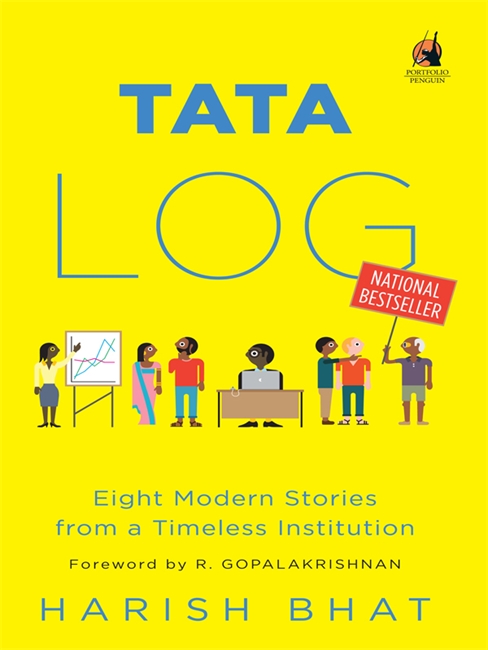
From steel to beverages and from supercomputers to automobiles, TATA companies have broken new ground and set new standards of excellence over the past two decades. Tatalog presents eight riveting and hitherto untold stories about the strategic and operational challenges that TATA companies have faced, and the forward thinking and determination that have raised the brand to new heights. Among the engaging and inspiring stories told here are those of Tata Indica, the first completely Indian car that succeeded in the face of widespread cynicism; the jewellery brand Tanishq that has transformed one of India’s largest industries; and Tata Finance, which underwent several tribulations yet demonstrated the principles that TATA stands for.
The Curious Marketer
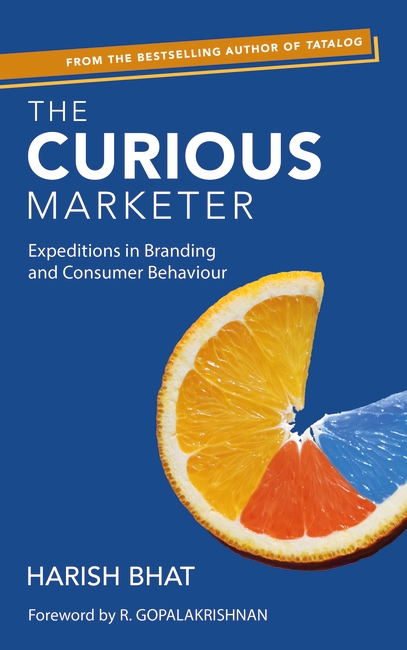
‘Out of curiosity comes everything’-Steve Jobs
From Apple to Tata Tea, many leading brands have their roots in curiosity. The desire to know more often leads to new ideas and perspectives; for a marketer, inquisitiveness shapes the way one looks at products and their branding. In his new book, Harish Bhat presents some of his most popular columns, which first appeared in The Hindu BusinessLine, exploring more than fifty products, places, people, books and publicity campaigns that excite him as a marketer.
From brand marketing using aliens and flying saucers to going big with a delicious local product (banana chips or coconut water), from the interesting concept behind multicoloured socks to the metamorphosis of the Diwali shopper, Bhat touches on fascinating areas that marketers are targeting today.
Immensely topical, this is a pleasurable read that will be of great interest to general readers, as well as students and professionals working in the colourful area of marketing.
Flavours Of Delhi
Just as each ruler left his architectural mark on Delhi, so each bequeathed to it a culinary legacy. Flavors of Delhi: A Food Lover’s Guide tells the story of Delhi through its food. It explores the city’s culinary history beginning with Indraprastha, taking us through the Sultanate period, Mughal rule and the British raj, and bringing us right up to the present. Professional chef and food writer Charmaine O’Brien’s love for Delhi and its culinary delights is evident. She tells us not only what to eat, but also where to eat it. From paranthas in the galis of Chandni Chowk to kakori kababs at the fancy Dum Pukht, from chaat at a roadside stall to appams at Keraleeyam, from fresh fruit and vegetables at INA Market to fish at Chittaranjan Park, O’Brien takes us on a guided tour through the capital, encouraging us to sample and savour as we see. History comes alive as the recipes in this book allow us to recreate the varied flavors of the city in our kitchens. The result of extensive travel and research, and lavishly illustrated with photographs taken by Kirsten Grant, Flavors of Delhi is a fascinating read that whets the reader’s interest and appetite.
Dalit Millionaires
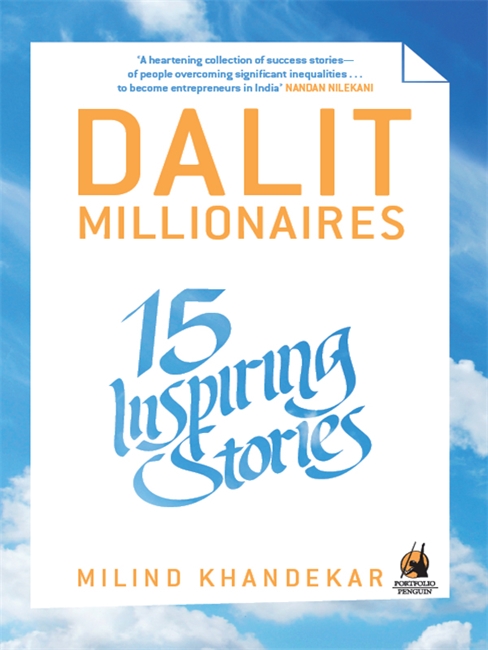
Dalit Millionaires is a collection of profiles of fifteen Dalit entrepreneurs who have braved both societal and business pressures to carve out highly profitable niches for themselves. The book is a vivid chronicle of how the battle has moved from the village well to the marketplace.There are tales describing how the multimillionaire Ashok Khade, at one time, did not have even four annas to replace the nib of a broken pen, how Kalpana Saroj, a child bride, worked her way to becoming a property magnate, and how Sanjay Kshirsagar moved on from a 120-foot tenement and now seems well on his way to becoming the emperor of a firm worth Rs 500 crore.The only common thread through these stories is the spirit that if you can imagine it, you can do it.
Jinnah
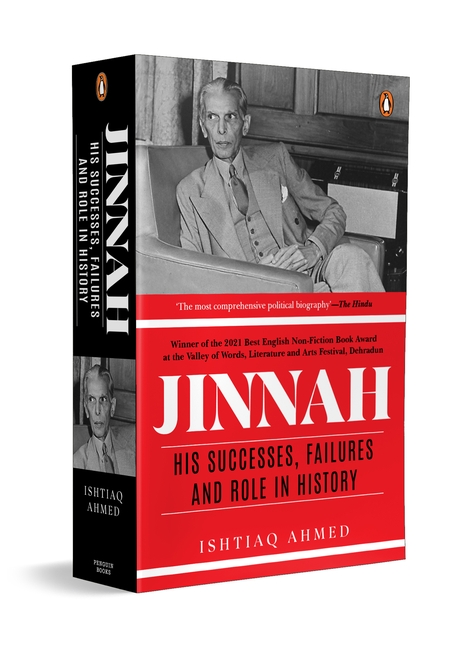
Mohammad Ali Jinnah has been both celebrated and reviled for his role in the Partition of India, and the controversies surrounding his actions have only increased in the seven decades and more since his death. Ishtiaq Ahmed places Jinnah’s actions under intense scrutiny to ascertain the Quaid-i-Azam’s successes and failures and the meaning and significance of his legacy. Using a wealth of contemporary records and archival material, Dr Ahmed traces Jinnah’s journey from Indian nationalist to Muslim communitarian, and from a Muslim nationalist to, finally, Pakistan’s all-powerful head of state. How did the ambassador of Hindu-Muslim unity become the inflexible votary of the two-nation theory? Did Jinnah envision Pakistan as a theocratic state? What was his position on Gandhi and federalism? Asking these crucial questions against the backdrop of the turbulent struggle against colonialism, this book is a path-breaking examination of one of the most controversial figures of the twentieth century.
Tracking Globalization
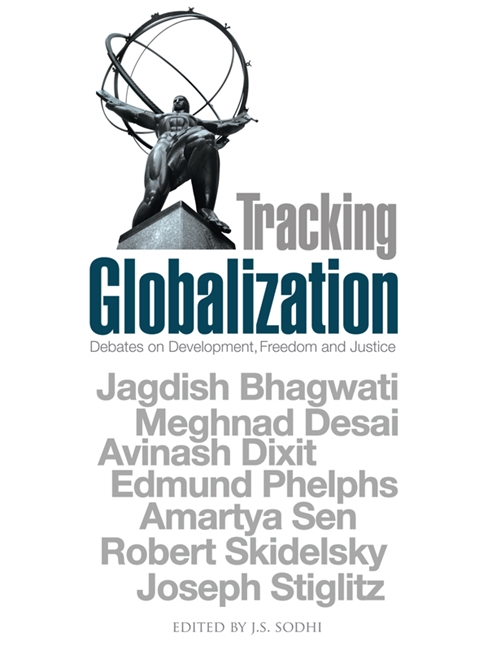
As India, one of the world’s fastest-growing economies, races towards becoming a major world power, all-too-familiar disadvantages and drawbacks hold the country back – extreme poverty, poor governance and, importantly, difficult international markets. The one issue that needs to be addressed today is how India, and indeed other less-developed nations, can achieve its full growth potential.
Presented in this volume are the thoughts of leading economists on India’s rocky relationship with globalization. Drawing from lectures by Jagdish Bhagwati, Meghnad Desai, Avinash Dixit, Edmund Phelps, Amartya Sen, Robert Skidelsky and Joseph Stiglitz, which were organized by the Shri Ram Centre for Industrial Relations and Human Resources, New Delhi, this volume brings together all the major arguments for equitable globalization.
Tracking Globalization includes an insightful introduction by the editor, J.S. Sodhi, and discussions on the topics as varied as the need to break down trade barriers and monopolies, the failures of India’s licence permit raj, and India’s strengths, such as the large population of people of working age with English-language skills. Accessible and comprehensive, this volume is an indispensible guide to making globalization work for India.
Dubai
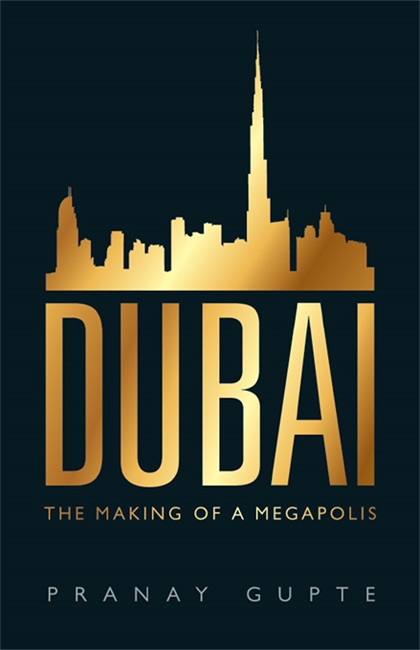
From desert sands to a glittering metropolis: the inside story of Dubai’s transformation. In just two decades, Dubai has reinvented itself from a small, poor and quiet fishing village to a dazzling city with a vibrant urban life. How did this happen? Home to more than 200 nationalities—particularly those from the Indian subcontinent—the emirate’s choice to welcome expatriates has paid off. Cultivating an open and welcoming culture, Dubai manages to attract people from all over the world, heartily embracing any entrepreneurial contribution they wish to make. The emirate is now also known for its cosmopolitan melting-pot culture, and its enabling environment to conduct business, and this, along with the tax-free system and hassle-free infrastructure, makes it a much sought-after site for multinational enterprises who want a base in Asia. Unlike the Gulf emirates that can count on petroleum wealth, Dubai has wound its way to prosperity by planning carefully and executing those plans methodically. Its airline and luxury construction have made it a popular destination for luxury tourism. Projects like the Burj al-Arab, the Palm Jumeriah and the Burj Khalifa, along with events like the world’s richest horserace—the Dubai World Cup—and the Dubai Shopping Festival, have sustained tourist interest and focused the world’s attention on the emirate. Pranay Gupte draws on his deep knowledge of the region and its leading personalities to trace the city-state’s extraordinary and fabulous journey.
The Power Of Promise
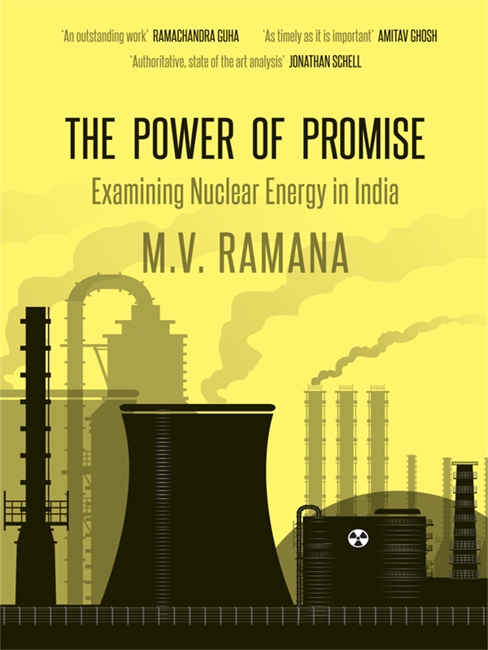
Nuclear power has been held out as possibly the most important source of energy for India. And the dream of a nuclear-powered India has been supported by huge financial budgets and high-level political commitment for over six decades. Nuclear power has also been presented as safe, environmentally benign and cheap.
Physicist and writer M.V. Ramana offers a detailed narrative of the evolution of India’s nuclear energy programme, examining different aspects of it and the claims of success made on its behalf. In The Power of Promise he makes a historically nuanced and compelling argument as to why the nuclear energy programme has failed in the past and why its future is dubious.
Ramana shows that nuclear power has been more expensive than conventional forms of electricity generation, that the ever-present risk of catastrophic accidents is heightened by observed organizational inadequacies at nuclear facilities, and that existing nuclear fuel cycle facilities have been correlated with impacts on public health and the environment. He offers detailed information and analysis that should serve to deepen the debate on whether India should indeed embark on a massive nuclear programme.
A Life in Science

A Bharat Ratna talks about his life in science in India
Dr C.N.R. Rao talks about his journey and what it takes to become a great scientist. With rare photos, the book covers his early years, his inspirations, the odds he had to overcome to pursue his dream and what it means to be a scientist in India.