




Saratchandra Chattopadhyay is widely acknowledged as one of the greatest Indian novelists of the twentieth century. His novels, serialized in periodicals and subsequently published in book form, earned Saratchandra immense fame in the early decades of the century, and established him as Bengal’s master storyteller. Even today, seven decades after his death, Saratchandra remains one of the most popular novelists in Bengal, and is widely read in translation across India as well. This collector’s edition of Saratchandra’s works in English translation brings together the writer’s most renowned and best-loved novels in two omnibus volumes. The first volume features five novels: Srikanta, Devdas, Parineeta, Palli Samaj and Nishkriti. Srikanta is the story of a wanderer who observes the people around him; through them- especially the women he loves and respects, from the sacrificing Annada Didi and the rebellious Abhaya to the housewife Rajlakshmi and the courtesan Pyari Bai- he tries to arrive at an understanding of life. Devdas, on the other hand, is the tragic tale of a man who drives himself to drink and debilitation when he is unable to marry his childhood sweetheart Paro. In Parineeta (Espoused), the orphaned Lalita is secretly in love with her guardian Shekhar, but circumstances conspire to drive the two apart. Palli Samaj (The Village Life) has Ramesh, an engineer, returning to the village of his birth to try and rid it of the backwardness that plagues it, even as he tries to revive his childhood ties with Rama, now a widow. In Nishkriti (Deliverance), the strong-willed Shailaja, the youngest daughter-in-law in a joint family, is made an outcast as a result of a misunderstanding; much later, her elders realize their mistake, just in time to save the family from disintegration. Each of the novels showcases the qualities Saratchandra is famous for: everyday stories told in a simple yet gripping style, strong characters, meticulous plotting, true-to-life dialogue, and unforgettable depictions of life in turn-of-the-century Bengal. Translated especially for Penguin, these classic novels will delight those new to Saratchandra’s works as well as those who want to return to them again.
Catagory: Non Fiction
non fiction main category
The Penguin Food Guide To India

This first-ever comprehensive guide to regional food across India takes
you on a mouth-watering journey through the homes, streets and
restaurants of each state, exploring exotic and everyday fare in equal
measure. Be it the lime-laced Moplah biryani, the Goan Galinha cafreal,
the bhang ka raita of Uttarakhand, or the Singpho people’s Wu san tikye,
India’s rich palette of flavours is sure to drum up an insatiable appetite in
you. Laden with historical information, cultural insights and personalized
recommendations, The Penguin Food Guide to India is your ideal
companion to the delightful world of Indian cuisine.
Realizing Vision 2020
The progress of a nation that has over a billion people depends on how its people think. But for change to happen, action upon those thoughts is necessary. And somehow, over the years, India has developed the habit of giving less priority to actual action.
Fortunately, a large part of our population is young and raring to go. They are prepared to explore new avenues of work and employment and not wait for a secure job in government. Moreover, there is substantial political devolution of power to the states. But how does one initiate that action?
In Realizing Vision 2020, A.P.J. Abdul Kalam and Y.S. Rajan lay down a clear-cut agenda for the way forward towards a developed India.
Indian Infrastructure
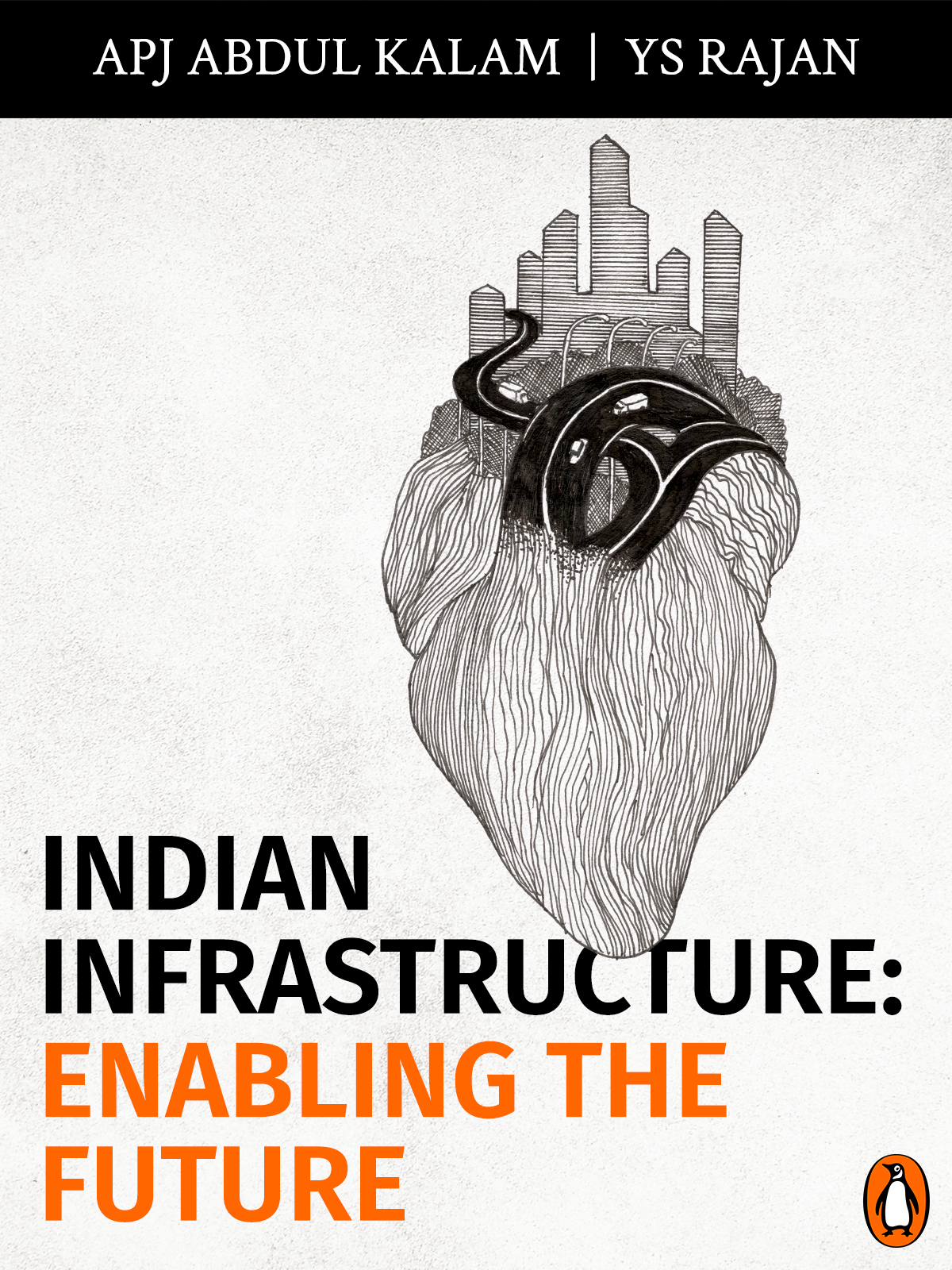
In the modern world, every usable product or service is based on a blend of multiple technologies, which are shaped to one or several ends. The truth is that a modern, developed economy cannot be built on the basis of a large number of people living just above the poverty line, producing agricultural products and cut-off from the rest of the manufacturing business centres. Both domestic and global economic, and physical connectivity—through various modes of transport—depend vitally on telecommunication networking. Instant transfer of information is essential for any business today.
In this regard, our infrastructure needs to be top-notch. The situation needs to change radically if we are to realize the vision of a developed India. The country needs to invest in infrastructure, quality electric power for all, harnessing new sources of energy and working towards energy efficiency. But how do we go about it?
Indian Infrastructure: Enabling the Future by A.P.J. Abdul Kalam and Y.S. Rajan is an eye-opening essay about the importance of infrastructure and why developing it is crucial to India’s development.
India’s Health Mission
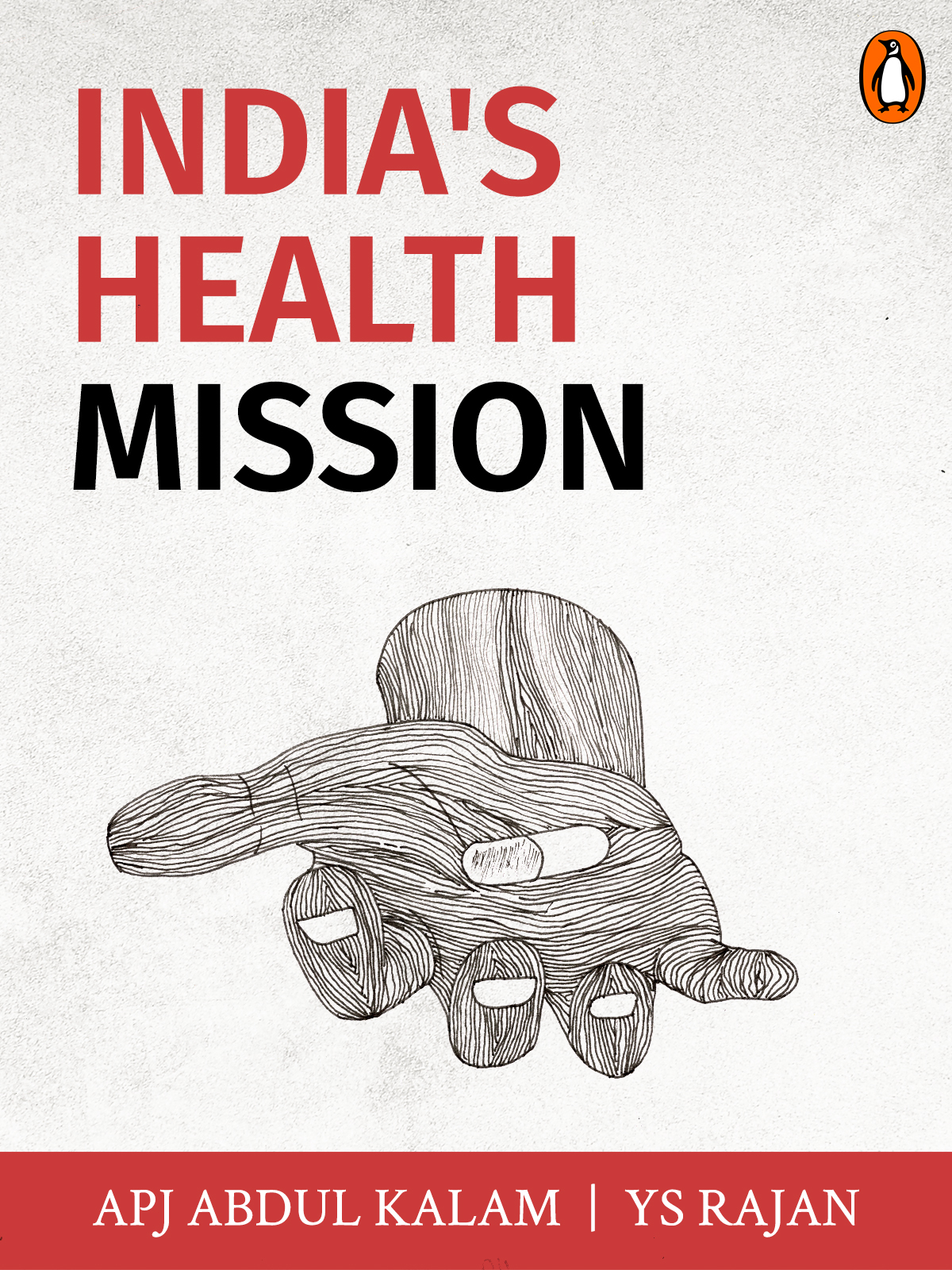
In the ultimate analysis, any society will be judged by its ability to provide universal healthcare for its people, which does not merely entail the ability to treat diseases and ailments but also to prevent their onset.
From ensuring disease prevention, sanitation and clean drinking water to achieving affordable and accessible healthcare for all, there’s a long way to go, especially when our public health services are under severe strain. What are the immediate steps we must take immediately to begin this difficult journey?
India’s Health Mission by A.P.J. Abdul Kalam and Y.S. Rajan is a detailed look at what we as a country can do to realize this fundamental vision.
India and its Potential
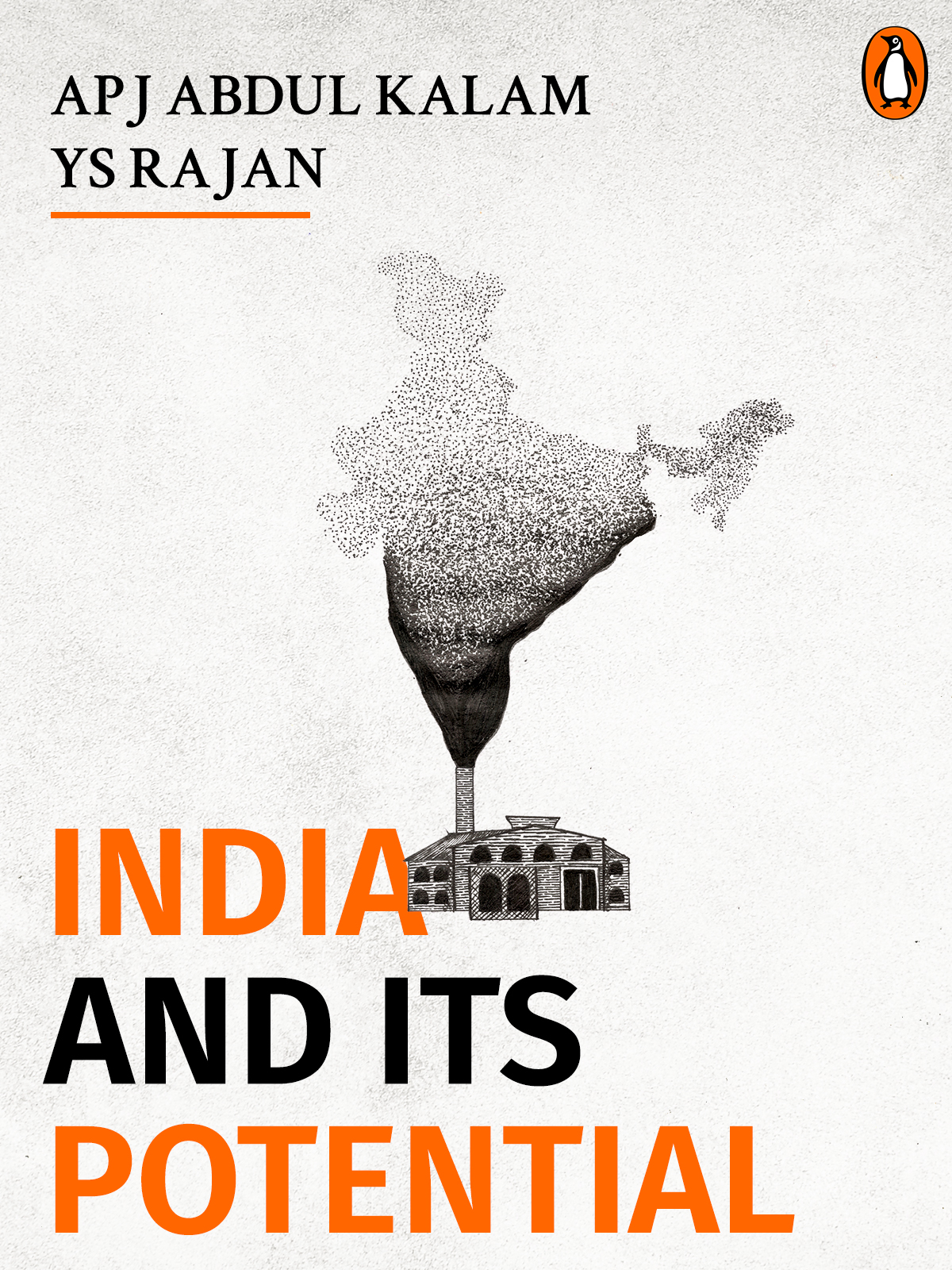
Strength respects strength.’
In the period following World War II, as nations focused on developing their economies, security has come to mean more than just protecting borders. Other forms of security—food and economic security—have come to be of as much importance.
The term ‘strategic industries’ refers to industries that give India a decisive advantage over a broad range of areas and not just in a military context. Building strategic technology or industries today will find day-to-day applications two decades from now. It thus becomes imperative to develop these so that the future generation of Indians have new worlds to conquer and not struggle with challenges of the past.
In India and its Potential, A.P.J. Abdul Kalam and Y.S. Rajan highlight the possibilities that our country has yet to act upon, paving the way towards sustainable development.
India and the Services Sector
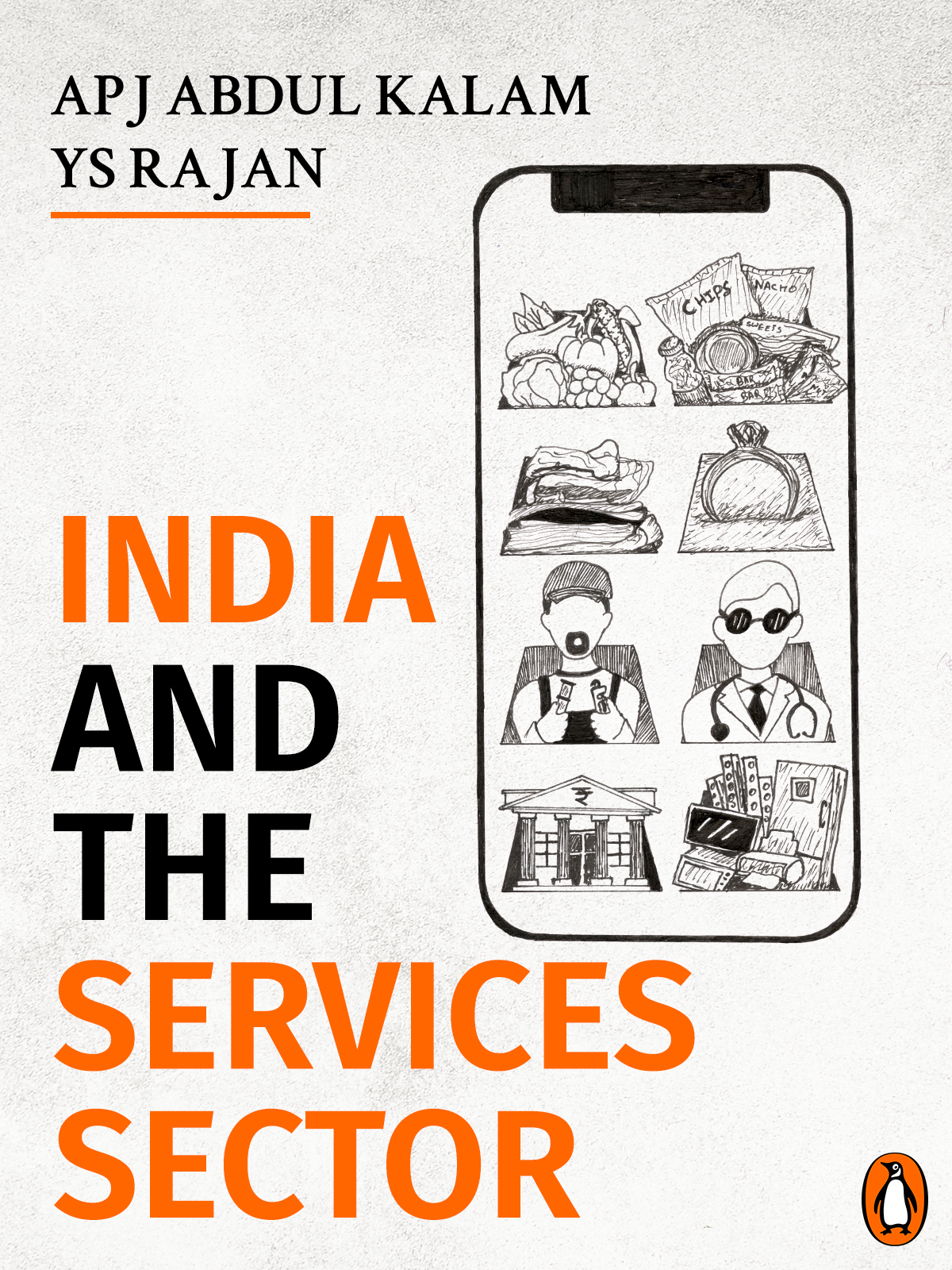
As a country of one billion, we should gear ourselves to take up opportunities offered by the services sector in our march towards an India where every Indian will have wealth and well-being.’
The services sector has come to be considered a major part of the economy. Modern agriculture, with its improved inputs and greater mechanization, has led to decreased agricultural employment and migration of farm workers to urban areas in search of better living standards. There is, as in the developed world, a search for new employment, namely, for a shift to a sector loosely defined as the services sector.
Although a country like India cannot afford to build its future on this sector alone, it can be and will be a major component of the economy—if only to find and create new jobs and individual prosperity for the people.
In India and the Services Sector, A.P.J. Abdul Kalam and Y.S. Rajan discuss the potential of developing the services sector and how much it can benefit the country in the long run.
Manufacturing for the Future
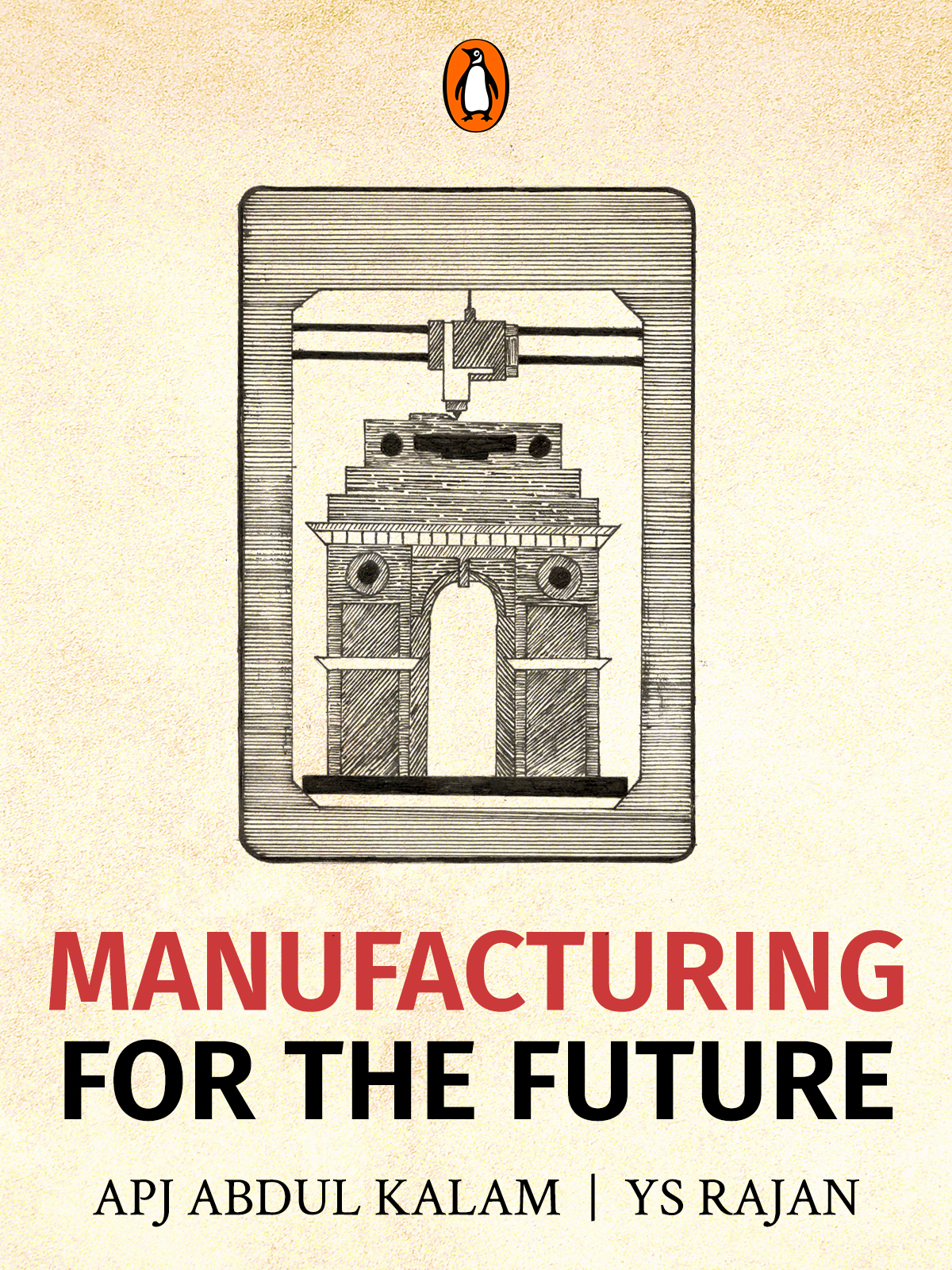
A country of a billion-plus people has to excel in many crucial sectors; manufacturing is one of them.’
Mankind has seen rapid transformation in the last 150 years with the advent of electricity and its large-scale application, which led to mass-manufacturing techniques that were perfected in western nations and later taken to new levels of efficiency by Japan. The presence of traditional Indian skills in medicine, metallurgy, construction, textiles, hydraulics, or early shipbuilding, was an integral part of our innovation in ancient and medieval times. However, India was a latecomer when it came to learning new manufacturing techniques invented in Europe.
India stands to gain enormously by the coupling of computers and the manufacturing process. But how do we go about realizing this vision, drawing out the great potential of our people?
Read on as A.P.J. Abdul Kalam and Y.S. Rajan elaborate upon answering the most fundamental questions about India’s manufacturing potential in Manufacturing for the Future.
India’s Biological Wealth
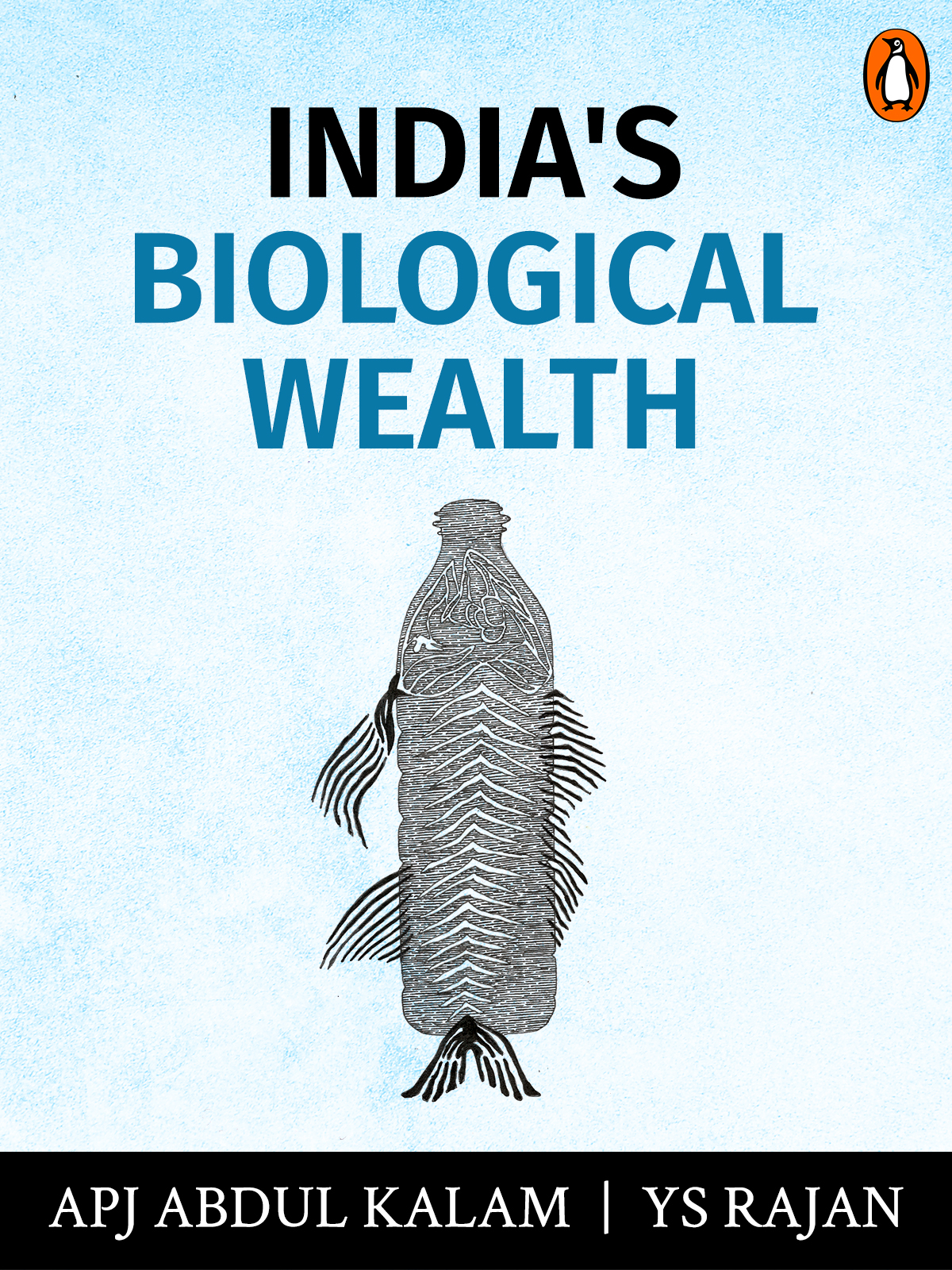
The use of chemicals and chemical products affects our lives in several ways. Fertilizers, pesticides, drugs and pharmaceuticals, petrol, diesel, natural gas and plastics have become an essential part of modern living. And while modern chemical engineering facilitates comfort and tools that improve the quality of life, the manufacturing of these chemicals brings with it the challenge of ensuring a clean and healthy environment.
Despite remarkable growth and diversification of the chemical industry, our technological strengths in process design and engineering have been poor, depending instead on imported technologies. The target for Indian industries and institutions should be to achieve their own, clean processing technology with total recycling and recovery. Are we capable of rising up to the challenge?
A.P.J. Abdul Kalam and Y.S. Rajan explore these questions—and offer answers—in India’s Biological Wealth.
India’s Material Resources
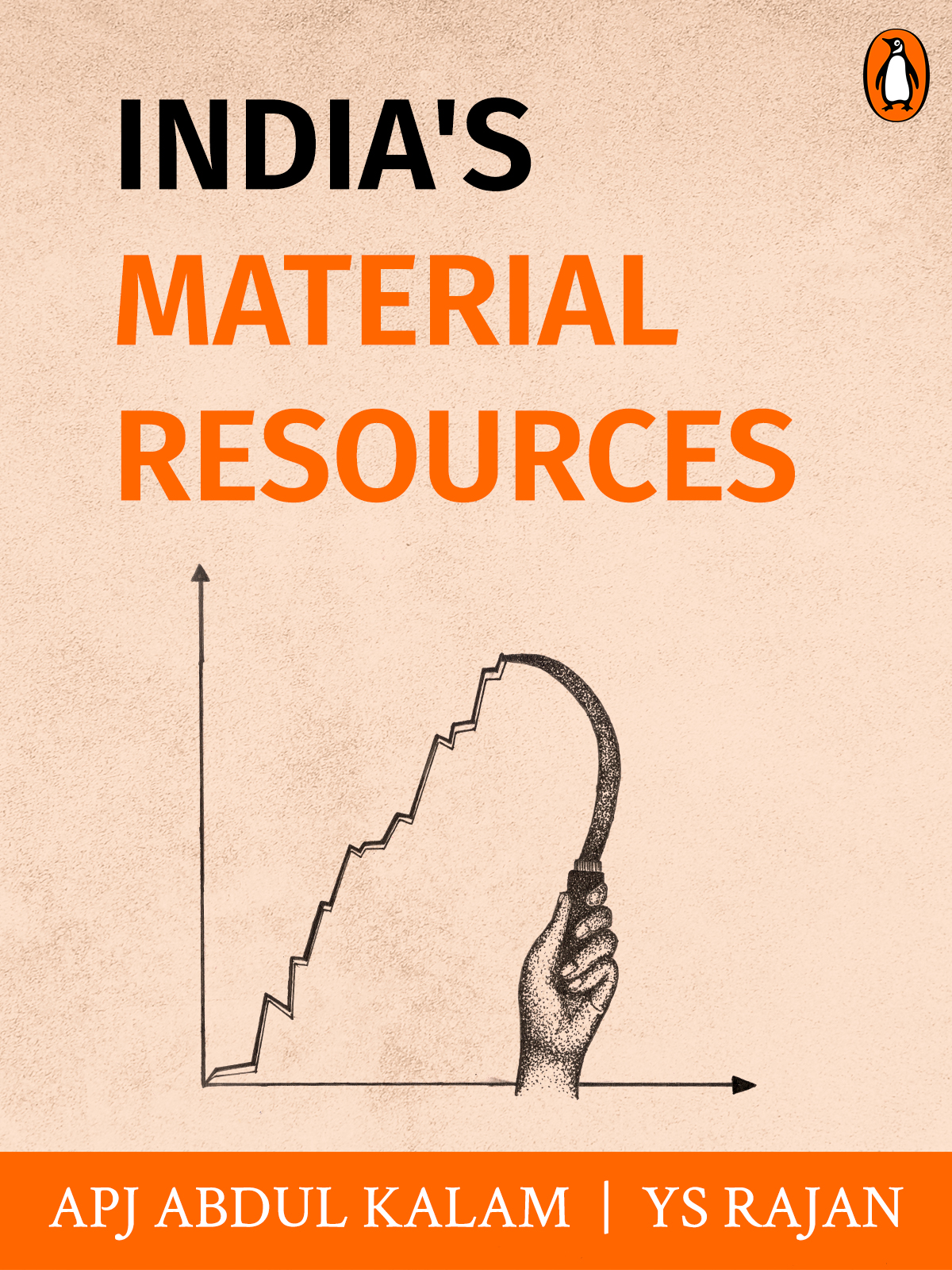
The pace of social and economic growth has been closely linked to the proficiency with which people have been able to use and shape materials. Today, this proficiency has become the bedrock of a country’s development.
Strength in material technology is crucial for the agriculture–food processing and agricultural sectors. If we master it, we can ensure a bright future for our people. But what materials can we enhance to optimize our output?
Read on, as A.P.J. Abdul Kalam and Y.S. Rajan elaborate upon the potential India has in India’s Material Resources.