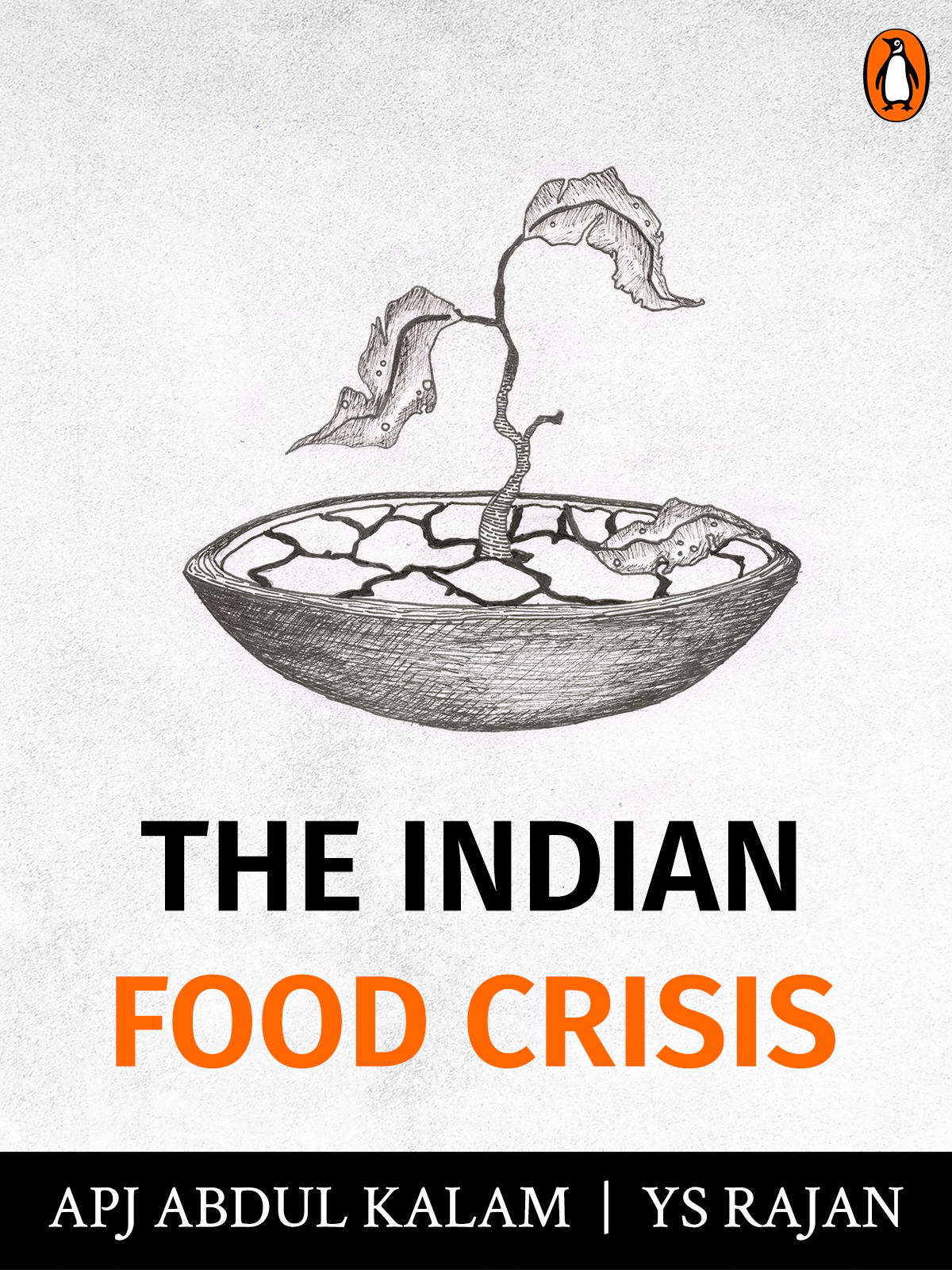
India has always found ways to overcome her problems. After terrible famines in the 1960s, we achieved foodgrain self-sufficiency in the 1970s. Today, we have buffer stock, diversification of agriculture and significant growth in the agriculture-based processing industry. Yet, about 40 per cent of our people still live below the poverty line.
Clearly, we haven’t solved all our problems on the food front. Moreover, with time, demand will increase and new challenges to agriculture will continue to surface. In such a case, how do we find a way to move forward?
In The Indian Food Crisis, A.P.J. Abdul Kalam and Y.S. Rajan present a range of simple technologies, a large set of necessary organizational efforts and information exchange programmes that will help us attain permanent and sustainable food security.
After Independence, India made simultaneous progress in many fields: agriculture, health, education, infrastructure, science and technology, among others. However, two decades after Independence, despite our numerous achievements, many doubts have emerged about our ability to handle our system on our own.
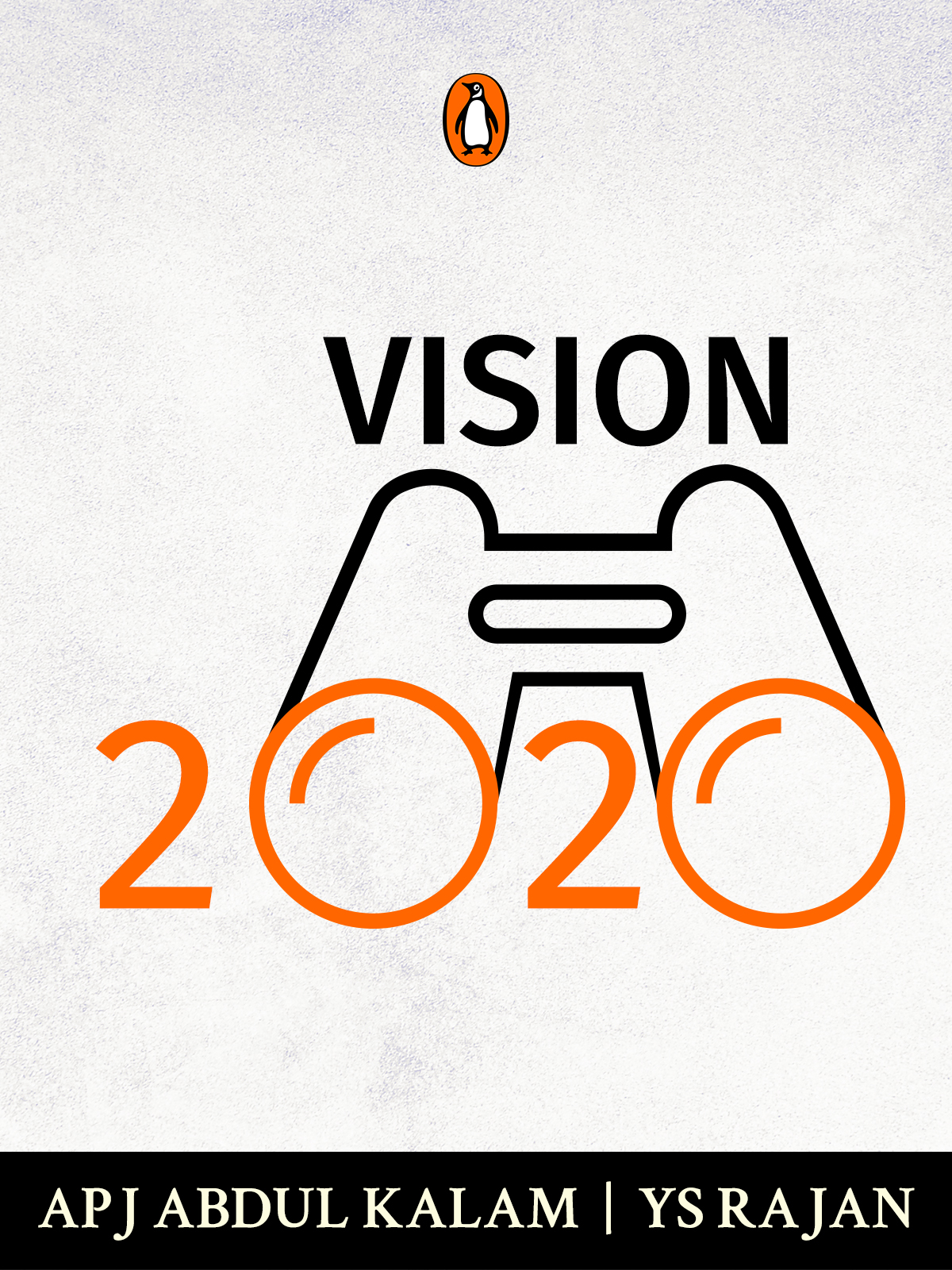
Technology has proved to be the highest wealth generator in the shortest possible period, if deployed in the right direction. It strengthens the political, economic and security structure of the nation. For India, technology is fundamental for the vision for the future. But what aspects must one focus on first?
Vision 2020 by A.P.J. Abdul Kalam and Y.S. Rajan elaborates on how India’s most fundamental needs can be married with technology, ensuring that we see the country’s products, services and technology emerge as world class.
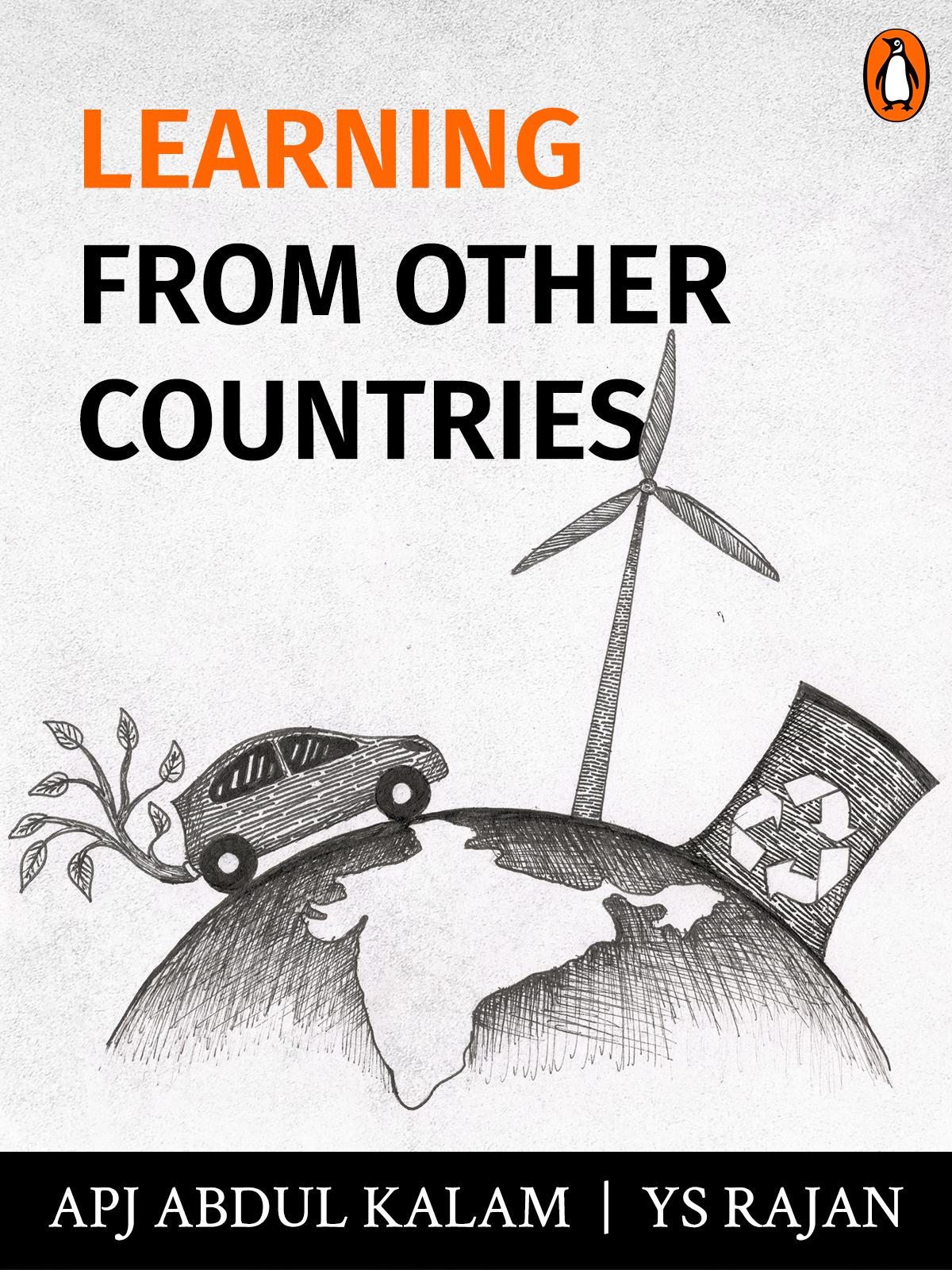
India has never been averse to welcoming ideas and people from outside. Over the years, it has assimilated many ideas, cultures and technologies—after shaping them to suit its genius and environment. However, somewhere down the line, over the course of our long history, we appear to have lost faith in ourselves. Moreover, we haven’t yet become bold enough to chart our own path.
In such a case, it is good to hear and see what other countries have done, and are doing—although conclusions about what is good for our country are to be shaped by our people. With this in mind, we should look at how the US, Malaysia, Japan, South Korea and some European countries have generated vision documents of their own.
In Learning from Other Countries, A.P.J. Abdul Kalam and Y.S. Rajan highlight the importance of seeking inspiration from other developed countries in order to walk the path of development ourselves.
A developed India by 2020, or even earlier, is not a dream.’
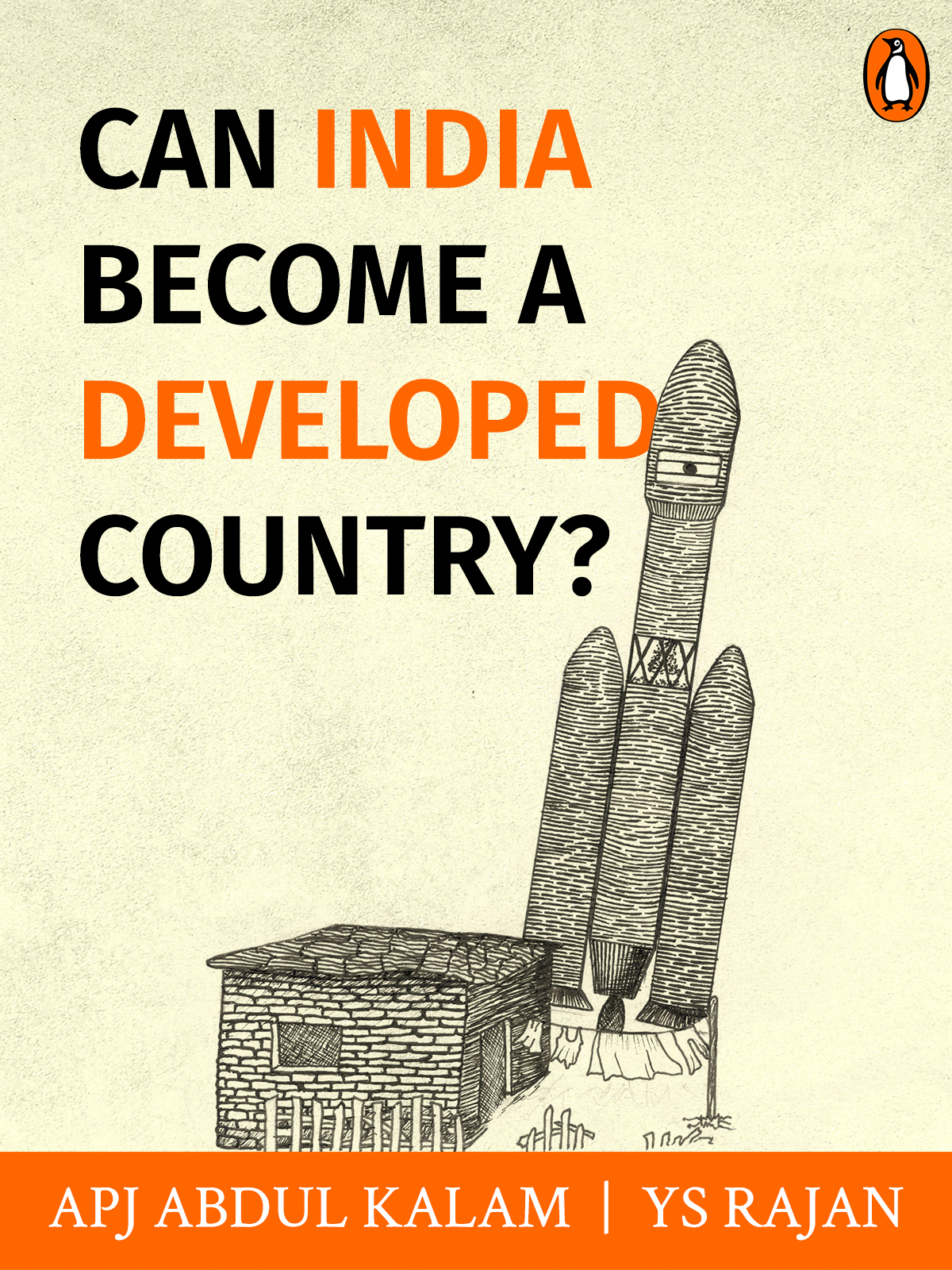
What is it that makes a country ‘developed’? Is it the wealth of the nation? The prosperity of its people? Its standing in the international forum?
Economic indicators, although important, only provide a part of the picture. For instance, per capita income can indicate wealth in the hands of people, but everyone doesn’t have the same amount of money.
India’s core strengths are derived from its resources: national and human. It is by optimizing these to the fullest that we can really set out on the path to development. But where does one begin? What does one pay attention to first?
Can India Become a Developed Country? by A.P.J. Abdul Kalam and Y.S. Rajan takes a look at some of the fundamental questions we must ask as a populace to truly see India take its rightful place on the global map.
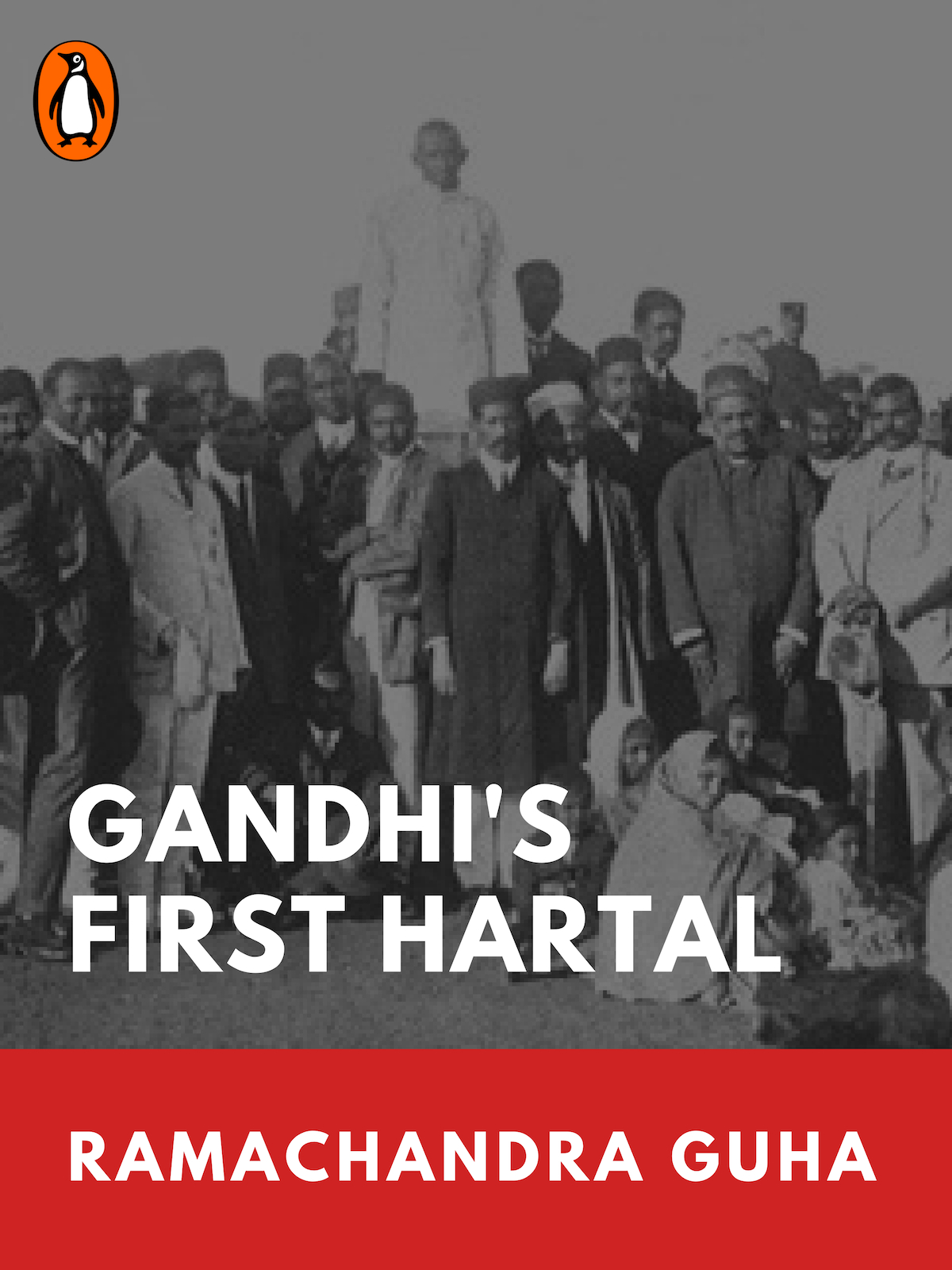
By 1905, the fight to get Indians a fair deal in South Africa was still continuing. Thus far, it had followed a strictly legal route. Letters, petitions, court cases, delegations—these were the means by which Gandhi and his fellows had challenged laws that were unfair to them. However, it seemed as if things were suddenly moving towards protest rather than petition.
Gandhi was moving towards leading his first peaceful protest—in Transvaal: going on hartal until their demands were met. But when had the seeds for such radicalism been sown? Or did Gandhi have it in him all along?
In Gandhi’s First Hartal, Ramachandra Guha examines the circumstances that led to Mohandas Gandhi, a lawyer, being at the centre of a mass protest to gain fundamental rights from the colonialists.
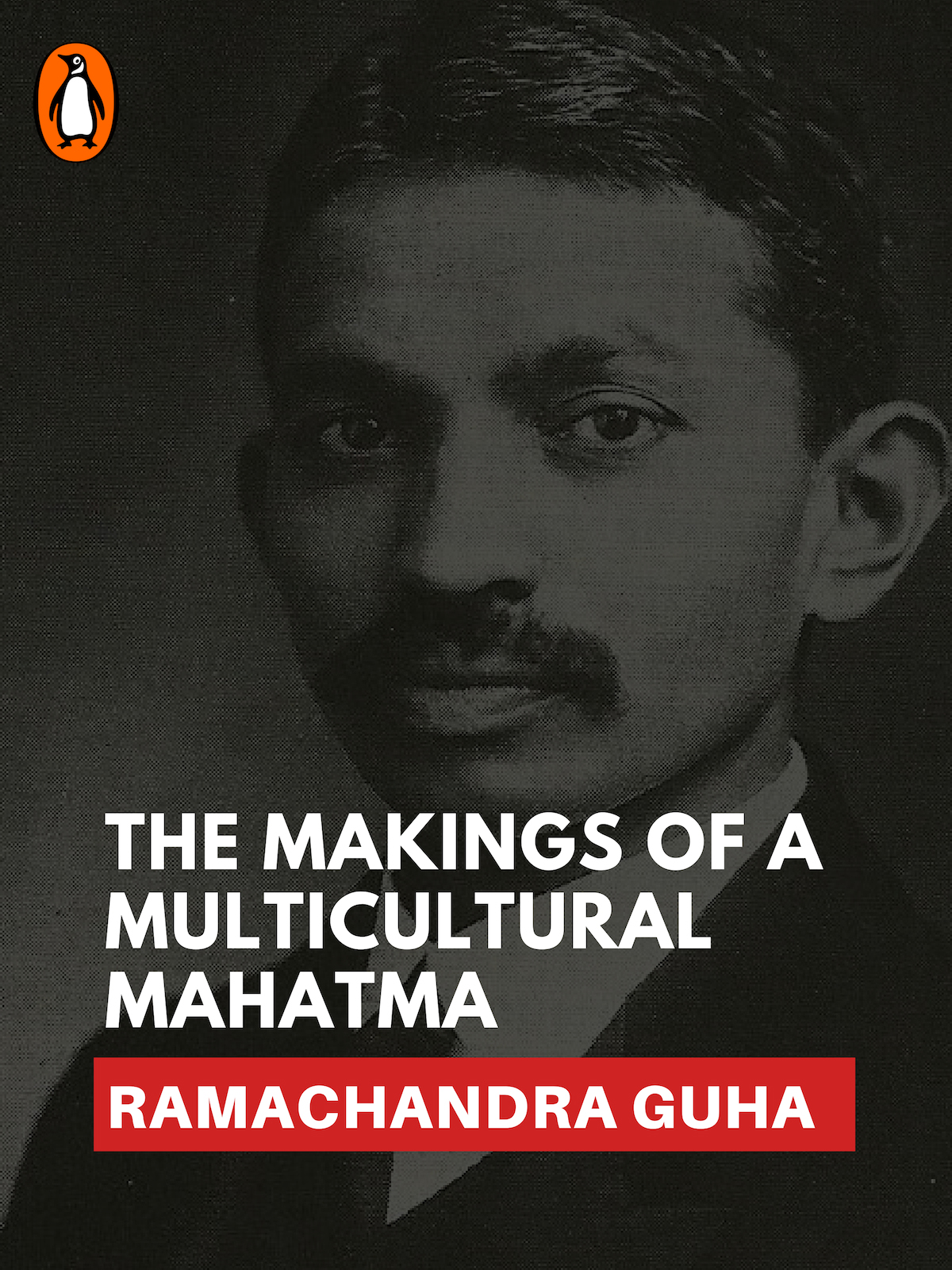
No Gandhi before Mohandas had travelled outside India. Few had left Kathiawar. But in 1893, Mohandas Gandhi was a London-returned barrister on his way to Durban, South Africa, after having spent some time in Bombay.
By this point, Mohandas had worked closely with vegetarians and theosophists in London and was deeply inspired and influenced by a Jain savant. Unbeknown to him, he was on his way to continue his spiritual and political education. A small-town bania with the habits, manners and prejudices of his caste, he was transforming. It was as if his circumstances were laying the foundation for what was to be his destiny: leading India towards political and religious freedom.
The Makings of a Multicultural Mahatma by Ramachandra Guha takes a look at Gandhi’s early years as a practising barrister in South Africa, a period that shaped the beliefs that would fuel a revolution in a few years.
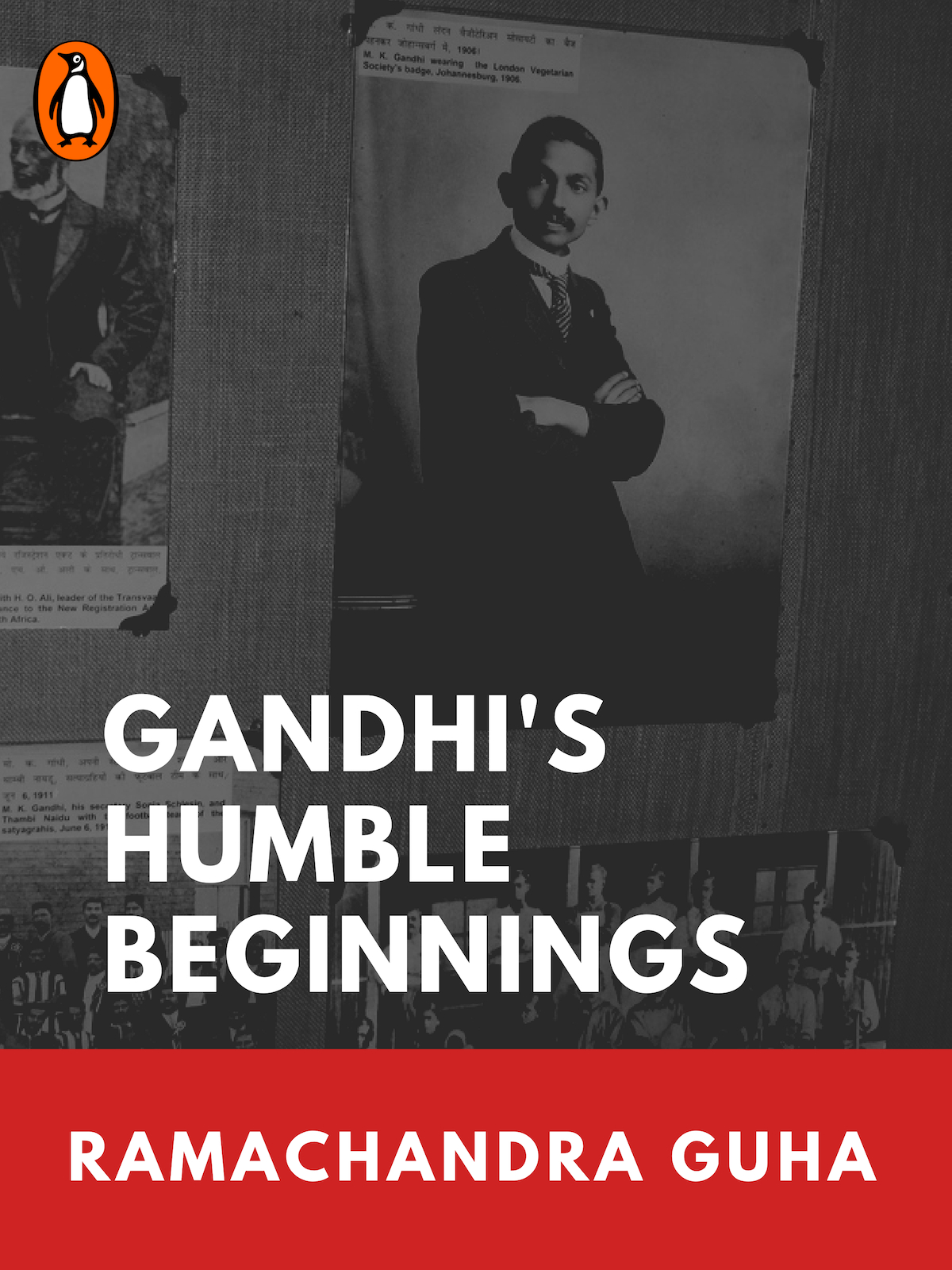
Of all the modern politicians and statesmen, only Gandhi is an authentically global figure. No one could have predicted the heights he would scale when the scrawny little Mohandas was born in the humble Gandhi household in Porbandar, a port city on the south-west of Gujarat’s Kathiawar peninsula.
Gandhi’s childhood was average to say the least: an average school record, the usual run-ins and interactions with peers, and a fairly homely upbringing. Yet, there seemed to be some fundamental seeds that took root—the beginnings of a man that was going to be unlike any other the country had seen.
Gandhi’s Humble Beginnings by Ramachandra Guha examines his formative years in Kathiawar, offering a glimpse into a much lesser known side of the venerated figure.
Art mirrors life and shows people what they need to see, not what they want to see.’
The one rule Mallika Sarabhai has followed in her life is to not follow any rules. A danseuse, choreographer, publisher, activist, writer, actor and politician, she is the master of all trades and fearless in each role.
Breaking down barriers and creating her own vocabulary of leadership, it is not hard to imagine that if her father, Vikram Sarabhai, were alive, he would have applauded Mallika for the legacy that she has both upheld and made her own. In every way, she is a custodian of her legendary family’s steadfast values.
For someone whose life has never seen a dull moment, Sarabhai has truly seen it all. Read on as Gunjan Jain offers a glimpse into her fascinating life.
As artists, we are seekers. If you stop seeking, you stop being an artist.’
Among India’s finest contemporary artists, Anjolie Ela Menon found prodigious expression when she was quite young and has since sustained a prolific and inventive creative output. India’s art scene can barely be imagined without her signature nudes and portraits, or her work with murals and glass. Most importantly, through the process of forging her own artistic identity, she has helped Indians, especially women, visualize their own selves.
The task of finding one’s calling, the bridge between just being and being alive, is not simple. Many people spend a lifetime looking for their purpose in vain. Most don’t even try. A rare few, however, find it early, naturally and instinctively. Menon falls into this privileged category.
Read on as Gunjan Jain unravels the mysteries behind what it means to be Anjolie Ela Menon.
In India, badminton, like any other sport that isn’t cricket, was not given too much importance. However, on 22 October 2012, Saina Nehwal, with her Olympic bronze medal, managed to make badminton a serious, and fashionable, sport.
A fighter on court and an introvert off it, Saina has a spine of steel. She is a determined, intelligent young woman who keeps her eyes on her target. She has not only survived the maelstrom of fame but also managed to stay unscathed.
How does she do it all? Read on as Gunjan Jain sheds light on the inspiring journey of an incredible woman: Saina Nehwal.