Osho’s most celebrated meditations on the human condition
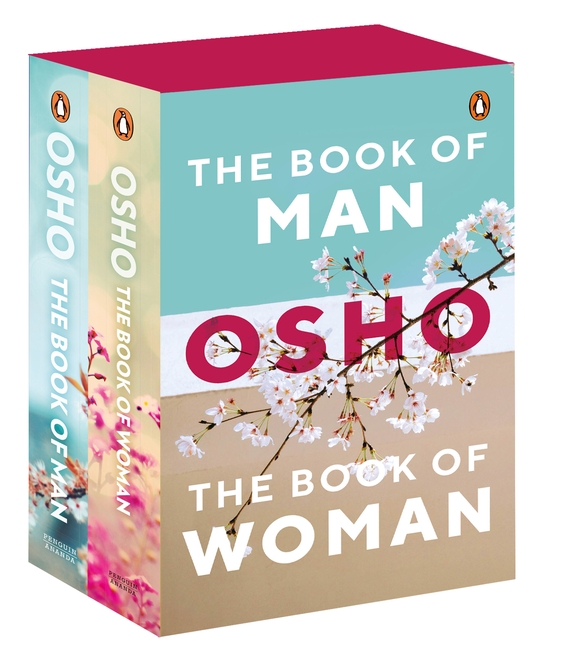
For Osho, the ideal man is Zorba, the Buddha?a perfect blend of matter and soul. This seamless collection of discourses takes the reader through the various stages of man’s evolution: from Adam to Slave, Son, Homosexual, Priest and Politician, until he attains the pinnacle of his consciousness as the Rebel or Zorba. Sparkling with anecdotes and enriched with brilliant repartee, The Book of Man is a remarkable blend of wisdom and wit.
The Book of Woman describes what it means to be a woman and explores the feminine aspect of human beings. A woman, Osho says, should not imitate man: ‘Rejoice in your feminine qualities, make a poetry out of them.’ The perfect state of being, according to Osho, is a synthesis between the head and the heart, with the heart remaining the master. The rare sensitivity of Osho’s words on issues ranging from sexuality and love to work and politics, will appeal to both men and women.

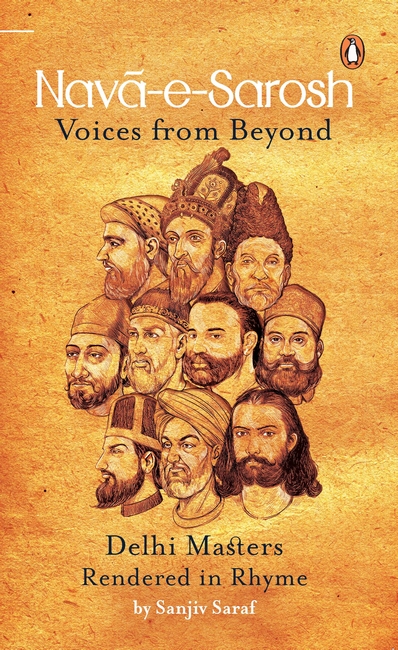
Through the ages, Delhi has had an effect on its inhabitants. Steeped in a rich history of cultural mingling and periods of creative exchange, the city provided fertile ground for poetic synthesis. Delhi established a legacy of poets whose words set hearts ablaze for the times to come. Love, with all its wine-infused passions and experiences of yearning, has preoccupied classic poets of the city. It also offers to the reader rhymed English transcreations of the selected ghazals so that the work can be enjoyed for the rhythm that the original Urdu-language embraces. As a patron of Urdu poetry and a resident of Delhi, Sanjiv Saraf’s personal investment in preserving and furthering the arts in the Urdu world led to the creation of this book. His careful curation and trans-creations render these ghazals readable to novices of classic Urdu poetry. The selection of works that made their way to this book caters to a wide readership-those reading to experience Delhi from the past, those who wish to engage with the musicality of rhymed verses and, most significantly, those who wish to explore the themes of love as conceptualized by classic poets. Desire, longing and the complexities of love are therefore open to exploration for you, dear reader and lover, through the words laid out in these ghazals by the ‘voices from beyond’.

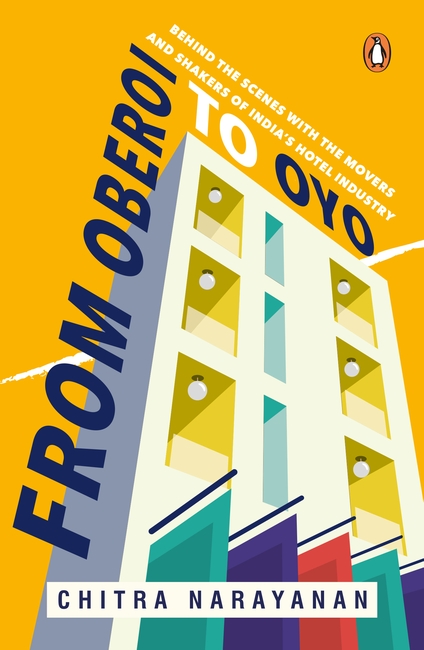
A captivating account of innovations, disruptions and challenges that define the Indian hotel industry.
How did the Taj, the Oberoi and the ITC hotels come to dominate the Indian hotel landscape? What are the challenges thrown by the disrupters-the foreign chains, OYO, the online travel agents and the young start-ups? What does the future hold?
This book answers these and many more such questions.
Based on the author’s years of observation of the industry and interactions with key stakeholders, this book takes you through the tumultuous history and evolution of the Indian hotel industry. It also captures the enormous shifts and changes including guest preferences, consumer profiles and disruptions brought in by technology. Packed with some exciting profiles and analysis of strategies, it also attempts to provide a glimpse of what lies in store for the future.

Keep this little book by your bedside, or your desk, or on your kitchen shelf, and turn to it from time to time. It will have something comforting or helpful to say to you.

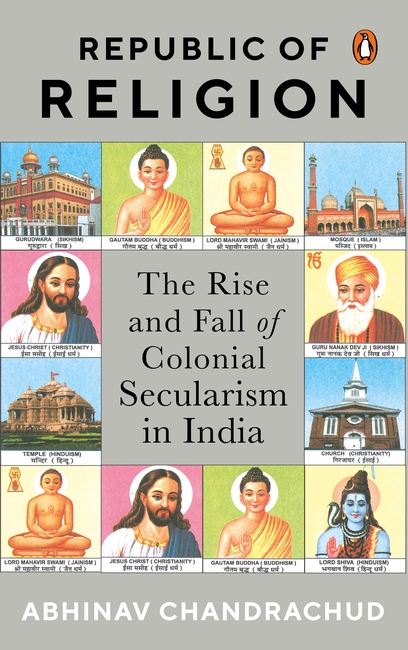
How did India aspire to become a secular country? Given our colonial past, we derive many of our laws and institutions from England. We have a parliamentary democracy with a Westminster model of government. Our courts routinely use catchphrases like ‘rule of law’ or ‘natural justice’, which have their roots in London. However, during the period of colonial rule in India, and even thereafter, England was not a ‘secular’ country. The king or queen of England must mandatorily be a Protestant. The archbishop of Canterbury is still appointed by the government. Senior bishops still sit, by virtue of their office, in the House of Lords.
Thought-provoking and impeccably argued, Republic of Religion reasons that the secular structure of the colonial state in India was imposed by a colonial power on a conquered people. It was an unnatural foreign imposition, perhaps one that was bound, in some measure, to come apart once colonialism ended, given colonial secularism’s dubious origins.

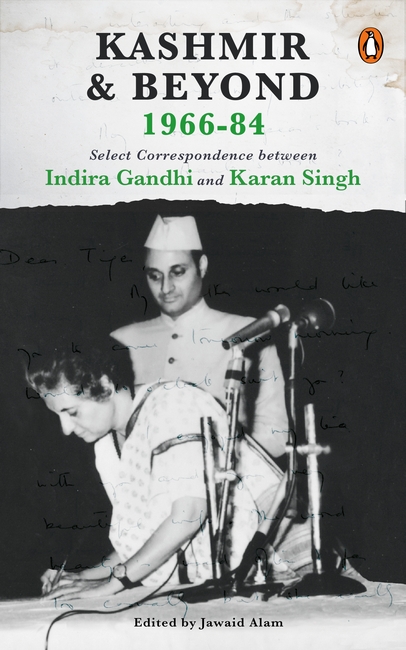
Dr Karan Singh became a member of Prime Minister Indira Gandhi’s Cabinet as minister for tourism and civil aviation, and worked closely with Gandhi for almost the entire duration of her tenure. They held each other in high esteem, shared great rapport as Cabinet colleagues and had mutual regard on a personal level as well.
Bringing together over 300 letters exchanged between Mrs Gandhi and Dr Singh, Kashmir and Beyond provides valuable insights into such historic events as the signing of the Tashkent Declaration, the Emergency and Operation Bluestar. Even as these letters map the important landmarks of recent Indian history, they also provide a fascinating glimpse into the inner workings of the government and the magnitude of the effort of running a country that houses ‘one-seventh of the human race’.
Kashmir and Beyond is an immensely important book for anyone who wants to make sense of the knotty issues that confront contemporary India.
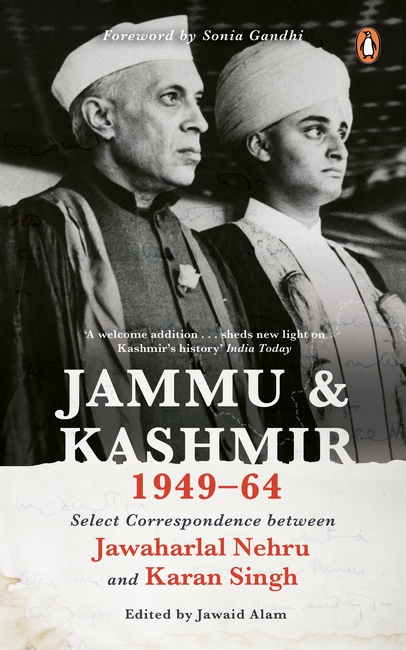
In 1949, Dr Karan Singh had just turned eighteen when he was appointed regent of Jammu and Kashmir, two years after his father, Maharaja Hari Singh, signed the Instrument of Accession merging the then independent state with India. Under the mentorship of Pandit Jawaharlal Nehru, Dr Singh was at the helm of affairs in the state for eighteen years, successively as regent, Sadar-i-Riyasat and governor.
This carefully conceived selection of over 200 letters exchanged between Dr Singh and Pandit Nehru sheds light on significant issues and events, including the teething problems of a fledgling country and a newly grafted state, the emerging conflicts between Pakistan and India, and the Chinese aggression of 1962. In addition to valuable insights into the political situation of the period, these letters also provide rare glimpses into the personal lives and thoughts of Pandit Nehru and Dr Singh. The memorandum submitted by Maharaja Hari Singh to President Rajendra Prasad in August 1952 is published in full, revealing how the identity and future of Kashmir were shaped.
A rare collection, Jammu and Kashmir offers an unmatched ringside view of the momentous events in Kashmir and the rest of India after Independence.
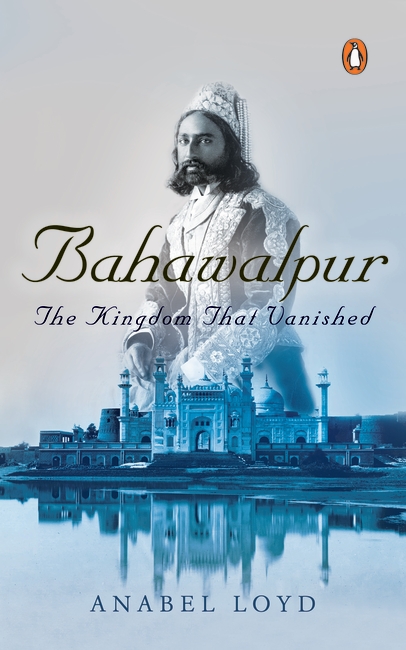
In the seventy or so years since Independence, much less has been written about the Princely States which acceded to Pakistan than those that remained in India. The name of the once great State of Bahawalpur is no longer remembered among its well-mapped peers over the border in Rajasthan.
This book is based on conversations with Salahuddin Abbasi, grandson of the last ruler of Bahawalpur and born a year before Partition. Starting with the history of his State and his family, his memories add light to stories of Bahawalpur’s princes from old records, letters, and the accounts of British travellers and civil servants. They also encompass a lifetime of first-hand experience of the political life of Pakistan and his relationships with the country’s leaders.
The nation’s troubled history has clouded a clear picture of it and shrouded its component parts. From the microcosm of Bahawalpur, this account helps to join the dots of a more coherent view of the macrocosm of Pakistan and queries the future route of the Islamic State.
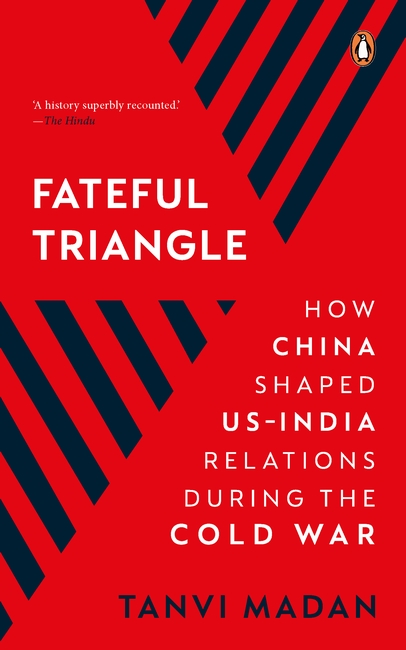
A key question today is whether India and the United States can or should develop ever-closer ties as a way of countering China’s desire to be the dominant power in the broader Asian region. In Fateful Triangle, Tanvi Madan argues that history shows that such a partnership is neither inevitable nor impossible.
Drawing on documents from India and the US, Fateful Triangle contends that China’s influence on the US-India relationship is not a recent phenomenon. It demonstrates that US and Indian perceptions of and their policies towards China shaped US-India relations in three crucial decades, from 1949 to 1979, in significant and complex ways.
Fateful Triangle updates our understanding of the diplomatic history of US-India relations, highlighting China’s central role in it, reassesses the origins and practice of Indian foreign policy and non-alignment, and provides historical context to the interactions between the three countries.

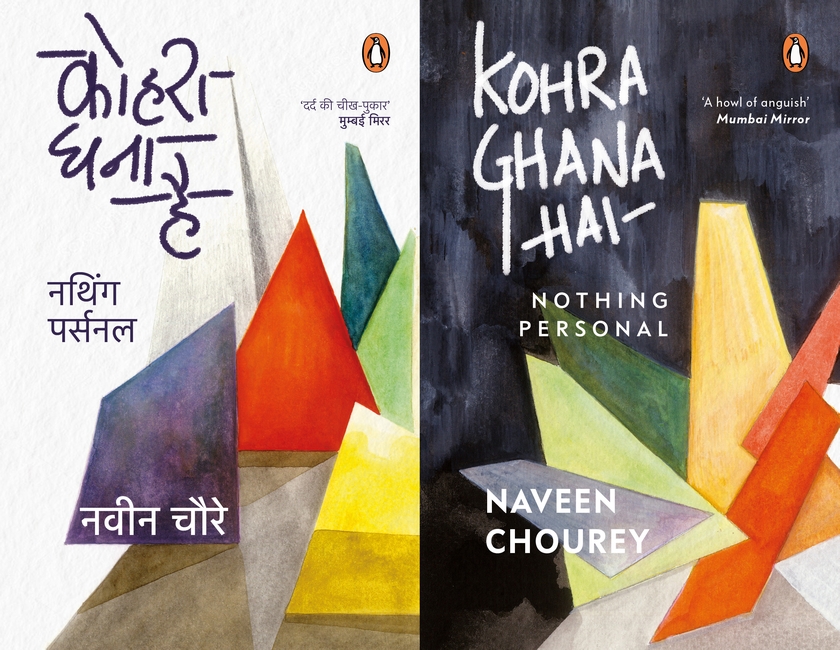
Bold, sharp and amazingly relevant, Naveen Chourey’s impassioned poetry-on mob lynching, Kashmir and the plight of out soldiers among others-will force you to think afresh on nationalism, patriotism and the state of our country.
Naveen’s youthful idealism, vision for an egalitarian world and progressive thoughts make Kohra Ghana Hai one of the most courageous works of our times.