



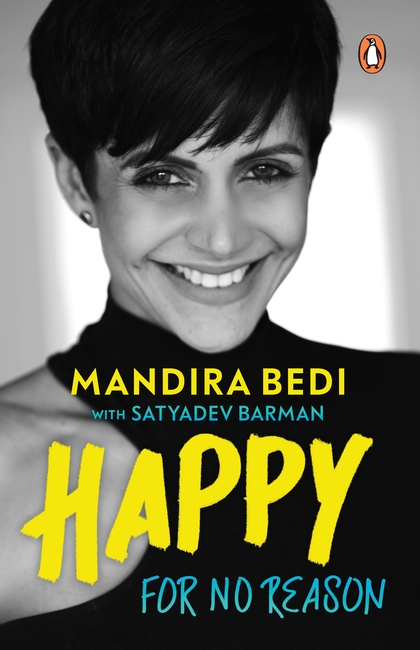
Mandira Bedi is a fitness icon.But behind the six-pack is also a snotty, complaining, can’t-get-out-of-bed-today girl who, in her own way, is still searching for true happiness. Not conditional, materialistic, transactional happiness, but just happiness. So has she cracked it yet? Mandira says ‘No’. But she genuinely believes that she’s headed in the right direction. In her own chaotic way, she seems to have discovered some kind of non-scientific, non-spiritual and as-yet-non-existent formula for finding peace in everything. Just being happy-for no reason. This book is about that.
Catagory: Non Fiction
non fiction main category
Calligraphies of Love
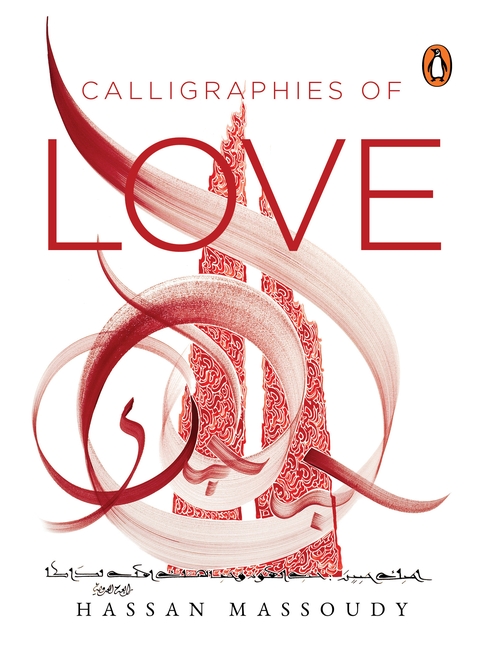
Inspired by timeless poems from around the world, Hassan Massoudy’s calligraphy takes us on a visual journey through love in its many forms.
Through his signature broad strokes and vibrant colours, this master calligrapher brings to life the words and wisdom of some of our greatest poets, from Ibn Zaydoun and Rumi to Kahlil Gibran, John Keats and Paul Éluard.
Beautifully designed and illustrated throughout, Calligraphies of Love is the perfect gift for lovers, poets and dreamers.
The Story of Yoga
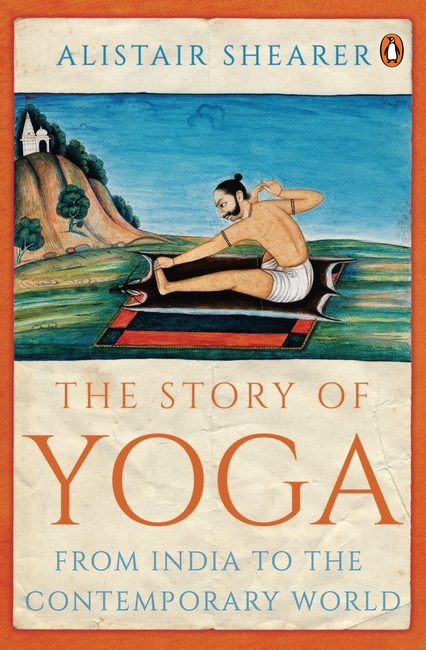
How did an ancient Indian spiritual discipline turn into a GBP 20 billion-a-year mainstay of the global wellness industry?
This comprehensive history sets yoga in its global cultural context for the first time. From arcane religious rituals and medieval body-magic, through muscular Christianity and the British Raj, to the Indian nationalist movement and the arrival of yoga in the twentieth-century West, we discover how the practice reached its present-day ubiquity and how it became embedded in powerful social currents shaping the world’s future, such as digital media, celebrity culture, the stress pandemic and the quest for an authentic identity in the face of unprecedented change.
Legal Confidential
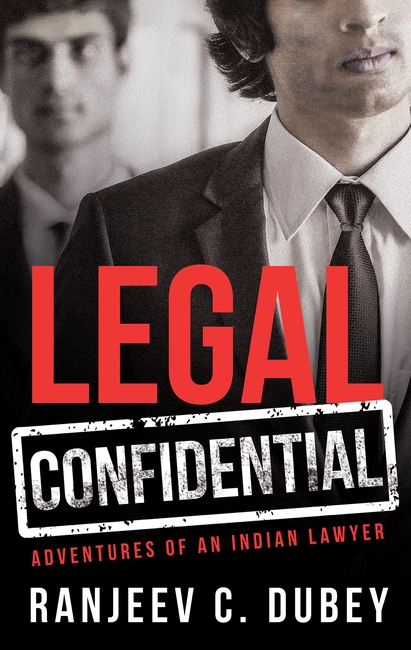
Nowhere are more laws at risk of being broken than in a courtroom
Rookie lawyer Ranjeev C. Dubey realizes this the hard way as he trudges through the corridors of Delhi’s trial courts and sees that the legal system is anything but fair. He stumbles upon a strange world of corruption, adultery, eloping couples and clients willing to pay for legal services ‘in kind’. He survives the ‘killing field’ of litigation for twelve long years, biding his time.
When he gets an offer to join a law firm, Dubey believes he has finally arrived. But has he? The world of Indian corporate law is one of intense power-play and the merciless pursuit of revenue. In this sinister ecosystem of destructive politicking, Ranjeev becomes enemies with the sharks circling the firm. What follows is an explosive showdown.
The now-well-known corporate lawyer exposes the world of the black robe in this dark and racy memoir with his trademark wit, leaving you wanting more.
If you read only one book about the world of lawyers and the Indian legal system, let Legal Confidential be it!
Crowfall
Anima burns her diaries which record the long period of grief and mourning that followed Siddharth’s death in the Bombay riots. Bold lines of black on a blank canvas lead Ashesh to start a new painting. Sharada sings her own composition in the noon raag Shuddh Sarang at an evening concert. Crowfall unobtrusively follows an eventful year in the lives of a group of friends—a journalist, a teacher, a musician and three painters—in Mumbai. Like the cycle of seasons, love and violence and heartbreak and joy pursue each other. And it is friendship that provides uncompromising solace amidst the ravening pressures of life in the big city.
Steeped in sensuous detail, Crowfall takes in art and identity, music and communal madness, and the clash of the old and the new to etch a finely nuanced portrait of contemporary Mumbai.
The Raj At War
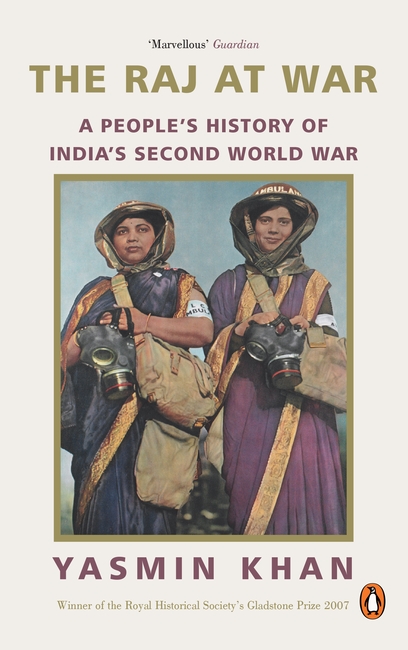
Two and a half million Indians volunteered in the Second World War. Their stories had been lost and silenced, until now.
Award-winning historian Yasmin Khan marshals interviews, newspaper reports and unseen archival material to tell the forgotten story of India’s role in the Second World War. We meet soldiers, sailors and non-combatants prostitutes, nurses, cooks, peasants—whose lives were upended by a war far, far away. From a small Muslim boy arrested for singing anti-recruitment songs, to cooks preparing chapattis on army boats, to a family listening to illicit German radio broadcasts, and a love letter from the first Indian soldier to receive the Victoria Cross, Khan makes us feel and hear the lost voices of a people involved in a war that wasn’t of their choosing.
Dramatizing a cataclysm that transformed the subcontinent and led to its independence, The Raj at War undeniably inserts South Asia back into WWII history and confirms that the Empire—and all its subjects—formed both the heart and limbs of Britain’s war effort and eventual victory.
Pakistan
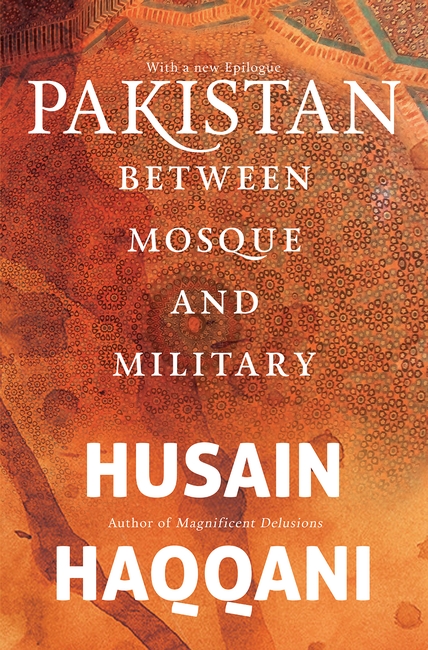
Among the USA’s allies in the war against terrorism, Pakistan cannot be easily characterized as either friend or foe. Nuclear-armed Pakistan is an important centre of radical Islamist ideas and groups. After 9/11, the selective cooperation of President General Pervez Musharraf in sharing intelligence with the United States and apprehending Al-Qaeda members led to the assumption that Pakistan might be ready to give up its long-standing ties with radical Islam. But Pakistan’s status as an Islamic ideological state is closely linked with the Pakistani elite’s world view and the praetorian ambitions of its military.
Pakistan: Between Mosque and Military analyses the origins of the relationships between Islamist groups and Pakistan’s military, and explores the nation’s quest for identity and security. Tracing how the military has sought US support by making itself useful for concerns of the moment-while continuing to strengthen the mosque-military alliance within Pakistan-Haqqani offers an alternative view of political developments since the country’s Independence in 1947.
This new edition of this classic work includes data updates and an Epilogue by the author.
Revenge And Reconciliation
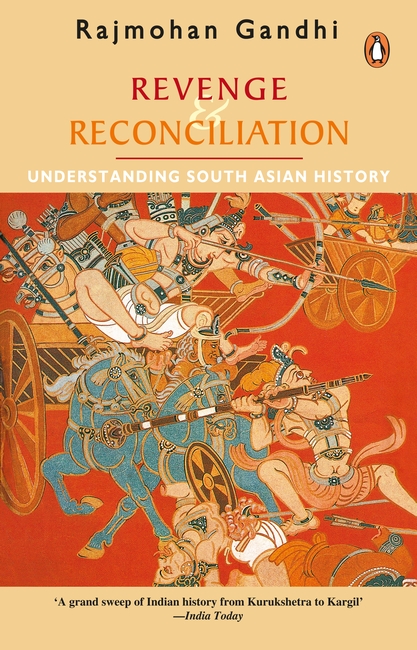
In this remarkable study, well-known biographer Rajmohan Gandhi, underscoring the prominence in the Mahabharata of the revenge impulse, follows its trajectory in South Asian history. Side by side, he traces the role played by reconcilers up to present times, beginning with the Buddha, Mahavira and Asoka. His explanation of the 1947 division of India identifies the role of the 1857 Rebellion in shaping Gandhi’s thinking and strategy, and reflects on the wounds of Partition. The survey of post-Independence India, Pakistan, Bangladesh and Sri Lanka also touches upon the tragic bereavements of six of their women leaders.
Besieged
Debt

Must we always repay our debts?
Wasn’t money invented to replace ancient barter systems?
Apparently not, according to Yale-bred anthropologist David Graeber.
In a stunning reversal of conventional wisdom, Graeber radically challenges our understanding of debt. He illustrates how, for more than 5000 years—long before the invention of coins or bills—there existed debtors and creditors who used elaborate credit systems to buy and sell goods. He argues that Madagascar was held to be indebted to France because France invaded it, reminds us that texts from Vedic India included God in credit systems and shows how the dollar changed European society forever in the sixteenth century. He also brilliantly demonstrates how words like ‘guilt’, ‘sin’ and ‘redemption’ derive in large part from ancient debates about debt, and shape even our most basic ideas of right and wrong.
Debt: The First 5000 Years is a fascinating chronicle of this little known history—of how it has defined the evolution of human society, and what it means for the credit crisis of the present day and the future of our economy.