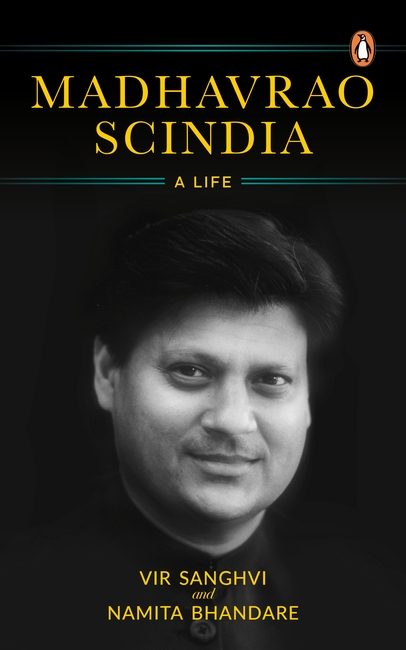
Suave, secular and known for his unwavering honesty, Madhavrao Scindia was no conventional politician. Born to the last king of Gwalior and conscious of his heritage, he espoused liberal and democratic values throughout his life. A nine-term member of the Lok Sabha and hugely successful minister, he remained a family man at heart.
Scindia was a beguiling figure because of the way he chose to live: His was a path that proved neither predictable nor easy. Perhaps that’s why his life reads like the plot of a grand novel, dotted with intriguing courtiers and wily politicians-in a bitter falling out with his mother, a powerful force of the Jana Sangh, in battles with at least two Congress governments, in his own tragic death. His captivating story emerges as the portrait of a fascinating life as much as a chronicle of contemporary Indian politics.
Catagory: Non Fiction
non fiction main category
The Joy of Vegetarian Cooking
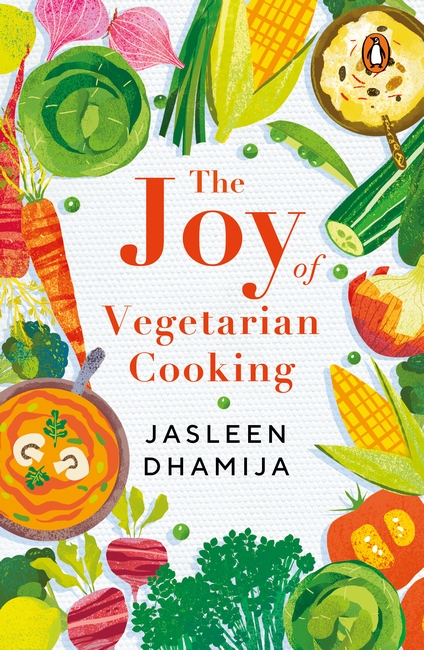
This unusual cookbook, with recipes from places as far-flung as Italy, France, Egypt and Australia, creatively brings together vegetables of every flavour and colour-from the versatile potato to the more exotic avocado, from the sensuous aubergine to the humble water chestnut.
Jasleen Dhamija, a widely travelled ethnologist, intersperses the recipes with piquant and often funny anecdotes that bring alive little traditions and stories about the cooking and serving of different kinds of vegetables around the world. Arranged alphabetically for easy use, the recipes are intended to save cooking time and energy without compromising on taste. Also provided are sample menus that illustrate the best and most nutritious ways to design a healthy, balanced diet. From delicious soups and salads to unusual sauces, from different kinds of rice and roti to mouth-watering desserts, this is innovative, exciting fare guaranteed to stimulate even the most jaded palate.
Preparing
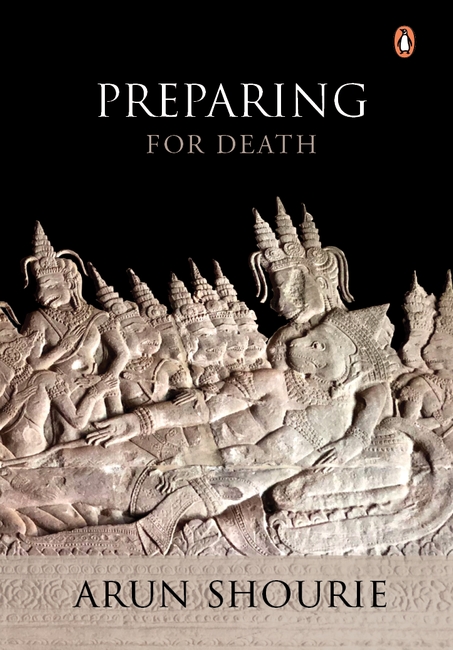
The one certainty in life, the one appointment which each of us will just have to face, is the one for which we do the least to prepare-death. From the lives and last days of the Buddha, Ramakrishna Paramahamsa, Ramana Maharshi, Gandhiji, Vinoba; from our religious texts; from the teachings of great meditation masters; from santhara to sannyas to practices by which we may tame our mind-leavening all these by his personal experiences-Arun Shourie presents clues to ensure that we face our end with equanimity.
In the process, he lays down what we must do if rituals, pilgrimages and mantras are to help us. He leads us to ask whether texts such as The Tibetan Book of the Dead are for the dead, or do they set out lessons for us, the living? He leads us to see through the sedatives that we are fed. Even as we are being frightened by accounts of ‘hell’, are we not actually being lulled to sleep? Does the fact that we will face extreme tortures in hell not mean that in some form we will survive death? To experience them, after all, we must be present.
Religions entice us into the great questions. Is there a soul that is never born and never dies? Is there life after death? Is there rebirth? Is there God? What is real and what is just maya? The greatest teachers and mystics have come up with different answers. Each of them has had direct experience of what she or he has proclaimed to be the truth. How, then, are we to proceed?
Last Spring
In December 1525, Zahir-Ud-Din Babur, Descended From Chengiz Khan And Timur Lenk, Crossed The Indus River Into The Punjab With A Modest Army And Some Cannon. At Panipat, Five Months Later He Fought The Most Important Battle Of His Life And Routed The Mammoth Army Of Sultan Ibrahim Lodi, The Afghan Ruler Of Hindustan. Mughal Rule In India Had Begun. It Was To Continue For Over Three Centuries, Shaping India For All Time.
In This Monumental And Definitive Biography Of The Great Mughals, Abraham Eraly Reclaims The Right To Set Down History As A Chronicle Of Flesh-And-Blood People. Bringing To His Task The Objectivity Of A Master Scholar And The High Imagination Of A Master Story-Teller, He Recreates The Lives Of Babur, The Intrepid Pioneer; The Dreamer Humayun; Akbar, The Greatest And Most Enigmatic Of The Mughal Emperors; Jehangir And Shah Jahan, The Aesthetes; And The Dour And Determined Aurangzeb. Because Of Their Charisma And Leadership The Mughal Empire Survived And Grew Despite The Chaos And Contradictions It Carried Within Itself-The Tumult Of Unending Wars, The Baffling Opulence Of The Ruling Elite And The Desperate Misery Of The Masses, The Brutal Feuds In The Royal Families, As Also The Flowering Of Art And Culture.
Without Ever Sacrificing Authenticity And Academic Accuracy, Eraly Has Written A Stirring And Vivid Account Of One Of The World S Greatest Empires That Will Be Savoured By The General Reader And The Serious Scholar Alike For Years To Come.
Identity & Survival
Drawing on his experiences in Punjab as director general of police from 3 July 1984-within weeks of Operation Blue Star-to 22 August 1985, Kirpal Dhillon writes about the phase of militancy in the state as not just a law and order problem but a question of Sikh nationalism, of a minority under threat. This is an insider’s view of the factors that bedeviled Punjab for close to two decades. Coming from a man who witnessed the drama first-hand and analyzed its historical causes, this book is a valuable addition to literature on the Sikh community’s darkest years-a phase that is not necessarily over.
Gem In The Lotus
A comprehensive and compelling portrait of ancient India In Gem in the Lotus, Abraham Eraly, author of The Last Spring, the best-selling and critically acclaimed history of the Mughals, identifies and explores the significant milestones in the evolution of ancient India. Beginning with an enquiry into the enigma that was the Indus Valley civilisation, he writes of the progression from the Vedic Aryan culture to the age of religious and philosophical ferment, culminating in the tenets of Jainism; the founding and consolidation of Buddhism; Alexander’s advance into India; the rise of the Mauryan empire; and Ashoka’s unusual political career. In the final section of the book, he describes the -clockwork state’ of the Mauryas depicted in Kautilya’s Arthasastra and in ancient Greek accounts.
Emperors Of The Peacock Throne
A stirring account of one of the world’s greatest empires
In December 1525, Zahir-ud-din Babur, descended from Chengiz Khan and Timur Lenk, crossed the Indus river into the Punjab with a modest army and some cannon. At Panipat, five months later, he fought the most important battle of his life and routed the mammoth army of Sultan Ibrahim Lodi, the Afghan ruler of Hindustan. Mughal rule in India had begun. It was to continue for over three centuries, shaping India for all time.
In this definitive biography of the great Mughals, Abraham Eraly reclaims the right to set down history as a chronicle of flesh-and-blood people. Bringing to his task the objectivity of a scholar and the high imagination of a master storyteller, he recreates the lives of Babur, the intrepid pioneer; the dreamer Humayun; Akbar, the greatest and most enigmatic of the Mughals; the aesthetes Jehangir and Shah Jahan; and the dour and determined Aurangzeb.
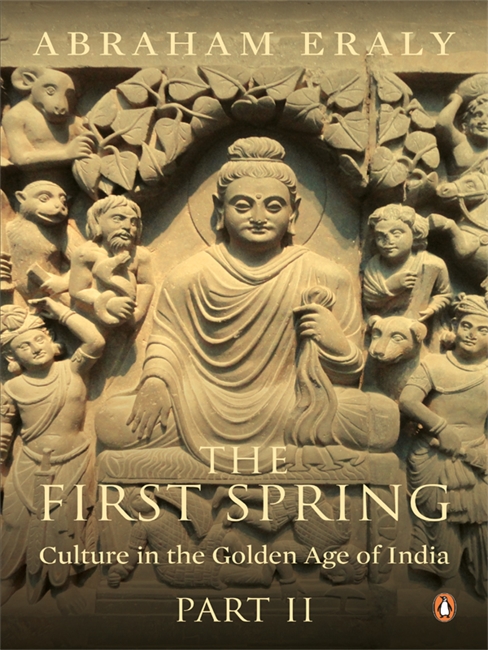
The First Spring

The Age Of Wrath
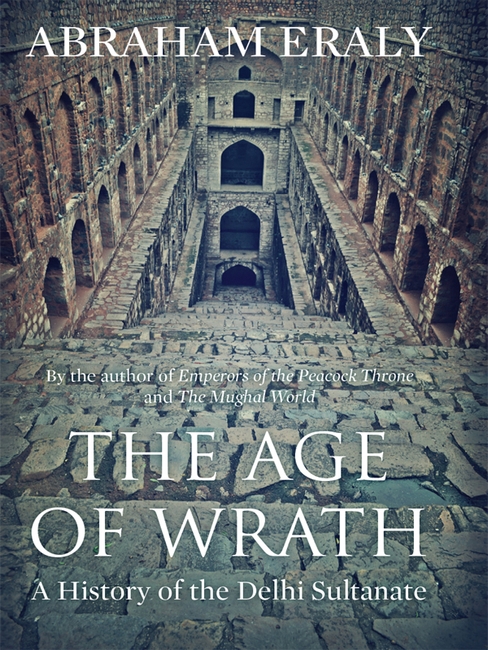
Wonderfully well researched . . . engrossing, enlightening’ The Hindu
The Delhi Sultanate period (1206-1526) is commonly portrayed as an age of chaos and violence-of plundering kings, turbulent dynasties, and the aggressive imposition of Islam on India. But it was also the era that saw the creation of a pan-Indian empire, on the foundations of which the Mughals and the British later built their own Indian empires. The encounter between Islam and Hinduism also transformed, among other things, India’s architecture, literature, music and food. Abraham Eraly brings this fascinating period vividly alive, combining erudition with powerful storytelling, and analysis with anecdote.