In The Skincare Guide That Will Save Your Life, Dr Deepali Bhardwaj uses her extensive dermatological knowledge and expertise to answer the most pressing questions in skincare today.
In addition to analysing viral trends such as Korean beauty routines and the benefits of probiotics, Dr Bhardwaj breaks down the importance of sunscreen, the ideal age to start anti-ageing treatments and solutions for common issues like dark circles and inflammation. She explores the impact of diet, lifestyle and weight loss on your skin, offering practical tips and home remedies to help you put your best face forward.
Whether you want to enhance your skincare routine or understand the science behind healthy skin, The Skincare Guide That Will Save Your Life is your ultimate resource.

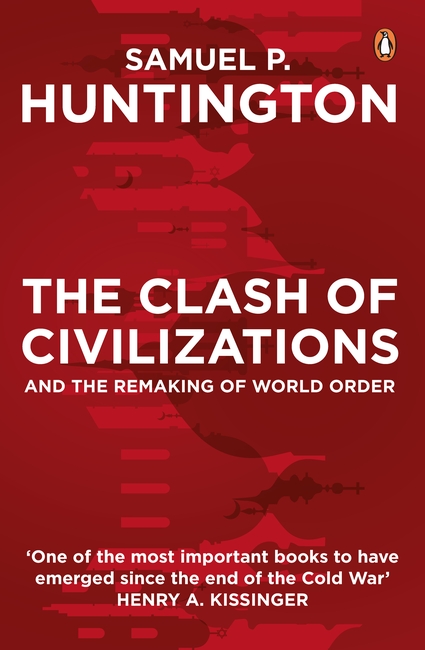
Samuel P. Huntington, one of the world’s most influential thinkers, argues in this seminal book that conflicts between different cultural ‘civilizations’ are the greatest threat to world peace. He suggests that the world is comprised of not two opposite but eight diverse groups, based on religion, and how international cooperation between them is the best safeguard against war. Global events in the twenty-first century have proved his foresight and sagacity. Huntington’s provocative thesis that a struggle for supremacy among dominant cultures—like the Japanese, Chinese, Hindu and Islamic—is inevitable is turning into reality. In the end, people’s decision to coexist or to make war in a complex, multipolar, multi-civilizational world will determine the course of humanity.

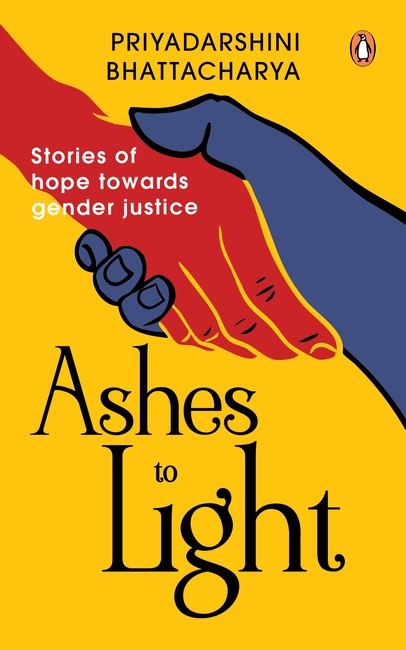
What might it mean to live in a gender-attuned world? Not a perfectly gender-just one, but a world that is receptive—capable of noticing, listening and responding to the quiet ways in which gender shapes lives, choices, institutions and intimacies. This question animates Ashes to Light, an anthology that engages resistance to gender-based prejudice not through proclamation, but through attention to the subtle, everyday forms of violence that often go unnamed.
At a time when conversations on gender are increasingly polarized, Ashes to Light resists slogans and certainties. Instead, it dwells in lived experience—where gender is not always overtly oppressive, but persistently present, shaping exclusions through normalization, condescension, erasure and quiet endurance.
Bringing together reflective personal essays from culture, politics, bureaucracy, law, academia, sports, art, and media, the anthology features film-maker Deepa Mehta on gender and creative choice; social activist Laxmi on socially sanctioned ideals of beauty; actor Rahul Bose on the rise of the Indian women’s rugby team; food scholar Pushpesh Pant on women’s struggles within the Indian kitchen; producer and screenwriter Kiran Rao on marriage and personal history; and former Chief Justice of India D.Y. Chandrachud on the feminist origins of law within the Indian family, among others.
Ashes to Light does not shout; it nudges. As editor Priyadarshini Bhattacharya reflects, the anthology is anchored in hope—not as optimism, but as practice: a daily, conscious commitment to attentiveness, movement and imagining otherwise.
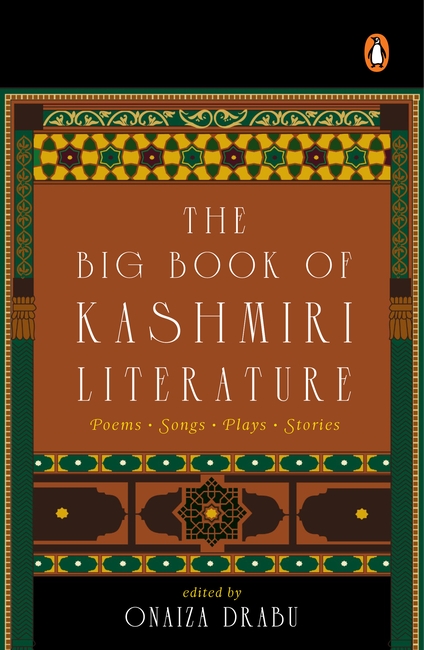
This anthology of literature translated from the Kashmiri language is the first of its kind. It is as much an introduction into the literary landscape of Kashmir as a journey through its history. From pre-modern verse to radio plays, folk chants to metaphysical ghazals, flash fiction to excerpts from a novel – the Big Book of Kashmiri Literature is compilation of memory and an anthology of voices. The reader will encounter scholars, saints, experimental dramatists and unlettered poets starting from the 14th century to today. Kashmiri has a thriving oral tradition, a literary culture that borrowed from the East and a print culture that engaged with the West and it all comes together in this volume with a promise of immersion into the emotional topography of the land, the language and the people.
What’s in a name?
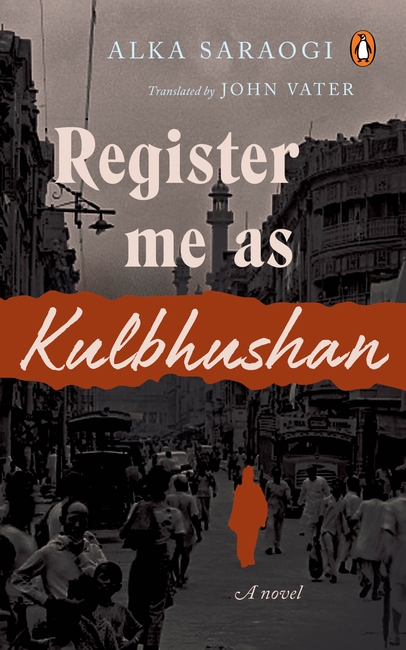
Traversing the streets of Calcutta in his one-and-a-half slippers, our dark lanky hero, variously known as Bhushan (+,) Chacha, Kulbhushan (+ Jain) and Gopal Chandra Das, wanders a maze of memories, searching for himself. Like many East Bengalis scarred by the trauma of Partition, he has trained himself to dive into forgetfulness. By punching the ‘button of forgetting’, a mantra taught to him by his childhood friend Shyama Dhobi, he can induce instant amnesia and survive the suffocating, alien streets and the belittlements of his Marwari relatives, whose household drudgery he shoulders.
Shyama, too, is more than he seems. Delivered into his parents’ lap by an itinerant fakir and blessed with admirable resourcefulness, he rises through the ranks—from washerman to rickshaw-puller to trusted confidante of cotton mill-owning Bengali aristocrats—amid the mounting communal violence and brutality of the West Pakistani army that sets the stage for the Bangladesh Liberation War. When injustice becomes unbearable, he is compelled to join the freedom fighters in search of redress and meaning.
But forgetfulness has a cost. Kulbhushan abandoned his ties to his family when he formally registered his ‘refugee status’ under a Bengali pseudonym, fleeing with other impoverished, desperate refugees to a resettlement camp in the harrowing, tiger-stalked jungle of Dandakaranya in 1964. Now, as he enters his twilight years, the mysterious suicide of his adopted daughter forces him to confront memories he has long tried to erase—and the treacherous boundaries between self and other, fact and fiction, that he has juggled artfully his entire life. At once humorous, sincere and philosophical, Register Me As Kulbhushan is a modern epic of exile and the fundamental human need to belong.

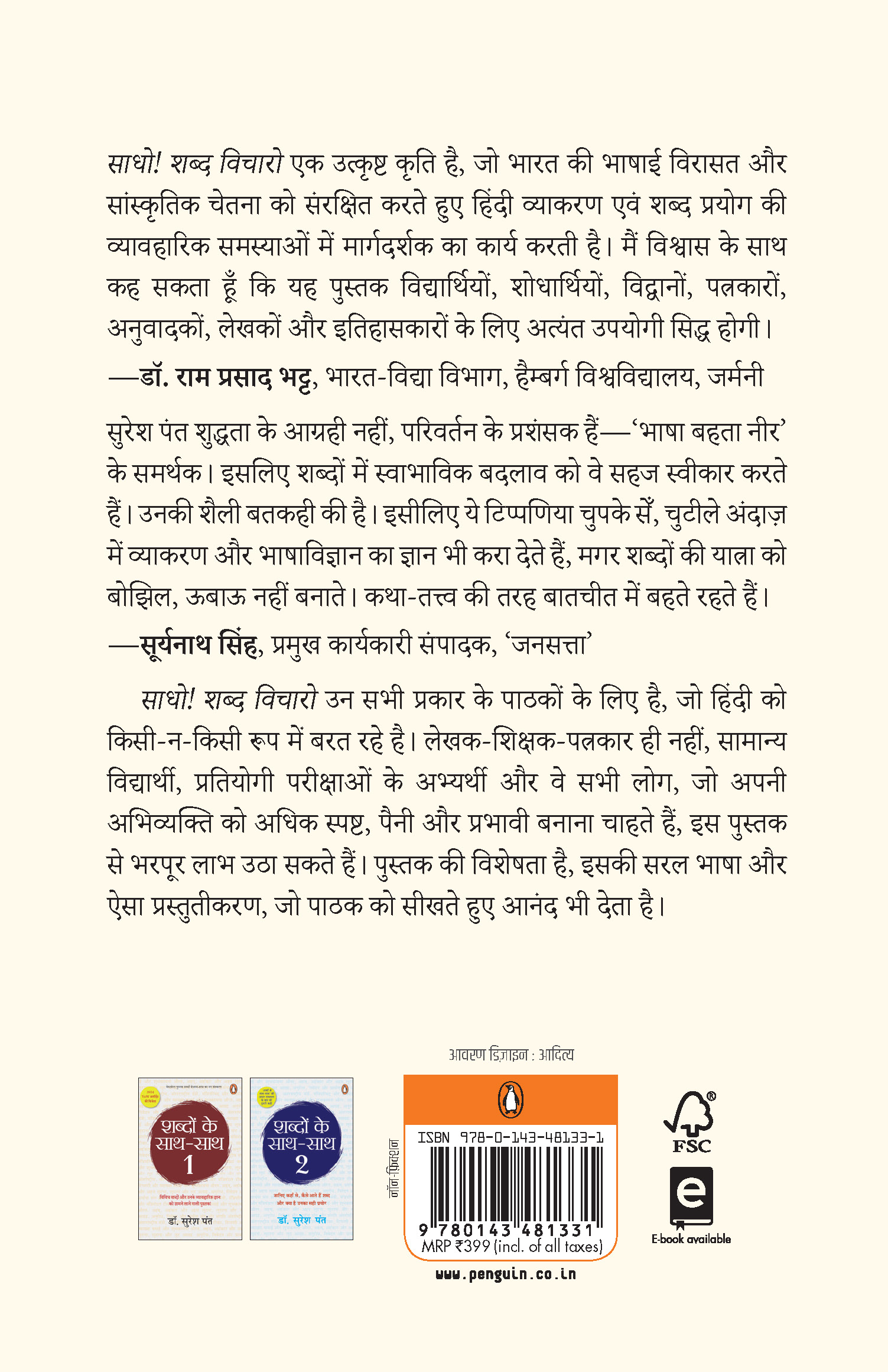
साधो! शब्द विचारों एक ऐसी अनोखी पुस्तक है, जो हिंदी भाषा के सौंदर्य, व्याकरण और गहराई को नए अंदाज़ में प्रस्तुत करती है। इस पुस्तक में शब्द केवल बोले नहीं गए, बल्कि अनुभव किए गए हैं। लेखक ने हर विचार को सादगी और संवेदना के साथ जोड़ा है, जिससे पाठक शब्दों के अर्थ से आगे बढ़कर उनकी आत्मा को महसूस करता है। यह पुस्तक भाषा प्रेमियों और विचारशील पाठकों के लिए एक अमूल्य संग्रह है।

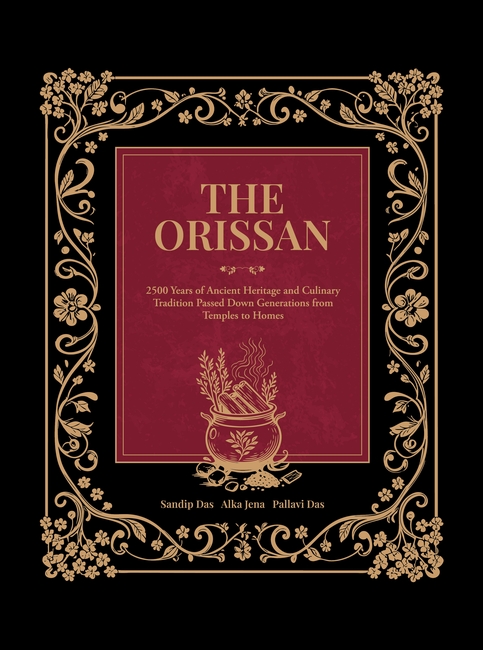
In the cradle of India’s eastern coastline lies a land where civilization learned to pray through food. Odisha, or ancient Kalinga, has witnessed dynasties rise and tides retreat, yet its essence endures in the quiet dignity of its kitchens.
The Orissan traces this unbroken lineage of taste and tradition. Each recipe is a fragment of history, born in temple offerings, royal feasts, and humble hearths, carried forward by generations who understood that nourishment is both art and devotion. Interwoven with personal recollections, myths, and forgotten lore, these pages become a chronicle of identity—a journey through time where flavours are the language of memory and every meal a hymn to the land.
To open this book is to rediscover an unsung state—glorious, graceful, and eternal.
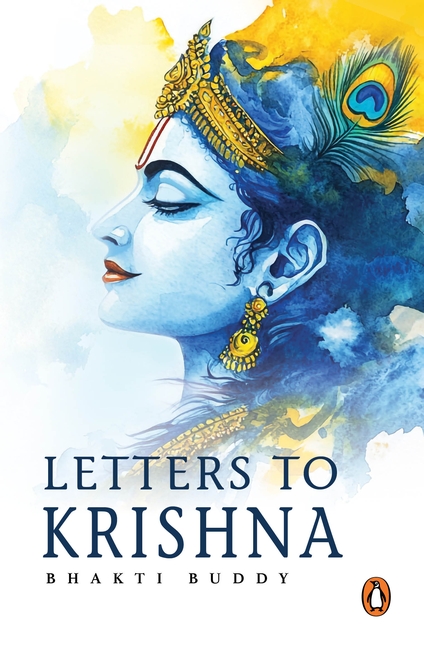
Letters to Krishna addresses Krishna the way one speaks to a trusted friend—openly, vulnerably, and without pretense. Each letter, written in raw and unfiltered verses, echoes with a sense of serenity.
No matter where you are on your journey to Him, you will find a resonance within these pages. Simple, conversational, and deeply personal, these letters remind us that spirituality does not require perfection, only presence.
Why are some people and organizations consistently more successful than others?
At its core, the answer is strategy. A good strategy makes the difference between a winning company and a bankrupt one. Billions of dollars and millions of hours of work are spent on crafting strategies for companies. But what about individuals?
Strategy for Life distills decades of experience into a step-by-step guide for professionals, creatives, entrepreneurs and leaders who want to take charge of their own lives. It equips you with the tools to navigate – and thrive – in times of disruption, uncertainty, and opportunity. Through clear, easy-to-apply frameworks, the book helps design, plan and live the life you want to live.

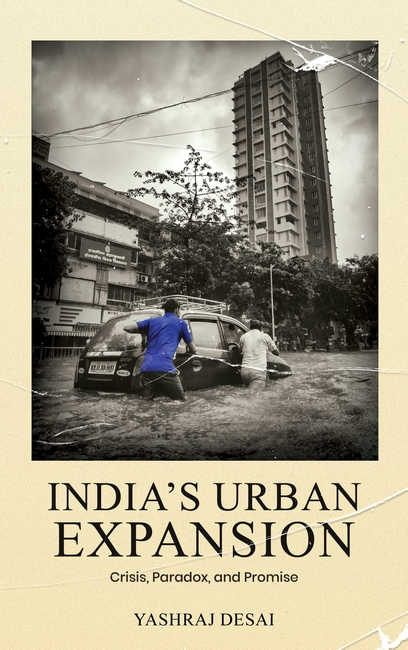
The city is breathing, but it is not alive.
India’s metropolitan dream is turning into a suffocating reality—choked skies, endless traffic, mounting waste, and infrastructure that promises relief but delivers more chaos. What looks like growth from afar feels like collapse from within. At the heart of this crisis lies the unending urban expansion paradox: every new flyover brings more cars, every expansion multiplies the density it was meant to ease. Our cities are not expanding to serve us—they are expanding to consume us.
But this is not a story of despair. It is a bold roadmap for change.
India’s Urban Expansion introduces the concept of the global readiness perimeter, offering a new framework to understand how Indian cities can move beyond reactive expansion toward deliberate, future-ready planning.