In devotional literature, gods take female forms all the time. Sometimes to serve as ‘go-betweens’ to bring lovers together, sometimes to stand in for a missing wife, and sometimes to nurse a sick devotee.
Not all queer stories are sexual but they do challenge notions of gender. This queering, which is unique to India’s devotional tradition, is worth examining to see how natural queerness was viewed by gods like Vishnu and Shiva.
Read on as Devdutt Pattanaik examines a few of the most interesting instances of queerness in Gender Fluidity in Hindu Mythology.
Mahabharata is a unique epic because even the smallest character and his singular actions have consequences that affect generations. Shikhandi’s arrival seems quite inconsequential at first but it is him that brings about the biggest turning point in the war between the Pandavas and the Kauravas.
However, outside of the war, what were the circumstances that led to Shikhandi’s actions? Was he the first instance of gender transformation in mythology? If not for Shikhandi, would the Pandavas have lost the war at Kurukshetra?
Read on to find out as Devdutt Pattanaik answers these questions—and more—in The Story of Shikhandi.
“Beware of a land where celibate men decide what good sex is.”
Hindu mythology makes constant references to queerness, questioning the notions of maleness and femaleness. A casual reading of any Indian ancient text reveals as much. Then why do we still tiptoe around discussions about queerness and/or ideas that challenge our traditional understanding of gender and sexuality today?
If these ancient texts from centuries ago could be inclusive of the spectrum of sexuality, what changed over the years? The courts of India have always upheld secularism and human rights. But this courtesy has not been extended to queer people yet. Can our ancient texts hold the answers we’ve been too scared to look for?
Read on as Devdutt Pattanaik, the master of mythology, examines instances of queerness and analyzes what led to the evolution of queer rights in India.

Books not Borders was a project undertaken in the year 2017 to bring together two cultures sundered by history and joined by an immense shared heritage. This is a heritage of pain and loss, but also one of a mutual emotional palette, the same passion for home and hearth and in the quiet places with ordinary people, a recognition of our mirrored identity. Literature has always been a space that finds common ground in that which was discrete, and this collection of Indian and Pakistani authors have come together to create a conversation of the ordinary people that constitute the hearts and minds of these two nations, in the hope that conversation brings understanding, and understanding plants the seed toward growing peace.
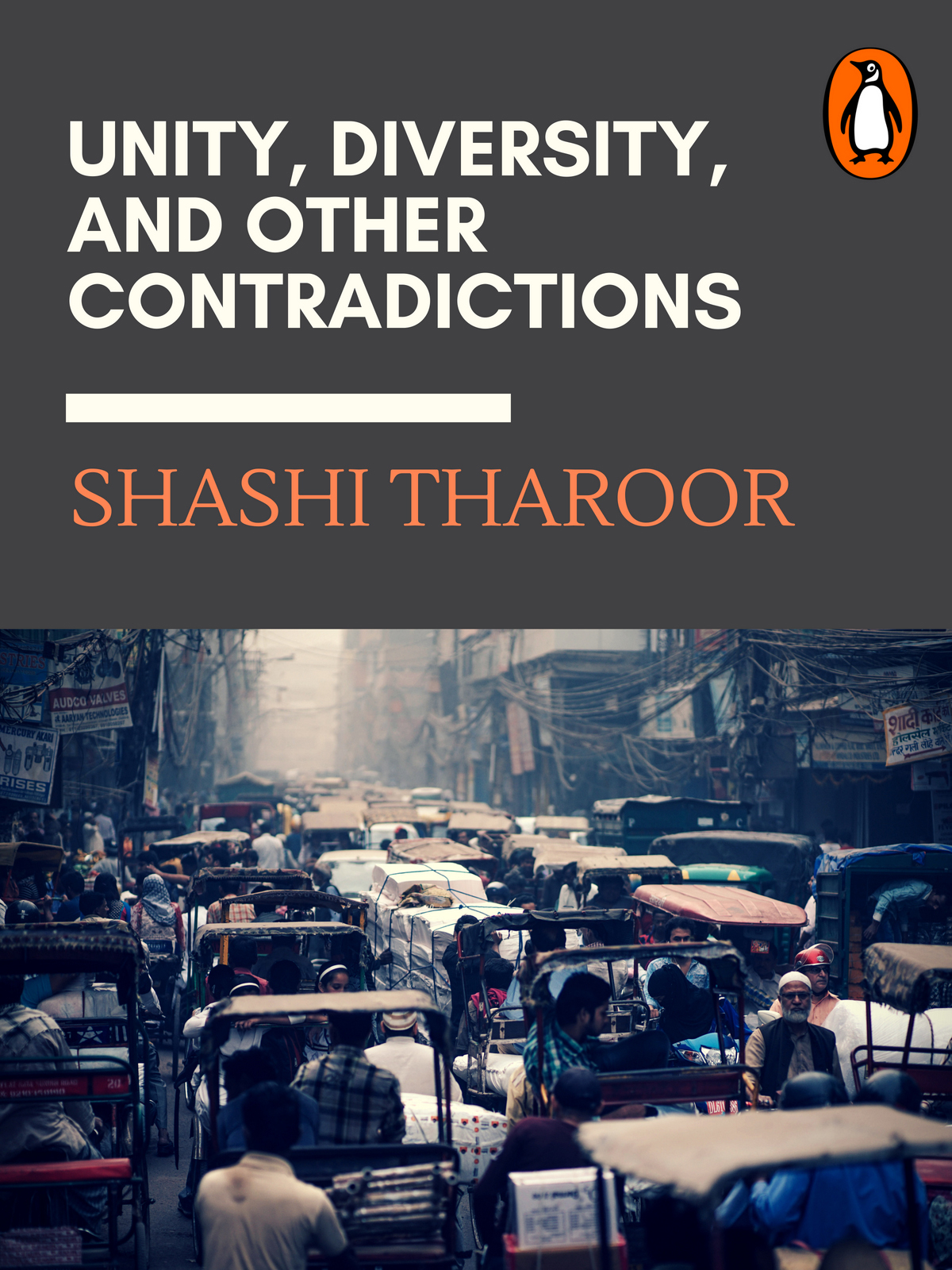
Indians are often proud of the ‘Unity in Diversity’ adage that is commonly used to describe the country’s ethos. However, diversity in India has most often brought about an array of conflicts—the most significant between Hindus and Muslims—some of which continues to this day.
‘Hinduism’, the term most commonly associated with India, actually embraces an eclectic range of doctrines and practices, from pantheism to agnosticism and from faith in reincarnation to belief in the caste system. It is a religion without fundamentals. And yet, Hindu fundamentalism is one of the biggest threats that secular India faces today. So how is one to make sense of this country?
Read on as Shashi Tharoor, eminent thinker and writer, analyses the many inconsistencies and idiosyncrasies that make up India in ‘Unity, Diversity, and Other Contradictions’.
‘India is more than the sum of its contradictions. She is a myth and an idea, a dream and a vision, and yet very real and present and pervasive.’
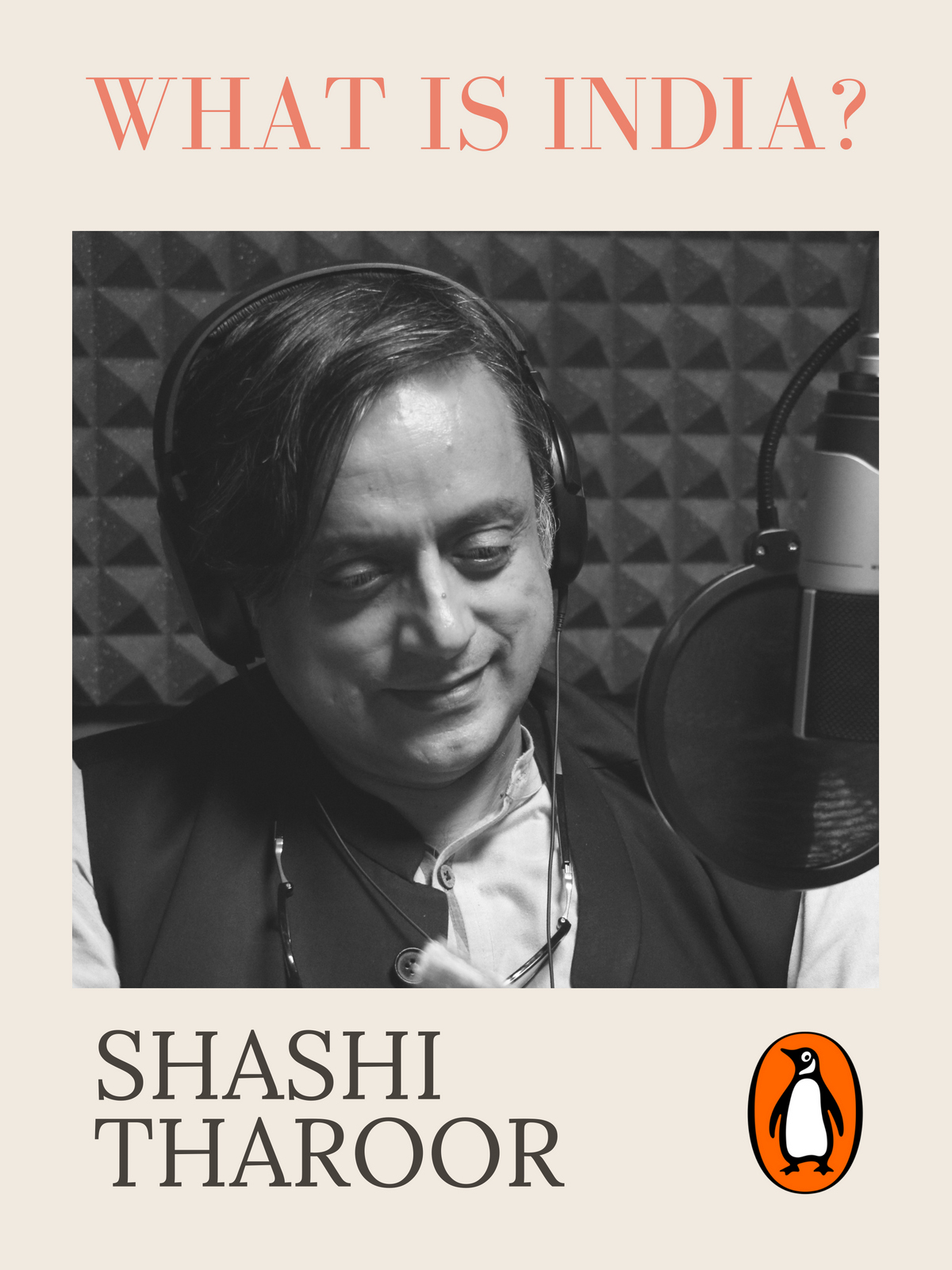
No other country in the world embraces the extraordinary mixture of ethnic groups, the profusion of mutually incomprehensible languages, the varieties of topography and climate, the diversity of religions and cultural practices, and the range of levels of economic development quite like India does.
It truly is a wonder how India has not only managed to survive but thrive in this manner. The country is far from gaining the efficiency of a well-oiled machine, and yet, things always seem to be making some kind of headway. So how does it all work?
Read on as Shashi Tharoor, one of India’s most prolific writers, attempts to answer that question in ‘What is India?’
It is truly a wonder how India, with all its vastness and diversity, manages to function as a country. In fact, before India could be governed as a free country, one of the biggest challenges faced by its future government was constituting its citizens. In a country driven by religion, language and caste, this challenge was anything but easy.
As the Constitution came together, it grandly embraced a transcendental ideal of citizenship that was free from particular identities. It was Jawaharlal Nehru, the first Prime Minister, who laid the foundation, and politically policed this difficult relationship between the citizen and the nation.
‘The Indian Citizen and Its Nation’ is a collection of Nehru’s letters that talk about the importance of nurturing this relationship, adding new dimensions to the conversation about what it really means to be a citizen of a nation like India.
‘Once your mind stretches to a new level it never goes back to its original dimension.’
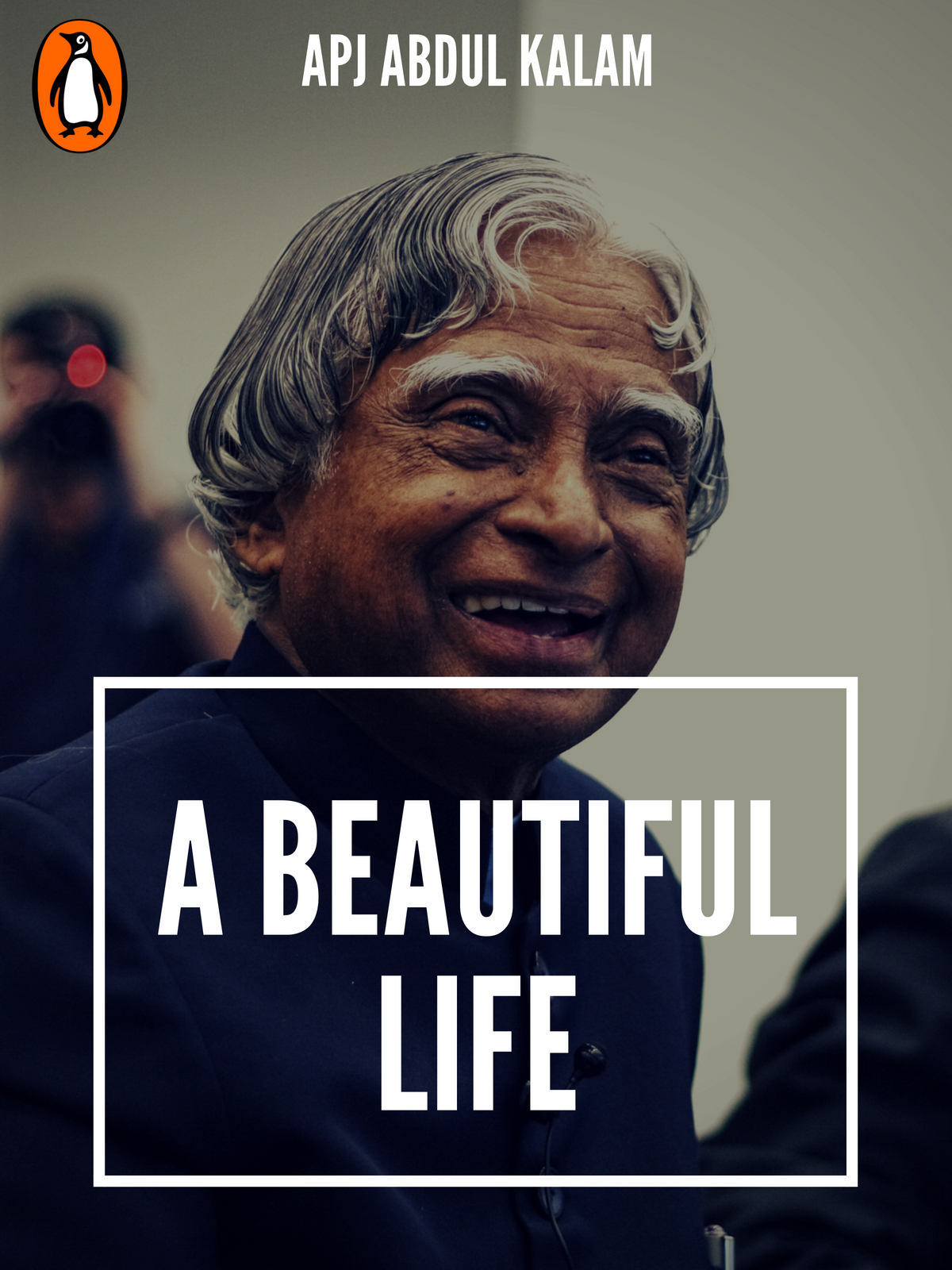
There are many reasons why A.P.J. Abdul Kalam, India’s most cherished president, was so loved: he was inspiring, he was smart, he was funny, he could connect with children and adults alike, but most of all, he was the kind of person one could tell had figured out the secret of living a happy life.
‘A Beautiful Life’ is a collection of some of Kalam’s most riveting speeches that talk about cherishing and celebrating the small moments in life. Read on.
‘Failure will never overtake me if my determination to succeed is strong enough.’
Oftentimes, our desire to succeed doesn’t account for the failure, when in fact, failing at something can teach us the most about how to succeed.
A.P.J. Abdul Kalam was a perennial optimist and had unflinching faith in the ability and intent of the Indian youth to overcome every single problem the nation faces.
In ‘Failure Is a Teacher’, read some of Kalam’s most profound ideas about failing and using that failure to propel ourselves towards success.
‘We are all born with a divine fire in us. Our efforts should be to give wings to this fire and fill the world with the glow of its goodness.’
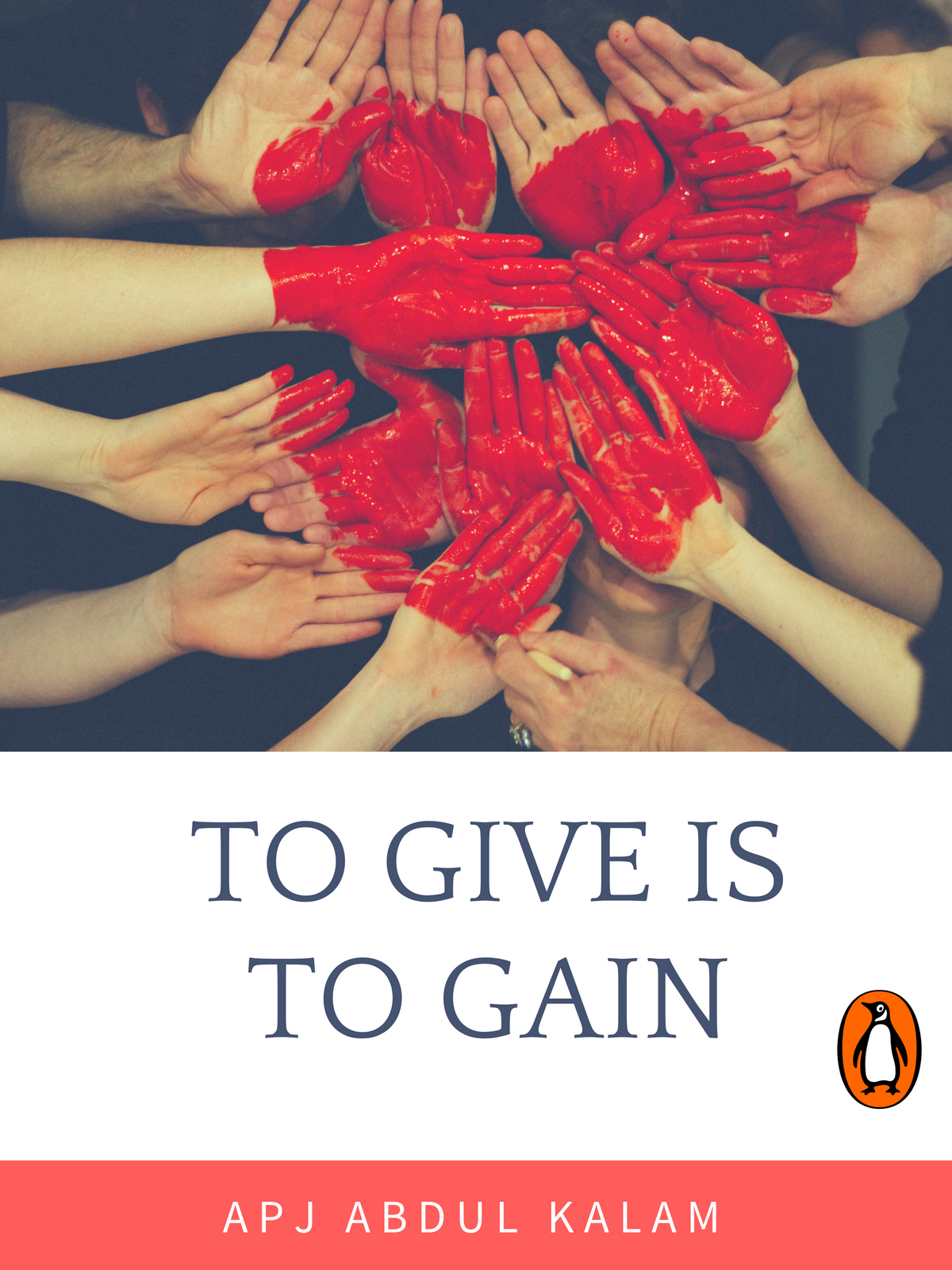
As the most influential president of India, A.P.J. Abdul Kalam’s ideas are far too vast and his vision too deep to be summarized in just a few pages. His idea about collective progress—instead of simply looking at one’s individual growth—truly paints the picture of an ‘Incredible India’.
‘To Give Is to Gain’ contains his most captivating thoughts on getting ahead by helping another person succeed. Read on.