The striking thing about accounts of modern India is that the men and women who made its history also wrote most authoritatively about it.
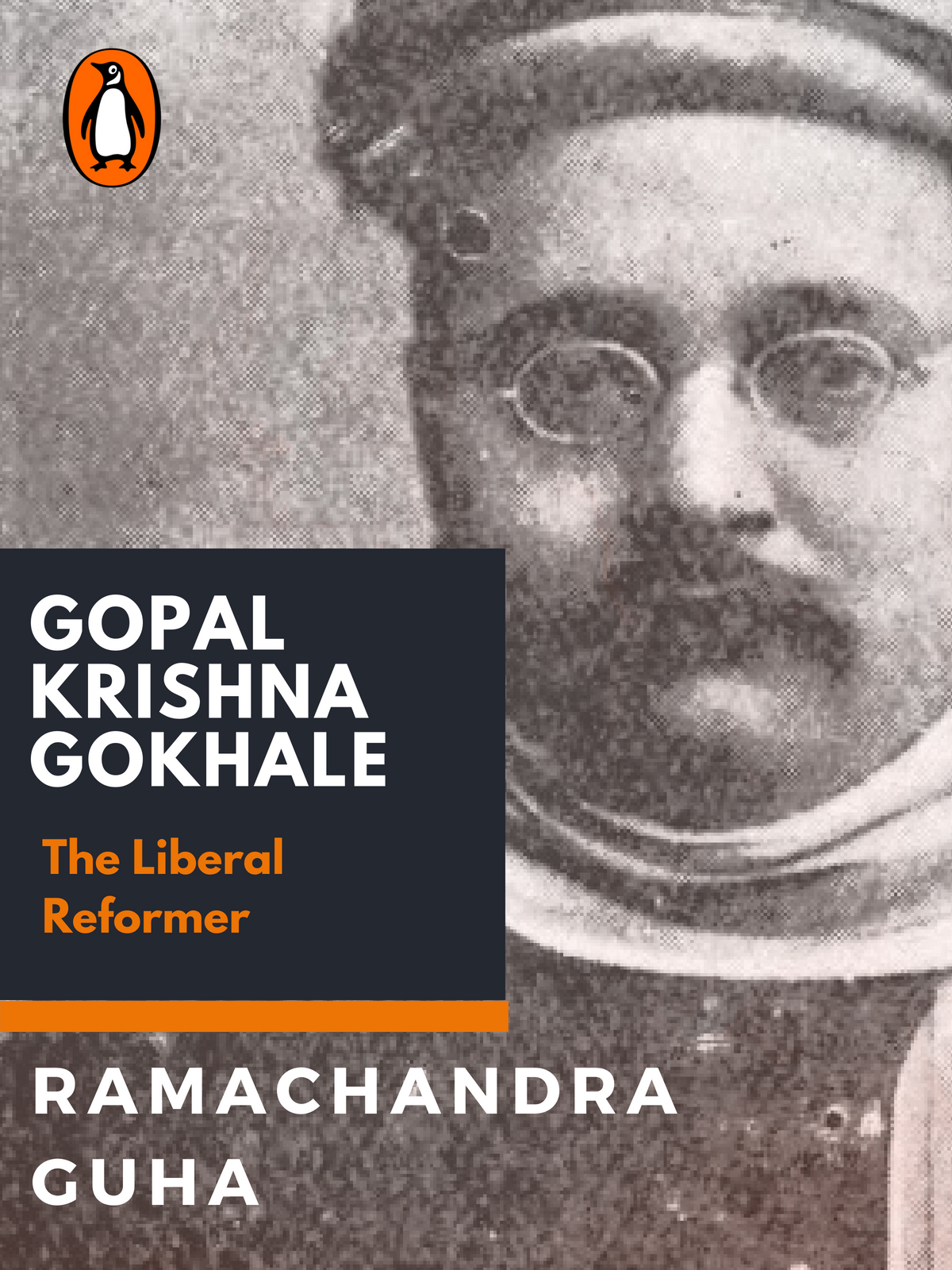
Gopal Krishna Gokhale was truly the torchbearer of the ideas that became the foundation of modern India. According to him, shaking off the shackles of social and economic backwardness as well as political subjection was the most important aspect when it came to improving India.
In ‘Gopal Krishna Gokhale: The Liberal Reformer’, Ramachandra Guha tells us about the man who influenced thousands to join the fight for India’s struggle.
For all the talk these days about education for girls and women empowerment, what Jotirao Phule did for the country almost a century ago still remains unmatched.
From starting a school for lower-caste girls to promoting a rationalist outlook honed through education, Phule played a key role in the emancipation of people from the lower castes. His writing not only reflects his drive and determination but also his zeal to bring some real change and see India achieve her complete potential.
Read on as Ramachandra Guha introduces us to yet another radical who became a building block in the foundation of India’s freedom in ‘Jotirao Phule: The Agrarian Radical’.
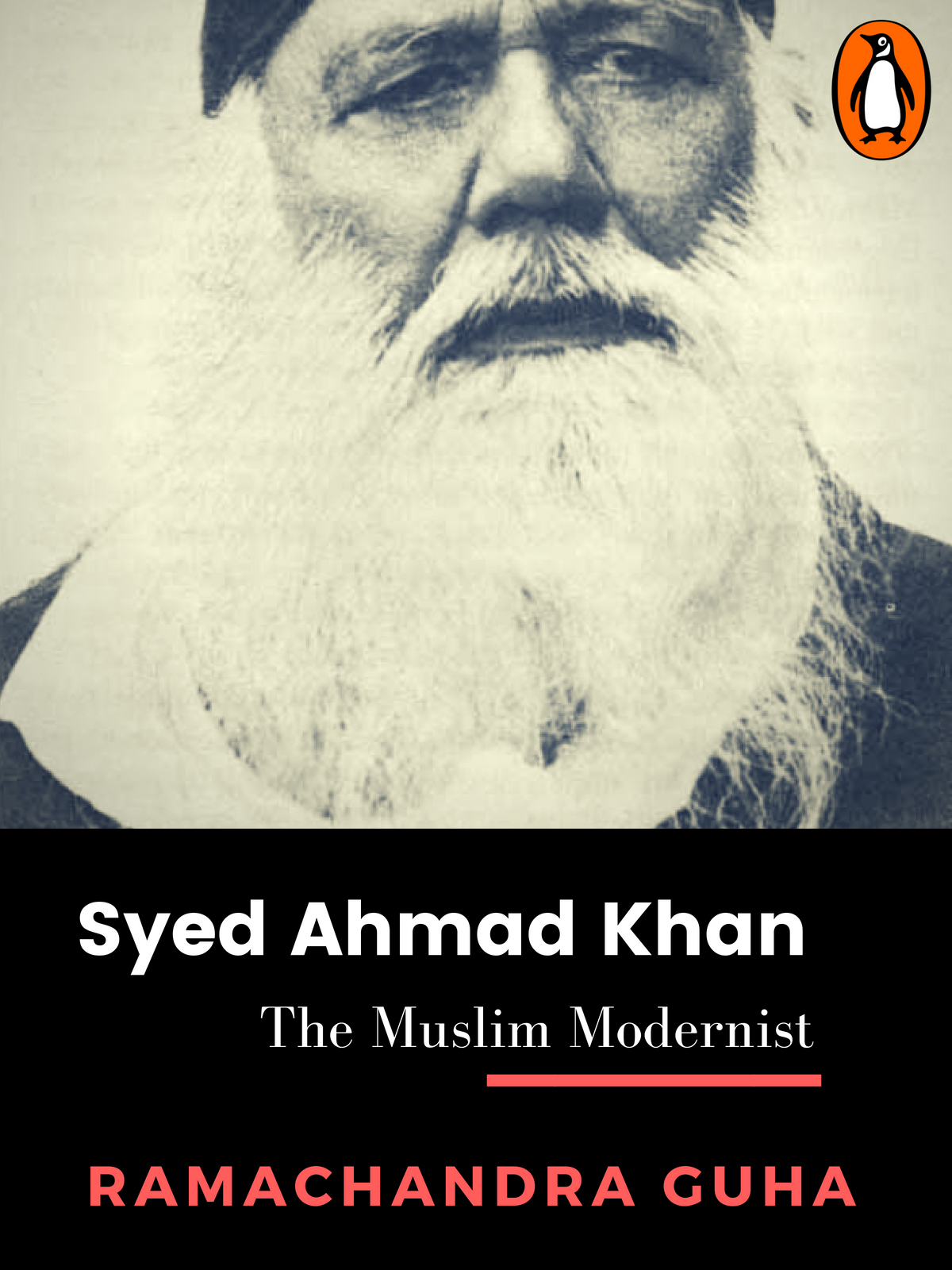
Syed Ahmad Khan was no ordinary man. His unorthodox upbringing led to his prolific writing in many languages interspersed with radical thoughts.
He gave importance to Western education and promoted the need for communal harmony. Like writings of other Indian thinkers of the nineteenth and early twentieth centuries, his thoughts and ideas continue to remain relevant.
In ‘Syed Ahmad Khan: The Muslim Modernist’, Ramachandra Guha captures the flavour of Khan’s intellectual and political legacy.
Raja Rammohan Roy is well-known for abolishing the regressive practice of Sati, fighting for other social reforms, and founding a new religious order within the Indian society. His contributions to building a liberal mindset are many.
Roy was perhaps the first Indian thinker who engaged with the challenges posed by both colonial rule and Indian conservatism. Roy was a liberal, quite ahead of his times, who fought for the freedom of press and promoted modern education. His writing set the tone for reformers and activists.
‘Rammohan Roy: The First Liberal of India’ by Ramachandra Guha is a glimpse into the thoughts and ideas of Raja Rammohan Roy.
Lights, Camera . . . Inaction
Unwittingly known as Alia Bhatt’s older sister, screenwriter and fame-child Shaheen Bhatt has been a powerhouse of quiet restraint—until now. In a sweeping act of courage, she now invites you into her head.
Shaheen was diagnosed with depression at eighteen, after five years of already living with it. In this emotionally arresting memoir, she reveals the daily experiences and debilitating big picture of one of the most critically misinterpreted mental illnesses in the twenty-first century. Equal parts conundrum and enlightenment, Shaheen takes us through the personal pendulum of understanding and living with depression in her privileged circumstances. With honesty and a profound self-awareness, Shaheen lays claim to her sadness, finding it a home in the universal fabric of the human condition.
In this multi-dimensional, philosophical tell-all, Shaheen acknowledges, accepts and overcomes the peculiarities of this way of being alive. A topic of massive interest to anyone living with mental health disorders, I’ve Never Been (un)Happier stretches out its hand to gently provide solace and solidarity.
An inspirational speech is one that awakens something in a listener—a feeling, a thought, or an idea. To understand what constitutes an inspirational speech, one must first start with the goals you want to achieve with that speech.
How to Inspire is a simple and effective guide that not only explains the nuances of inspirational communication but also provides useful tips and examples about what makes a speech truly effective. Read on to make sure you have the tools at your disposal to truly make a difference.
Whether you’re addressing a small team or an auditorium full of people, success is measured not by whether a point is made, but whether it is made well. Motivating communication touches the mind, the intellect, the heart and the soul, inspiring people to rise in life. But how does one craft a motivational speech, let alone deliver one?
Effective communication skills are equally important in a leader as innovative ideas. After all, brilliant ideas are only brilliant if they’re communicated well. Delivering Motivation is a straightforward guide that will help you understand the importance of communication as well as help you hone your skills towards becoming a well-rounded, well-spoken leader.
‘You can change the way the world looks at business and the way business looks at the world.’
Chairperson and CEO of PepsiCo, Indra K. Nooyi is one of the most powerful women in business. She has critical advice for a powerful country in her inspirational convocation address at IIM Kolkata. As developing economies inch closer to success, there has never been a better time to be an entrepreneur. However, today’s entrepreneurs must be as committed to sustainable business practices as they are to financial results. Entrepreneurs hold the power to turn the inconceivable into the inevitable.
Choose Your Success is a powerful text. Read on and discover the possibilities of a promising future.
We have an inherent fear of new ideas. We grow up in an environment that forces us to fit in, makes us believe in common goals that are in line with our financial bracket, and ensures we stay within these parameters all our lives. No wonder we’re so far away from innovation.
Innovation comes from taking risks, and risks can only be taken once fears are abandoned. When Mahindra & Mahindra first ventured into the automobiles industry, there was every reason for the company to fail. Today, it’s one of the leaders of the industry. What set its destiny apart?
Change the Rules, Anand Mahindra’s inspiring address at the convocation ceremony of the graduating class of 2014 at IIM Ahmedabad not only reveals the secret behind the organization’s unprecedented success but also highlights the dangers of staying in the comfort zone.
What if you were told one day that the secret to success was anger? Anger in the workplace has always been frowned upon, but it might be the key towards finding the motivation to affect change.
According to R. Gopalakrishnan, director of Tata Sons, it is good to be angry—at policies implemented at your workplace, at the state of affairs in the country, at injustice in the world, to name just a few examples. Anger is what begets change, and change begets progress.
Keep the Anger is the transcript of R. Gopalakrishnan’s revolutionary convocation address delivered at IIM Kashipur in March 2015, an absolute must-read for anyone who wants to change the world.