Nobody remembers those who don’t win.’
You’ve set goals, executed your action plan, put in the hours, even taken a few difficult risks, and yet, things haven’t turned out quite as you imagined. Time to accept failure and move on? Never.
Failure isn’t the absence of success. Truly driven people aren’t even slowed down by failure. They see it as a pit-stop; they refuel quickly and resume the journey before you can say ‘Go!’ When they say success comes at a price, they’re right. Minor rewards and major failures are all milestones along the path to success. The only option is to keep driving.
Never Giving Up, Atul Magoon’s insightful guide, not only highlights the importance of keeping at it, but also provides useful advice on how you can consciously train yourself to achieve your goal.
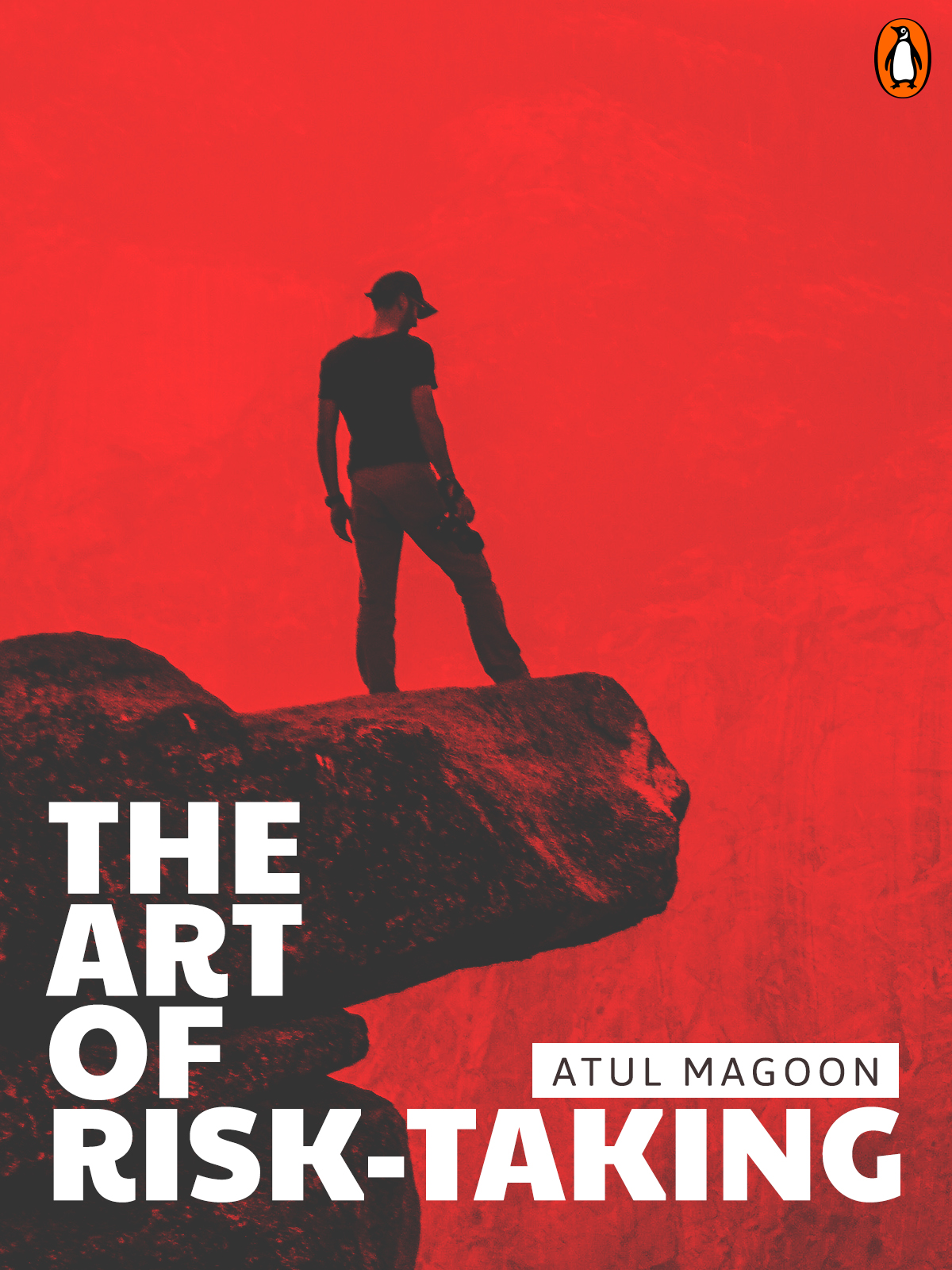
In this world of change, risk is not loss—it is actually gain.’
There is a reason why the ‘road less travelled’ often leads to success. And that is because success and risk-taking go hand in hand. However, thinking about taking risks and actually taking risks are two completely different things.
In today’s world, the difference between taking risks and avoiding them could mean leading an ordinary life as opposed to the life of your dreams. So how do you ensure you pick the more difficult side to get the best returns?
The answer lies in Atul Magoon’s The Art of Risk-Taking, an enlightening read about the importance of taking risks in an increasingly competitive world.
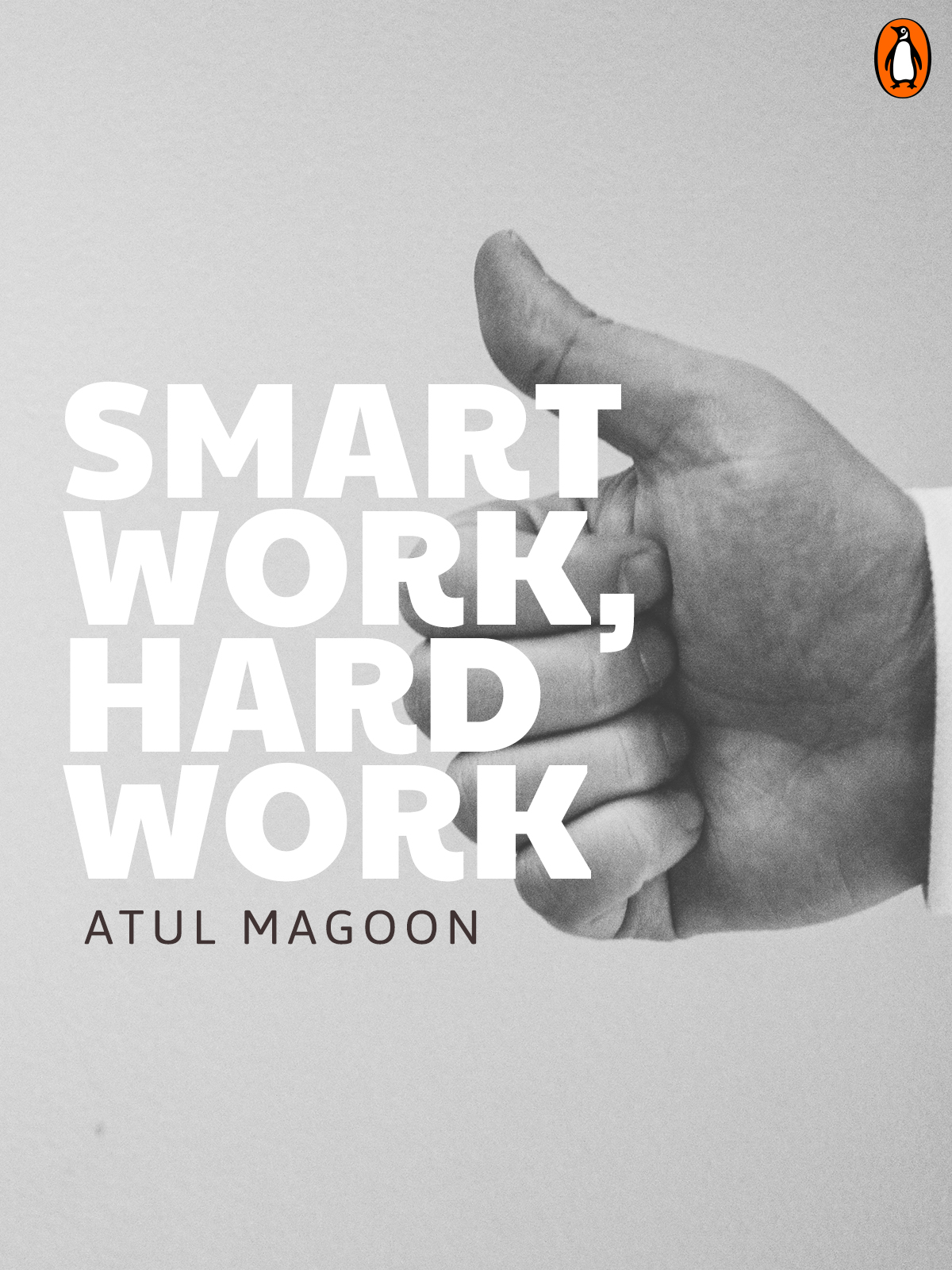
You can’t just work tirelessly. You have to work tirelessly towards your goal.
We’ve all heard how there are no shortcuts to success. If there is something you want, you’ve got to put in the effort. But if hard work and dedicated labour is all it takes, wouldn’t all workaholics be millionaires?
The challenge today is about the abundance of opportunities. There are a myriad different ways we can go about realizing our dreams. The trick, however, lies in making the right choice and sticking with it. As Atul Magoon puts it, ‘focused hard work’ is what leads to the pot of gold.
Hard Work vs. Smart Work is an important guide not just for aspiring entrepreneurs but for anyone who wants to make sure their work gives them the results they want.
It’s the start that stops most people.’
We make plans, jot down lists, fill in bullet journals, even work on a vision board, but something’s always missing. There’s always some stumbling block that stops us on the path to success—the economy, the market situation or just plain old timing. So is success only meant for people who never face these obstacles?
Successful people take action in the face of uncertainty, and it is this simple feat that separates them from the rest. Even if you have a plan, it is obsolete till it’s executed.
With useful tips and relatable examples, Take Action is Atul Magoon’s simple yet effective guide for those who have the map but are struggling to take the first step.
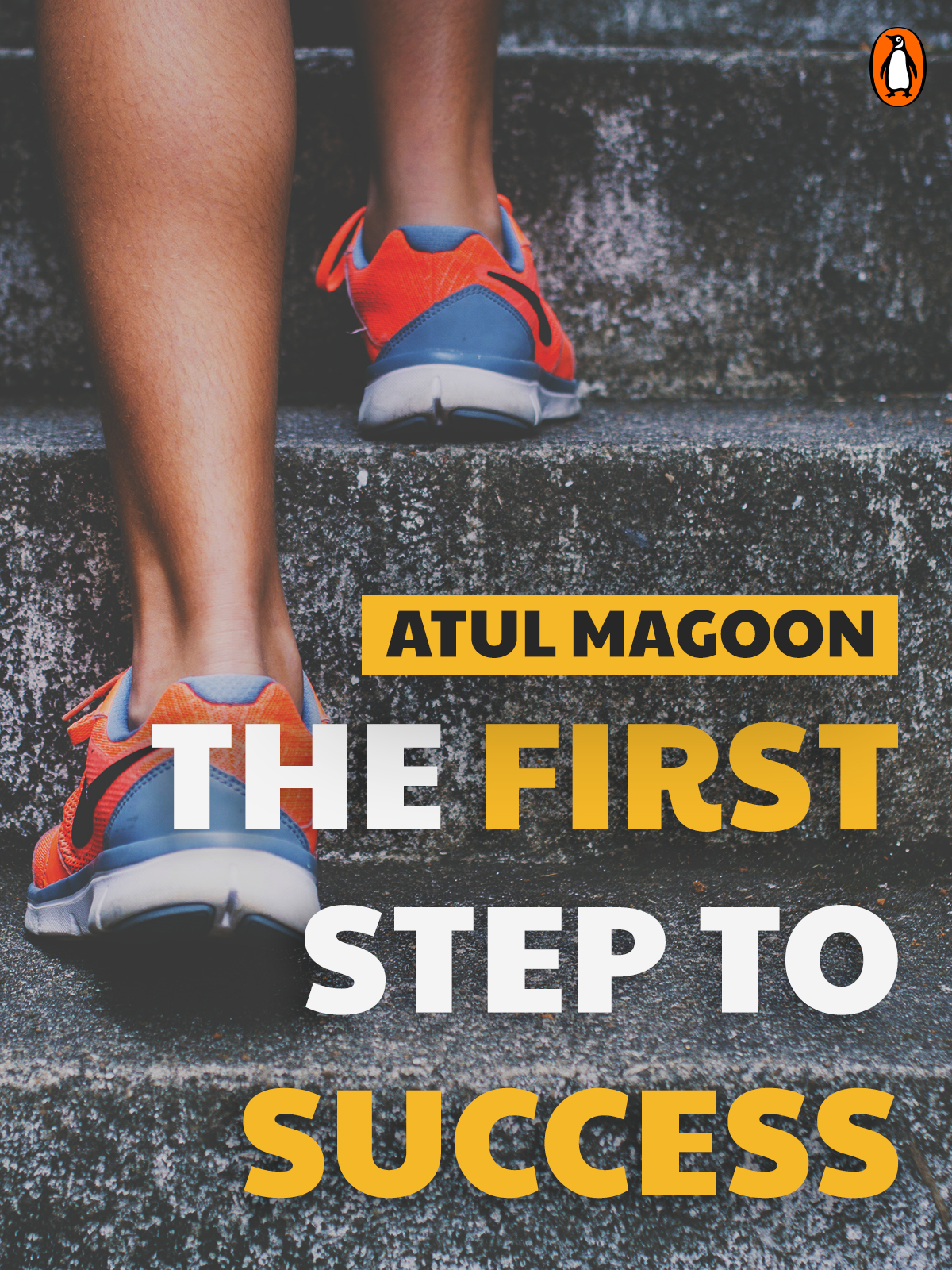
A person can achieve whatever his mind can conceive and believe.’
We all want to be successful—do well at work, make enough money so that we can maintain (and improve) our current standard of living, and make the lives of our future generations easier than ours. But success is fickle—or so we think. What if there is a way to actually achieve everything we want to?
According to Atul Magoon, all it takes is belief. Visualizing success is the first step towards achieving it. After all, imagination is the greatest power humans have, so why can’t we use it to make things happen?
The First Step to Success is Atul Magoon’s practical guide for someone who wants to make it big but can’t figure out where to start. Read on to take the first step towards building your success story.
We all know how Hanuman wreaked havoc upon the golden city of Lanka when he visited Sita as Ram’s messenger. But what a lot of us aren’t familar with are the insightful conversations they had then.
From discussing the difference between how Vanaras and Manavas think, to discussing the moralistic details of situations, this discourse between Sita and Hanuman is both unexpected and thought-provoking.
An interesting insight into one of the most popular sections of the epic, the Sundar Kand, Hanuman in Lanka is riveting, enlightening, and entertaining, as all of Devdutt Pattanaik’s writing is.
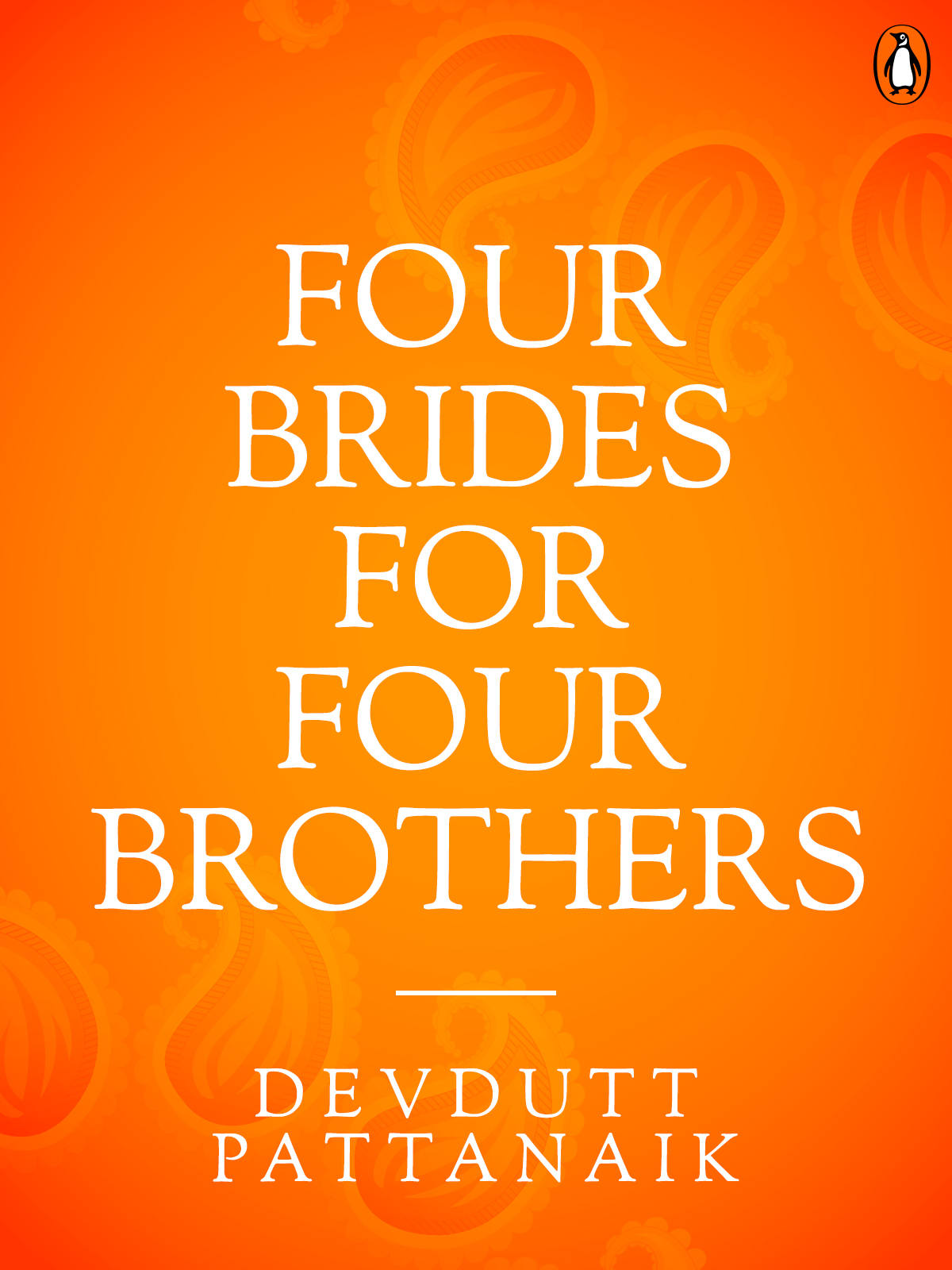
Ram and Sita’s wedding is a well-recognized visual in India, especially because of how Ram manages to break Shiva’s mighty bow, proving that he was indeed destined to be Sita’s husband. But the beauty of the story lies in its details. It is to be found in the tender moments the couple shared when they first laid their eyes on each other at Vishwamitra’s ashram. It lies in the realization that the union of Ram and Sita, along with the union of Ram’s brothers with Sita’s sisters, has been in the making since the time of Prithu, the first king.
From Parashurama to Tadaka to Ahalya to Ganga, the story of Four Brides for Four Brothers is a fascinating melange of characters and events. And there is no one better to tell that story than Devdutt Pattanaik with his masterful illustrations.
Read on to discover the events that led to the union of two of the most enigmatic characters of Hindu mythology.
For all the action associated with the Ramayana, people sometimes forget how uniquely fascinating the birth of the two protagonists was. While one was discovered in a field that was being ploughed, the other was borne out of a powerful potion. No wonder they went on to achieve greatness.
However, the story of Ram and Sita’s birth isn’t just important because of how they were born. Understanding the context of their birth is equally important because when it comes to epics like the Ramayana, the smallest of details have the most far-reaching impacts.
In The Birth of Ram and Sita, explore the illustrated world of the protagonists before they were born with captivating insights from Devdutt Pattanaik.
Ramayana isn’t a single text. It is a belief, a tradition, a subjective truth, a thought materialized, ritualized and celebrated through narrations, songs, dances, sculptures, plays, paintings, and puppets across hundreds of locations over hundreds of years.’
But where did it all originate?
It is believed that when Shakti wanted to hear a tale that had the power to comfort during turbulent times, Shiva narrated the Ramayana. It is from this brief exchange that all that came followed.
With What Shiva Told Shakti, Devdutt Pattanaik offers a brief glimpse into the vast and historical tradition that is the Ramayana. From versions and formats to cultures and countries, explore the epic with the master himself.
For hundreds of years, for millions of people, across history and geography, Ram’s name and his story have opened a window to the divine. He is venerated as the greatest king of Ayodhya, he is the eka-patni husband of Sita, he is the keeper of his word, he is maryada-purushottam.But isn’t he just an ordinary man who did extraordinary things? If so, can you and I be Ram?
In Who is Ram?, Devdutt Pattanaik explores the many ideas and qualities of an upright hero, the protagonist of one of the world’s most popular epics, Ramayana.