



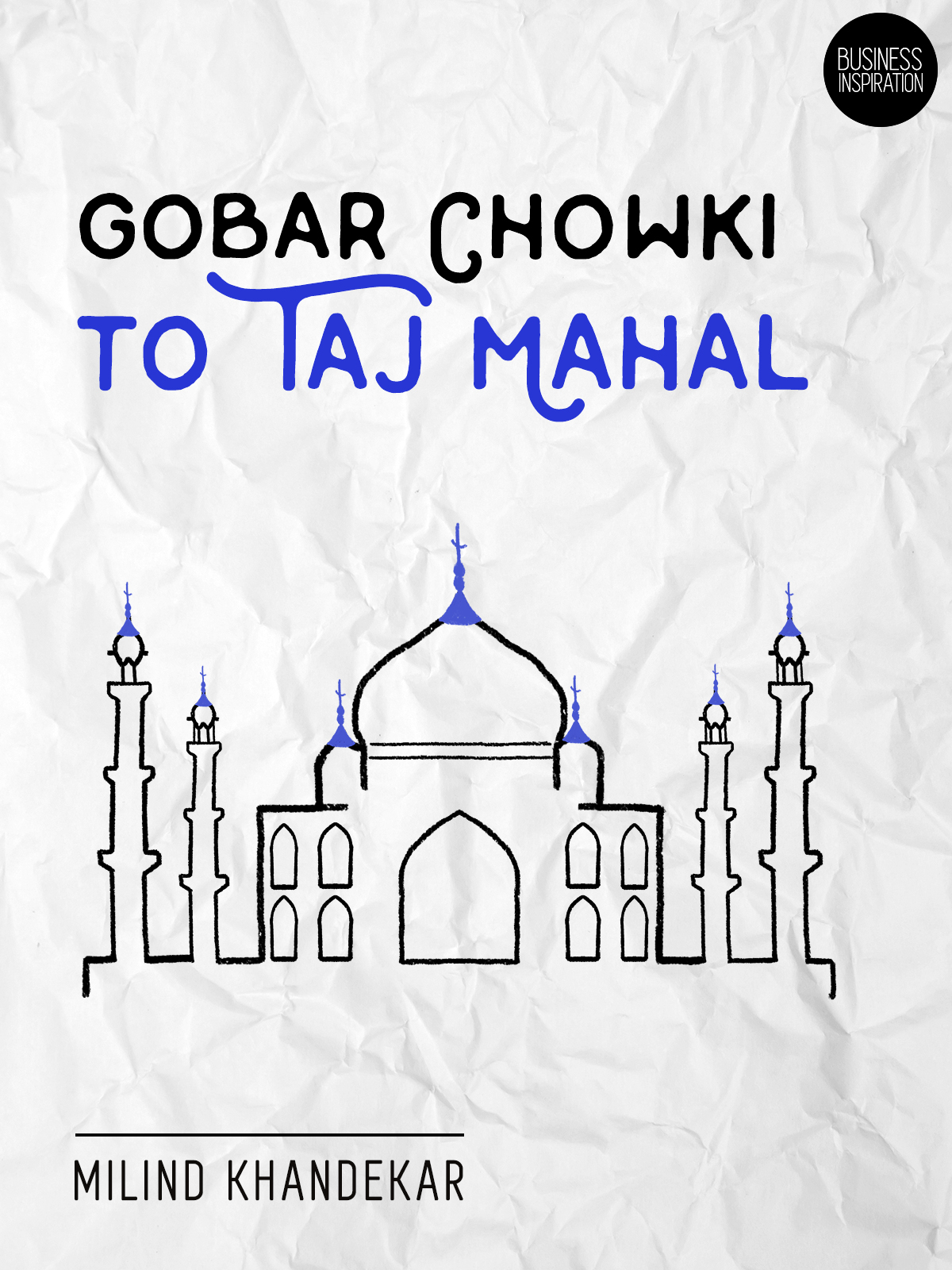
Gobar Chowki stands close to the Taj Mahal in Agra. The Mughals had white marble loaded on to beasts of burden and carried to the monument. Over a period of time, animal dung got accumulated here and the area came to known as Gobar Chowki—gobar meaning dung.
Twenty-five years ago, Devkinandan Son’s home was in Gobar Chowki. Now, barely half a kilometre away from the Taj Mahal, he is the owner of the Taj Plaza. Forced to quit school at 14 due to poverty, Devkinandan’s first salary was Rs 2 per day, packing shoes into boxes. The government did play a major role in taking Devkinandan’s life forward—first through a degree in shoe design and then through the Uttar Pradesh government’s Leather Development and Marketing Corporation.
As a designer, Devkinandan impressed Thomas Bata of Bata shoes, going on to make shoes for global brands like Florsheim and Bugatti.
Fighting against an internalized sense of caste-inferiority along with numerous external barriers to success, Devkinandan built his business on sheer hard work and strategic thought. Find out more about the grit a true businessman requires in this story.
Catagory: Non Fiction
non fiction main category
Made in Japan

Coming from a family of teachers, Atul Paswan knew that he wanted to do something more glamorous his life. Though he dreamt of being a doctor, he fainted the first time he dissected a frog, a problem which put paid to that aspiration. Unsure of what his career path ought to be, he signed up for a language course at JNU hoping it would give him the chance to leave the country—and found Japanese.
Since a language degree could only take him so far, Paswan decided to get an MBA. This unlikely combination led to the series of events which culminated in Pasan becoming the first ever Dalit industrialist to own a software company. Today he hires Dalit software engineers in spaces that were almost exclusively those of Brahmins before.
Fighting through business struggles, natural disasters and the hard learning curve of entrepreneurship, at 36, Paswan has a company with a turnover of Rs 15 crore. Find out more about his extraordinary journey here.
One Step At A Time
From the young boy who had to work as a cycle-rickshaw puller to a tycoon with a multi-business empire, Hari Kishan has fought his way to the top.
When he got his first loan—Rs 15,000—it came from a personal contact who had faith in him. Though his family felt it was a lottery, Hari Kishan was determined to spend it only on business. So he left his family home and the pressure to spend it on personal demands, and ran from pillar to post to get an order of 10,000 shoes from the government and never looked back.
Within a matter of months, his credit shot up in lakhs, and soon his company was manufacturing for Bata, Hush Puppies as well as a luxury line of their own—Harryksons. Since then he has diversified into restaurants, marriage halls and even hospitals. Hari Kishan’s legacy has withstood the barriers society put up to impede his progress as a Dalit. Now he is determined to do right by his people and use his power to change society.
Read more about this powerful and inspiring story.
Threads of Success
Despite owning crores of money, Devjibhai Makwana cannot buy property in certain areas—certain people from the upper castes will subtly arrange for there to be impediments. Devjibhai truly appreciates the value of money. He knows he is ‘allowed’ to live where he does because he has money. Without it, he would not be accepted into society.
Devjibhai dropped out of school in the 10th standard, believing that if his illiterate father could run a leather business, this much education would be enough. But it wasn’t that easy. ‘There are no advantages to being a Dalit. It’s all just a matter of perception. Small businesses get easy loans and waivers, but people like me are at the mercy of the market.’
Hitting roadblocks like banks refusing him loans and surviving bankruptcy in business, his company now has a turnover of Rs 300 crore. Today his sons are all highly educated and responsible for individual divisions. At 59, Devjibhai is still excited about starting a new venture from scratch.
Read how this gutsy and determined business tycoon rose to success in this story.
Life Lessons : A University
Harsh Bhaskar didn’t come from a family where formal schooling was a given, but today he is the proud owner of Kota Tutorials, a coaching programme whose rigorous and comprehensive approach to education enables students to get into the most prestigious universities.
Bhaskar himself went to IIT Roorkee and hates the idea that somehow reservation equals a degree—it doesn’t matter in the examinations you must take, and Dalit students usually have to face discrimination in an IIT as their classes are held separately and their answer sheets marked far more rigorously. He refuses, however, to be defined by discriminatory ideas, and is focused on building an educational institution to rival any university—the first Dalit to do so. His real aim is to shape students into good human beings; jobs will follow naturally.
Read on about this fiercely unapologetic businessman whose no-nonsense attitude is building an empire of minds that can change the world.
From Labourer to Millionare
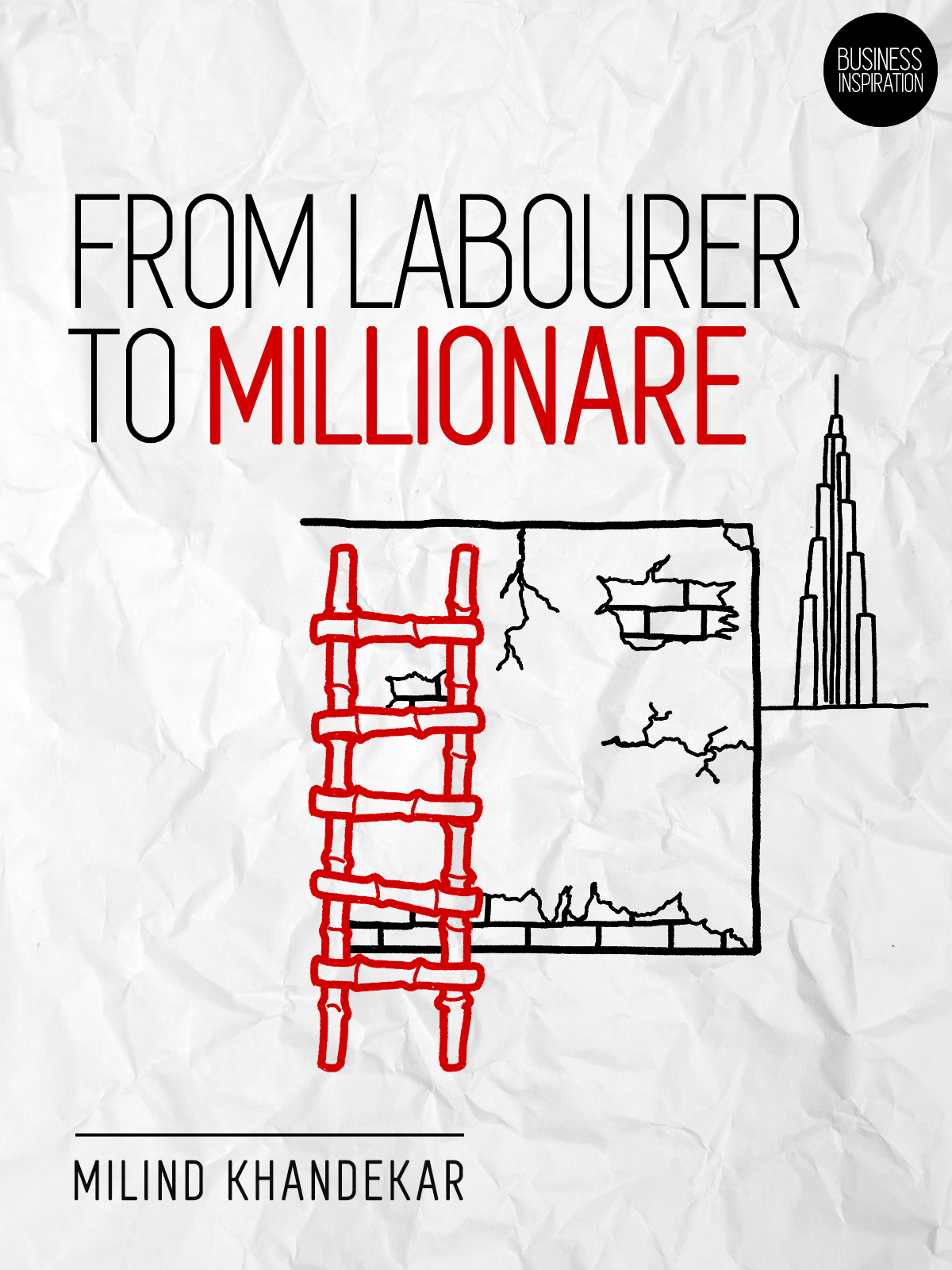
Bhagwan Gai spent his formative years without schooling, as the child of wandering construction labourers. When he was older, his summer vacations were spent as a labourer, a carpenter or a mason. The two months wage would pay for his schooling, but in a competitive school of Brahmins, even being a good student didn’t count if you couldn’t be the best.
Although he wanted to study to be an engineer or doctor, he was itching to get a job to ensure his mother wouldn’t have to sell vegetables on the streets any more. Joining HPCL during a drive to recruit from the scheduled castes and tribes, he swiftly moved up the ranks until his promotions were consistently halted. While he fought a case on discrimination to open doors for other Dalits, he moved on to better things—a company in Dubai where he earned twenty times as much. He has never looked back since.Now he owns a company valued at Rs 100 crore and is on the board of more than ten companies in India and Abu Dhabi, and creates development and strengthening opportunities for other marginalized Dalits to break out of the system.
Find out how this extraordinary businessman escaped the confines of his caste to build an empire in this story.
Coal to Gold

When Savitaben started working, she had to face discrimination for being both a woman and a Dalit. But that didn’t stop her. From a small job carting half-burnt coal to brick kilns, she steadily built up her business to sell most of the coal that arrived at the Ahmedabad railway yard.
Though her business thrived she couldn’t move out of her Dalit chawl until a moment of luck gave her a home in an upper-caste neighbourhood. However, the residents did not want any Dalits in their colony, and in the throes of the anti-reservation protests of 1985, her house was burnt down. Shoved back into ‘her place’, Savitaben resolved to build her business into an unassailable force. With deft investments and an iron will, Savitaben’s business now has a turnover of Rs 50 crore, and the woman who once sold coal now sells gold.
Find out how Savita triumphed over a system designed to work against her in this story.
Little Master
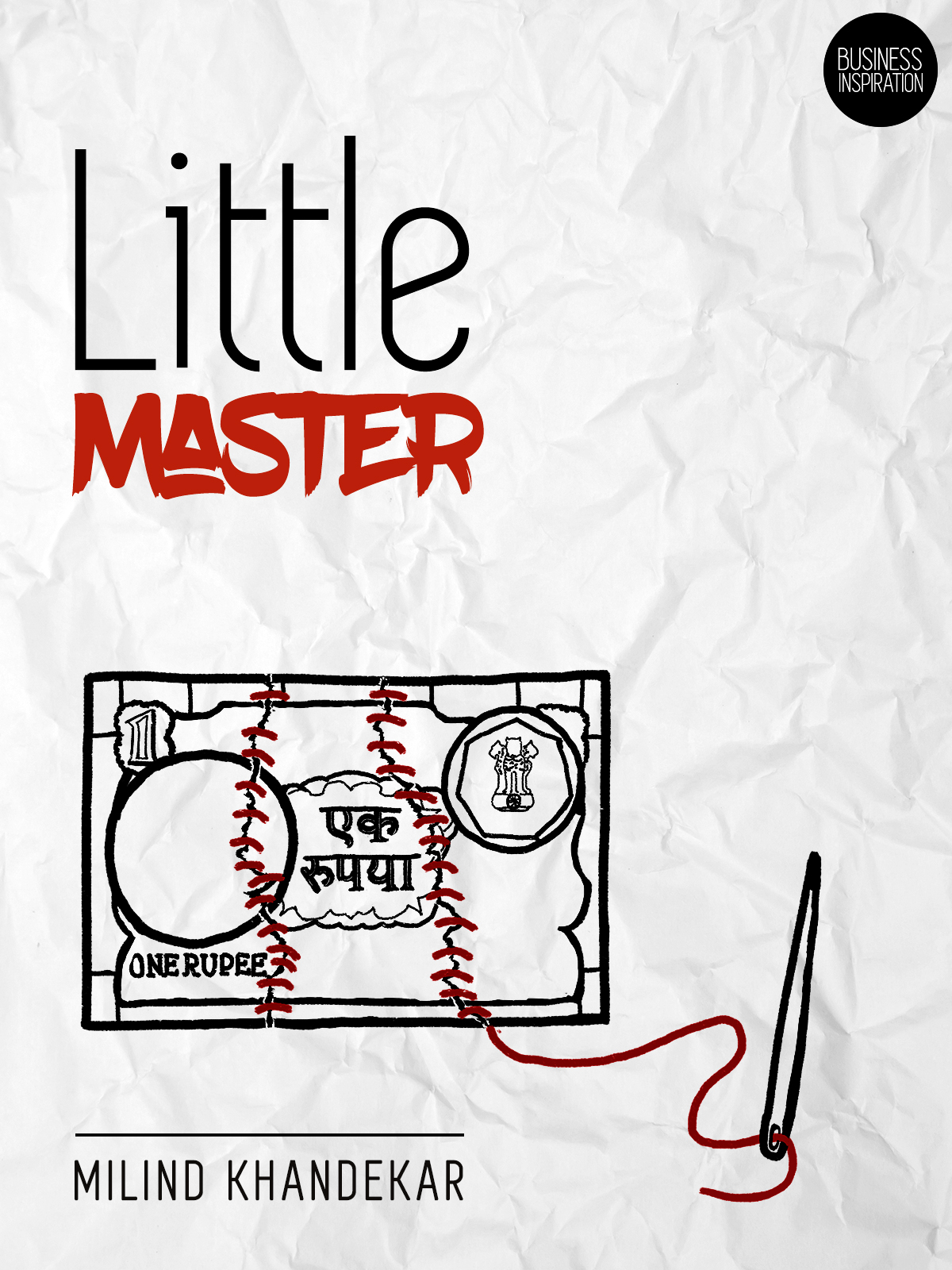
When Malkit Chand was a child, he tore a one-rupee note into fifty pieces and religiously watered it every day, hoping it would grow into more.
The childish dream was abandoned but Malkit Chand’s determination to escape his caste’s poverty grew stronger. With an eye on building his own business, he gave up the idea of academia and resolved early to acquire the skills needed to produce clothing. But there were many barriers in his way, with suppliers selling to him at far higher rates, taking advantage of the fact that nobody would sell to a Dalit fairly. His revenge was cut-price ruthlessness, sacrificing his profit margin to sell the best products for the lowest prices in the market—caste discrimination vanished in the face of throwaway prices.
Today Malkit’s company earns millions and proudly bears the name of his sub-caste. Malkit now devotes his time to raising awareness and providing access to businesses for Dalits.
Beating the Boycott
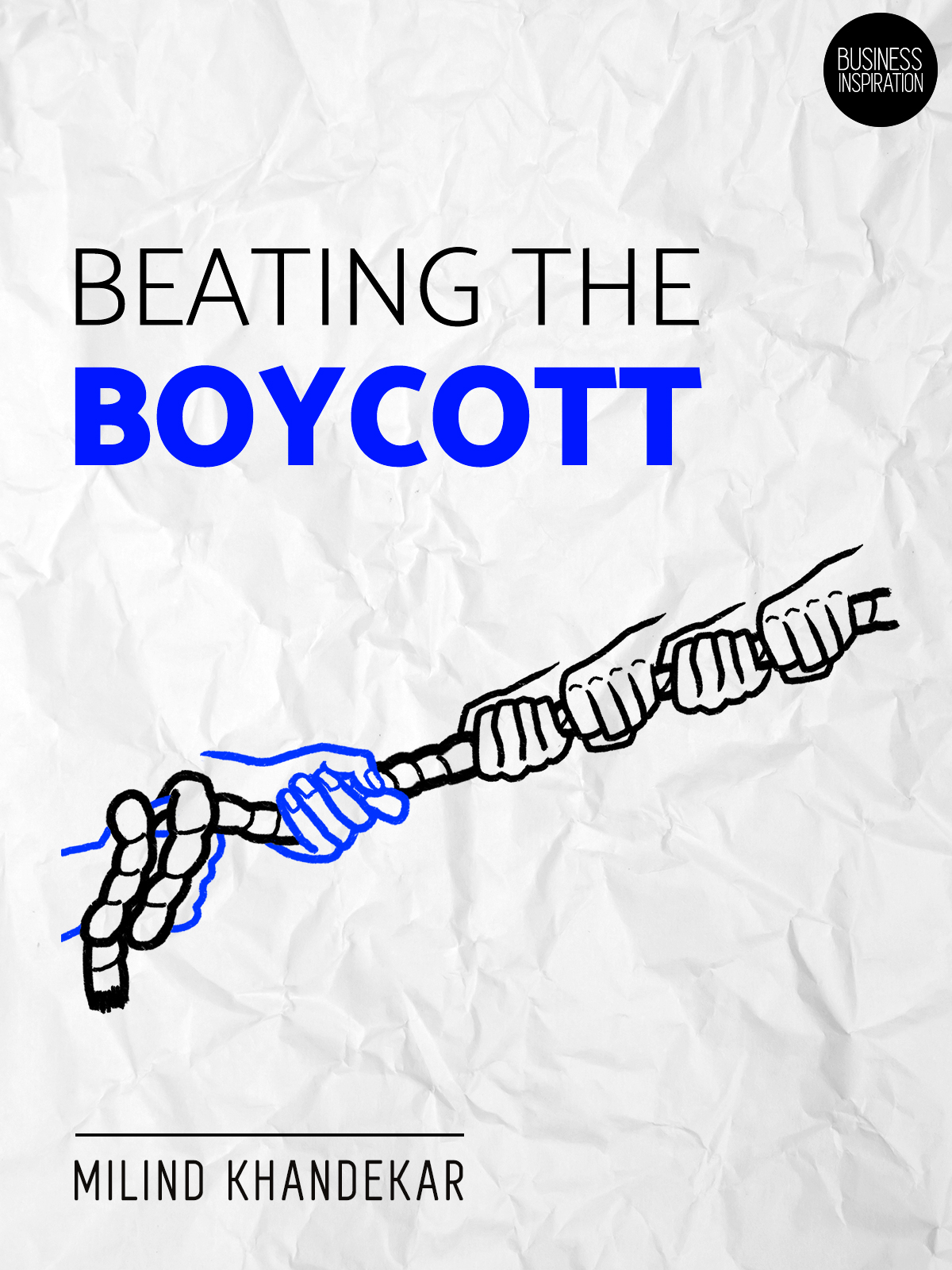
After two years of hard work, Ratilal Makwana was thrilled when the government offered him the job of running an Indian Petrochemicals Corporation Limited agency. However, his pleasure was short-lived, for on the day of the inauguration, everyone in the huge plastics industry boycotted him for his caste.
His business acumen and drive helped his business grow in leaps and bounds, yet when the markets opened, his was the only agency in the country to be shut down—he believes caste discrimination was at the root of it. Despite having the odds stacked against him, Ratilal went on to build a booming business, introducing stronger, cheaper, more durable material that forever changed the market.
Find out how he refused to back down in the face of opposition in this compelling story.
Unlimited Imagination

Kalpana began her first job being paid Rs 2 at a fabric factory. Now, she runs a business empire worth Rs 1000 crore.
Kalpana always wanted to study but girls were considered ‘poison pills’ that had to be sent away from the house as soon as possible. Surviving an abusive marriage only to return to a home which had no future to offer, she tried to kill herself. That became a turning point in her life, and brought with it a grit and resilience that could take on anything.
Working in a factory by day and stitching clothes by night, she made more money, but it was not enough to save her sister from an unnecessary death. Propelled by the urge to never suffer the indignities of poverty again, Kalpana fought against the underworld, upper-caste men who refused to sell land to Dalits, and all the consequences of being a woman in a man’s world to build a business empire nobody can touch.
Find out how she did it in this story of ruthless determination.