



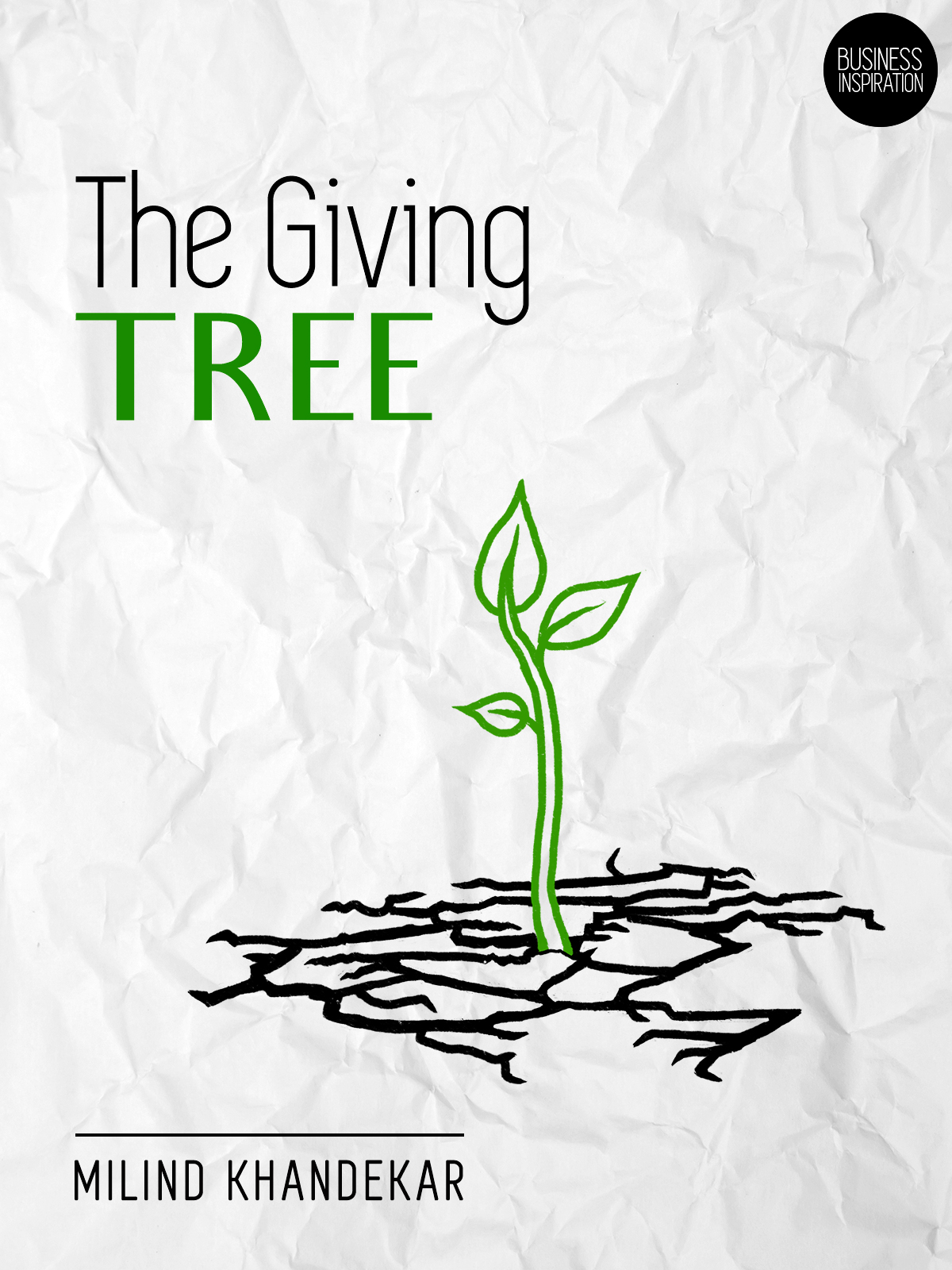
‘Till the palaash tree has leaves, don’t think of yourself as poor.’
This was the motto of Ashok Khade’s father. It was a tough one to remember when a single mistake Ashok made—a stumble that spilled a pack of flour—meant that his family would go hungry. The crippling famine of 1975 forced Ashok to give up his college education to keep his family afloat. From his dreams of becoming a doctor he was forced to face reality as a welding apprentice on a ship dockyard. But that did not stop him.
Through hard work, strategic thinking and enormous courage, Ashok built his own company from scratch, DAS Offshore. He called himself K. Ashok so that his caste would not define his success, and fought to make his company one of the most respected and upstanding in its field—and in the process became a Dalit Millionaire.
Read on to find out how he did it.
Catagory: Non Fiction
non fiction main category
Susanthika
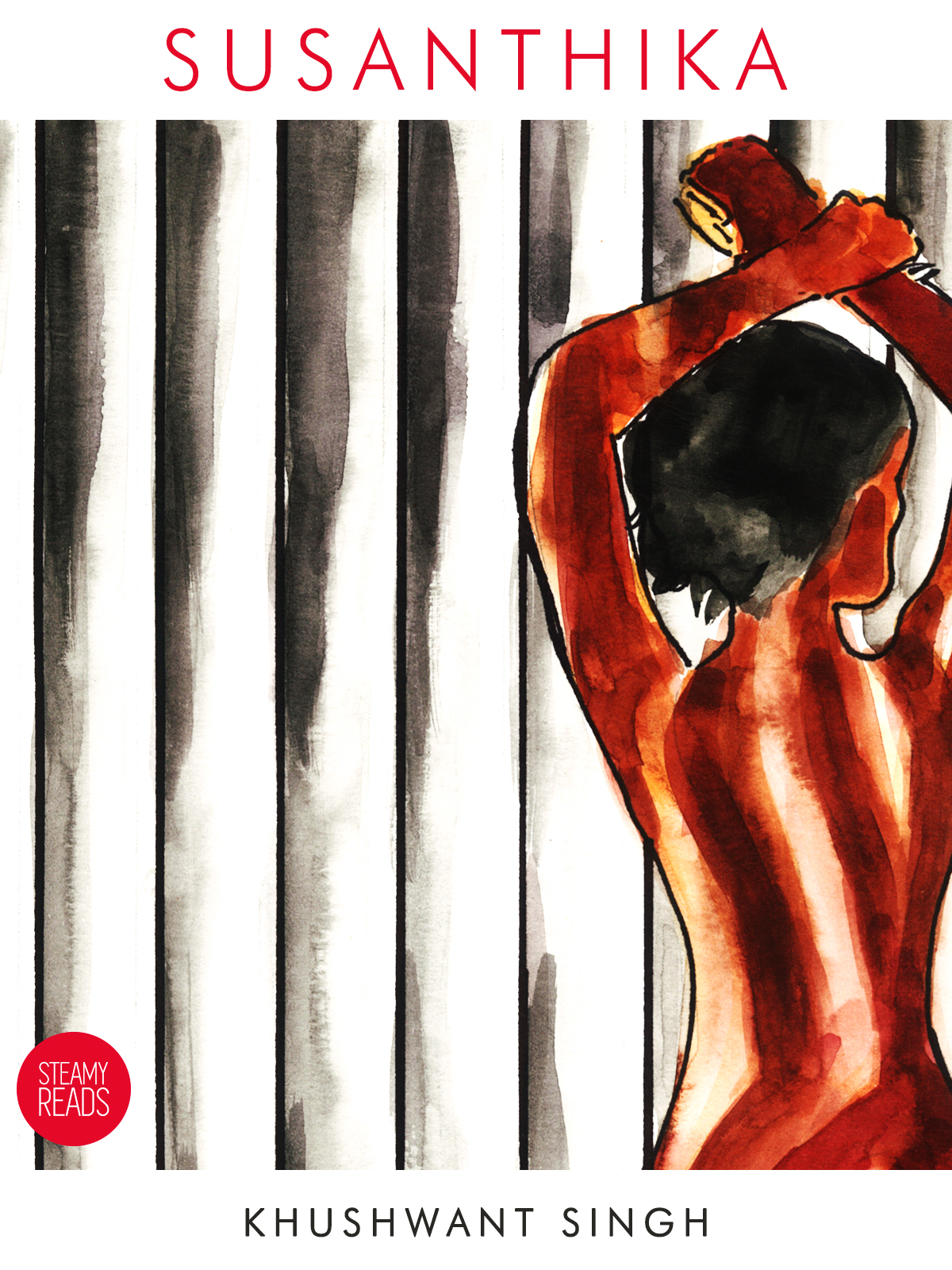
‘I turned around to see how Sue was getting along. She had put on her petticoat and had a towel round her shoulders, covering her breasts. Clearly she had got bolder and taken her bra off before the dip. With a second towel she was rubbing herself between her legs.’
When Mohan, the born-again bachelor, takes his yearly trip to Haridwar, he gallantly offers Susanthika the opportunity to join him. With the best intentions, they leave together, only to find that in the spiritual confines of the River Ganga, they crave a more earthy connection. Will Mohan bring back the joy to the sexy Sri Lankan woman’s bed? Can she pleasure a man of such vast tastes? Can they keep away from each other when they return to their judgmental home city—or will their passion stay secret?
Khushwant Singh brings to life the illicit delights of forbidden passion in this short, sexy story.
Molly Gomes

‘She nibbled the lobes of my ears, pressed her thumbs into the back of my shoulders, ran her
fingers over my belly, middle, thighs and shins, down to my feet. She rubbed my toes and my insteps. Not a part of my body did she leave untouched.’
When recently divorced Mohan puts out an ad in the papers for a companion, he’s looking for someone playful, joyous, without the strings of relationships, and someone who knows how to have a good time. Molly Gomes, Goan masseuse, fits the bill perfectly. Bursting with laughter and with skillful hands, Molly brings light and life back into Mohan’s home and bed. What secret tips and tricks can a professional masseuse show Mohan, who’s seen the world? Can Mohan blow the mind of a woman who knows exactly how to blow his? And how far can two bodies be pushed in the pursuit of pleasure?
Khushwant Singh glories in the passions of the human heart in this short, sexy story.
Mary Joseph
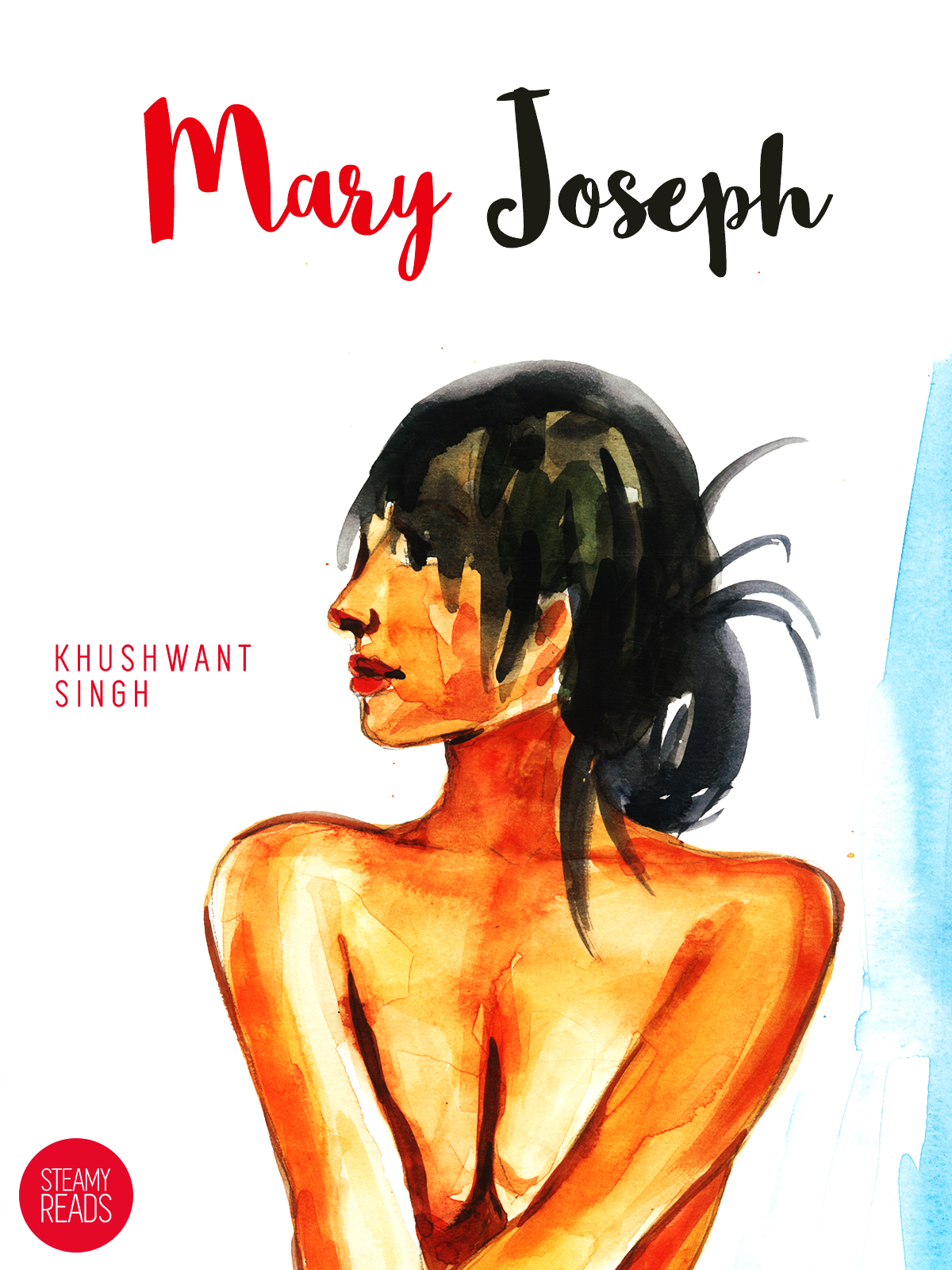
‘First she took off her gold necklace, kissed the cross and laid it reverently on the table. Then she took off her sari, folded it and put it on a chair. She took off her blouse; her breasts tumbled out.’
When Mohan’s wife returns from giving birth to their first child, she wants to have nothing to do with Mohan. Starved for sex for six months, Mohan’s morals become less important than his needs. And what he needs is to feel wanted, as a man; a willing woman to find pleasure with. Mary Joseph is his baby’s Roman Catholic Tamilian wet nurse—a happy, full-bodied woman who has one motto—‘Only one life to live, Saar’. Will Mohan find what he’s looking for in Mary’s ample affections? And what will Mary do to keep her Saar happy, and keep him wanting more?
Khushwant Singh writes a deliciously torrid affair of two people who delight in the desires of the flesh in this sexy story.
The Honeymoon
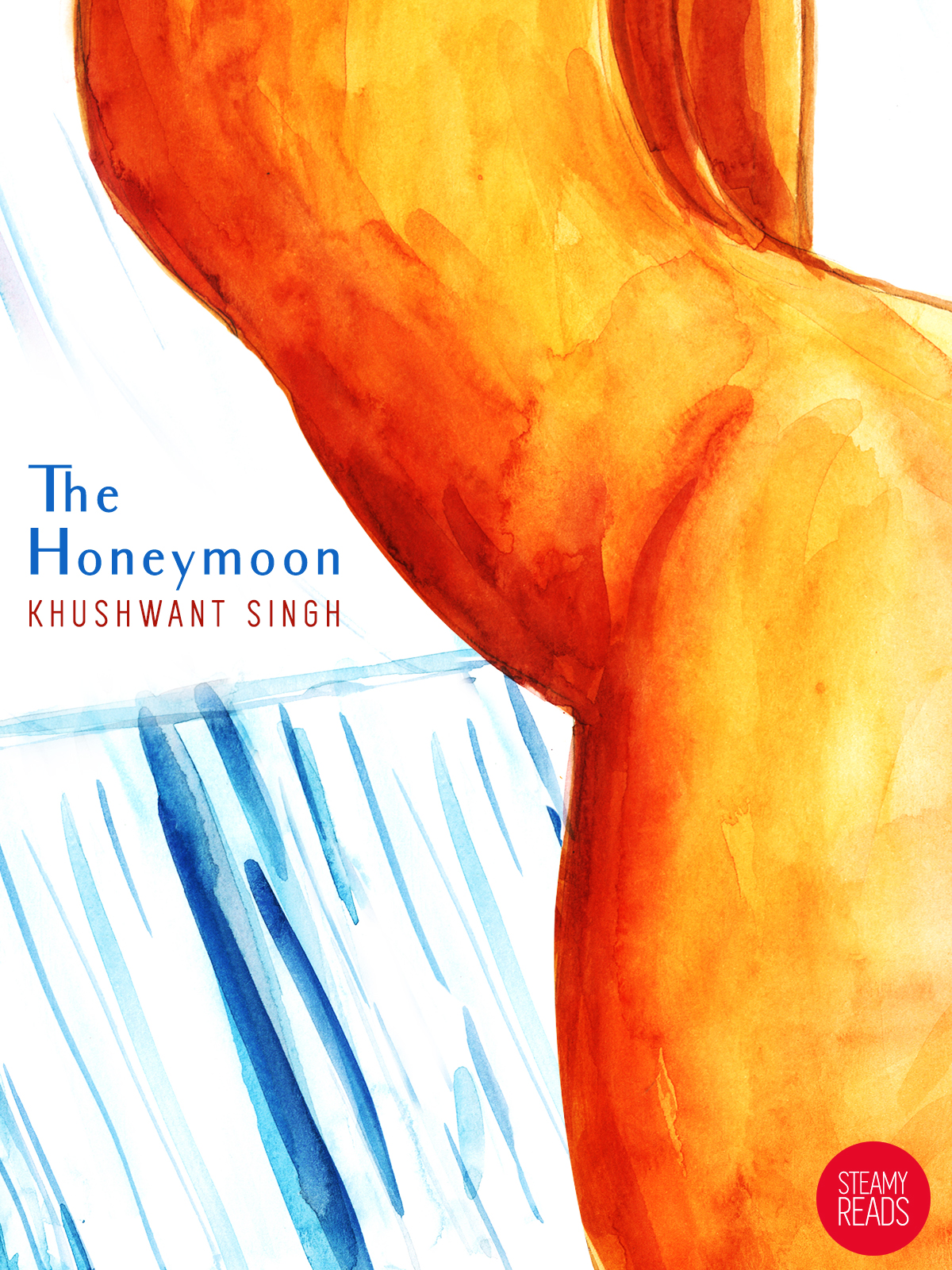
Sonu got up and stood by my pillow. ‘I’m scared. Can I share your bed?’ she pleaded. I made room for her. She clung to me like a frightened child. Every time there was lightning and thunder she dug deeper into my embrace. I soothed her nerves by holding her close to me. We began to kiss; this time she opened her mouth to let me explore its depths.
When Mohan comes back from America, his father knows that it is now time for him to marry. The girl is from a good family, and as is tradition, they get very little time to get to know each other—but on this honeymoon, they discover each other in a deeply intimate way. Mohan wants to make sure his wife knows that he won’t hurt her—but her young, innocent sensuality makes it very hard to keep himself in check. Will Mohan find his way into his young bride’s . . . heart?
Khushwant Singh writes a thrilling, brazen story of first times in this traditionally sexy story.
Yasmeen
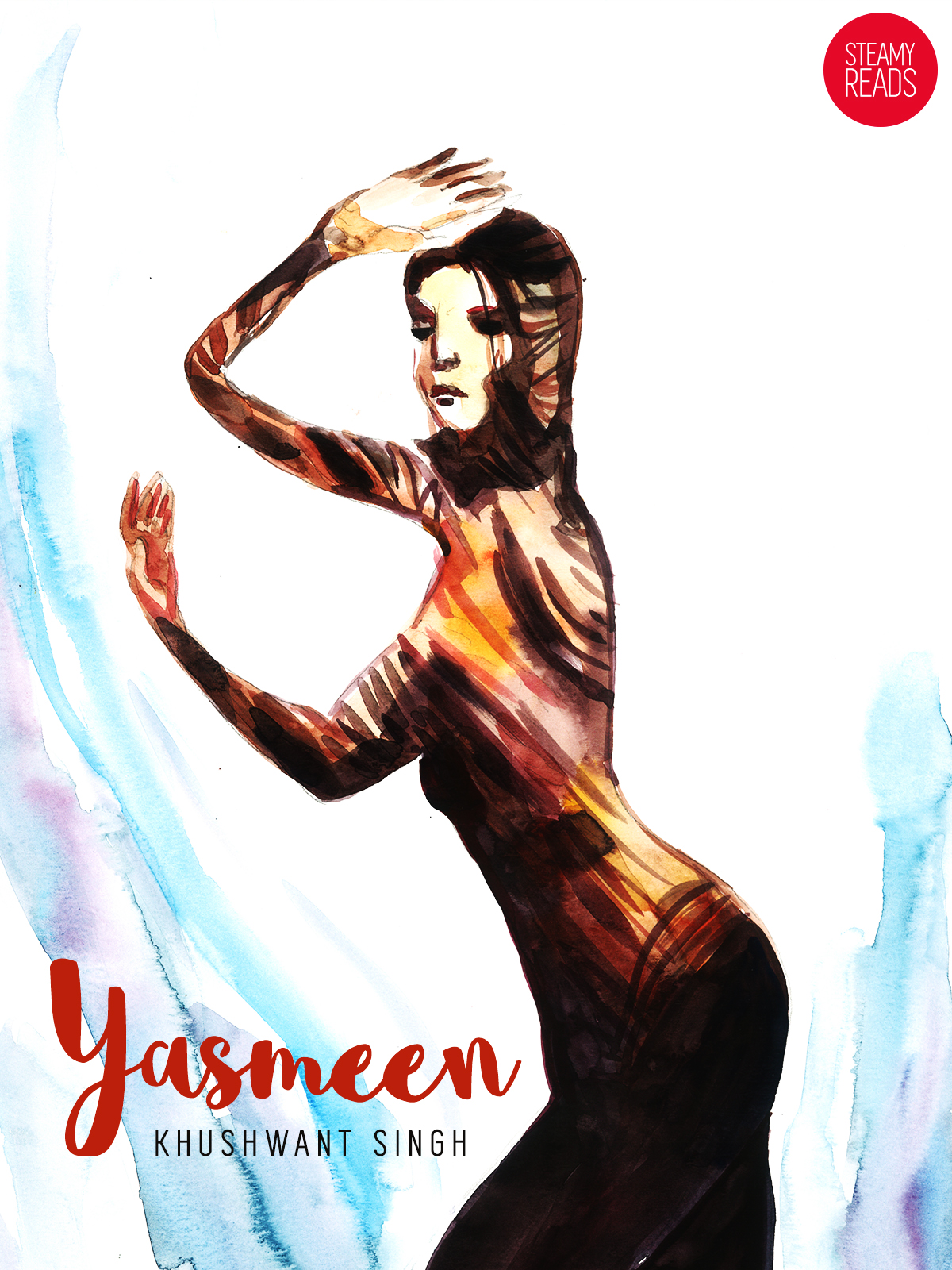
Suddenly, she put her arms round my neck and said, ‘It is our last evening together. Make love to me. Something to remember you by for the rest of my days.’
She did not give me a chance to protest. She took me by my hand and led me to the bedroom. She took off everything save her jewellery.’
When Mohan goes to Princeton, the last person he expects to meet is a loud, opinionated Kashmiri woman—Yasmeen Wanchoo. She was, as the Punjabis say, goree chittee gole matole—fair and roly-poly. But her fierce demeanor hides a tender, sensuous heart. Effortlessly, he is brought into her life and heart. Feeding Mohan on rich Kashmiri food with her own fingers, will Yasmeen be able to satisfy the hunger in Mohan’s soul? Can India–Pakistan find a way to make love, not war?
Two countries torn asunder find common ground across the sheets in Khushwant Singh’s exquisite, sexy story.
Jessica Browne
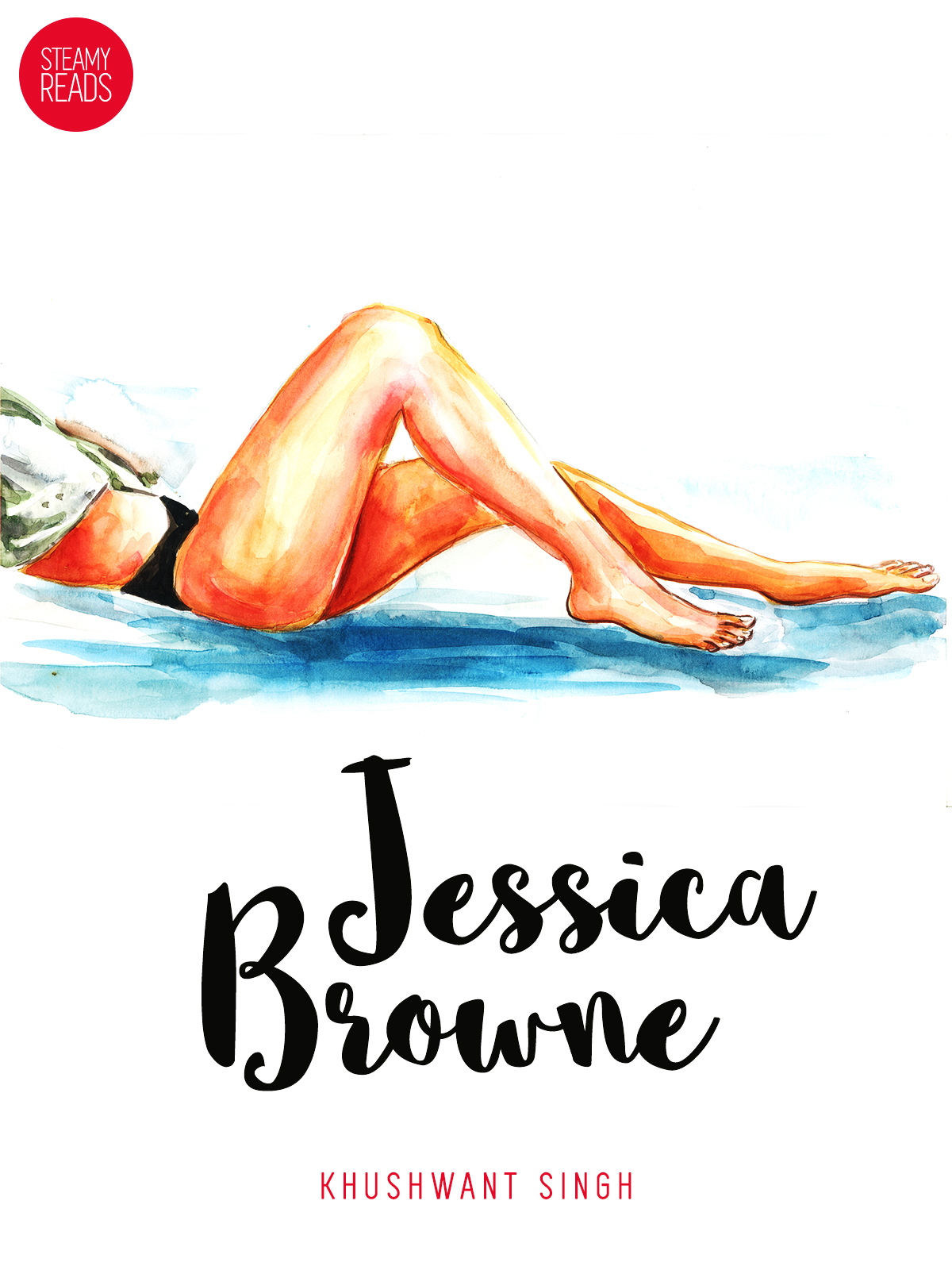
‘When saying good night, we started with a peck on the cheeks, progressed to kissing on the lips, and then full-blooded mouth kissing—she would roll her tongue in my mouth. She sensed that I lacked the confidence to go further and decided to take the initiative.
She asked me to have a drink with her in her room.’
Mohan leaves India for the first time to go to Princeton to study. It’s a new world, where everything is different—but some things stay the same no matter where you are. For the first time, Mohan meets women who are unafraid of sex and want him as much as he wants them. And Jessica Browne introduces him to what he only dreamt of knowing before—the wonders of a woman’s body.
Khushwant Singh’s magnificent prose meets the universal pleasure for the first time in this short, compelling story.
Sarojini
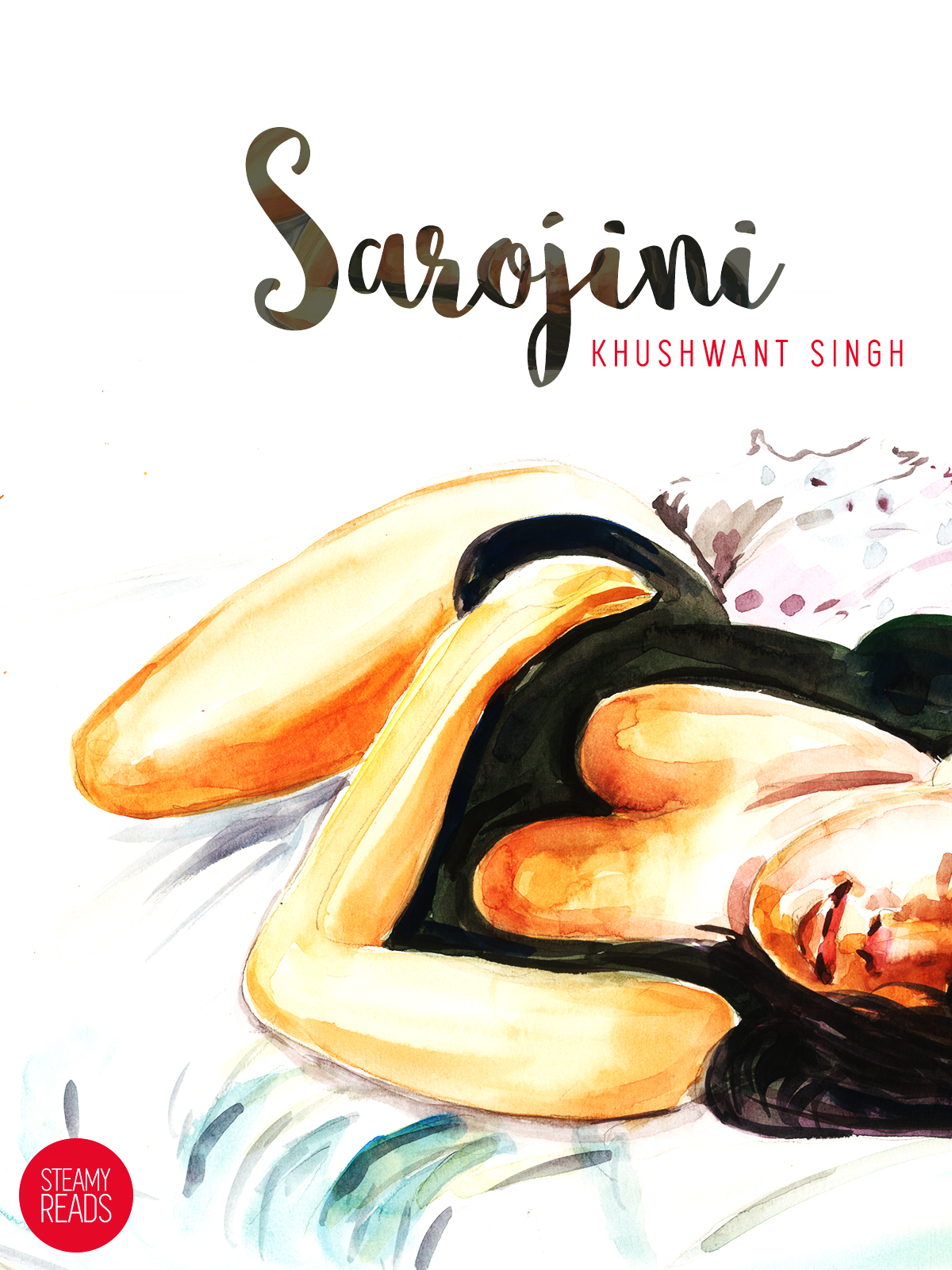
He slipped his hand under her dressing gown and gently rubbed her shoulders and the back of her neck. Then her spine and her little buttocks. The tension went out of her body and she faced him. ‘Switch off the table lamp,’ she said.
Mohan is a rich, cultured man from an old south Delhi family. When his wife leaves him, he must find a way to satisfy his manly desires. He writes a matrimonial ad—but scandalously, just for sex. Sarojini responds—a professor of literature, demure and pure, but equally desperate to slake her lust. Can Mohan convince her to leave her modesty behind, and let herself succumb to her desire for him? And will the lady professor give Mohan the satisfaction he craves?
All he wanted was someone for his bed, but Sarojini’s classy, sexy wit gives him more than he knew he wanted—a woman who understood him.
Khushwant Singh’s effortless prose finds release in this potent, sexy story.
Dhanno
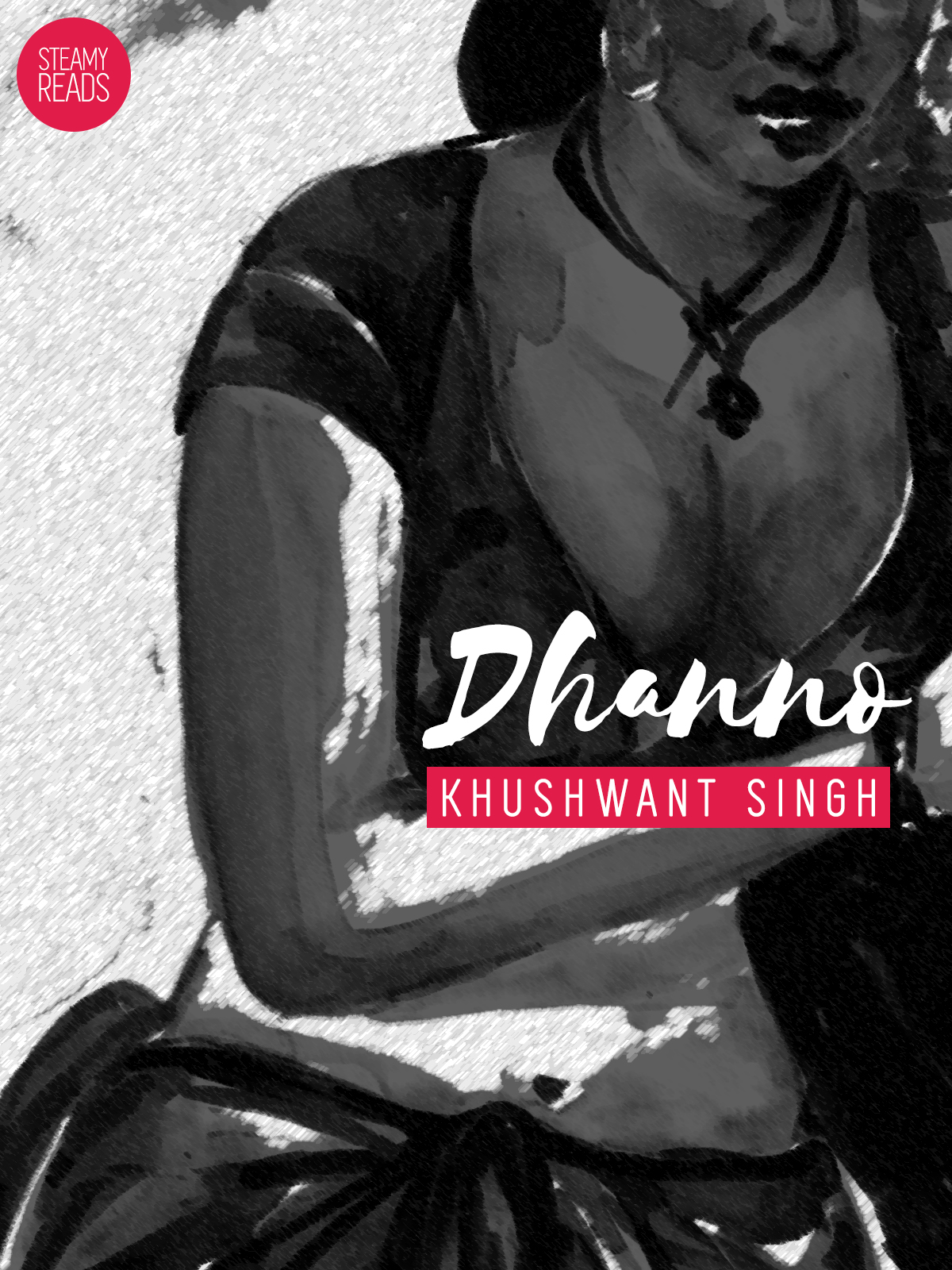
Dhanno was stark naked. ‘Not like this, sahib,’ she murmured. ‘You must be like me.’ She unbuckled his belt and pulled his trousers down. She gasped. ‘Sahib, I have never seen anything so big!’
Mohan is a high-class man from a rich south Delhi family, who has it all. But after Mohan’s wife leaves him, he must find a way to satisfy his urges elsewhere. He can’t stop noticing his jamadarni—the sweeper’s wife. Every time she gets down on the floor to wipe it, he can’t take his eyes of her ample skin, her sari hitched up to her knees for ease of vigorous cleaning. And when she looks at him from the corner of her eye and adds a little wiggle to her bottom, he knows she wants him as badly.
He can never take her out in public. But can he take her, for his own, when nobody is watching? And how badly does she want her sahib’s . . . love?
Khushwant Singh’s classic writing meets unbearably sexy tension in this erotic story.
Stars and Planets
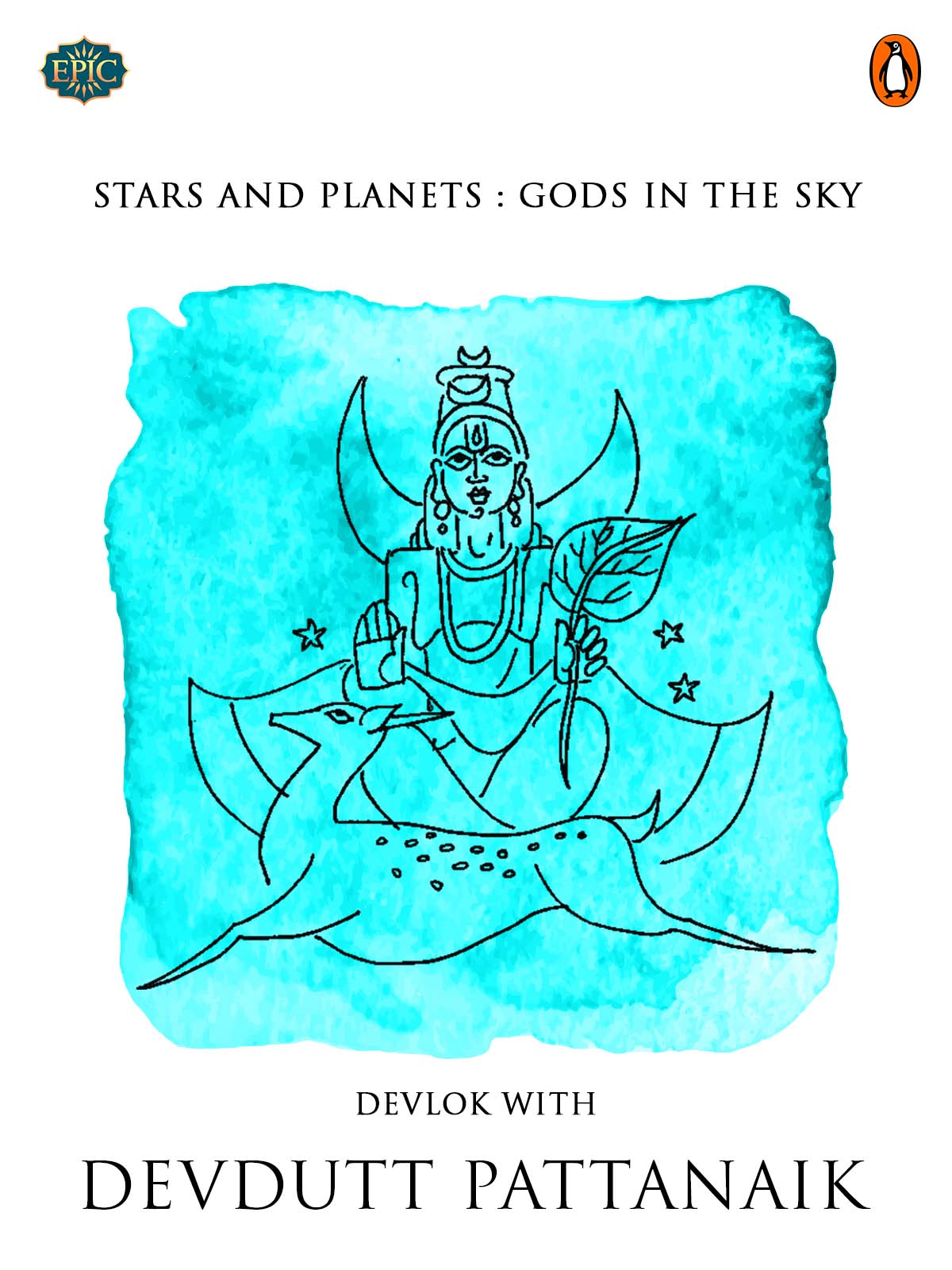
Why do the Vedas give so much importance to stars and planets? What is a rashi, and what is a nakshatra? Are all nakshatras wives of the moon Chandra, and why does Chandra wax and wane? Do you know the love story of the sun and the the flower raat ki rani? What is Shanivar, Saturday, there to teach you?
Devdutt brings the sky to life with his thrilling stories of our celestial folklore. From the place of homosexuality in the puranas to the enchanting wedding ritual of searching for the star Arundhati, the night sky comes alive with romance and wonder in this short, sweet read from Devlok.