



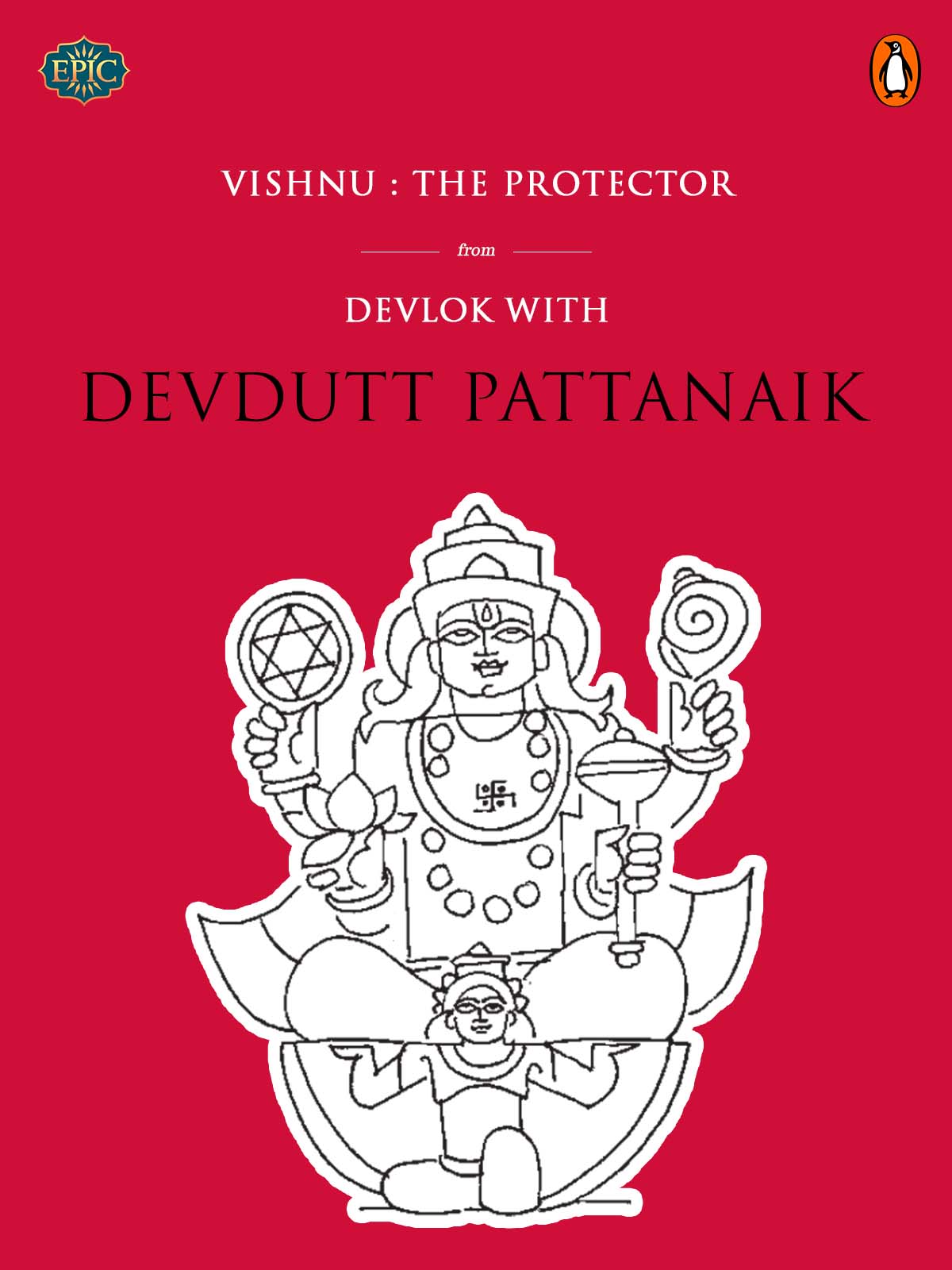
How many avatars does Vishnu actually have? Is Buddha an avatar of Vishnu? What do Bodhisattva and Vishnu have in common? What do all of his avatars symbolize? Is there a connection between Vishnu’s avatars and Darwin’s theory of evolution?
It is believed that Vishnu always comes to earth when Devi is suffering—Parashurama for Renuka, Ram for Sita. Another belief is that every time Vishnu takes an avatar, Devi too is born. A Vishnu avatar went on a rampage destroying all Kshatriyas, but also strives to protect the weeping earth goddess who appeared before him as a cow.
Which of these many personas does Vishnu represent? Find out more about the rich symbolism of his multitude of personas in this short, sweet read from Devlok.
Catagory: Non Fiction
non fiction main category
Who Created The Universe?
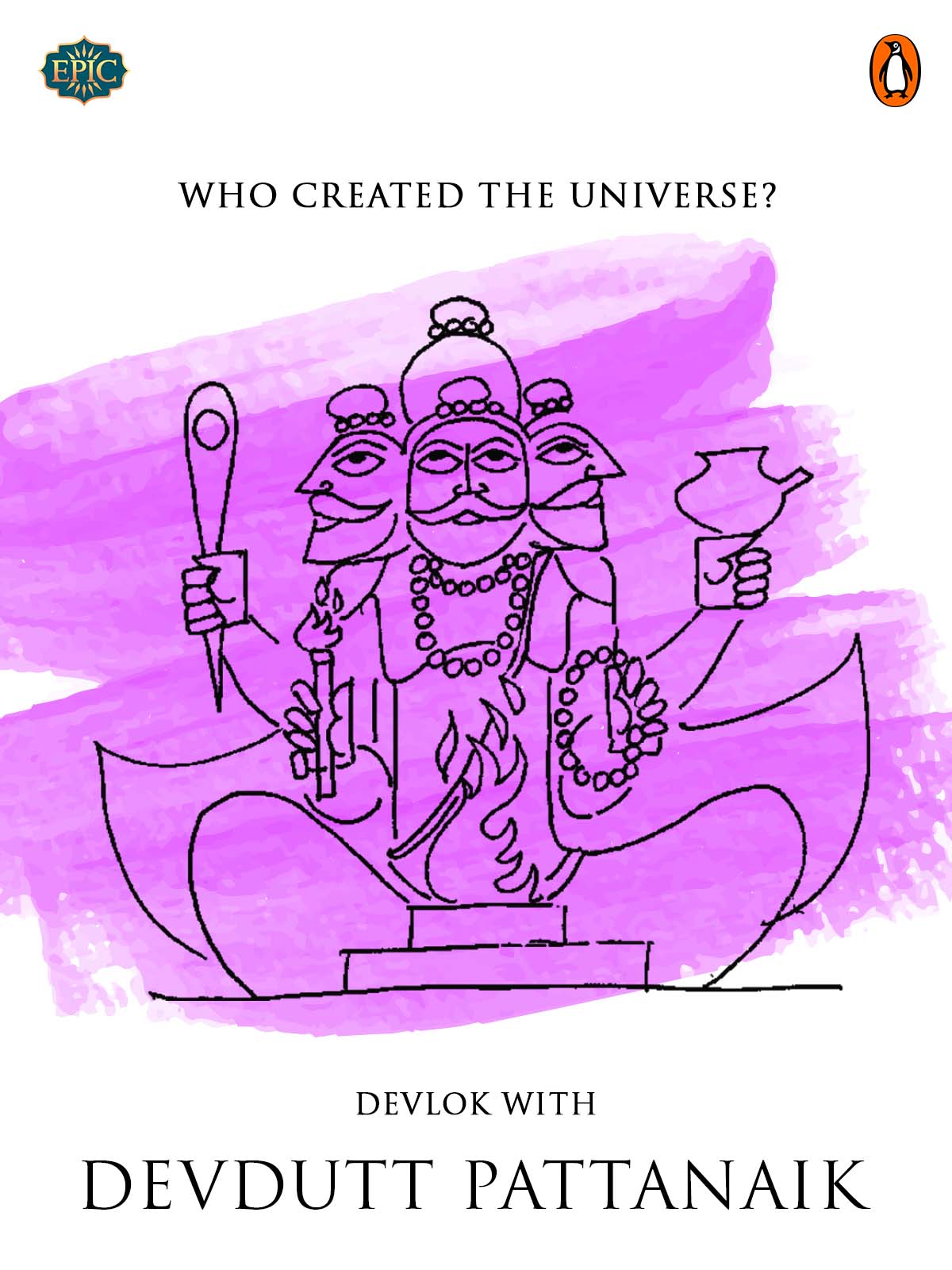
Did Brahma create the universe? Was it born out of the sacrifice of Prajapati? Did his wife Shatarupa create animals while being pursued by him? Or was it all a product of Manu?
A Vedic poet says that for anything to be created in the universe, it must be preceded by desire. If desire is the seed, the cosmos is its fruit. A Shaiva story says that in the beginning there was a golden woman in the shape of a lotus, and when it bloomed, Brahma was in it, and he then divided into Shiva and Shakti. The Vaishnava tradition says that in the beginning, everything was asleep – and then Vishnu awoke, and the first creation was born of the fear of loneliness. The Shakta tradition says that before the earth was born, Shiva was doing tapasya and there was pralaya – everything was frozen and barren. Then Parvati emerged from the mountain and seduced and married him. The heat or energy within him was then released and the snow started to melt and the earth became fertile.
Which is it? Discover all these origin myths and more in this short, sweet read from Devlok.
A Match Made In Heaven
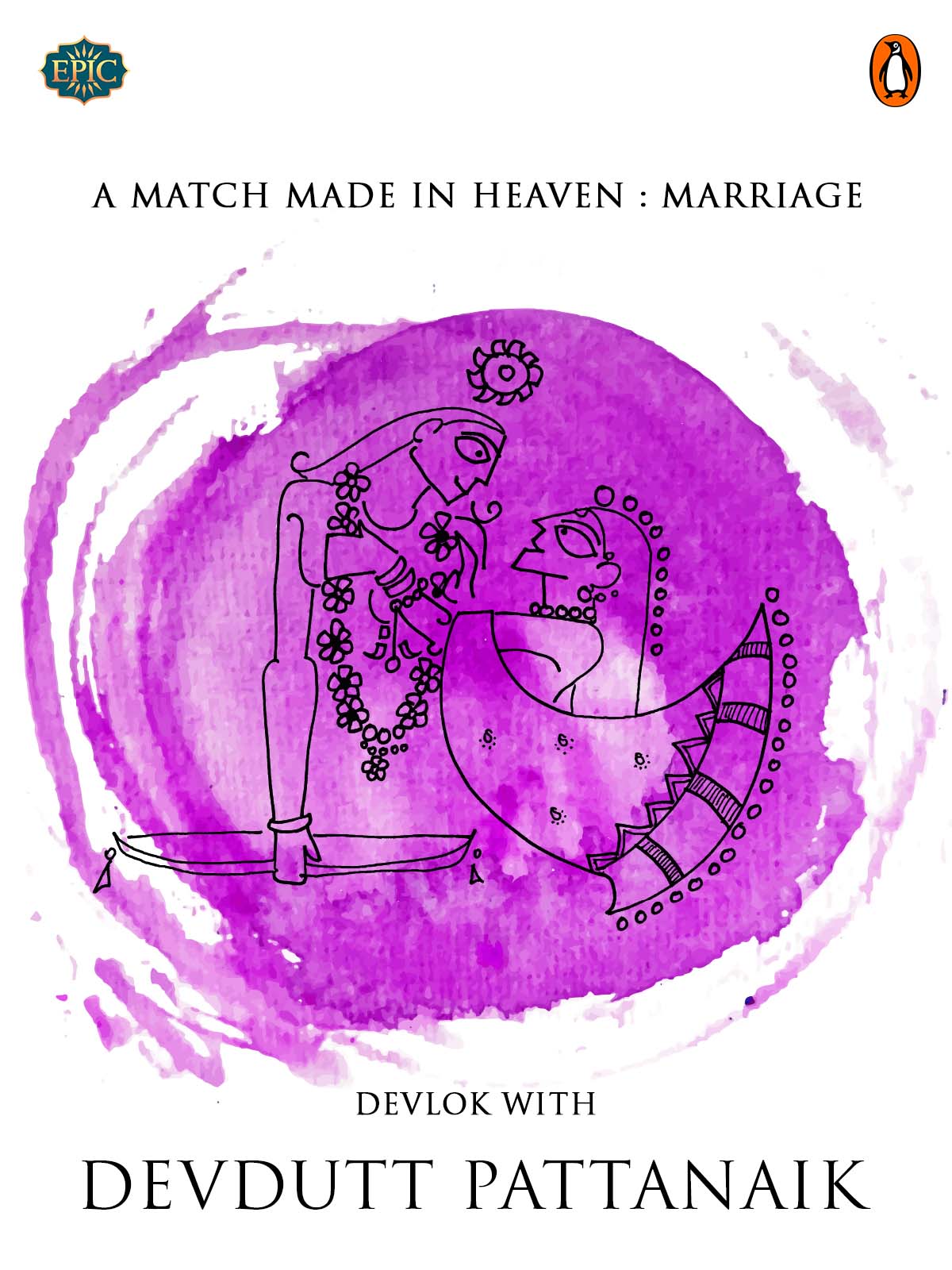
Can a human being marry a god? There are a few gods who are brahmachari, bachelors—why is that? Devis are called kumaris—are they brahmachari? Why are most of our gods married? How many wives does Vishnu really have? And our gods are polygamous but our society is not . . . why?
Vivaah is meant to be a metaphysical union of the body and the soul, but our gods also love and marry as we do. With compelling love stories and thoughtful interpretations of the societal movements from polygamy to monogamy, we find here a rare insight into the personal lives of the gods themselves and the concept of marriage through the ages. Join Devdutt on a lovely romp through the deeper meaning of sanskaari romance in India through the ages with this short, sweet read from Devlok.
Devlok
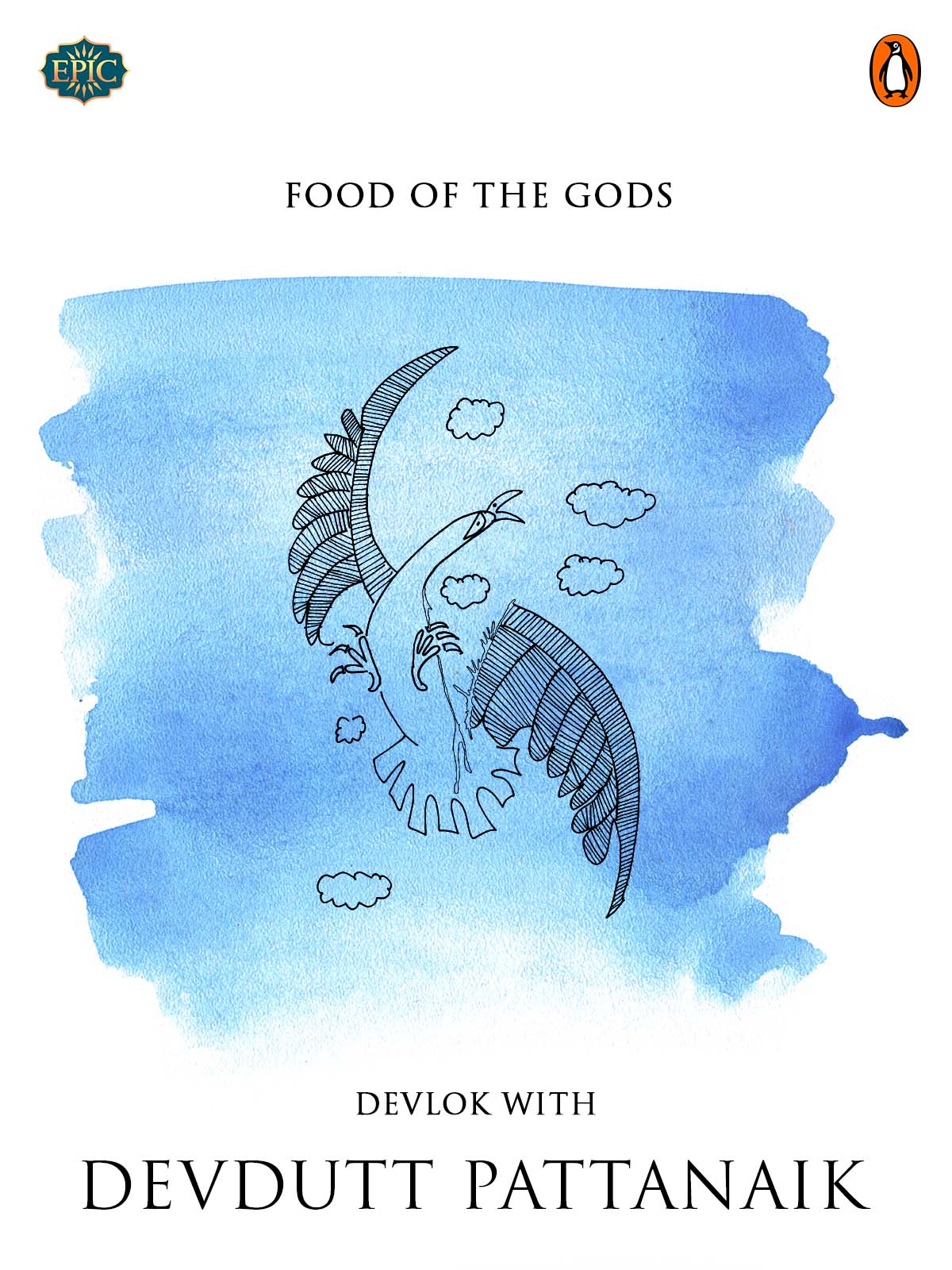
Why do we offer Vishnu butter, but Shiva milk? Why is Krishna offered the chappanbhog—fifty-six items of food—during Annakuta? Do the goddesses not like bhog? Where does the custom of hanging a lemon and seven chillies come from? Is there a legendary male cook among the gods?
Anna is called Brahmin, the way bhasha is called Brahmin. Food and the action of eating maintain life. And yet, traditionally the devis remind you that whenever you eat, you’ve killed something, sacrificed someone, even plants which come from farms, decimating forests and rivers. The devi reminds one that to build your civilization—sanskriti—you destroy your nature—prakriti.
Feast your mind on intricate details behind how we offer food to the gods, and why certain foods are part of the Indian tradition, in this short, sweet read from Devlok.
Everything You Need To Know About The Gita
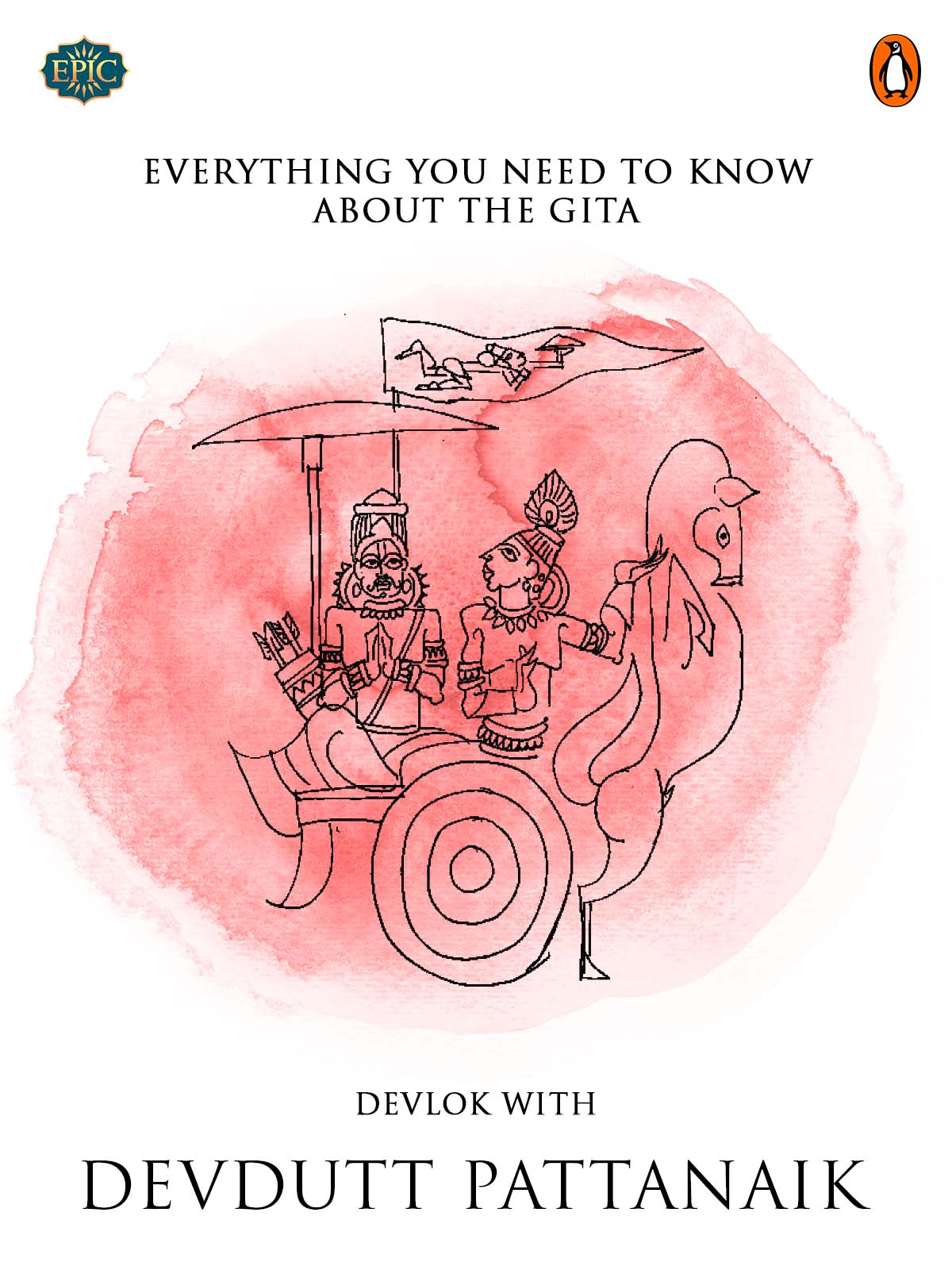
How did the Gita become the most important granth of the Hindu tradition? How old is it in our culture? What role did the British play in making it famous and why? What is the essence of the Gita?
Devdutt encapsulates the meaning of one of Hinduism’s greatest texts in an accessible, understandable and profoundly compassionate way. He brings to life the ageless comfort of Krishna’s sayings: whatever is meant to happen will happen. Don’t expect to be perfect. You cannot blame anyone else for what will happen to you. He showcases the wisdom of the ages with beautiful simplicity and emotional grace. Find out more about this exquisite text in this short, sweet read from Devlok.
Why Is The Ganga Holy?
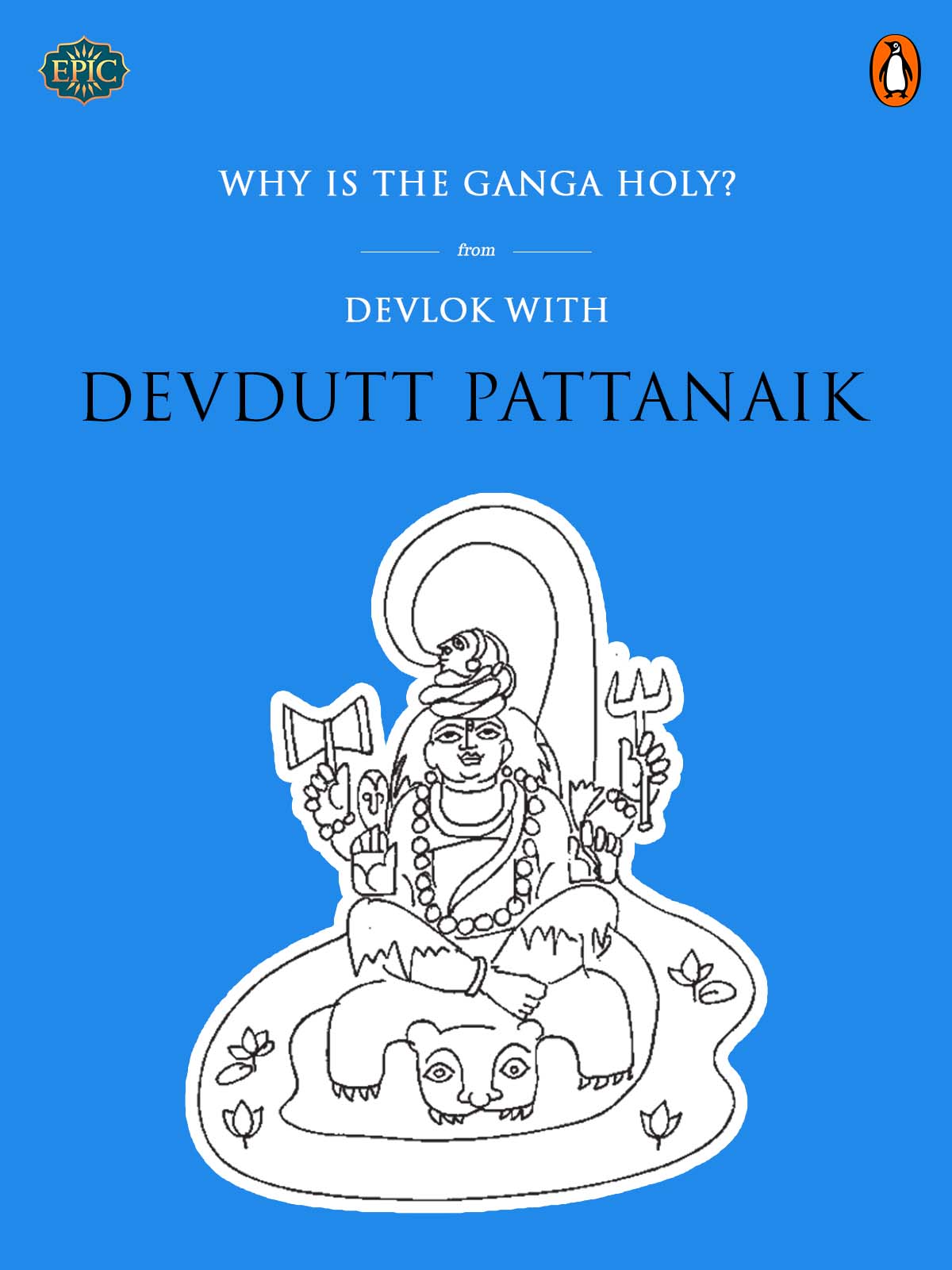
The Ganga is described as a very beautiful woman—voluptuous and fecund—carrying a water pot in her hand and travels on a Makara, a creature with the tail of a fish and the head of an elephant. Does the Ganga flow from Shiva’s hair? Does she rise from Vishnu’s feet? Is she the wife of Shiva or of Vishnu? As the daughter of water, can a river ever have a lord, and be controlled?
Devdutt dips into the world of the Goddess Ganga, bringing to life the reasons why we revere this river and depend on her for the cycle of rebirth and freedom. Dive into the nuanced humanity of this delightful goddess in this short, sweet read from Devlok.
Weapons of the Gods
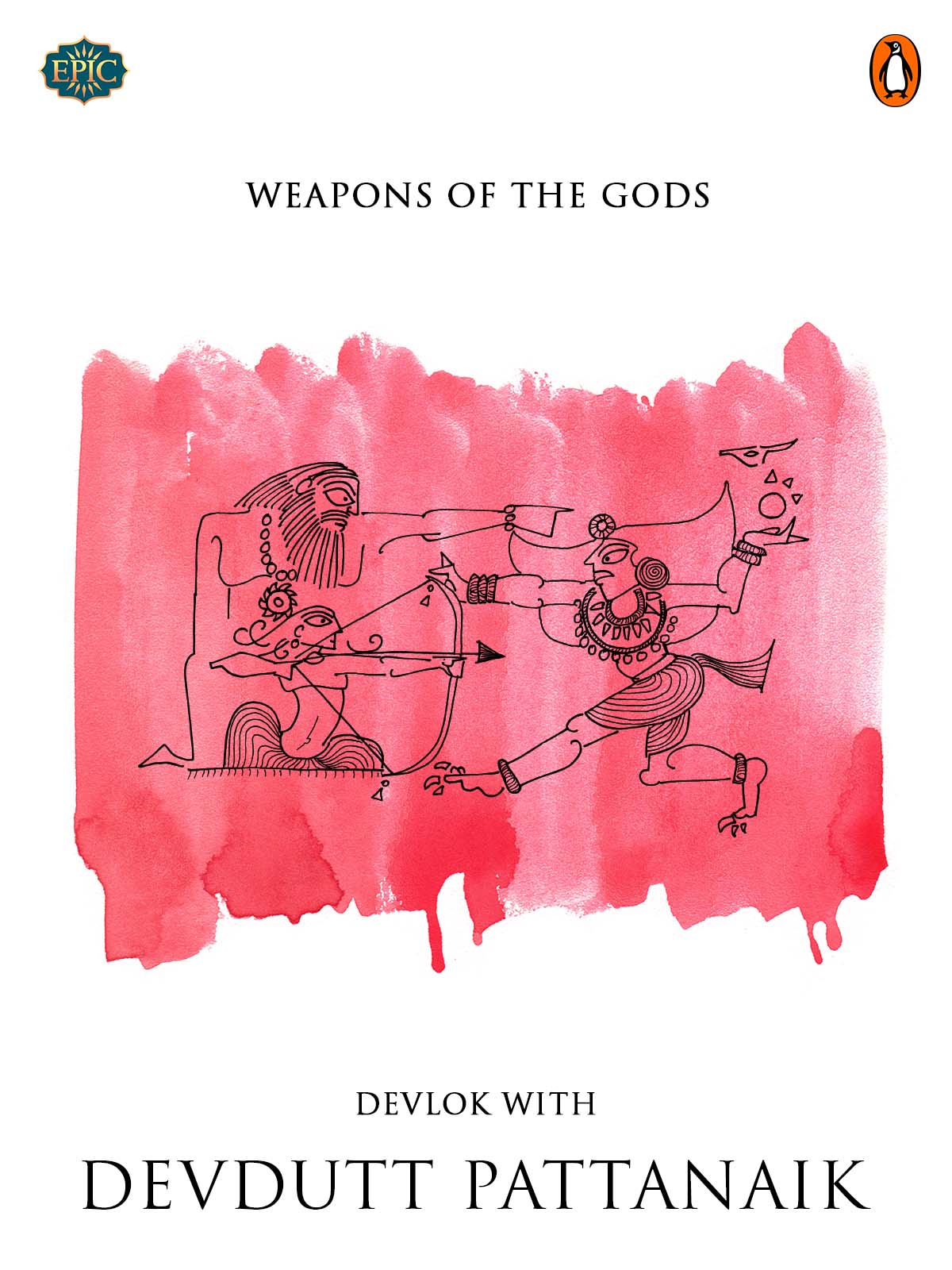
We are told to follow the path of ahimsa (non-violence), but our devis and devatas are always ready for war. What is the reason for this? How does Shiva hold space and time in the same hands in which he holds his bow Pinak? Who made all these weapons? And what do our scriptures say about using weapons for mass destruction?
Devdutt explores the dramatic, fantastic weapons of the gods. From Indra’s Vajra made of bones of a sage, to the bow of Kama, made of sugarcane, butterflies and bees with flowers for arrows, read all about the intricacies of ancient weaponry and their symbolic meaning in this short, sweet read from Devlok.
Ganesha
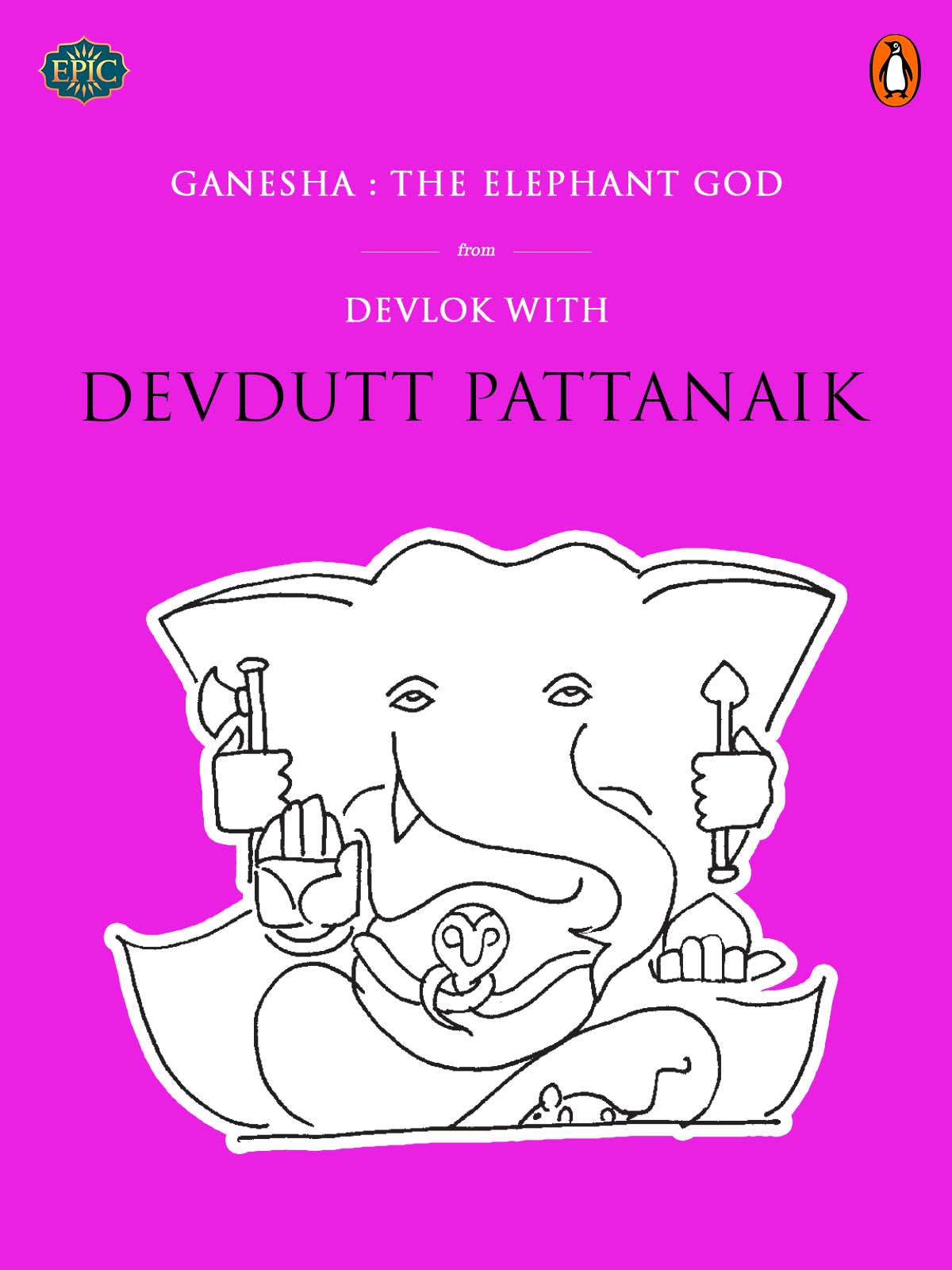
Why is Ganesha such a popular god despite being only 1500 years old? Did you know he is the god associated with the maxmimum number of symbols? Why is his vehicle a rat? Why does he carry an axe?
Because of Ganesha, the terrifying Kali becomes the maternal Gauri, and the sanyasi Shiav becomes a father and householder – Ganesha is the god of domestic life. His devotees can represent him as they wish – these days his potbelly has been replaced with six-pack abs! Ganpati’s own history, his changing roles, indicate how Indian society has changed over time – in Mumbai, Ganpati has taken on a form which didn’t exist 100 years ago! Find out more about this beloved god of good luck and auspiciousness this festive season in this short, sweet read from Devlok.
Yama
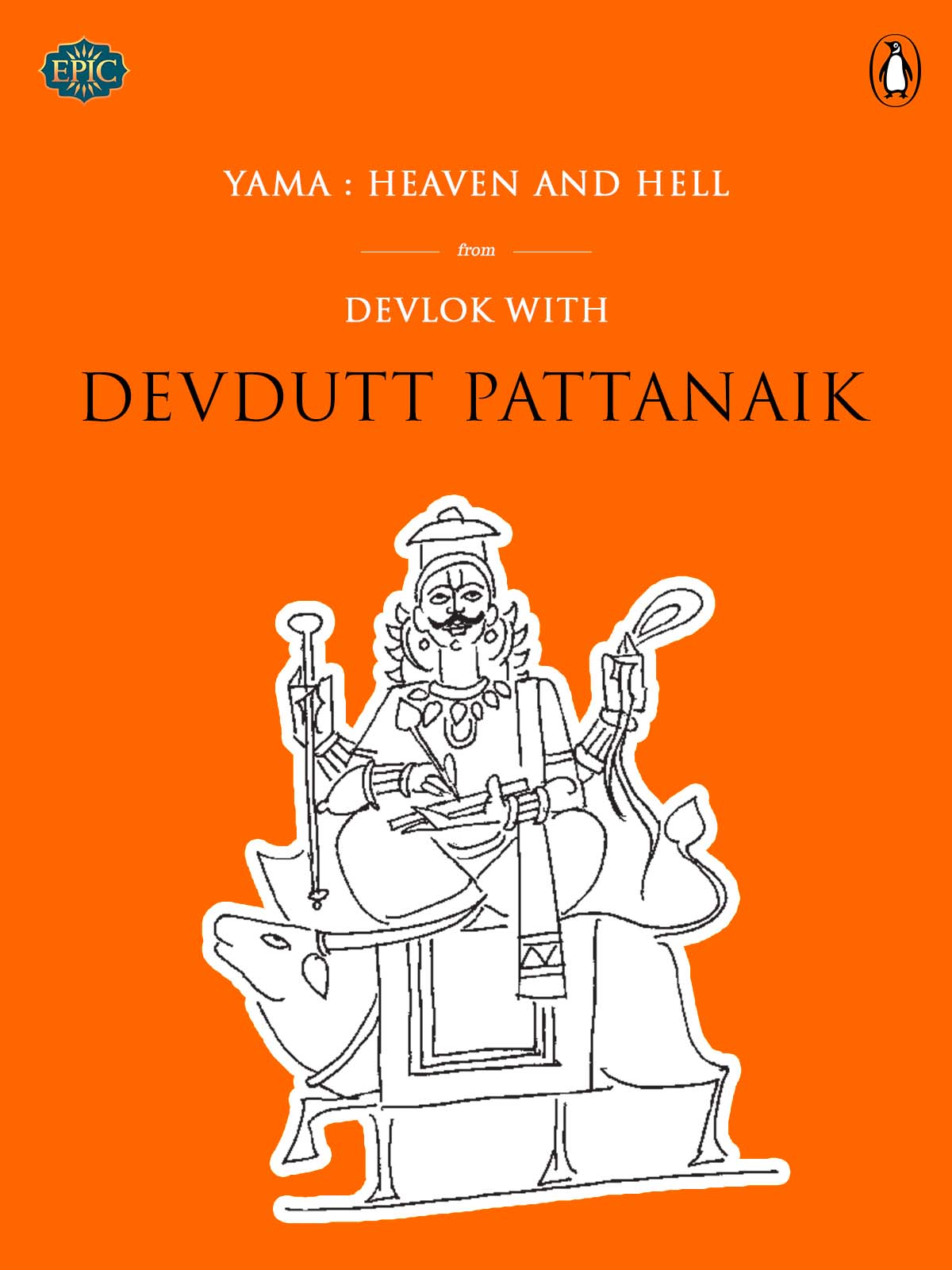
Do you know you have to go through 84 lakh births before you can be born into human form? Or that Yama is trapped in Naraka because he was the first human? Not everyone goes to the same Swarga or Naraka—do these places have VIP sections that can be reserved? And why did the Kauravas go to Swarga while the Pandavas were stuck in hell? The question of what happens after death is one that has plagued humanity since the beginning of time, and it reaches its symbolic peak in the complex cyclical Hindu tradition. Devdutt deftly unpacks our traditional narratives to uncover the deeper meanings behind well-worn stories. Find out what happens after death in this short, sweet read from Devlok.
A Boon and a Curse
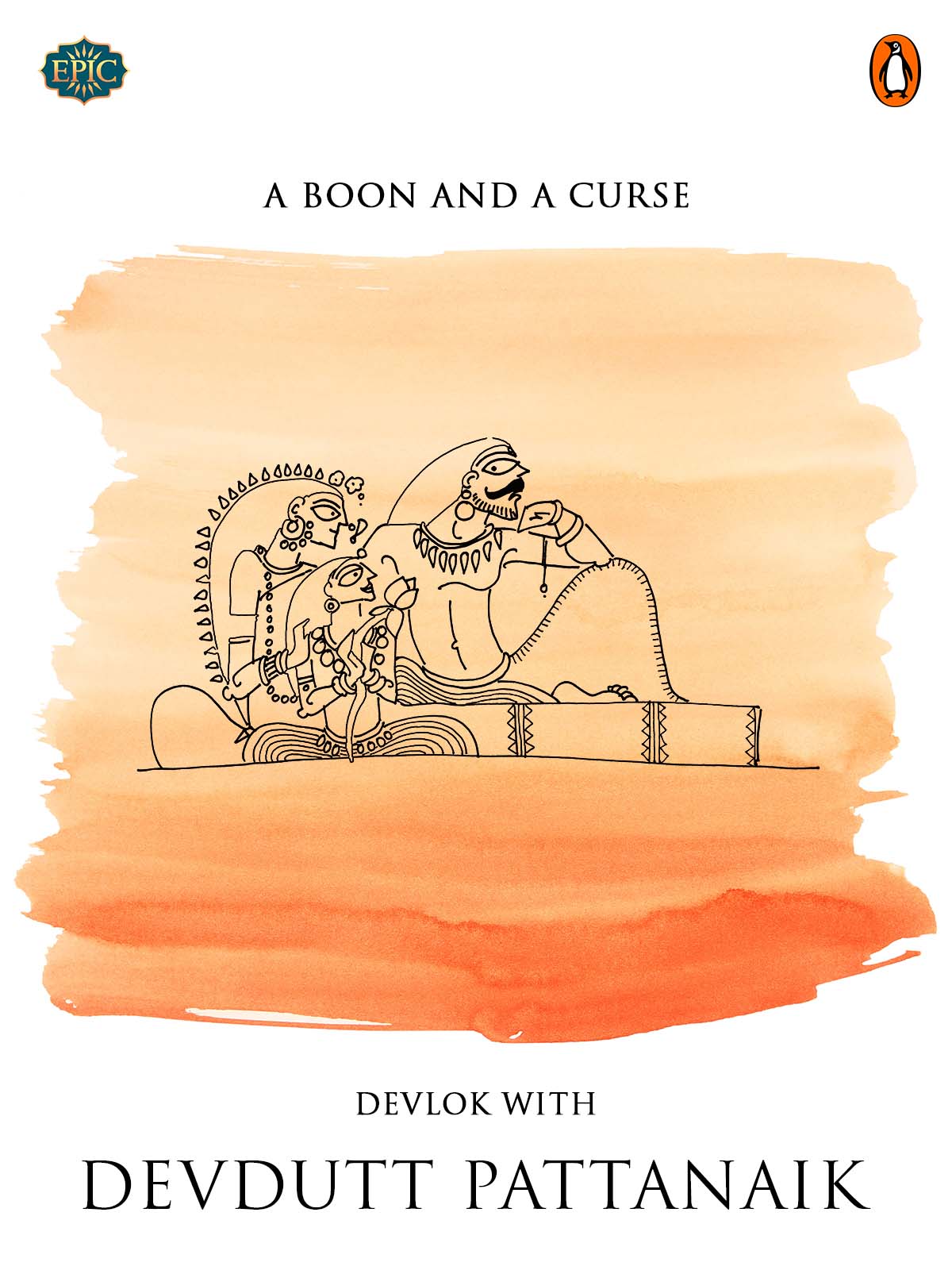
Every karma is a seed and every action has a reaction – and sometimes, a boon or a curse. Can an action ever be completely bad or good? Why do rishis curse so much?
Can the gods be cursed? Which is the most intelligent curse? Are there only two choices? Or can there be a point between good and bad, vardaan and shraap, punya and paap. Once a curse or boon has been offered, can it ever be taken back? Filled with stories of famous curses and amusing anecdotes, this explores the notion of being a good person, but also deciding the goodness or lack thereof in another. Find out about the many facets of karma and ethics in this short, sweet read from Devlok.