



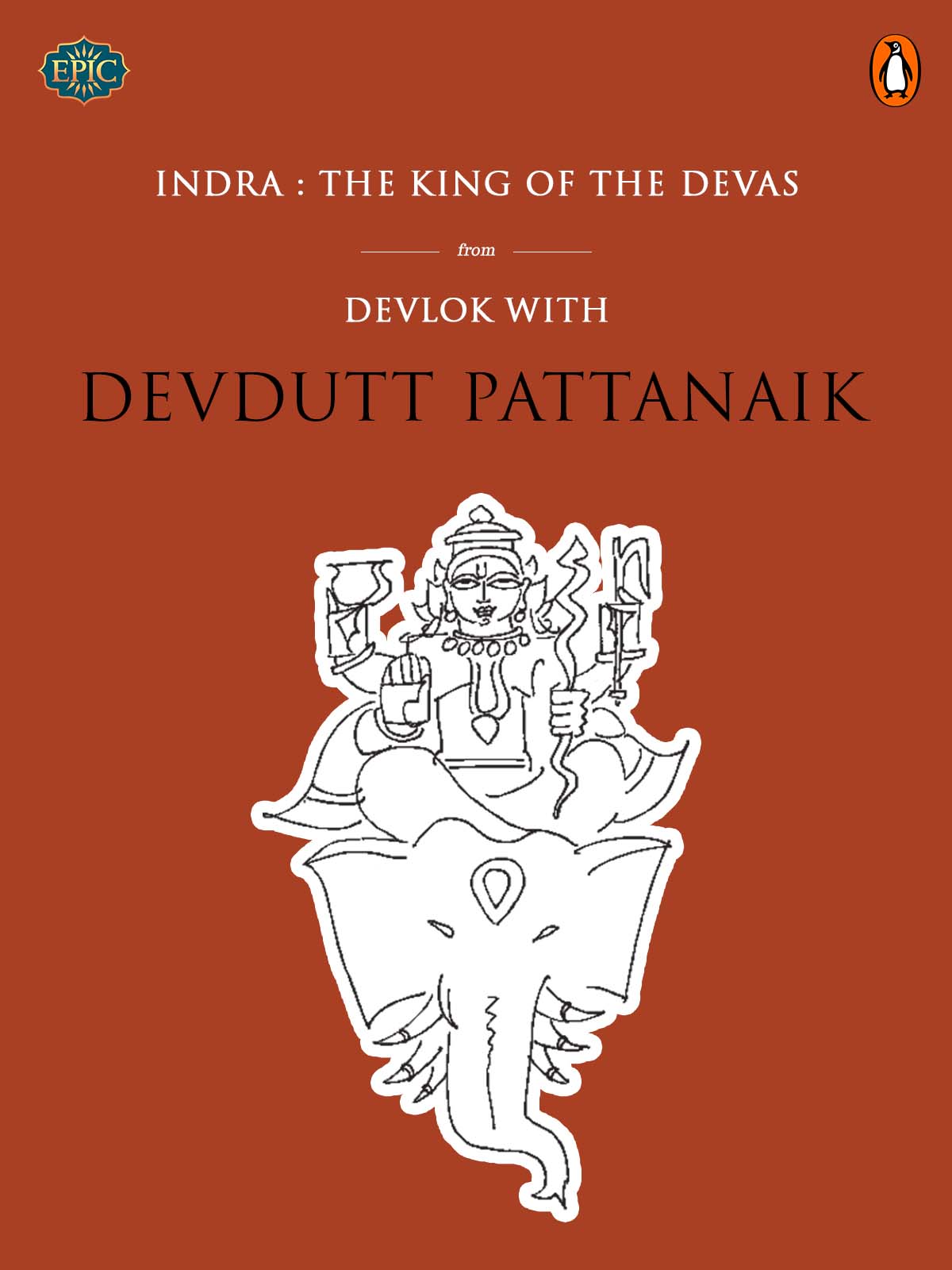
Indra is the king of the gods, and yet, he is not worshipped with the Trimurti. Why is this?
He is the god of luxury, who has a cow, a tree and a jewel which will fulfil all wishes, and he watches apsaras dance and gandharvas sing. But for all his pleasure and wealth–Indra does not have peace of mind. He is under constant attack from asuras, and in one story, he asks his most beautiful apsara to disturb the tapasya of the great Vishwamitra. Indra achieves success, becomes lazy, loses his kingdom, works hard to regain it, becomes lazy again–and the circle of life goes on. What is the meaning of this? Delve into the story of the god of the body, in this short, sweet read from Devlok.
Catagory: Non Fiction
non fiction main category
The Colour Divine
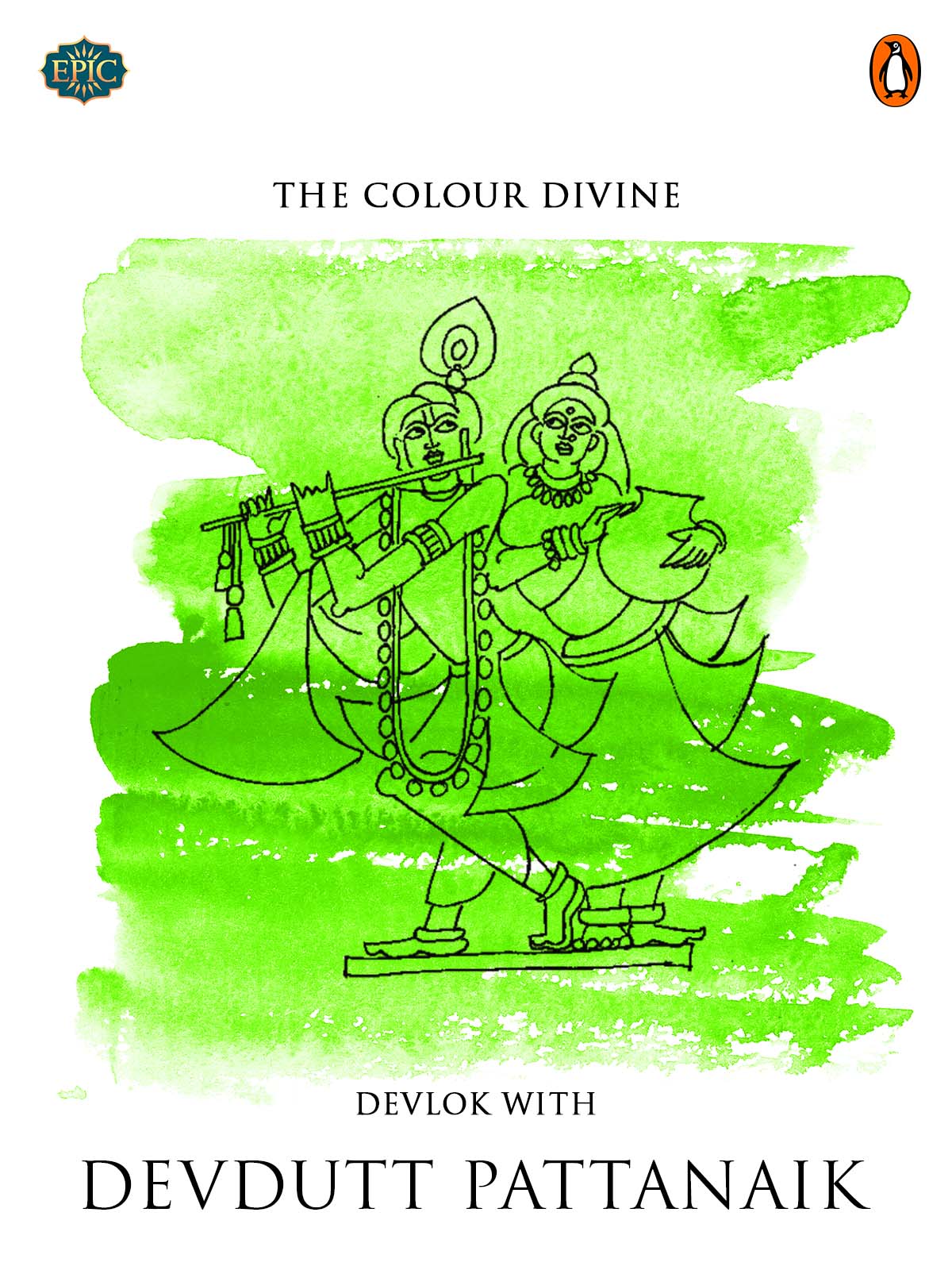
The Indian tradition of colour has two branches–the vairagya (the ascetic) which keeps things simple, and the grihastha (the householder) which features a riot of colours to rival the rainbow. Colours signify well-being, prosperity and good luck. Perhaps that’s why Indian gods are steeped in a tradition of colour symbolism.
Why is Krishna as blue as the sky, and Shiva the grey of ashes? Why do Laxmi and Durga wear bold red saris while Saraswati wears white? Why is black considered inauspicious by some, but the colour of Kali Ma? Walk through the many shades of meaning in this short, sweet read from Devlok.
What Came First
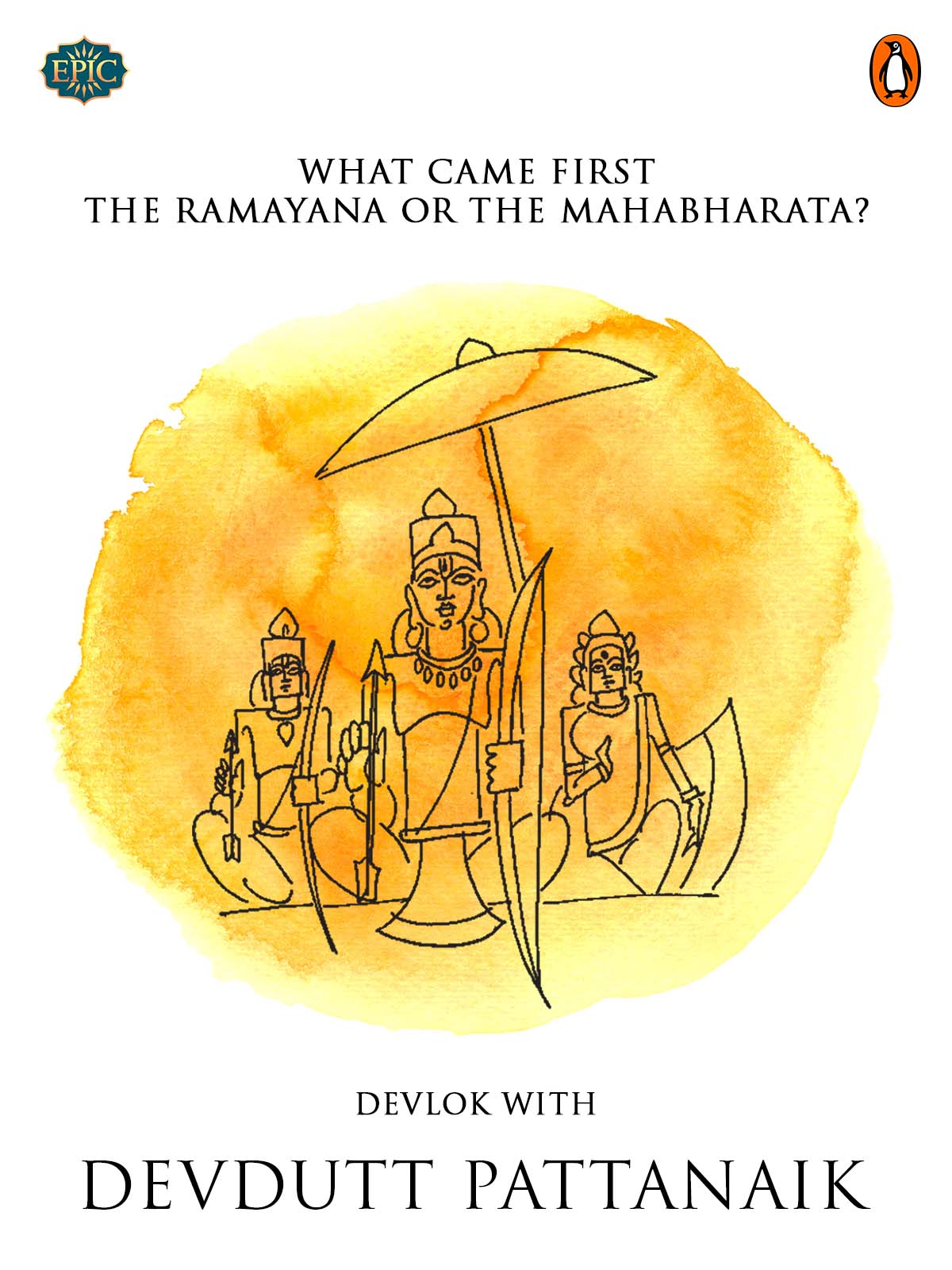
Itihas means this is how it was, this is how it is, and this is how it will continue to be. It means history, but it also means timeless. The Ramayana and the Mahabharata form a rich tapestry of Indian itihas.
Which came first–the Ramayana or the Mahabharata? Are they actually historical events? Which one has Krishna’s raas-leela? Where is Shiva in this? What about the Devi? India’s favourite mythologist Devdutt Pattanaik tells you everything you didn’t know about our myths–a story born 2000 years ago teaching us the ageless tale of how to live in grace. Did you know the Laxman-rekha didn’t exist in the original Ramayana? Or that Radha is never mentioned in the original Krishna story? Perfect for this festive season, find out all this and more in this short, sweet read from Devlok.
Love in the Sky

The colours on your two wings are not the same . . . one’s a brilliant yellow and the other is just the shade of ripe jamun berries I so love! May I call you Jamuni? You are so pretty!’ And every time she would flutter her wings and fly away in one smooth move.’
Ghuggu is a crow, and Jamuni the one he loves – a love of of bright yellow and purple, who comes out every afternoon to fly in the sky, silent and lovely. Ghuggu falls in love with her, not knowing why she will never speak back to him, not knowing why she will never fly to him. He sees one day that she is tied to her owner with a thread, a sharp thread that can cut, and he mourns for her freedom. One day, a storm brews, and when the Jamuni comes out, the crow runs to her to protect her – but can he protect himself? Gulzar perfectly captures the sweetness of love in this charming, delightfully silly story of love.
Half A Rupee
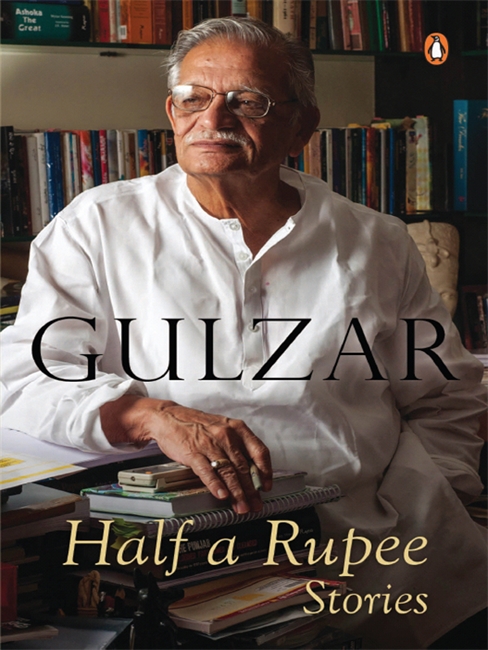
A fascinating short story from the inimitable Gulzar
Gulzar is one of India’s most renowned poets and lyricists. This e-single sees him turning his hand to another creative form at which he is equally adept – short-form prose narrative.
This story is taken from Gulzar’s new collection Half a Rupee: Stories, which comprises twenty-five gripping tales available in English for the very first time. From real-life stories about well-known personalities to tales set in Kashmir, in the hinterland, in the modern megalopolis and on the LoC, from anecdotes of love and betrayal to fables of courage and conviction, these are enthralling stories told in Gulzar’s unique style; each story will delight you.
Border

‘In the village below, there are a lot of men whose houses are on this side but their farms on the other,’ Majeed began to stutter in answer. ‘There are men in a similar situation in villages on the other side too whose houses and farms are thus divided. Families and relations too. So . . .’
Gulzar writes with poignant power on the horrors of Partition, exploring the lives of those who have lived on the border made heartbreakingly complex with a sudden, arbitrary line whose scar spans generations. Major Kulwant has grown up in the valley, and he now returns as a soldier to guard it. What happens when he finds out that his old childhood friend is an enemy across the line? A touching story on how friendship and hope blooms in defiance of nationalism brought to life with the joys of a childhood in Punjab.
The Rain

‘The rain was unrelenting. It had poured night and day, for five days in a row. And Damoo had been drinking relentlessly, day and night, all through those five days, competing with the downpour. Neither would the rain let up nor would Damoo let go. The steadfast rain and stubborn Damoo. Drunk, both.’
Gulzar writes a wrenching account of the Mumbai Floods – rains that laid waste to a city already bursting at the seams. He draws out the small hopes on which the people live and how easily they can flow away. How long can alcohol hold the rain at bay? A deeply moving, unsettling story on what it takes to stay alive.
The Stench

The Stench paints a poignant portrait of Mumbai’s characteristic slums in the masterful prose of Gulzar. Delicately woven stories all come together – from the bitter-gourd vine separating two shanty huts, to the camaraderie of men who’d gather together on charpoys outside their homes in the evening light. Life in the slum was hard and grim, but it was theirs. But one morning, the shanty towns are razed and the people are given neat, sterile rooms to be packed in away from sight. Where will the precious goats and chickens grow on the third floor? The concrete gathers no moss, but no green blooms within these four unyielding walls. The question remains – is a life you don’t know a life you will ever want? Gulzar draws the loneliness and chaos of the urban life with astute brilliance in this beautifully detailed insight into Mumbai slums.
Bhushan Banmali

Gulzar reminisces about an old school poet – an eccentric man named Bhushan Banmali. Bhushan had a wife and a mother but at heart he was a nomad, and one day when their tug-of-war over him got too much, he packed his bags and moved in with Gulzar himself! Suddenly Gulzar found himself at parties full of rum and fried fish and kebabs, overflowing with poetry from dawn to dusk. One day Gulzar and Bhushan pack their bags to go to the mountains, and freezing and tired, they manage to find a spark of generosity to keep their cold nights hilariously warm. Taken from Gulzar’s life, these stories will enthrall any fan with a universally heartwarming touch.
Dance Like a Man
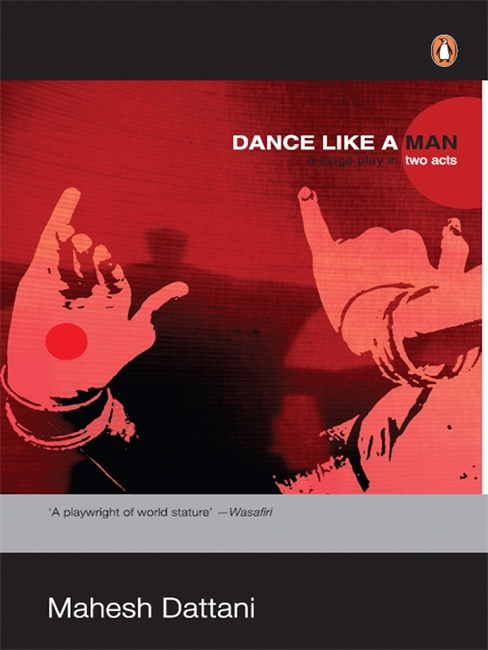
Jairaj Parekh and his wife Ratna, aging Bharatnatyam dancers, are engaged in finding a substitute mridangam player to accompany their daughter Lata at her performance at a high-profile dance festival. Lata, in the meantime, nervously awaits the meeting between her parents and Viswas, the young man she wishes to marry. When the four meet, and in the conversations and discussions that follow, the fissures in the relationship between Jairaj and Ratna begin to explode into high-strung battles which lead back to their own youth and the tragedy that lies at the heart of their discord. The younger couple have their own issues to contend with: the obvious mismatch between the two sets of parents, the arguments over Lata’s career as a dancer after marriage and most unsettling of all, Lata’s attempt to balance her parents’ ambition with her own needs and desires. A brilliant study of human relationships and weaknesses framed by the age-old battle between tradition and youthful rebellion, Dance Like a Man has been hailed as one of the best works of the dramatic imagination in recent times.