



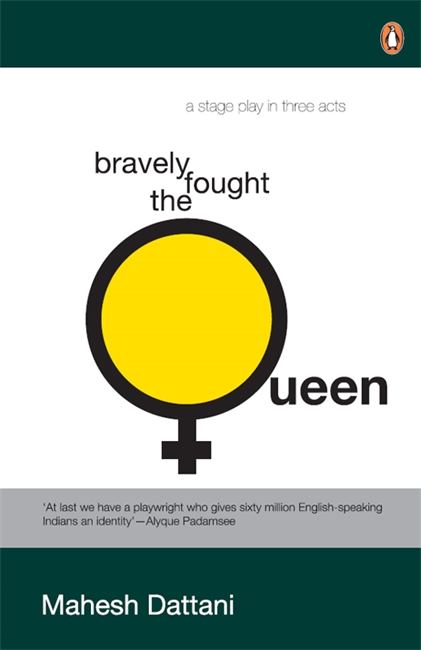
First staged in Mumbai in 1991, Bravely Fought the Queen juggles between two spaces-center stage where an empirical drama removes the mask of hypocrisy from a seemingly ‘normal’ urban household; and a small, rear backdrop from where emerges the raison d’être of each protagonist. The family in focus is that of two brothers, Jiten and Nitin, who run an advertising agency and are married to sisters: Dolly and Alka. Their mother, Baa, moves between the two households, attached more to her memories of the past than to any present reality. Marital friction, sibling rivalry, the traditional tension between mother-in-law and daughters-in-law, the darker moments of business and personal dealings, the play takes us through the entire gamut of emotional experience as it winds to a climactic finish. With its relentless pace, crisp idiom and unflinching insight into the urban milieu, this is a play that confirms Mahesh Dattani’s reputation as India’s most influential playwright.
Catagory: Non Fiction
non fiction main category
The Call
When Bharat takes over his father’s shop, he doesn’t know that the factory sends over the ‘defect’ goods to a charity, as a gift. The system has been in place for years, but yet when he sees his goods leaving without his permission, he demands that Sudha Murty come to him in person and make a request anew. Sudha knows that he is acting out, a child having to fill his father’s shoes, desperate to be seen as important, to earn respect. What should she do? Emotionally compelling and subtly generous, Sudha Murty beautifully articulates the difference between fighting and forgiving.
A Woman’s Ritual
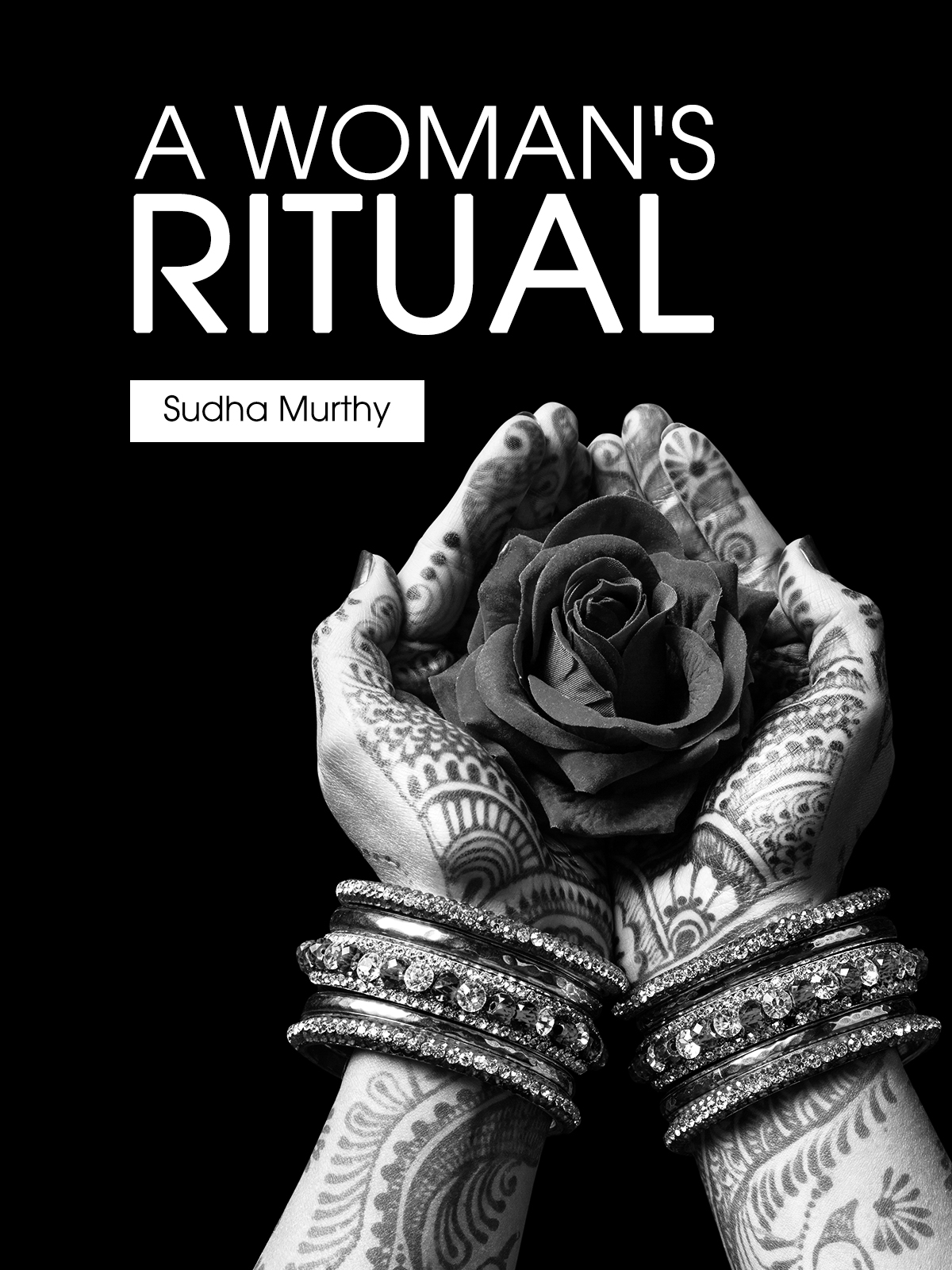
Shraddha is a ritual where once a year, three generations of elders who have passed away are venerated by their loved ones. When Sudha Murthy went to perform the shraddha for her father, she was turned away, because she was a woman. “No woman has ever performed this ritual,” the pandit said.
Sudha Murty questions the importance of meaningless ritual while still being devoted to tradition – what does it mean to be a religious woman in the 21st century? A searching and powerful piece on reaching a balance between old and the new as a woman.
Three Women, Three Ponds
How deep is the love of a good woman? Sudha Murty unpacks the love of three different women, in how they go against society’s demands for selfless acts. Each woman knows the struggles they face to find water every day. Each woman knows that the power to bring water to homes lies only in the hands of powerful men. Each woman does what is needed to make sure that happens anyway. The struggle and pain of being a good woman in rural India is brought to life beautifully by Sudha Murty.
Hindu Mother, Muslim Son
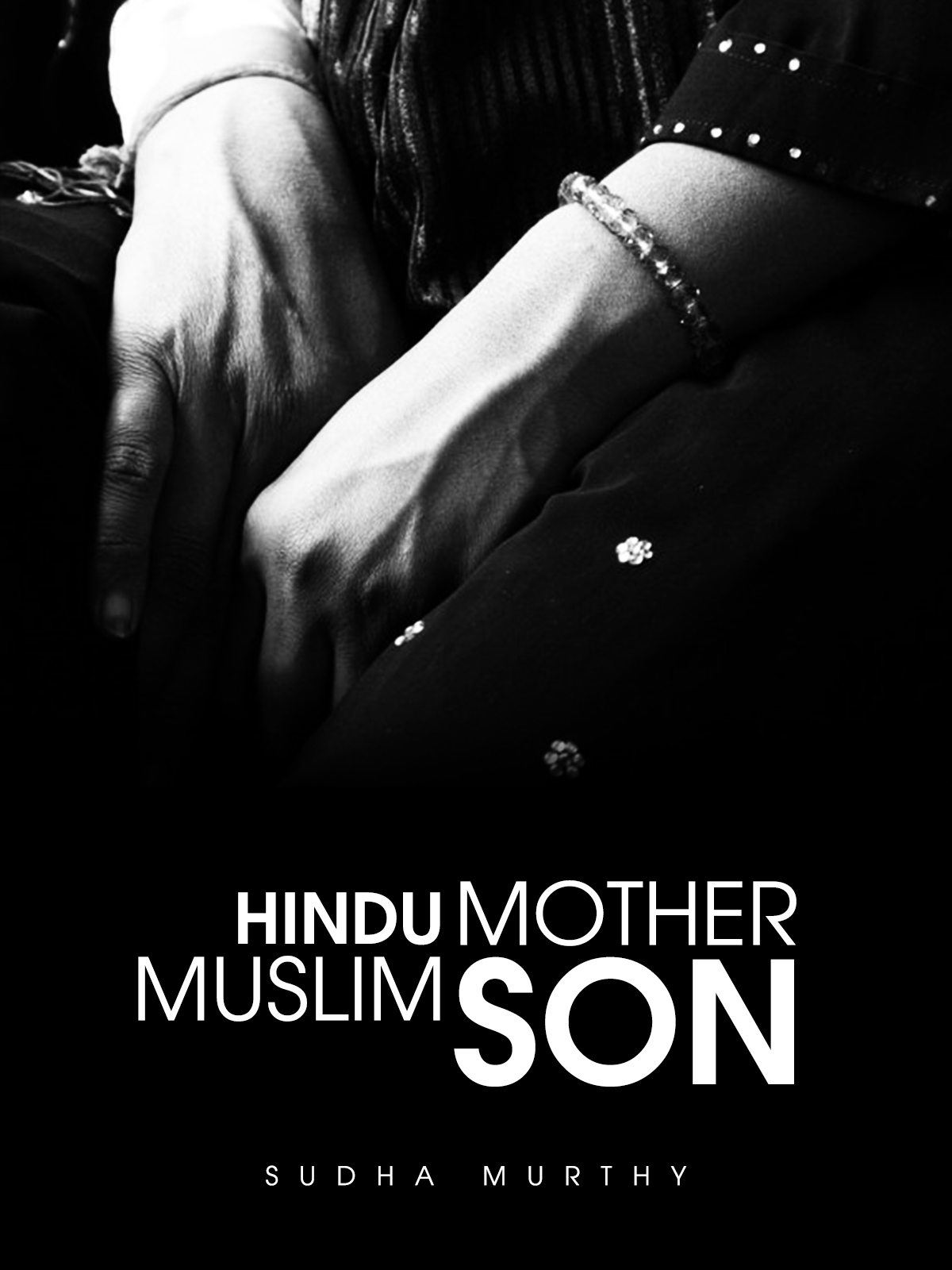
When a farmer invites another to come live with him and help with his farm, he thought it would be easy. But their wives cannot get along. Kashibai is hard working with a temper, and Fatimabai is lazy with a gentle nature. Through years of irreconcilable strife, a sudden tragedy pulls the life of these women inextricably together. Can a woman really surpass her own unhappiness for the sake of her enemy’s child? Sudha Murty gently tells this eternal tale of struggle and redemption through the power of a mother’s love.
Love on a Train
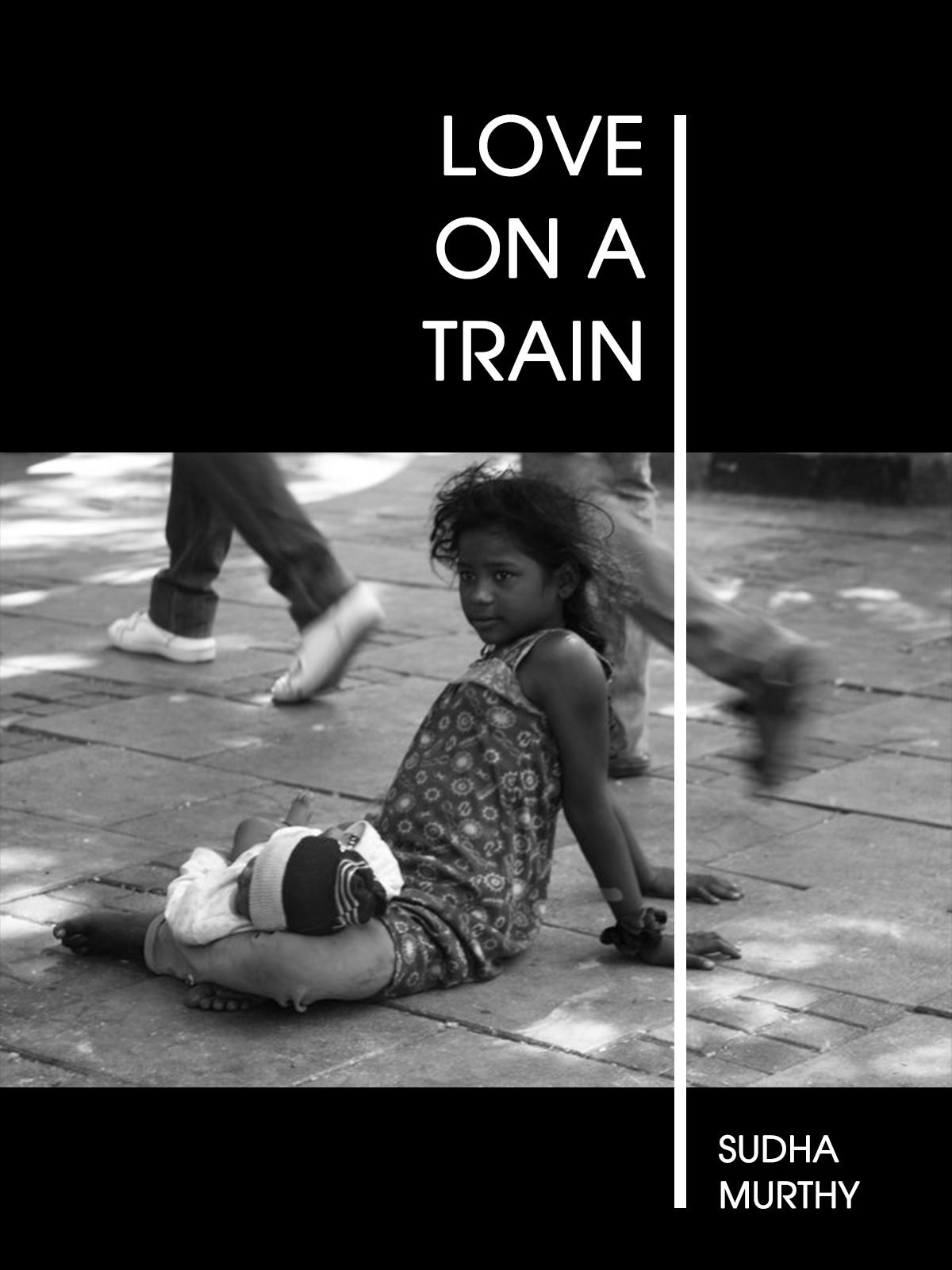
Sudha Murty explores how a single moment of kindness can change an entire life. Chitra was an abandoned girl alone on a train without a ticket. Sudha couldn’t bear to leave a girl alone on the railway station late at night. What could she do? How much responsibility can one woman take for a the life of a strange girl child? Sudha Murty deftly explores the tenderness of selfless, small actions, and how a single person can make all the difference in the world.
The Last Vicereine
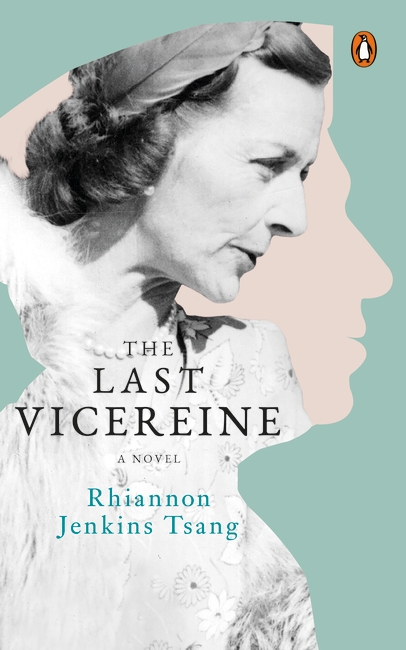
It was the spring of 1947 when Lord and Lady Mountbatten arrived in New Delhi. India was on the brink of civil war. The reluctant Vicereine was a rebel, a rule-breaker. She was a troubled soul, a great beauty, a firecracker. But there was more to Edwina than met the eye. The glamour was a façade; behind it was a highly intelligent woman of influence and power.
The only one to truly understand her for who she was was Jawahar, her friend, confidant and so much more.
No one could have imagined the maelstrom of intrigue, and the events and relationships that would change their lives and those of millions of Indians forever. Set amid the turmoil of Partition, The Last Vicereine is a heartbreaking story of the birth of two nations, of love, grief, tragedy, inhumanity and the triumph of hope.
Selected Speeches and Writings of Vallabhbhai Patel
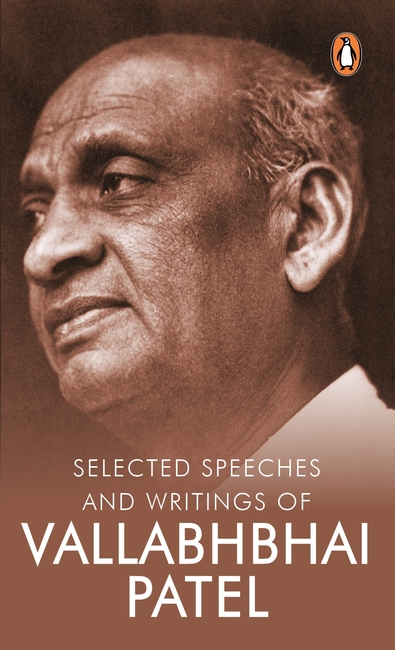
Vallabhbhai Patel, popularly known as Sardar Patel, was one of India’s towering leaders, whose contribution to the Indian Republic is immense. Inspired by Mahatma Gandhi to join the freedom struggle, Patel was at the forefront of the Quit India movement, and was arrested by the British a number of times. After Independence, he served as India’s first home minister and deputy prime minister. A successful lawyer, he used his legendary negotiation skills to unite the 550 princely states and colonial provinces under the Union of India, to create the nation we know today.
The speeches and writings collected here showcase Vallabhbhai Patel’s unique vision for his beloved country-his staunch belief in communal harmony, benefits of freedom for all citizens and in peace and cooperation between different regions.
Paiso
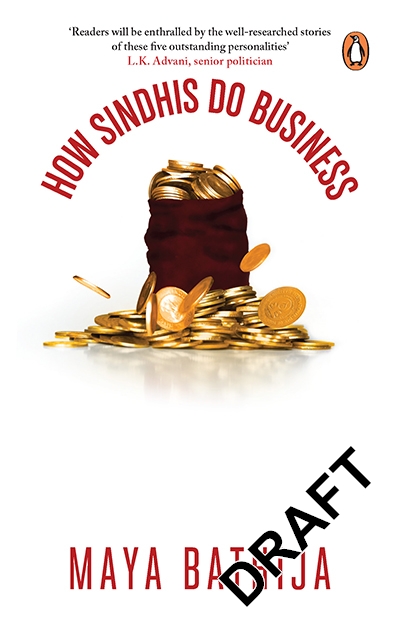
Guided by their sharp business acumen and adaptability, Sindhis have braved Partition, fled from one nation to another, and weathered ups and downs in the economy to set up some of the biggest companies in the world. In Paiso, Maya Bathija, former head of content of the Sindhian, brings to you the extraordinary stories of five Sindhi families and the empires they have built over the years through Gary and David Harilela of the Hong Kong-based Harilela Group, renowned for their hotels; Ramola Motwani, chairwoman and CEO of the real-estate investment and development company Merrimac Ventures; India’s first individual angel investor and chairman of Americorp Ventures and IndiaLand Properties, Harish Fabiani; Dilip Kumar V Lakhi, head of Lakhi Group-one of the biggest diamond suppliers in the country; and Jitu Virwani, real estate kingpin and CMD of the Embassy Group.
Through the journeys of these incredibly successful companies, built painstakingly by many generations, this book takes a close look at the Sindhi way of doing business.
The Creation Of Wealth
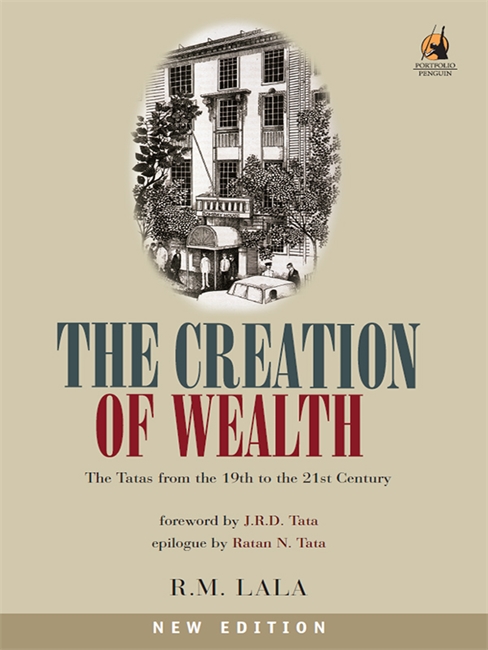
When Jamsetji Tat started a trading firm in 1868, few could have guessed that he was also starting an important chapter in the making of modern India. Jamsetji saw that the three keys to India’s industrial development were steel, hydroelectric power, and technical education and research. A century and a half later, the Tatas can claim with justice to have lined up to the vision of their founder.
This edition includes the story of how the Tatas, with Ratan Tata at the helm, have had to grapple with change in the post-1992 era of economic reforms, when the opening up of India to the world came as both a challenge and a blessing. In a frank epilogue, Ratan Tata talks about the difficulties he faced in implementing change, including resistance from his colleagues. This new edition also has a postscript on the Nano, which has given the most global prominence to the Tata brand.
The Creation of Wealth is R.M. Lala’s bestselling account of how the Tatas have been at the forefront in the making of the Indian nation-not just by their phenomenal achievements as industrialists and entrepreneurs but also by their significant contributions in areas like factory reforms, labour and social welfare, medical research, higher education, culture and arts, and rural development.