




‘The terse, typewritten note slipped under my door in a sealed envelope confirmed my appointment with “India’s single biggest internal security challenge”. I’d been waiting for months to hear from them…’ In early 2010, Arundhati Roy travelled into the forests of Central India, homeland to millions of indigenous people, dreamland to some of the world’s biggest mining corporations. The result is this powerful and unprecedented report from the heart of an unfolding revolution.
Catagory: Non Fiction
non fiction main category
Wise & Otherwise
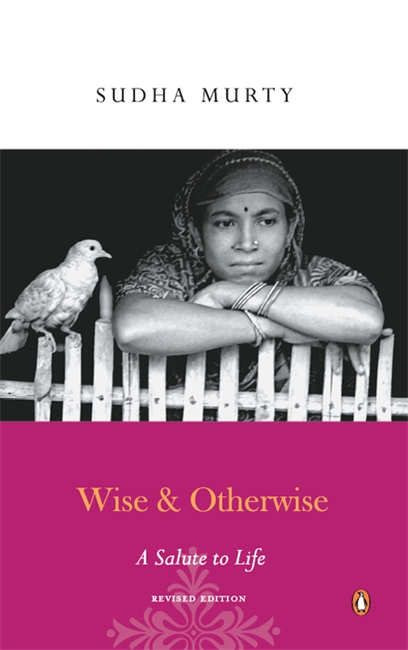
Fifty vignettes showcase the myriad shades of human nature A man dumps his aged father in an old-age home after declaring him to be a homeless stranger, a tribal chief in the Sahyadri hills teaches the author that there is humility in receiving too, and a sick woman remembers to thank her benefactor even from her deathbed. These are just some of the poignant and eye-opening stories about people from all over the country that Sudha Murty recounts in this book. From incredible examples of generosity to the meanest acts one can expect from men and women, she records everything with wry humour and a directness that touches the heart.
First published in 2002, Wise and Otherwise has sold over 30,000 copies in English and has been translated into all the major Indian languages. This revised new edition is sure to charm many more readers and encourage them to explore their inner selves and the PBI – World around us with new eyes.
No More Questions
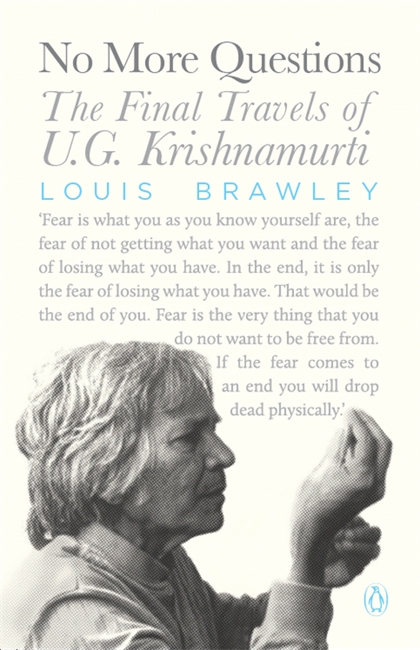
The way he lived, his living quarters and his mode of expression were one continuous movement, a three dimensional, living book of teaching.’
Louis Brawley met U.G. Krishnamurti or UG in 2002 and spent the following five years travelling with him in the USA, India and Europe. He soon became the foil to UG’s bizarre interactions with his friends and audience and, as UG’s health deteriorated, his informal caregiver. No More Questions chronicles Louis’s life with this remarkable ‘non-teacher’.
As much a story of Louis’s own struggles and shortcomings as that of sage and devoted follower, the book describes how his ideas about life, love and enlightenment were tossed around and demolished by UG. Out of this churning a layered portrait emerges of the man who gave up everything for truth but delighted in ridiculous fabrications; one who mocked do-gooders but was deeply kind, who decried the supernatural, yet strange coincidences happened around him.
Flora’s Empire
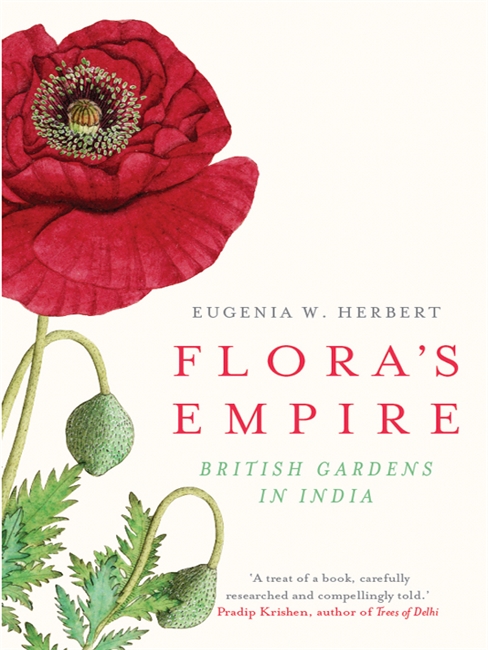
The British created gardens in India not just out of simple nostalgia or homesickness, but also to put a visible stamp of ‘civilization’ on an alien, untamed land. Colonial gardens changed over time, from the ‘garden houses’ of the East India Company’s nabobs modelled on English country estates, and hill station cottages where English flowers could be coaxed into bloom, to the neat flowerbeds,
gravel walks, well-trimmed lawns and hedges of the Victorian sahibs. Every Government House, Civil Lines bungalow and cantonment was carefully landscaped to reflect current ideals of an ordered society. The British also made India part of the global network of botanical exploration and plant-collecting, and developed tea gardens and opium-poppy plantations to fill the coffers of the Empire.
More than sixty years after the British left, their garden legacy still lives on, reflected in the design of municipal parks and IT campuses, and in the tastes and practices of countless Indian home gardeners
who take pride in their green lawns and flowerbeds full of English flowers.
Priya
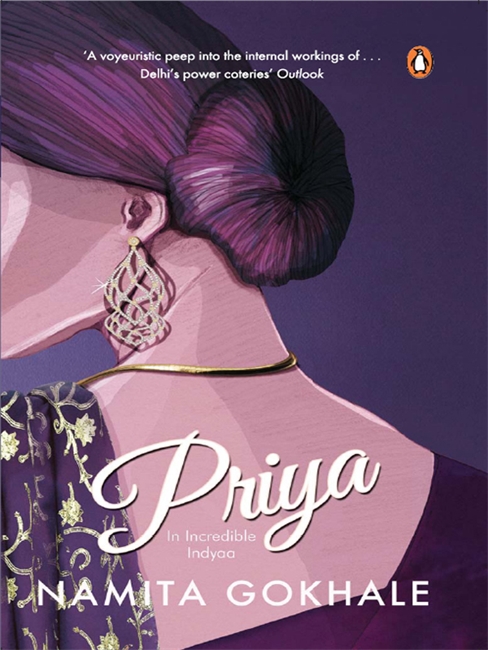
India is shining, and Suresh Kaushal, the stout lawyer -of sober habits’, has propelled himself up the political ladder to become Minister of State for Food Processing, Animal Husbandry, Fisheries and Canneries. His wife Priya can’t believe their luck and, determined to ensure it doesn’t run out, struggles valiantly with -social vertigo’, infidelity and menopause. Along the way she also learns vital lessons on survival, as she watches her glamorous new friend Pooonam chase status, sex and Jimmy Choo shoes, and her radical old friend Lenin ride a donkey and lose his bearings. In this wickedly funny, occasionally tender, book, Namita Gokhale resurrects some unforgettable characters from her 1984 cult bestseller Paro, and plunges them neck-deep into Delhi’s toxic waste of power, money and greed.
Zen
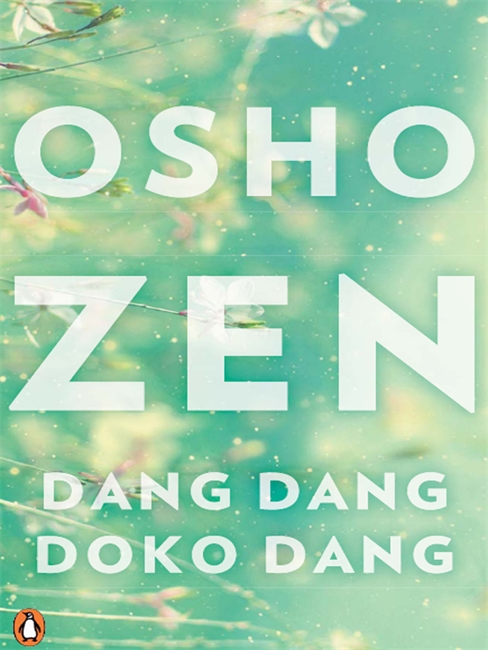
Learn how to free your mind
In these lectures on Zen, Osho shows the way to self-realization without believing in any God. He argues that the mind is increasingly our barrier to happiness and truth and that Zen teaches you how to detach yourself from it. By doing so, you have the chance to truly experience yourself and to connect with your own being. This is the heart of Zen thought and Osho calls it the religion of the future-a vision that goes beyond organized religion to an individual ‘religiousness’.
Lucid and profound, and told with great simplicity, Zen: Dang Dang Doko Dang is an utterly inspiring book from one of our great spiritual masters. It will transform the way you live and perceive the world.
You Stole My Song
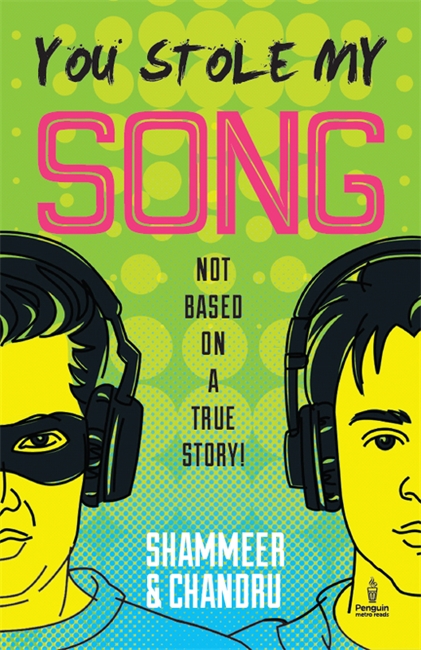
Nitin is thrilled to join the No. 1 Bollywood music composer Sunil Kumar. And it looks as though the love of his life, Aditi, has feelings for him too. He is feeling on top of the world.
But all his dreams come crashing down one after another. Aditi breaks up with him. Sunil steals Nitin’s song Zero fikar and passes it off as his own. It goes viral-two million hits in two days!
At this point, the only person who is willing to help Nitin is his friend Govinda, whose aim in life is to win Baddies on YTV and get a girlfriend of his own. Things certainly don’t look good for Nitin!
WILL HE BE ABLE TO GET BACK AT SUNIL?
CAN HE EXPOSE THE PLAGIARISM RAMPANT IN THE
BOLLYWOOD MUSIC SCENE? WILL HE BE ABLE
TO WIN BACK THE GIRL OF HIS DREAMS?
Real Time
Amit Chaudhuri’s stories range from a divorcée about to enter into an arranged marriage to a teenaged poet who develops a relationship with a lonely widower, from a singing teacher struggling to make a living out of the boredom of his students to a gauche teenager desperate to hurdle past his adolescence. Ripe with subtlety, elegance and deep feeling, this is vintage Chaudhuri.
Dr Mathai’s Holistic Health Guide For Women

The twenty-first century woman juggles home, work, friends—all in a day’s work. And this demanding lifestyle is taking its deadly toll on her. With women’s health issues suddenly on the rise, Dr Mathai’s Holistic Health Guide for Women is what every woman must have. It contains causes, solutions, and treatments for cancer, PCOS, arthritis, etc., based on ayurveda, homeopathy, and naturopathy as well as complementary therapies such as yoga, acupuncture, reflexology, and acupressure. With simple DIYs and home remedies, this book is the ultimate guide to a healthy life.
The Hungry Ghosts
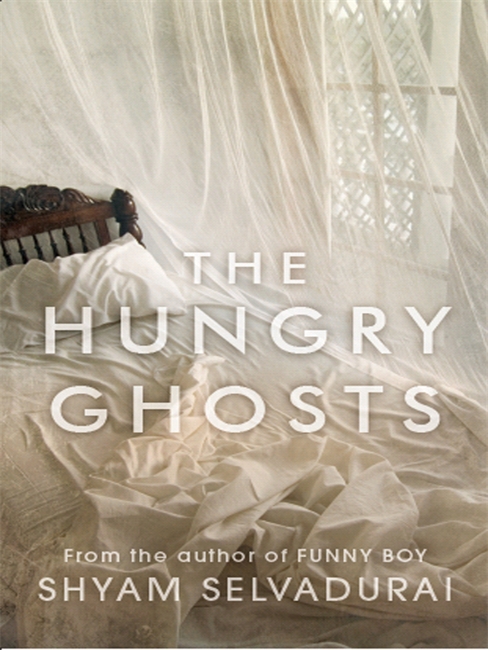
Moving between Toronto and war-torn Sri Lanka of the 1980s and ’90s, The Hungry Ghosts tells an intense and absorbing story of one man’s restless search for redemption. Shivan Rassiah, gay and in his early thirties, prepares to return from Canada to his dying grandmother in Sri Lanka. Much is riding on this trip for Shivan, who hopes it will bring i am the renewal he so desperately needs. Yet he is haunted by the memories of his complicated relationship with his grandmother through his early years, the tragic outcome of a visit he paid her some years after migrating to Canada, and the Buddhist tales she told him with their themes of destiny and karma, which insist there is no escape from
acts committed. Engulfed by his memories and mistakes, Shivan begins to doubt that the redemption he seeks might indeed be possible. A lush, complex novel of migration, sexuality,
family and exile, The Hungry Ghosts brings vividly
to life the smell, colours, landscape, manners
and customs of the author’s native Sri Lanka
and his adopted homeland Canada.