It’s the start that stops most people.’
We make plans, jot down lists, fill in bullet journals, even work on a vision board, but something’s always missing. There’s always some stumbling block that stops us on the path to success—the economy, the market situation or just plain old timing. So is success only meant for people who never face these obstacles?
Successful people take action in the face of uncertainty, and it is this simple feat that separates them from the rest. Even if you have a plan, it is obsolete till it’s executed.
With useful tips and relatable examples, Take Action is Atul Magoon’s simple yet effective guide for those who have the map but are struggling to take the first step.
A person can achieve whatever his mind can conceive and believe.’
We all want to be successful—do well at work, make enough money so that we can maintain (and improve) our current standard of living, and make the lives of our future generations easier than ours. But success is fickle—or so we think. What if there is a way to actually achieve everything we want to?
According to Atul Magoon, all it takes is belief. Visualizing success is the first step towards achieving it. After all, imagination is the greatest power humans have, so why can’t we use it to make things happen?
The First Step to Success is Atul Magoon’s practical guide for someone who wants to make it big but can’t figure out where to start. Read on to take the first step towards building your success story.
We all know how Hanuman wreaked havoc upon the golden city of Lanka when he visited Sita as Ram’s messenger. But what a lot of us aren’t familar with are the insightful conversations they had then.
From discussing the difference between how Vanaras and Manavas think, to discussing the moralistic details of situations, this discourse between Sita and Hanuman is both unexpected and thought-provoking.
An interesting insight into one of the most popular sections of the epic, the Sundar Kand, Hanuman in Lanka is riveting, enlightening, and entertaining, as all of Devdutt Pattanaik’s writing is.
Ram and Sita’s wedding is a well-recognized visual in India, especially because of how Ram manages to break Shiva’s mighty bow, proving that he was indeed destined to be Sita’s husband. But the beauty of the story lies in its details. It is to be found in the tender moments the couple shared when they first laid their eyes on each other at Vishwamitra’s ashram. It lies in the realization that the union of Ram and Sita, along with the union of Ram’s brothers with Sita’s sisters, has been in the making since the time of Prithu, the first king.
From Parashurama to Tadaka to Ahalya to Ganga, the story of Four Brides for Four Brothers is a fascinating melange of characters and events. And there is no one better to tell that story than Devdutt Pattanaik with his masterful illustrations.
Read on to discover the events that led to the union of two of the most enigmatic characters of Hindu mythology.
For all the action associated with the Ramayana, people sometimes forget how uniquely fascinating the birth of the two protagonists was. While one was discovered in a field that was being ploughed, the other was borne out of a powerful potion. No wonder they went on to achieve greatness.
However, the story of Ram and Sita’s birth isn’t just important because of how they were born. Understanding the context of their birth is equally important because when it comes to epics like the Ramayana, the smallest of details have the most far-reaching impacts.
In The Birth of Ram and Sita, explore the illustrated world of the protagonists before they were born with captivating insights from Devdutt Pattanaik.
Ramayana isn’t a single text. It is a belief, a tradition, a subjective truth, a thought materialized, ritualized and celebrated through narrations, songs, dances, sculptures, plays, paintings, and puppets across hundreds of locations over hundreds of years.’
But where did it all originate?
It is believed that when Shakti wanted to hear a tale that had the power to comfort during turbulent times, Shiva narrated the Ramayana. It is from this brief exchange that all that came followed.
With What Shiva Told Shakti, Devdutt Pattanaik offers a brief glimpse into the vast and historical tradition that is the Ramayana. From versions and formats to cultures and countries, explore the epic with the master himself.
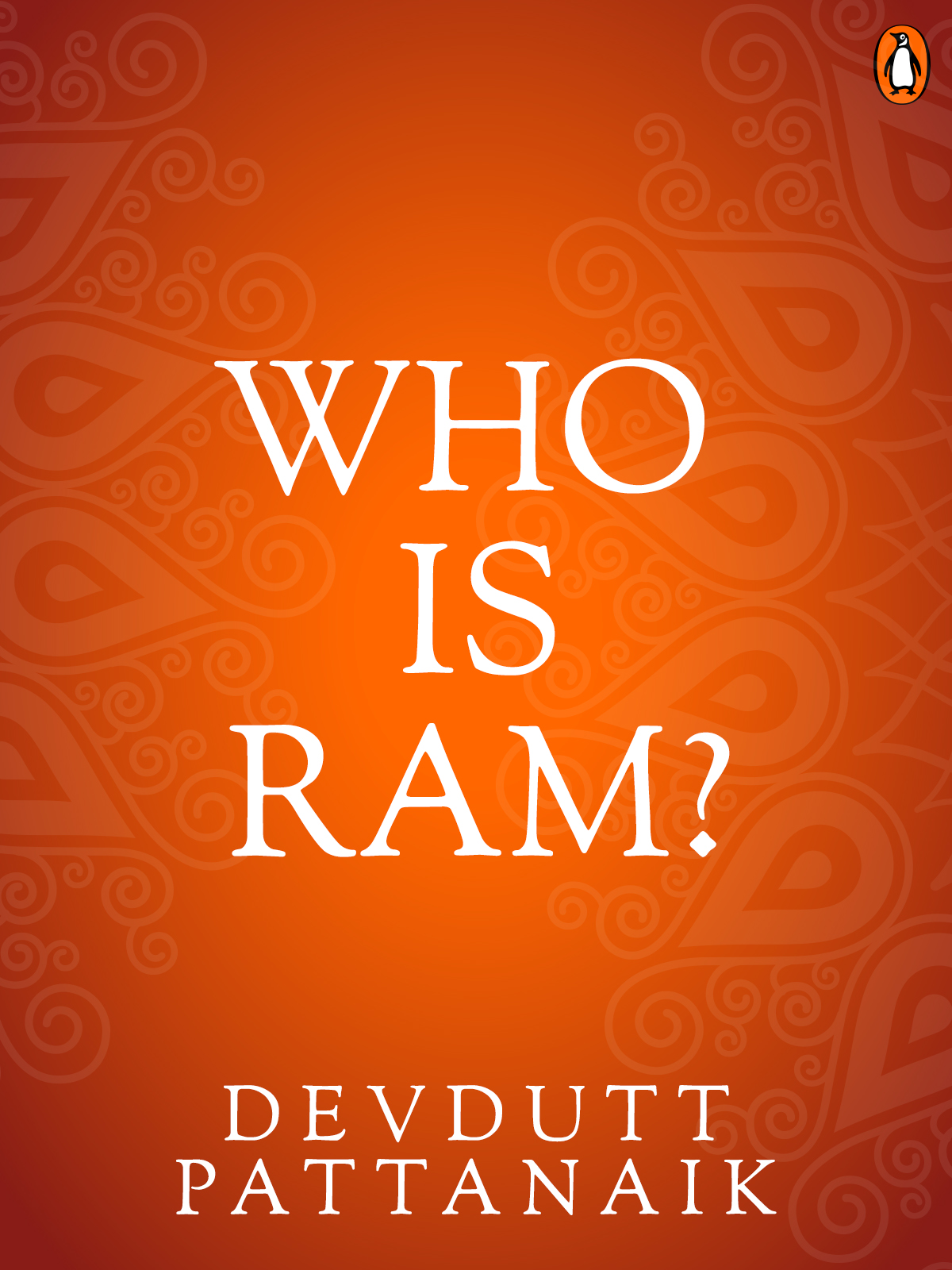
For hundreds of years, for millions of people, across history and geography, Ram’s name and his story have opened a window to the divine. He is venerated as the greatest king of Ayodhya, he is the eka-patni husband of Sita, he is the keeper of his word, he is maryada-purushottam.But isn’t he just an ordinary man who did extraordinary things? If so, can you and I be Ram?
In Who is Ram?, Devdutt Pattanaik explores the many ideas and qualities of an upright hero, the protagonist of one of the world’s most popular epics, Ramayana.
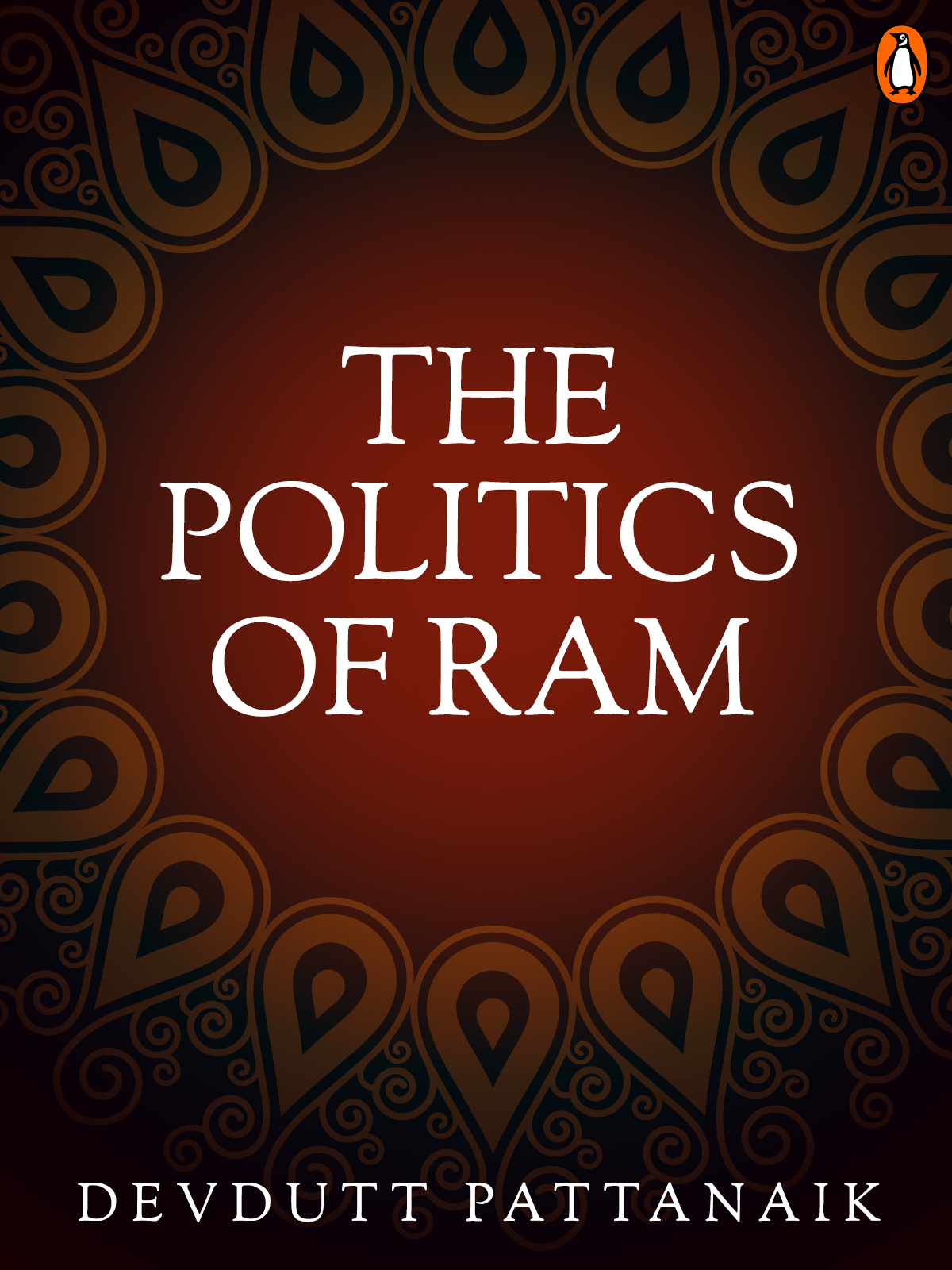
Any discourse on Ram today is dominated either by academic analysis or political debate. In the din of these discourses, it is the discourse of love that is lost.’
Legends and myths were created by our ancestors to understand the elements of the universe and how they interact with us better. The concept of dharma was introduced through mythological characters—who either abide by it or don’t—to make the lesson more memorable. However, as time goes on, the essence of the content is lost and we’re stuck holding on to its literal symbols. Nowhere else is this more visible than the politics of Hindutva in India.
In The Politics of Ram, Devdutt Pattanaik explores the idea of Ram in modern political discourse and how it impacts the legacy of our epics in his inimitable style—with elegance and wit.
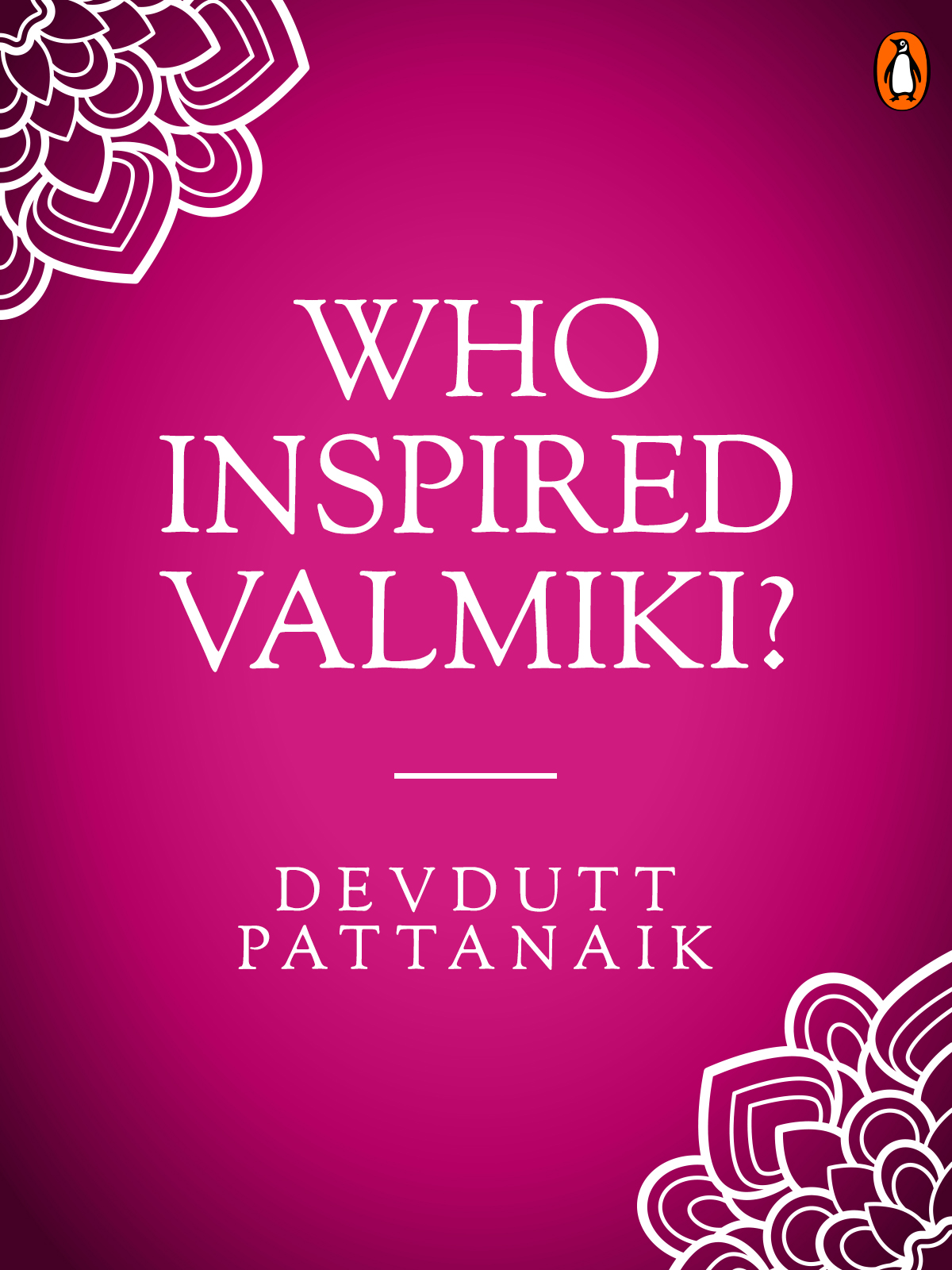
The Ramayana has never been a tale of Ram’s life. It is the story of how he lived for others. By retelling his tale, storytellers hope to inspire themselves and others to live as Ram did.’
The Ramayana we are familiar with today is an interesting mix of countless versions—through cultures, traditions, and texts—presented through various mediums—film, television, and scriptures. The most popular, however, is Valmiki’s Ramayana, which is believed to be the original story that inspired the many versions that followed. But who narrated the story to Valmiki? Where did it originate?
It is believed that hearing Ram’s tale brings hope even in the darkest of times. With Who Inspired Valmiki?, Devdutt Pattanaik explores as only he can, the various versions and interpretations of the epic that exist across cultures and countries.
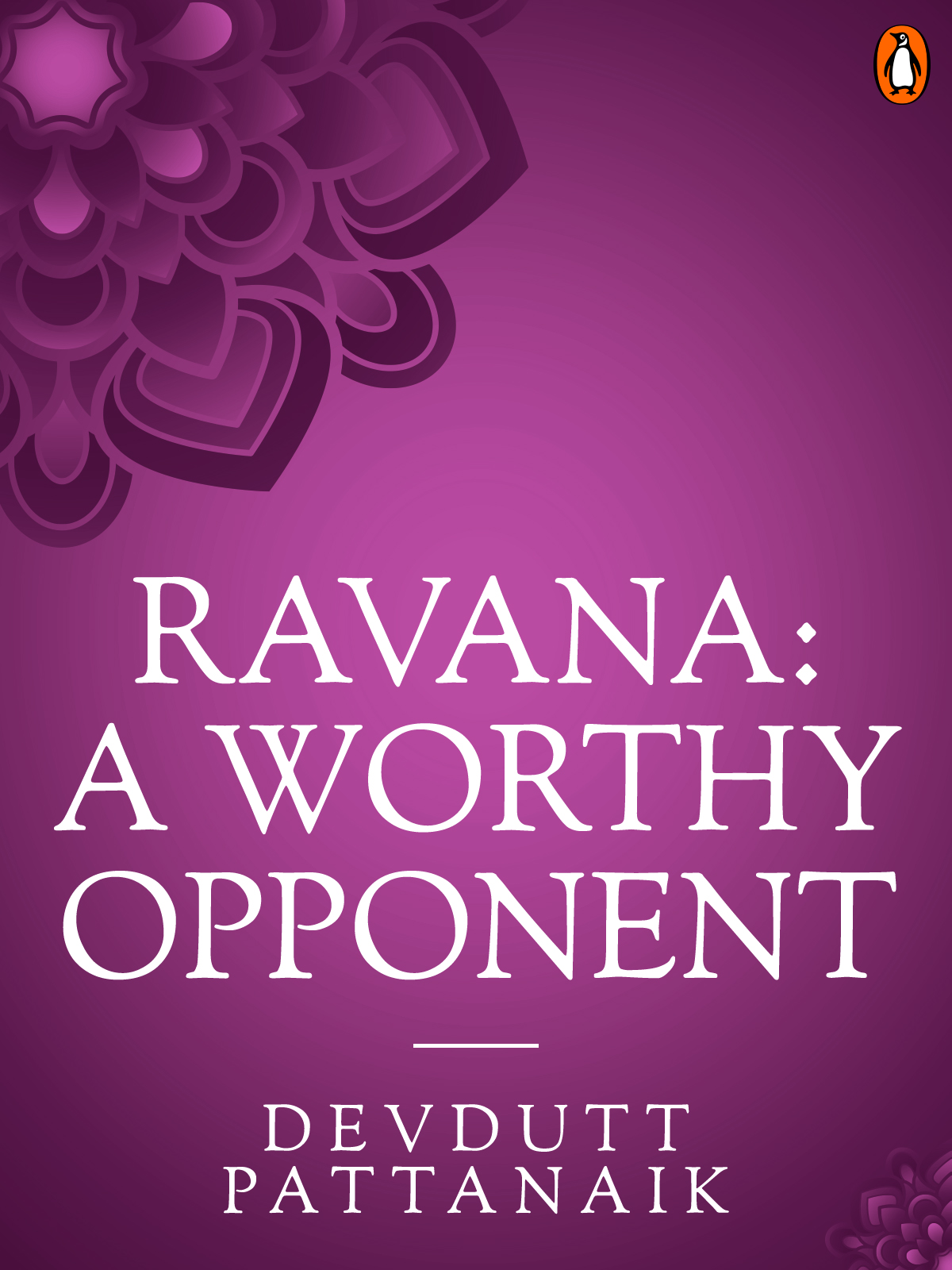
Ram and Ravana stand at two extreme ends of the human spectrum. From god to demon, dharma to adharma, Ram and Ravana are the biggest lessons of the Ramayana. And as far as villains go, a ten-headed demon-king is an impressive opponent.
The beauty of the Ramayana is that it allows you to understand the motivations and actions of both these mighty men. After all, it is because Ravana exists that Ram is born. Without Ravana, there is no Ram.
Understanding Ravana is, in fact, the key to understanding the Ramayana. And in Ravana: A Worthy Opponent, Devdutt Pattanaik offers a glimpse into the hedonistic, villanous mind of one of Hindu mythology’s greatest demons. Read on to discover Ravana like never before in this straightforward account from the master of mythology himself.