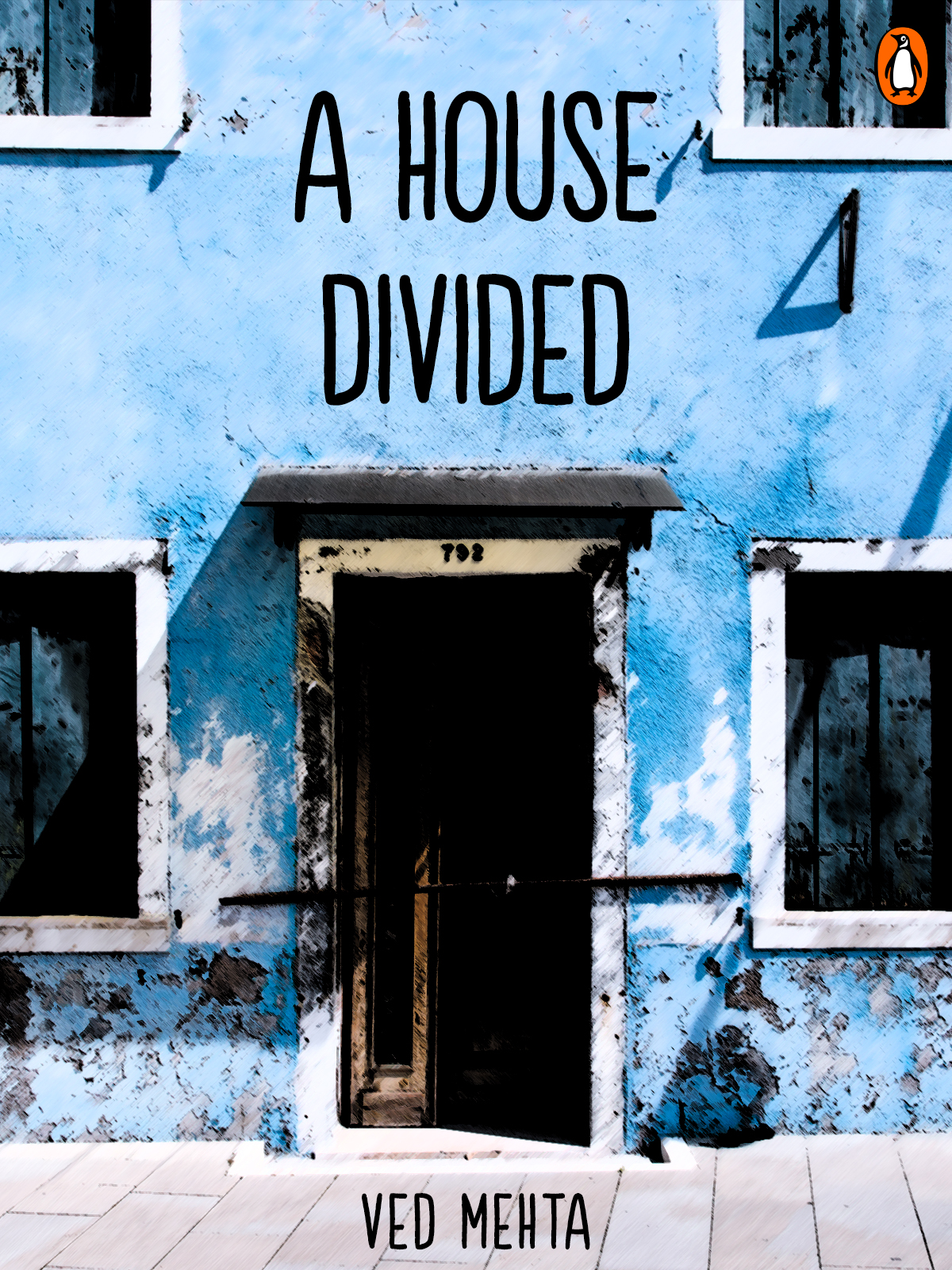
Ved Mehta – born to a Hindu Punjabi family in Lahore of British India – has the chance to revisit his childhood home after thirty years. It has been thirty years since Partition, since a communal division of two countries, and so, what he might encounter in a house he hasn’t stepped into since he was a child is anybody’s guess.
Will the house still be standing? Will it be the same? Does he want it to be the same?
Read on as Ved Mehta finds the answers to these questions while being amused, more than a little surprised and, most of all, humbled.
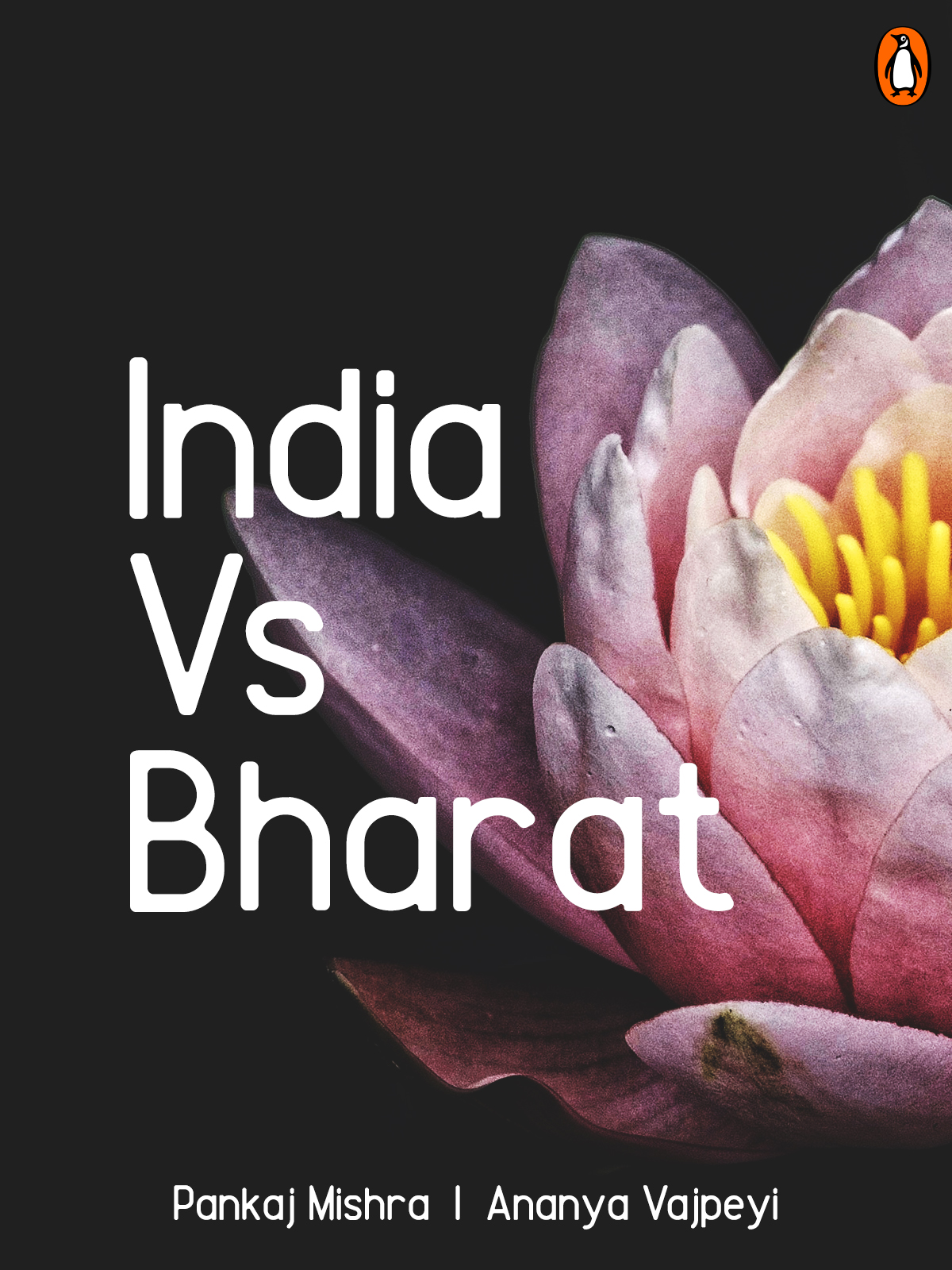
It’s open season once again in the long battle of Hind Swaraj against Hindu Rashtra.’
When a new leader comes into power, questions are always raised about the direction in which they will lead the nation. In the case of Prime Minister Narendra Modi and his controversial past, the questions are more than aplenty.
Questions about secularism, about not only protecting but valuing minorities, about discrimination, and about freedom of thought and expression are being raised every day. Are we then really moving away from the very ideas that formed the nation we live in today? Is this the ideology that the leader of the country stands behind?
Read on, as Pankaj Mishra and Ananya Vajpeyi attempt to answer these questions.
Babasaheb Ambedkar, one of the most important voices to have spoken against caste discrimination, was also the father of the Indian Constitution. Juxtapose this against the various caste-based attacks happening in the country today and a very different picture of India seems to be developing seventy years since freedom.
After Rohith Vemula’s suicide sparked protests and outrage across the country, questions about discrimination against Dalits and other castes have once again come to the forefront. With its long history of caste-based politics, it remains a sore subject that India still cannot properly address.
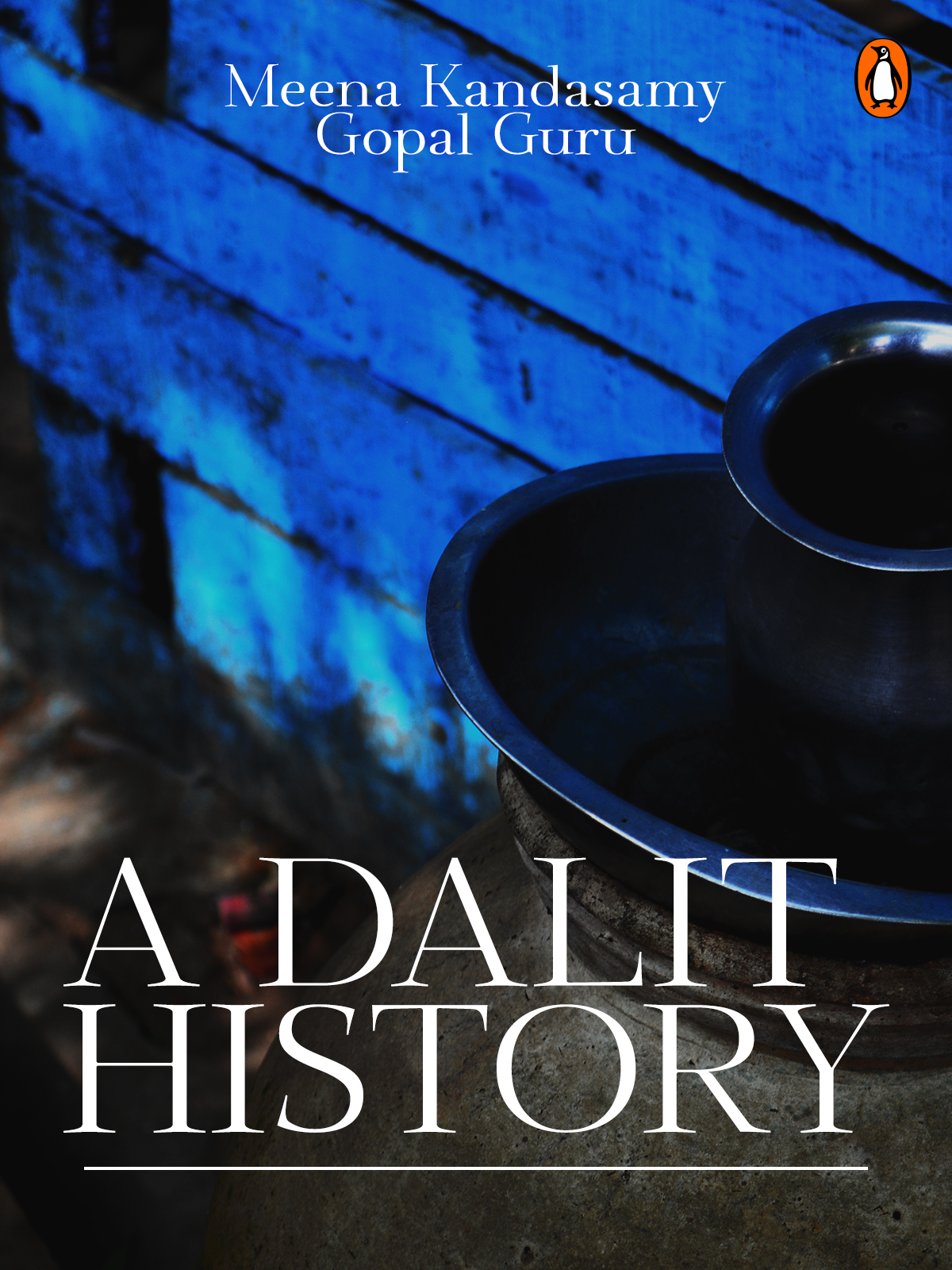
Meena Kandasamy in ‘He Has Left Us Only His Words’ and Gopal Guru in ‘For Dalit History Is Not Past But Present’ write about why even education in India still functions in the shadow of caste-politics, and how India has never really escaped its past. Read on, to find out more.
Existing in a universe that can speak in multiple voices, even as we witness its shrinking edges closing in on us’ – is this what it’s like to live in India today?
India is ‘progressing’ through oppression, silencing voices, redefining identities and rewriting history as it sees fit. Instead of coming closer to the rest of the world in the digital age, are we shutting doors – in the face of ideas and people?
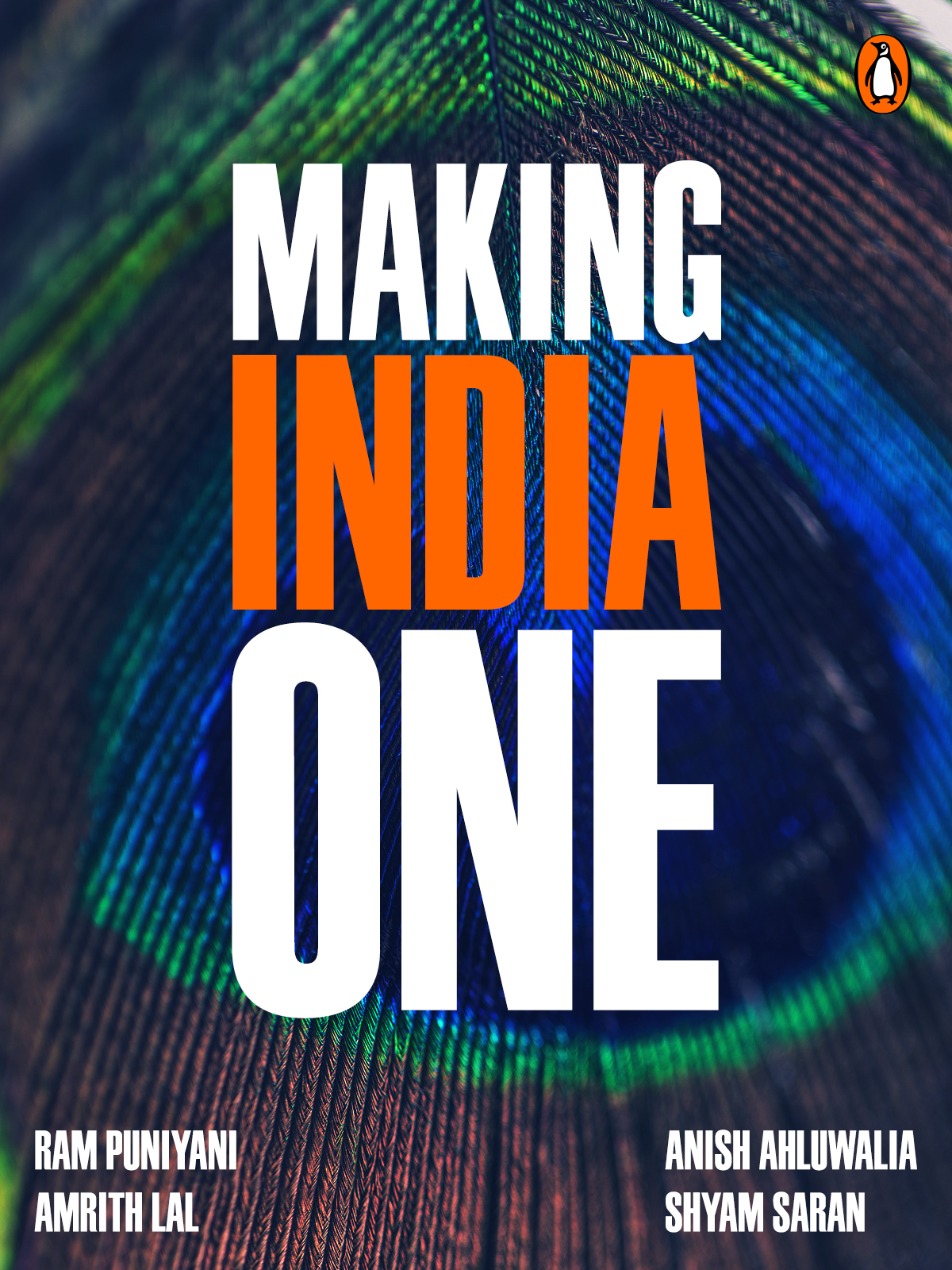
Read on, as Ram Puniyani, Amrith Lal, Anish Ahluwalia and Shyam Saran write about the Indian experience in the context of a country that doesn’t seem to value its cultural diversity any more.
In a country like India with its massive socio-economic problems, the role of ideas is of great importance.’
This statement by Justice Markandey Katju, in direct support of writers uniting against the attacks on academics, intellectuals and writers, immediately turns the spotlight to the situation at hand.
The attacks, combined with the government’s silence on the topic sends a message that as a country, India is okay with its people tearing each other apart – all for having thoughts and opinions that are different. In a plea to have their voices and disapproval heard, the literary community came together by returning their government awards. But is it making a difference?
Keki N. Daruwalla attempts to answer that question in her essay ‘Writers Lack Brickbats’, while Markandey Katju and Maya Krishna Rao highlight the urgency of the situation and why it is important to not take this lightly in their essays respectively.
Progress is a unified process – something that involves a people, the exchange of ideas, and agreeing upon what’s best for the bigger picture. Instead, we’re restricting ourselves to one set of ideas, one set of beliefs, one set of understandings, and believing it to be the best, which is the complete opposite of how modern science functions.
The very idea that laid the foundation of India – the freedom to choose one’s own religion, which in turn comes with its own set of choices – is under attack today. With every lynching, and every attack on a minority, India is on its way to proving that it would much rather favour one kind of citizen over the other. There is no doubt that a rich and varied culture like ours comes with its own baggage, but it’s getting to the point where it is hindering our own progress as a country.
Read on, as Meera Nanda questions India’s attitude towards scientific progress while Romila Thapar explores the changing meaning of secularism in the country.
Writer Perumal Murugan is dead,’ said an update on the author’s own Facebook page.
For a country that’s moving towards a brighter, more developed, digital future in the twenty-first century, India’s people seem to be regressing in a strange direction. From attacking writers for their work without understanding it – to a point that the writer has to claim that he is ‘dead’ – to forcing anyone who questions the ruling party’s ideas to conform, India is slowly but surely moving away from the very ideas that formed its identity: a culturally diverse democracy.
While A.R. Venkatachalapathy examines what led a venerated writer like Perumal Murugan to commit ‘suicide’ in ‘Who Killed Perumal Murugan?’, Manash Bhattacharjee, in his essay ‘The Force of Dissent’, talks about why dissent is not only important but also necessary in a democracy as big and diverse as India.
The road to success can be long and winding but the journey can begin right away – and it always starts with people.
At the workplace and in your personal life, much of your happiness depends upon the relationships that can be built with the people around you. How do you ensure you act the right way, say the right thing? How can you stay confident, calm and graceful under pressure?
From highlighting the importance of conversations, friendships, and basic courtesies to simple pointers about social cues that help make a good impression, this is a handy guide that can help you navigate the most stressful of social situations with élan.
You can go from making a new acquaintance to having a conversation to getting insights to landing a new client, all in the span of one party. But the first rule of networking? Don’t treat it like networking.
Not all parties are networking events. As a guest, you’re expected to bring good cheer and a pleasant outlook to the table, while as a host, you’re expected to bring all of the above and some more. How do we navigate the tricky waters of professional and personal? Can you really let your hair down in front of your boss? And how do you authentically connect with people who you will be seeing at work?
Luckily, Suhel Seth, professional thrower and goer of parties, has it all figured out and lays it down in simple, easy to follow rules.
How does one navigate friendships at the workplace?
A truly successful person has a diverse group of friends because they understand the value of bringing different people with varying opinions and ideas about the world into their lives. The trick to maintaining these friendships is unsurprisingly trust.
However, things get complicated when professional acquaintances also begin to translate into friendships. Luckily, Suhel Seth is someone who has navigated these tricky waters and brings wisdom, wit and a few rules about how you can develop and maintain real friendships in the professional world that go the distance.