



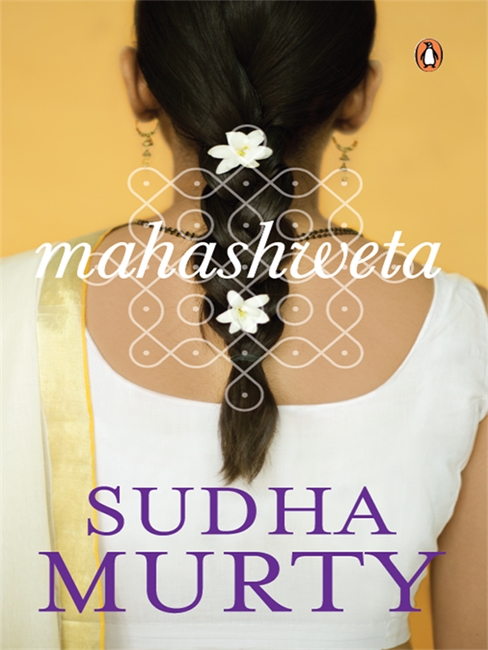
Anupama looked into the mirror and shivered with shock. A small white patch had now appeared on her arm.’ Anupama’s fairytale marriage to Anand falls apart when she discovers a white patch on her foot and learns that she has leukoderma. Abandoned by her uncaring in-laws and insensitive husband, she is forced to return to her father’s home in the village. The social stigma of a married woman living with her parents, her steother’s continual barbs and the ostracism that accompanies her skin condition force her to contemplate suicide. Determined to rebuild her life against all odds, Anupama goes to Bombay where she finds success, respect and the promise of an enduring friendship. Mahashweta is an inspiring story of courage and resilience in a world marred by illusions and betrayals. This poignant tale offers hope and solace to the victims of the prejudices that govern society even today.
Catagory: Non Fiction
non fiction main category
The Mother I Never Knew
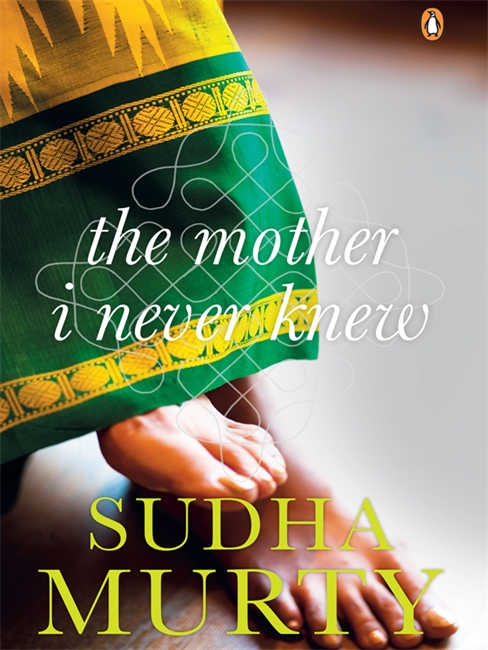
What secrets lurk in a family’s past—and how important are they in the here and now?
Sudha Murty’s new book comprises two novellas that explore two quests by two different men—both for mothers they never knew they had.
Venkatesh, a bank manager, stumbles upon his lookalike one fine day. When he probes further, he discovers his father’s hidden past, which includes an abandoned wife and child. Ventakesh is determined to make amends to his impoverished stepmother—but how can he repay his father’s debt?
Mukesh, a young man, is shocked to realize after his father’s death that he was actually adopted. He sets out to find his biological mother, but the deeper he delves, the more confused he is about where his loyalties should lie: with the mother who gave birth to him, or with the mother who brought him up.
The Mother I Never Knew is a poignant, dramatic book that reaches deep into the human heart to reveal what we really feel about those closest to us.
House Of Cards
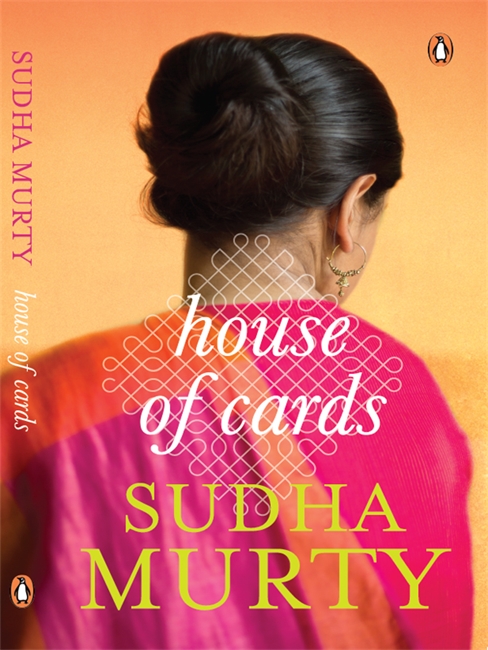
House of Cards is the story of Mridula, a bright young woman with enormous enthusiasm for life who hails from a Karnataka village. A chance meeting with Sanjay, a talented but impoverished doctor, leads to love and the couple marry and settle in Bangalore. The more Mridula sees of the world, the more she realizes how selfish and materialistic people can be, but she does not take the ups and downs of life to heart and lives each day with positive energy. Trouble brews when Sanjay quits his government job and starts an immensely successful private practice. With affluence comes the neverending ambition for more and the inevitable slide into corrupt practices. For a long time, Mridula has no idea that Sanjay has sold his soul. When the truth hits her, she has no recourse but to walk out on him, but can she really find a space of her own? This intricately woven novel explores human relationships in telling detail and holds up a mirror to our society with candour and with conviction.
Something Happened On The Way To Heaven
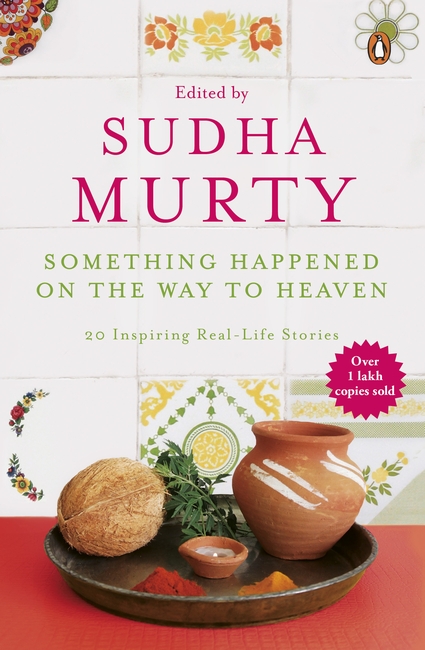
The inspiring true stories of the interesting people who inhabit the pages of Sudha Murty’s books leave an indelible impression on us. But the books are able to chronicle the stories of only the men and women Mrs Murty has actually come across herself in the course of her social work. There must be so many more wonderful stories that many others have to share. Something Happened on the Way to Heaven is a collection of twenty such memorable true life stories. Handpicked by Sudha Murty from a contest run by Penguin, they capture the hope, faith, kindness and joy that life is full of, even as we make our way through the daily grind. Moving and uplifting, this is an anthology that will engross and delight every reader who believes in the goodness of the human heart.
Three Thousand Stitches
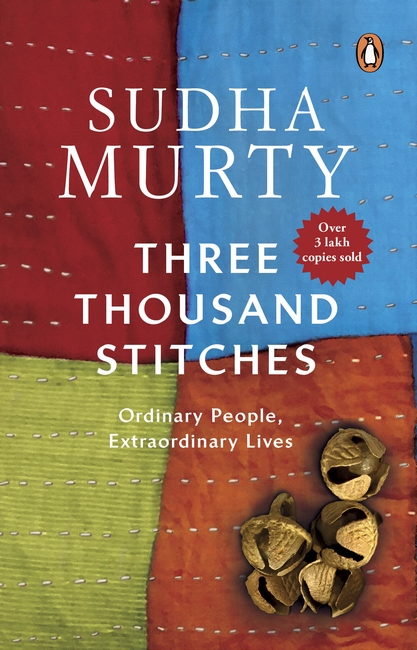
So often, it’s the simplest acts of courage that touch the lives of others. Sudha Murty-through the exceptional work of the Infosys Foundation as well as through her own youth, family life and travels-encounters many such stories . . . and she tells them here in her characteristically clear-eyed, warm-hearted way. She talks candidly about the meaningful impact of her work in the devadasi community, her trials and tribulations as the only female student in her engineering college and the unexpected and inspiring consequences of her father’s kindness. From the quiet joy of discovering the reach of Indian cinema and the origins of Indian vegetables to the shallowness of judging others based on appearances, these are everyday struggles and victories, large and small.
Unmasking both the beauty and ugliness of human nature, each of the real-life stories in this collection is reflective of a life lived with grace.
A must-read for children and everyone alike.
The Young and the Restless
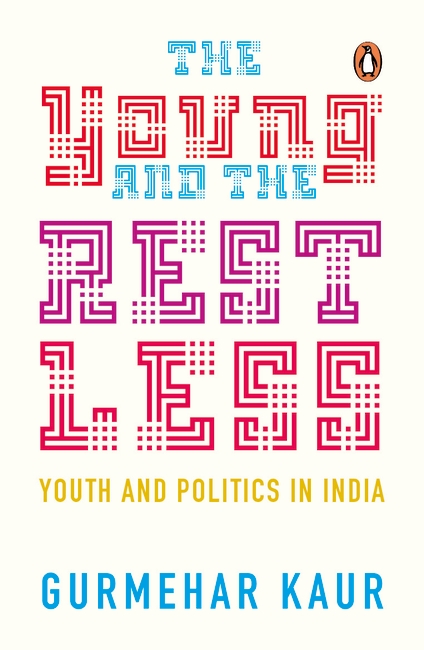
The 2014 Lok Sabha elections saw the involvement of India’s youth like never before. They were debating inside classrooms, sitting for dharnas on the street, having conversations in offices and on social media. The election in 2014 saw 150 million young voters—and the highest number of first-time voters in India.
And yet, the average age of our parliamentarians is sixty-three. Our leaders are almost four decades older than the average twenty-five-year-old.
In The Young and the Restless, Gurmehar Kaur, student activist and author of Small Acts of Freedom, follows the journeys of eight youth leaders, their aspirations for the country’s youth, their aspirations for themselves and, most importantly, their aspirations for the nation. She explores whether their politics only mimics that of the older party leaders or if they have the ideas, passion and motivation of the demographic they represent.
Siyasi Muslims
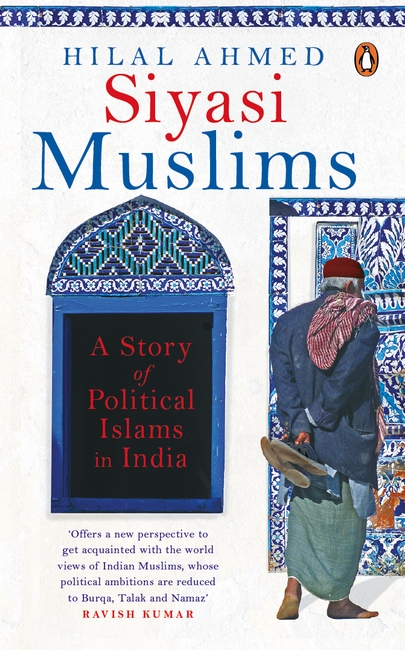
How do we make sense of the Muslims of India?
Do they form a political community?
Does the imagined conflict between Islam and modernity affect the Muslims’ political behaviour in this country?
Are Muslim religious institutions-mosques and madrasas-directly involved in politics?
Do they instruct the community to vote strategically in all elections?
What are ‘Muslim issues’?
Is it only about triple talaq?
Are Muslims truly nationalists? Or do they continue to remain just an ‘other’ in India?
While these questions intrigue us, we seldom debate to find pragmatic answers to these queries. Examining the everydayness of Muslims in contemporary India, Hilal Ahmed offers an evocative story of politics and Islam in India, which goes beyond the given narratives of Muslim victimhood and Islamic separation.
Queens of Crime
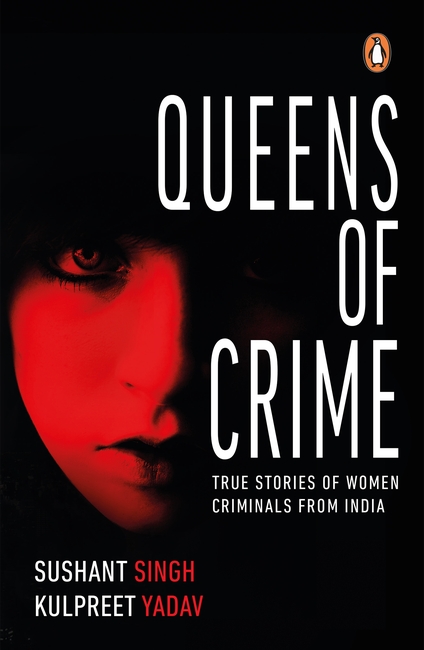
Dysfunctional families, sexual abuse, sheer greed and sometimes just a skewed moral compass. These are some of the triggers that drove the women captured in these pages to become lawbreakers.
Queens of Crime demonstrates a haunting criminal power that most people do not associate women with. The acts of depravity described in this book will jolt you to the core, ensuring you have sleepless nights for months.
Based on painstaking research, these are raw, violent and seemingly unbelievable but true rendition of India’s women criminals.
Sita
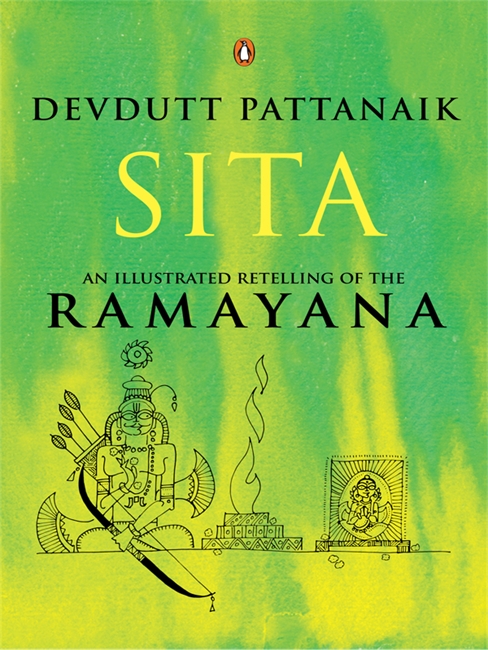
It is significant that the only character in Hindu mythology, a king at that, to be given the title of ekam-patni-vrata, devoted to a single wife, is associated with the most unjust act of abandoning her in the forest to protect family reputation. This seems a deliberate souring of the narrative, made even more complex by Ram’s refusal to remarry despite the pressure on royalty to produce an heir. The intention seems to be to provoke thought on notions of fidelity, property and self-image. And so mythologist and illustrator Devdutt Pattanaik narrates the Ramayan, drawing attention to the many oral, visual and written retellings composed in different times by different poets, each one trying to solve the puzzle in their own unique way. This book approaches Ram by speculating on Sita-her childhood with her father, Janak, who hosted sages mentioned in the Upanishads; her stay in the forest with her husband who had to be a celibate ascetic while she was in the prime of her youth; her interactions with the women of Lanka, recipes she exchanged, emotions they shared; her connection with the earth, her mother; her role as the Goddess, the untamed Kali as well as the demure Gauri, in transforming the stoic prince of Ayodhya into God.
The Ocean of Churn
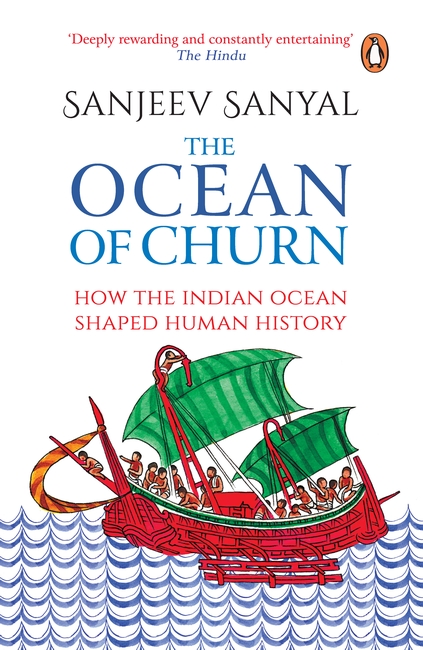
In this ambitious book, bestselling author Sanjeev Sanyal chronicles the grand sweep of history from East Africa to Australia, conjuring the great cities of Angkor and Vijayanagar, medieval Arab empires and Chinese ‘treasure fleets’ in rich, vivid detail. He explores remote archaeological sites, maritime trading networks and half-forgotten oral tales to challenge established historical narratives with fresh evidence. Shining new light on medieval geopolitics and long-lost cities, The Ocean of Churn is a mesmerizing journey into the heart of a vibrant civilization.