



Harsh Bhaskar didn’t come from a family where formal schooling was a given, but today he is the proud owner of Kota Tutorials, a coaching programme whose rigorous and comprehensive approach to education enables students to get into the most prestigious universities.
Bhaskar himself went to IIT Roorkee and hates the idea that somehow reservation equals a degree—it doesn’t matter in the examinations you must take, and Dalit students usually have to face discrimination in an IIT as their classes are held separately and their answer sheets marked far more rigorously. He refuses, however, to be defined by discriminatory ideas, and is focused on building an educational institution to rival any university—the first Dalit to do so. His real aim is to shape students into good human beings; jobs will follow naturally.
Read on about this fiercely unapologetic businessman whose no-nonsense attitude is building an empire of minds that can change the world.
Catagory: Non Fiction
non fiction main category
From Labourer to Millionare
Bhagwan Gai spent his formative years without schooling, as the child of wandering construction labourers. When he was older, his summer vacations were spent as a labourer, a carpenter or a mason. The two months wage would pay for his schooling, but in a competitive school of Brahmins, even being a good student didn’t count if you couldn’t be the best.
Although he wanted to study to be an engineer or doctor, he was itching to get a job to ensure his mother wouldn’t have to sell vegetables on the streets any more. Joining HPCL during a drive to recruit from the scheduled castes and tribes, he swiftly moved up the ranks until his promotions were consistently halted. While he fought a case on discrimination to open doors for other Dalits, he moved on to better things—a company in Dubai where he earned twenty times as much. He has never looked back since.Now he owns a company valued at Rs 100 crore and is on the board of more than ten companies in India and Abu Dhabi, and creates development and strengthening opportunities for other marginalized Dalits to break out of the system.
Find out how this extraordinary businessman escaped the confines of his caste to build an empire in this story.
Coal to Gold
When Savitaben started working, she had to face discrimination for being both a woman and a Dalit. But that didn’t stop her. From a small job carting half-burnt coal to brick kilns, she steadily built up her business to sell most of the coal that arrived at the Ahmedabad railway yard.
Though her business thrived she couldn’t move out of her Dalit chawl until a moment of luck gave her a home in an upper-caste neighbourhood. However, the residents did not want any Dalits in their colony, and in the throes of the anti-reservation protests of 1985, her house was burnt down. Shoved back into ‘her place’, Savitaben resolved to build her business into an unassailable force. With deft investments and an iron will, Savitaben’s business now has a turnover of Rs 50 crore, and the woman who once sold coal now sells gold.
Find out how Savita triumphed over a system designed to work against her in this story.
Little Master
When Malkit Chand was a child, he tore a one-rupee note into fifty pieces and religiously watered it every day, hoping it would grow into more.
The childish dream was abandoned but Malkit Chand’s determination to escape his caste’s poverty grew stronger. With an eye on building his own business, he gave up the idea of academia and resolved early to acquire the skills needed to produce clothing. But there were many barriers in his way, with suppliers selling to him at far higher rates, taking advantage of the fact that nobody would sell to a Dalit fairly. His revenge was cut-price ruthlessness, sacrificing his profit margin to sell the best products for the lowest prices in the market—caste discrimination vanished in the face of throwaway prices.
Today Malkit’s company earns millions and proudly bears the name of his sub-caste. Malkit now devotes his time to raising awareness and providing access to businesses for Dalits.
Beating the Boycott
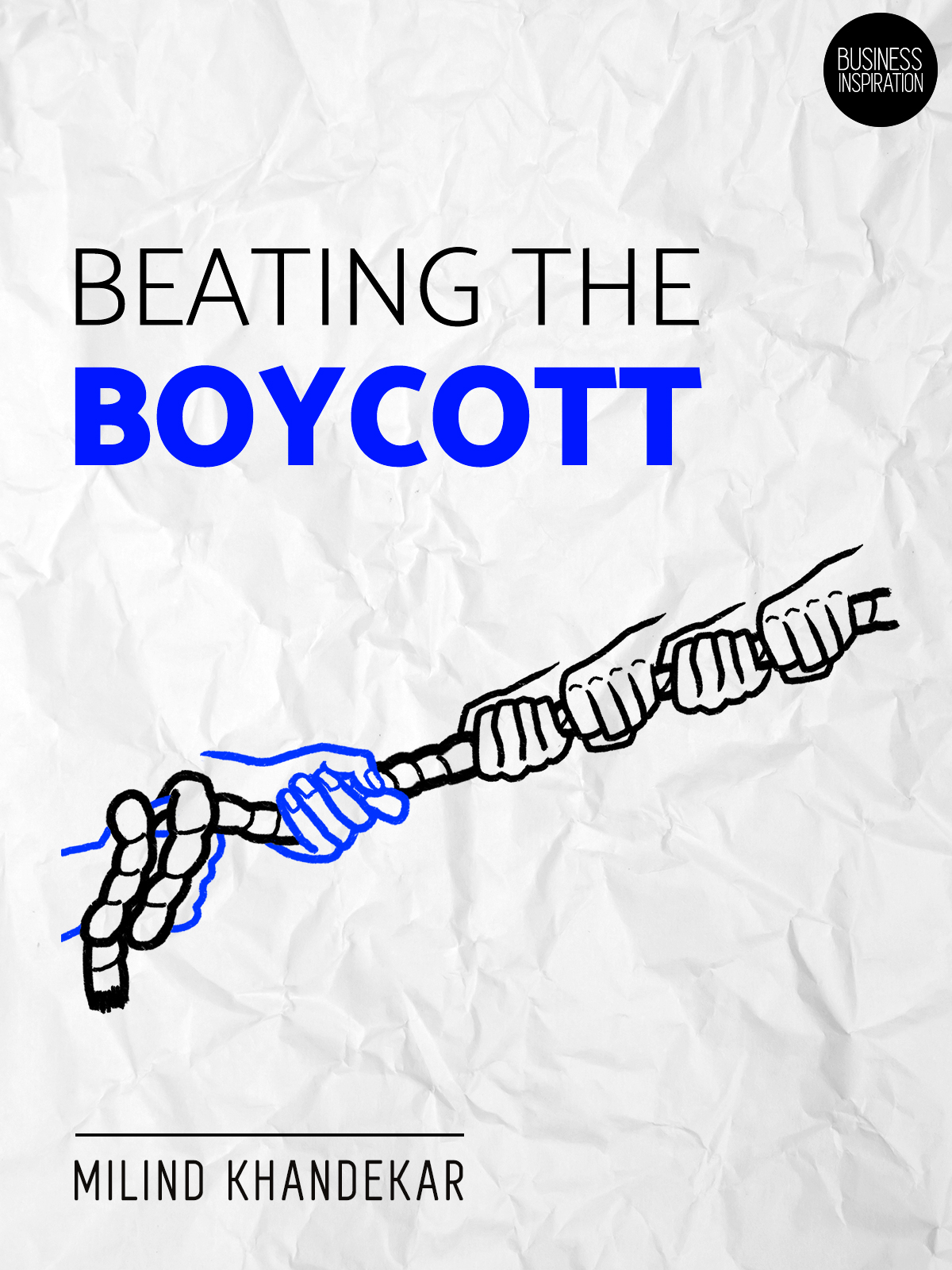
After two years of hard work, Ratilal Makwana was thrilled when the government offered him the job of running an Indian Petrochemicals Corporation Limited agency. However, his pleasure was short-lived, for on the day of the inauguration, everyone in the huge plastics industry boycotted him for his caste.
His business acumen and drive helped his business grow in leaps and bounds, yet when the markets opened, his was the only agency in the country to be shut down—he believes caste discrimination was at the root of it. Despite having the odds stacked against him, Ratilal went on to build a booming business, introducing stronger, cheaper, more durable material that forever changed the market.
Find out how he refused to back down in the face of opposition in this compelling story.
Unlimited Imagination
Kalpana began her first job being paid Rs 2 at a fabric factory. Now, she runs a business empire worth Rs 1000 crore.
Kalpana always wanted to study but girls were considered ‘poison pills’ that had to be sent away from the house as soon as possible. Surviving an abusive marriage only to return to a home which had no future to offer, she tried to kill herself. That became a turning point in her life, and brought with it a grit and resilience that could take on anything.
Working in a factory by day and stitching clothes by night, she made more money, but it was not enough to save her sister from an unnecessary death. Propelled by the urge to never suffer the indignities of poverty again, Kalpana fought against the underworld, upper-caste men who refused to sell land to Dalits, and all the consequences of being a woman in a man’s world to build a business empire nobody can touch.
Find out how she did it in this story of ruthless determination.
The Giving Tree
‘Till the palaash tree has leaves, don’t think of yourself as poor.’
This was the motto of Ashok Khade’s father. It was a tough one to remember when a single mistake Ashok made—a stumble that spilled a pack of flour—meant that his family would go hungry. The crippling famine of 1975 forced Ashok to give up his college education to keep his family afloat. From his dreams of becoming a doctor he was forced to face reality as a welding apprentice on a ship dockyard. But that did not stop him.
Through hard work, strategic thinking and enormous courage, Ashok built his own company from scratch, DAS Offshore. He called himself K. Ashok so that his caste would not define his success, and fought to make his company one of the most respected and upstanding in its field—and in the process became a Dalit Millionaire.
Read on to find out how he did it.
Susanthika
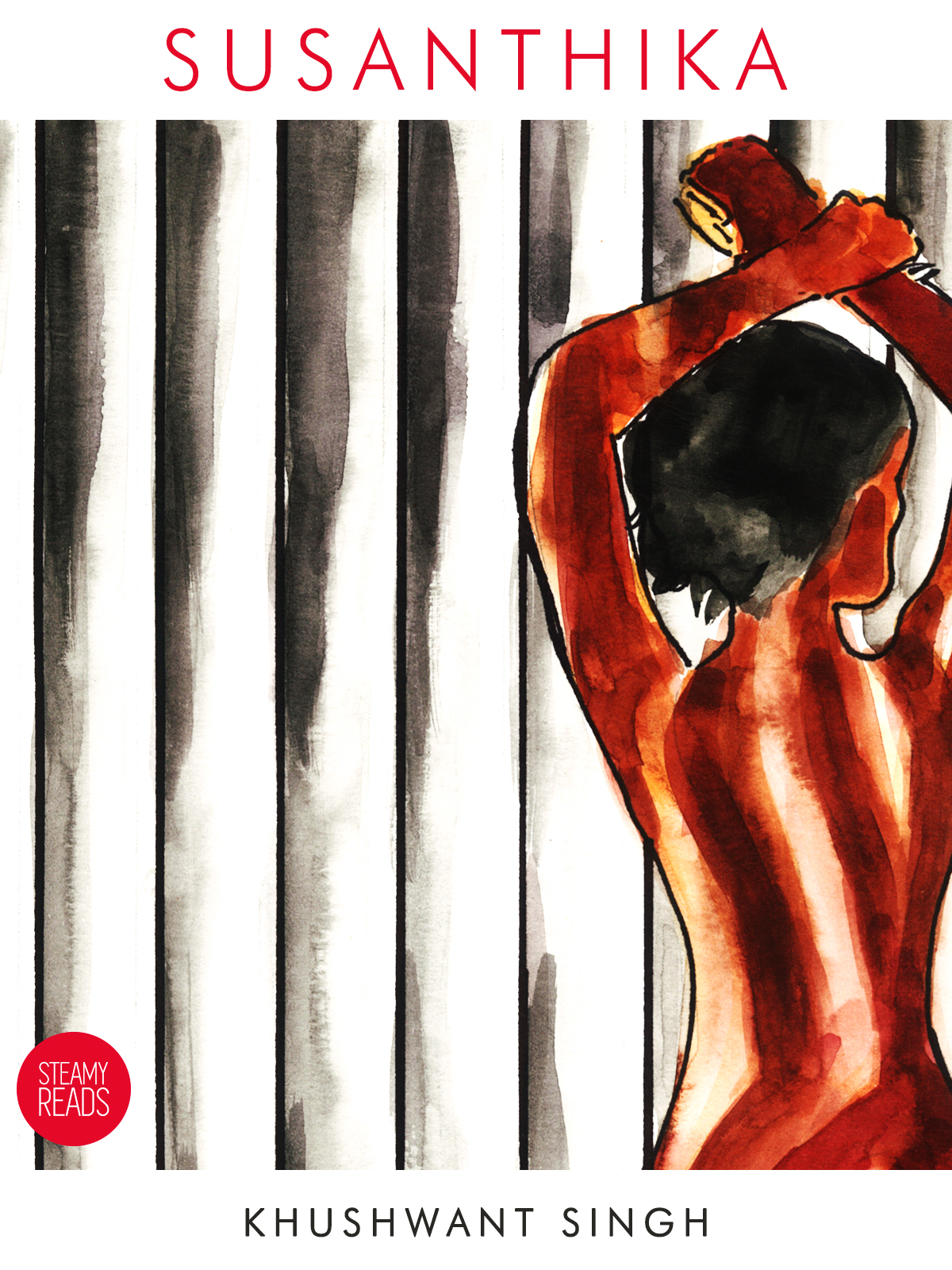
‘I turned around to see how Sue was getting along. She had put on her petticoat and had a towel round her shoulders, covering her breasts. Clearly she had got bolder and taken her bra off before the dip. With a second towel she was rubbing herself between her legs.’
When Mohan, the born-again bachelor, takes his yearly trip to Haridwar, he gallantly offers Susanthika the opportunity to join him. With the best intentions, they leave together, only to find that in the spiritual confines of the River Ganga, they crave a more earthy connection. Will Mohan bring back the joy to the sexy Sri Lankan woman’s bed? Can she pleasure a man of such vast tastes? Can they keep away from each other when they return to their judgmental home city—or will their passion stay secret?
Khushwant Singh brings to life the illicit delights of forbidden passion in this short, sexy story.
Molly Gomes

‘She nibbled the lobes of my ears, pressed her thumbs into the back of my shoulders, ran her
fingers over my belly, middle, thighs and shins, down to my feet. She rubbed my toes and my insteps. Not a part of my body did she leave untouched.’
When recently divorced Mohan puts out an ad in the papers for a companion, he’s looking for someone playful, joyous, without the strings of relationships, and someone who knows how to have a good time. Molly Gomes, Goan masseuse, fits the bill perfectly. Bursting with laughter and with skillful hands, Molly brings light and life back into Mohan’s home and bed. What secret tips and tricks can a professional masseuse show Mohan, who’s seen the world? Can Mohan blow the mind of a woman who knows exactly how to blow his? And how far can two bodies be pushed in the pursuit of pleasure?
Khushwant Singh glories in the passions of the human heart in this short, sexy story.
Mary Joseph
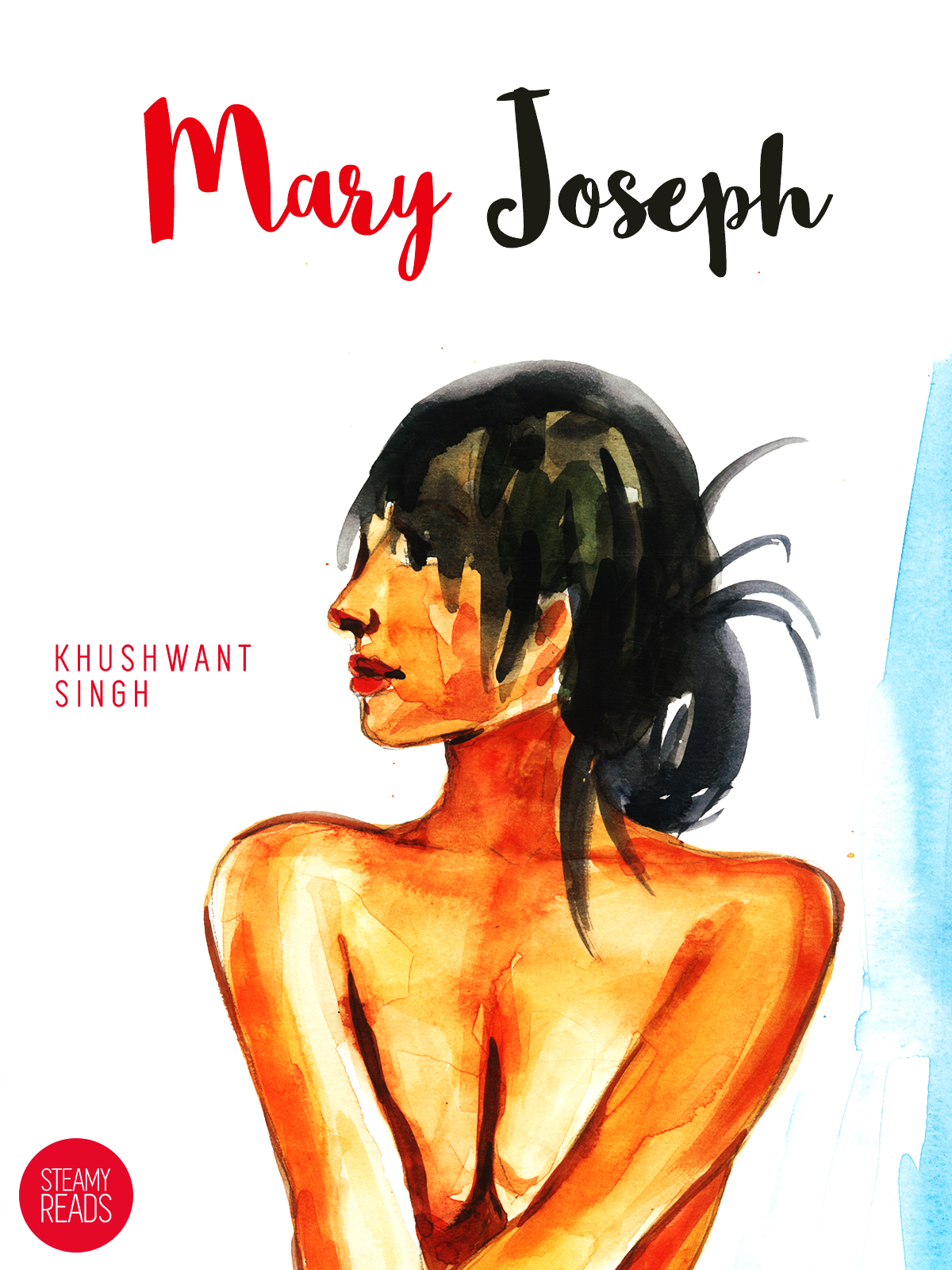
‘First she took off her gold necklace, kissed the cross and laid it reverently on the table. Then she took off her sari, folded it and put it on a chair. She took off her blouse; her breasts tumbled out.’
When Mohan’s wife returns from giving birth to their first child, she wants to have nothing to do with Mohan. Starved for sex for six months, Mohan’s morals become less important than his needs. And what he needs is to feel wanted, as a man; a willing woman to find pleasure with. Mary Joseph is his baby’s Roman Catholic Tamilian wet nurse—a happy, full-bodied woman who has one motto—‘Only one life to live, Saar’. Will Mohan find what he’s looking for in Mary’s ample affections? And what will Mary do to keep her Saar happy, and keep him wanting more?
Khushwant Singh writes a deliciously torrid affair of two people who delight in the desires of the flesh in this sexy story.