



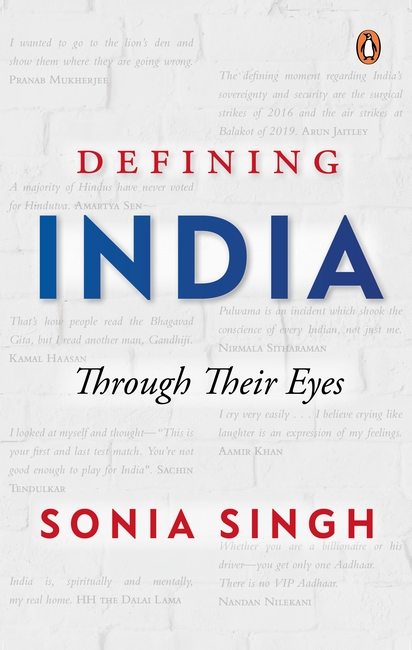
From Amartya Sen to Aamir Khan, Raghuram Rajan, Sachin Tendulkar, His Holiness the Dalai Lama, Pranab Mukherjee, Arun Jaitley, Nirmala Sitharaman and Sania Mirza among others, in this book eminent journalist Sonia Singh opens a window to the myriad worlds of these stalwarts, who share their idea of India in freewheeling conversations. Chatty, candid and amazingly gripping these 15 interviews uncover the pivotal moments in their lives that have become defining moments in the history of the nation.
Catagory: Non Fiction
non fiction main category
The Inheritors
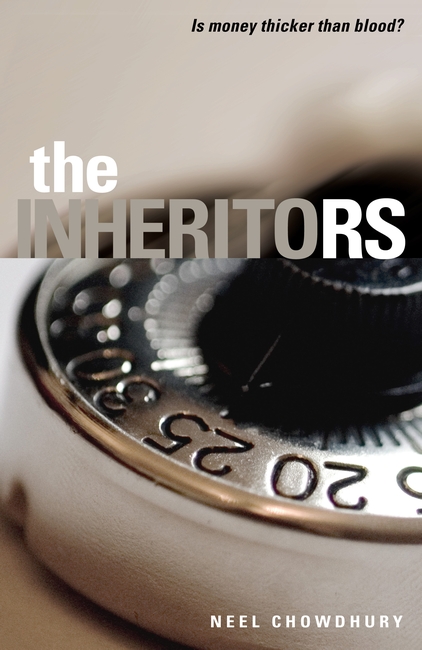
Why did Harsh Mariwala leave his family business?
Why did the Burman family quit the day-to-day operations of Dabur?
How did the Dhingras turn a collapsing business into India’s second-largest paint company?
The Inheritors offers a fascinating behind-the-scenes look at what goes on in Marico, Dabur, Keventers, Berger Paints, Select Group, Antara, Cyril Amarchand Mangaldas, Luxor and Motilal Oswal. The book focuses on culture, family politics, ego battles, business rivalries and a lot more. And then, of course, there are the inheritors themselves-some take the businesses to even greater heights while others lead them to doom.
The Deadly Dozen
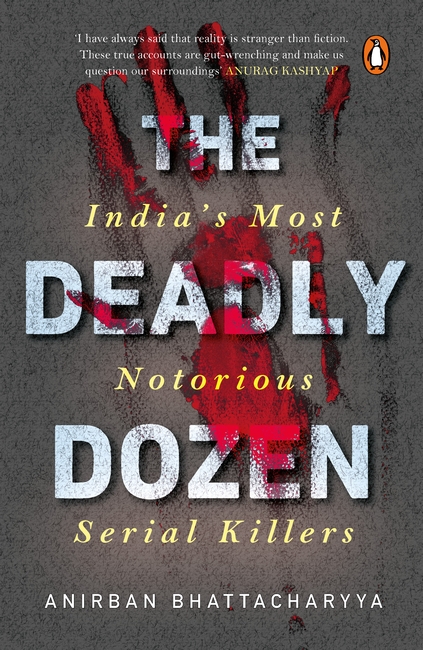
A schoolteacher who killed multiple paramours with cyanide; a mother who trained her daughters to kill children; a thug from the 1800s who slaughtered more than 900 people, a manservant who killed girls and devoured their body parts.
If you thought serial killers was a Western phenomenon, think again!
These bone-chilling stories in The Deadly Dozen will take you into the hearts and heads of India’s most devious murderers and schemers, exploring what made them kill and why?
Super Century
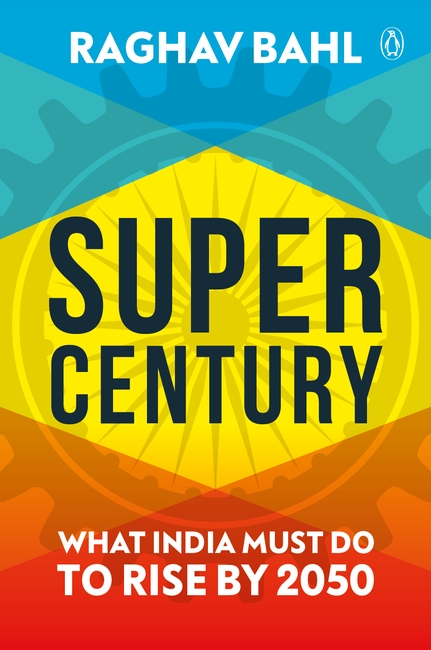
What is it about the Indian psyche that makes us so incapable of fulfilling our promise as a nation? Why are we so averse to risk, resigned to mediocrity and mired in a collective lack of confidence? India has so much potential but seems forever stuck on the brink of actualization, unable to muster the political will and geo-economic force to clear the final bar. The stakes are higher than ever, and India’s moment is now.
But where should we turn first-to our troubles at home, or to the global challenges of terrorism, tyranny, ethnic conflict, mass migration, civil war and climate change? The fact is, India’s foreign and domestic agendas are inextricably intertwined, and neither can advance without the other. They must be addressed simultaneously if we are to thrive as a nation; the world is moving too fast to allow us to deal with one set of problems before moving on to the next. We simply don’t have that kind of time. In Super Century, Raghav Bahl offers a cogent and candid assessment of how we got where we are and a clear blueprint of what we need to do, both at home and in the world, to fulfil our promise going forward.
On Meditation

In today’s challenging and busy world, don’t you wish you knew how to quieten your mind and focus on yourself? In On Meditation, renowned spiritual leader, Sri M, answers all your questions on the practice and benefits of meditation. With his knowledge of all the various schools of practice and the ancient texts, he breaks down the complicated practice into a simple and easy method that any working man or woman, young or old, can practise in their everyday lives.
All You Need to Know About Parenting

As parents, we all face fear and doubt about bringing up children. It helps to have a guide who can prepare and take us through every single aspect of the formative years. You can rely on All You Need to Know about Parenting to be your guide, best friend and window into this world, knowing you’re not the only one who’s on this incredibly difficult but also rewarding journey. From the day you step into the hospital and welcome your baby to the time they become toddlers, this book will help you develop your parenting instinct.
With practical, handy tips on topics such as introducing a sleep schedule, travelling with a child, weaning and advice on raising two children together, this book will see you through every sleepless night and temper tantrum.
Mahadev
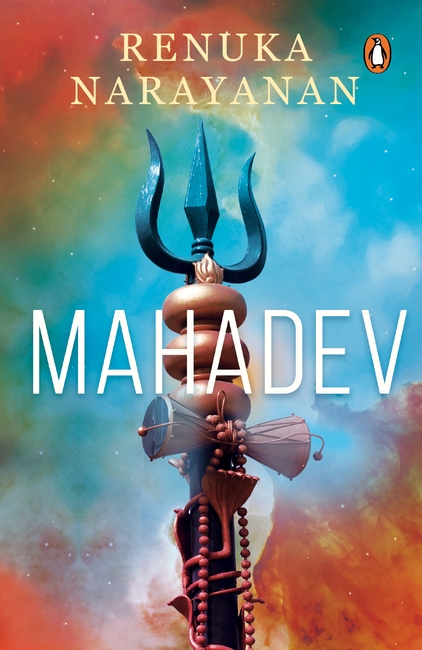
A little girl asks who Shiva is and it is the beginning of a family journey through stories and incidents across the expanse of Shivbhumi-all the way from the mystical Mount Kailash to the fabled Ocean of Milk and the netherworld.
Story after story from across India takes us closer to this elusive but much-loved god of gods, the Mahadev-his avatars and his lilas; his drinking the Kalakuta poison to save the world and his grief at the passing of Sati; his restoration as a householder and his eternal identity as the Mahayogi; his temples and their history; and his quirky, tender and wholly unpredictable involvement with the mortals who love him.
Writing in the Harikatha style of traditional storytelling, Renuka Narayanan builds a unique narrative to draw the reader into the loving, giving world of Mahadev.
Nitish Kumar And The Rise Of Bihar
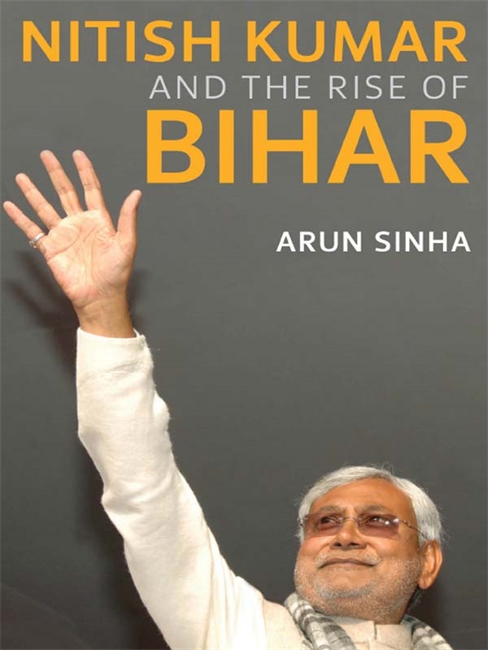
The conventional wisdom in Bihar’s political circles was that development did not win votes. Nitish Kumar challenged that assumption and changed the face of the state. Born into a humble family in Bakhtiyarpur; Nitish joined the Lohiaite Socialist Party and built his constituency; literally day by day; forgoing a stable job to travel to distant villages; suffering both financial hardship and ridicule for the eight years it took him to win people’s confidence.
Veteran journalist Arun Sinha tells the story of Nitish Kumar’s rise against the larger canvas of social and political upheaval in Bihar; exploring the emergent desire for equality that drove progressive movements from late 1960s onwards and brought about a regime change by the 1990s. After an initial association with Lalu Prasad Yadav; Nitish Kumar rejected identity politics; recognizing that Bihar had to transcend caste if it was to grow.
Nitish Kumar and the Rise of Bihar is a clear-sighted study of Indian electoral politics that unfolds with the pace of a political drama; offering hard facts and an incisive analysis of the state’s turbulent trajectory. Sinha steers the narrative deftly through the complex groupings of Bihar’s political arena to reveal Nitish Kumar’s acumen in bringing law and order; roads; education and health to the fore of governance. From feudal politics to caste identities; and finally to development—Bihar could prove to be the model for India’s post-Independence journey.
Regret
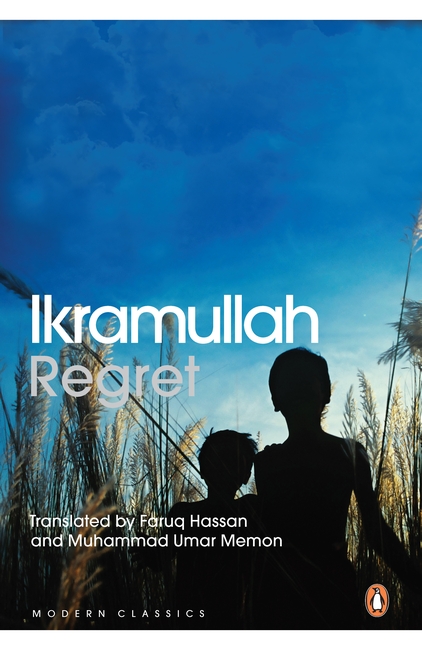
‘A restlessness to express the possibilities of fictional dimensions lies at the root of Ikramullah’s versatility’—M. Salim-ur-Rahman, Friday Times
Regret brilliantly recreates a childhood shattered by the Partition of India in 1947. Two lifelong friends, Ehsan and Saeed, reminisce about idyllic summer days spent bunking school, swimming in the canal and relishing the thrills of first love-before the division of the subcontinent changed things forever. Out of Sight recounts the story of Ismail, who narrowly escaped the carnage of 1947 in his youth. Now, looking back on his life and despairing of the sudden resurgence of sectarian violence in Pakistan, Ismail resolves to protect those closest to him.
Deeply moving, Ikramullah’s two novellas skilfully evoke the long shadow cast by the violence of Partition.
Shoot. Dive. Fly.
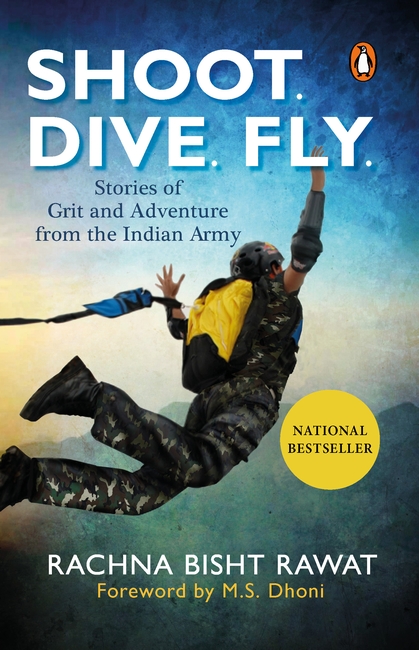
Learn all about an exceptional way of life
The book aims to introduce teenagers to the armed forces, unveiling both the perils-the rigours and the challenges-and the perks-the thrill and the adventure-of a career in uniform. Ballroom dancing, flying fighter planes, detonating bombs, skinning and eating snakes in times of dire need and everything else in between-there’s nothing our officers can’t do!
Read twenty-one nail-biting stories of daring. Hear from some amazing men and women about what the forces have taught them-and decide if the olive-green uniform is what you want to wear too.