



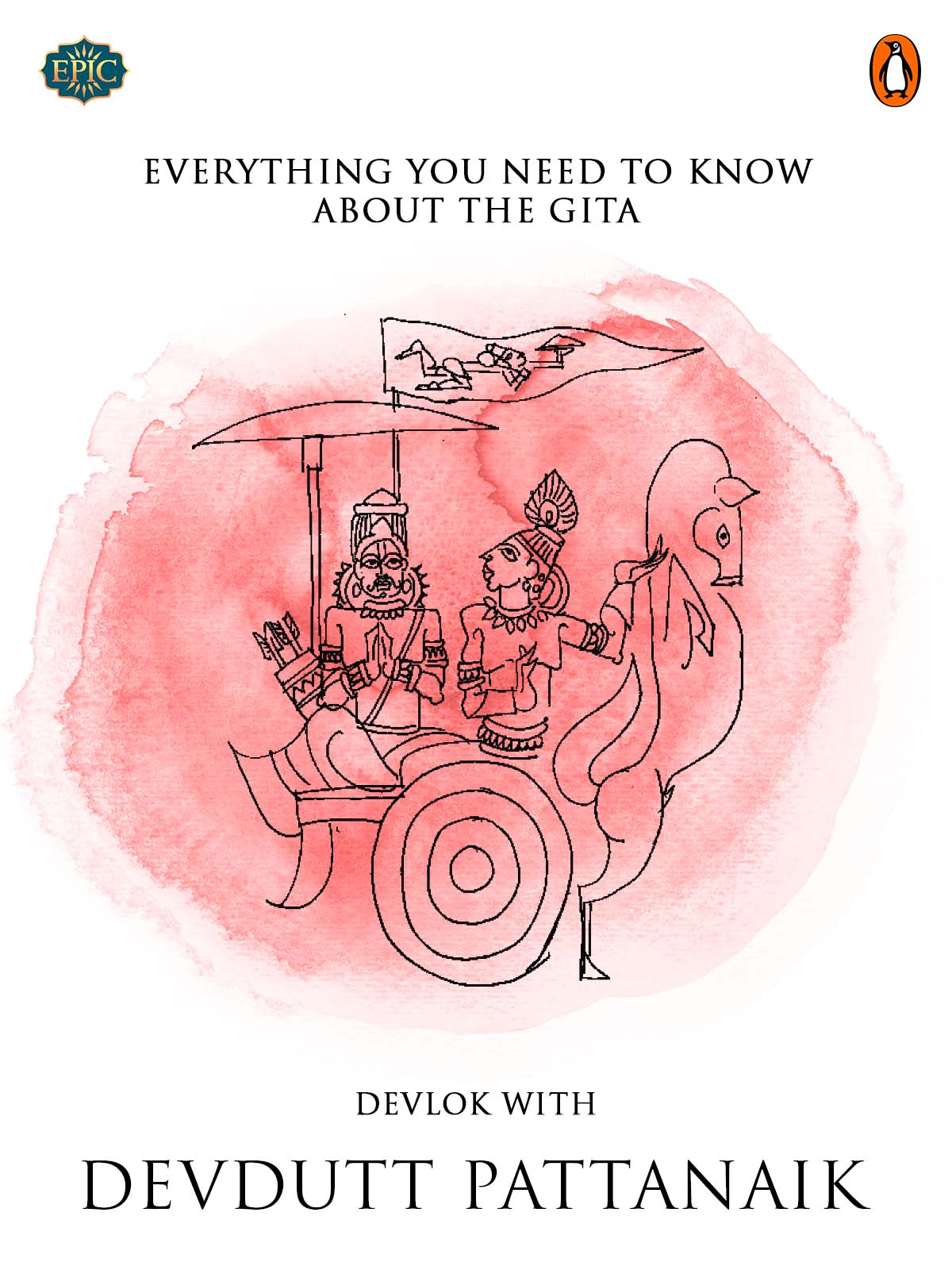
How did the Gita become the most important granth of the Hindu tradition? How old is it in our culture? What role did the British play in making it famous and why? What is the essence of the Gita?
Devdutt encapsulates the meaning of one of Hinduism’s greatest texts in an accessible, understandable and profoundly compassionate way. He brings to life the ageless comfort of Krishna’s sayings: whatever is meant to happen will happen. Don’t expect to be perfect. You cannot blame anyone else for what will happen to you. He showcases the wisdom of the ages with beautiful simplicity and emotional grace. Find out more about this exquisite text in this short, sweet read from Devlok.
Catagory: Non Fiction
non fiction main category
Why Is The Ganga Holy?
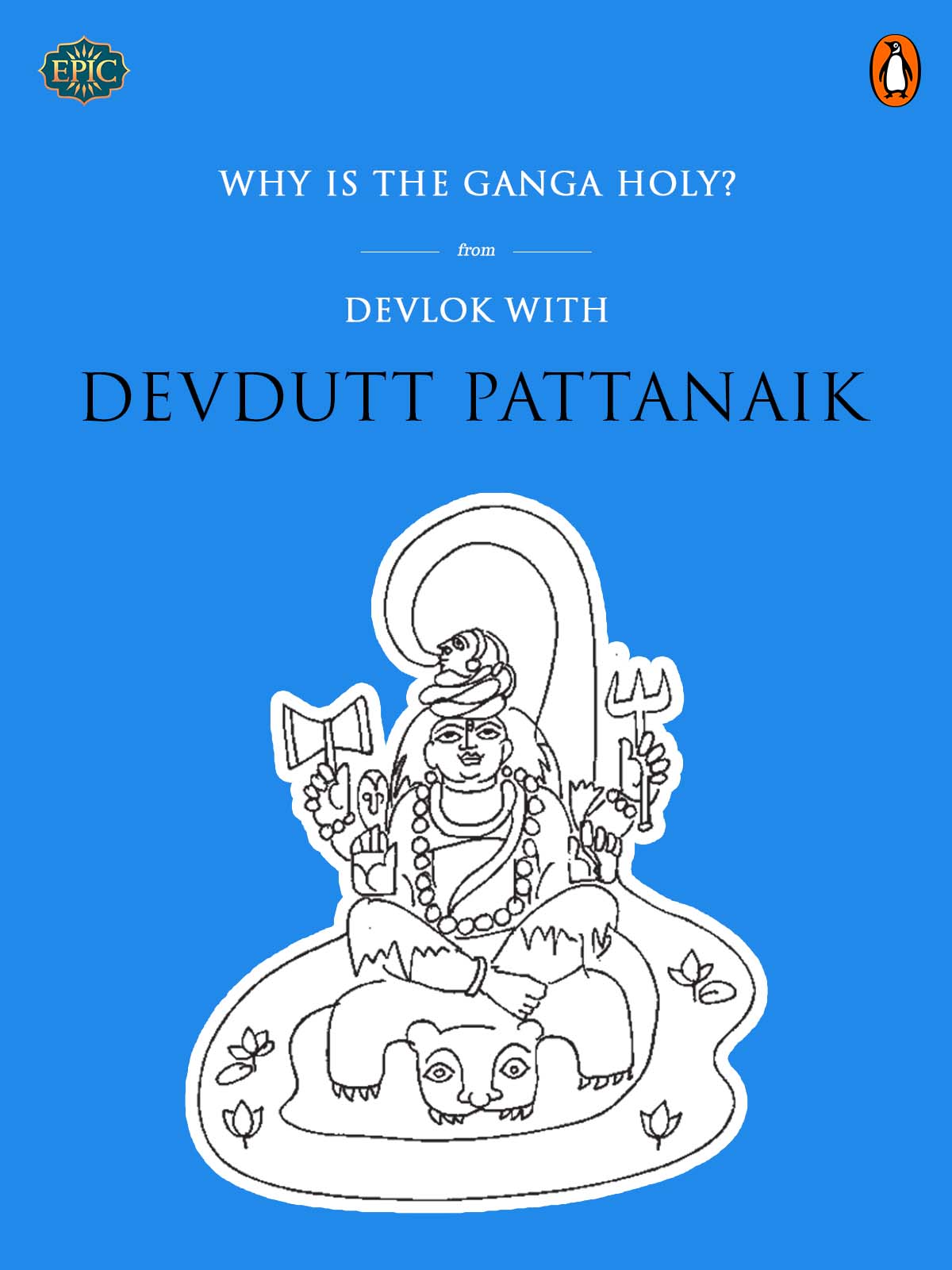
The Ganga is described as a very beautiful woman—voluptuous and fecund—carrying a water pot in her hand and travels on a Makara, a creature with the tail of a fish and the head of an elephant. Does the Ganga flow from Shiva’s hair? Does she rise from Vishnu’s feet? Is she the wife of Shiva or of Vishnu? As the daughter of water, can a river ever have a lord, and be controlled?
Devdutt dips into the world of the Goddess Ganga, bringing to life the reasons why we revere this river and depend on her for the cycle of rebirth and freedom. Dive into the nuanced humanity of this delightful goddess in this short, sweet read from Devlok.
Weapons of the Gods
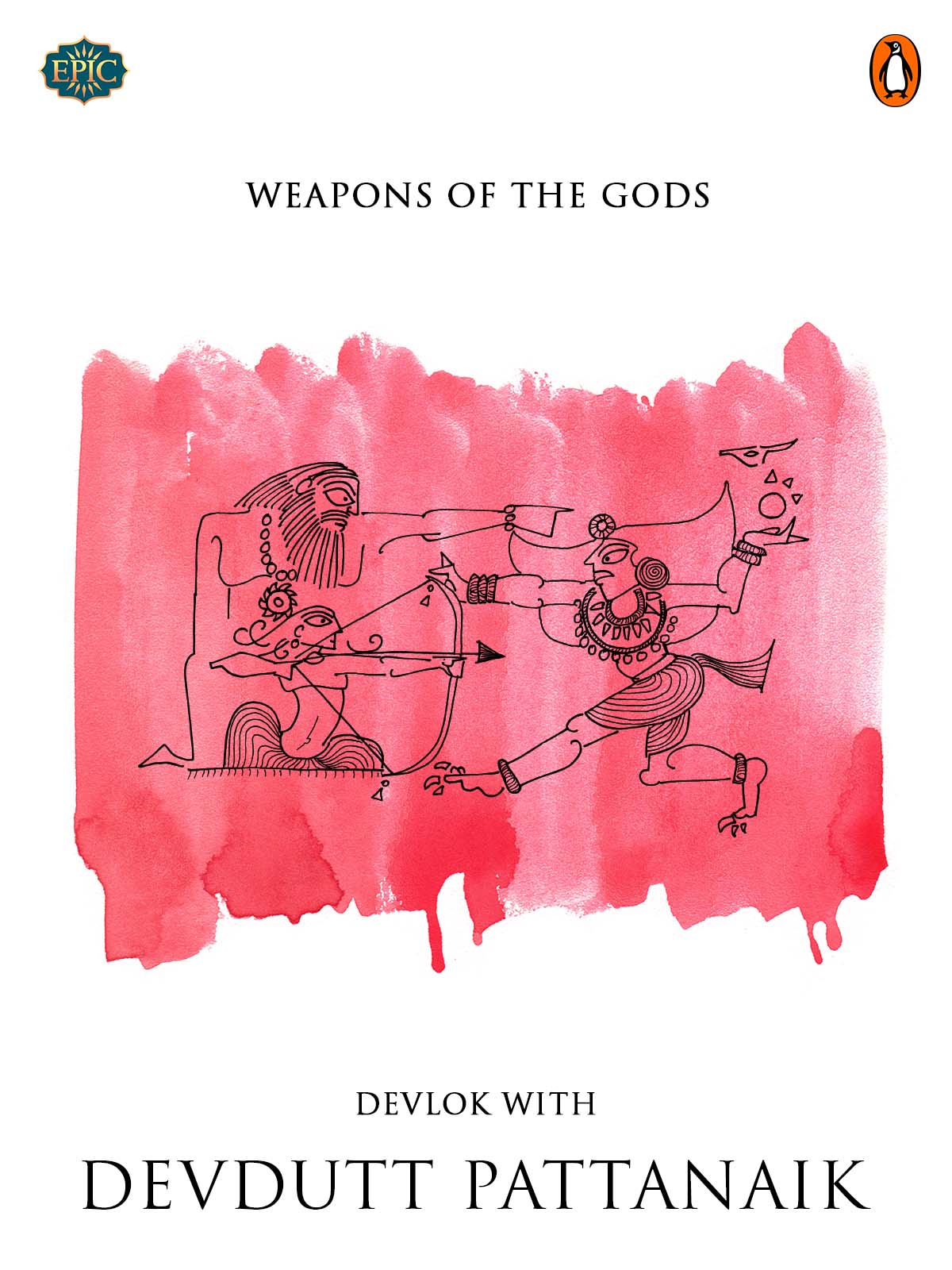
We are told to follow the path of ahimsa (non-violence), but our devis and devatas are always ready for war. What is the reason for this? How does Shiva hold space and time in the same hands in which he holds his bow Pinak? Who made all these weapons? And what do our scriptures say about using weapons for mass destruction?
Devdutt explores the dramatic, fantastic weapons of the gods. From Indra’s Vajra made of bones of a sage, to the bow of Kama, made of sugarcane, butterflies and bees with flowers for arrows, read all about the intricacies of ancient weaponry and their symbolic meaning in this short, sweet read from Devlok.
Ganesha
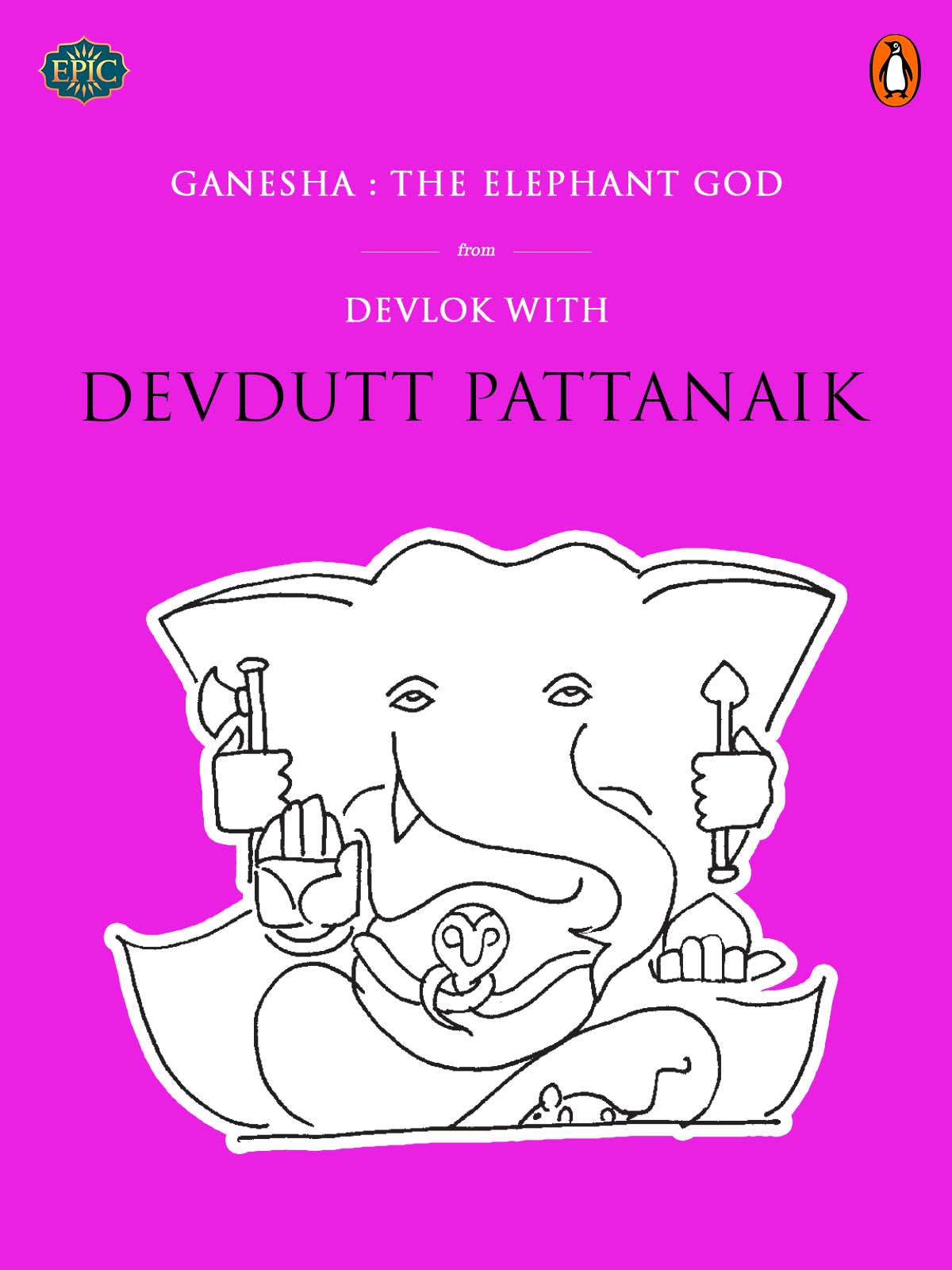
Why is Ganesha such a popular god despite being only 1500 years old? Did you know he is the god associated with the maxmimum number of symbols? Why is his vehicle a rat? Why does he carry an axe?
Because of Ganesha, the terrifying Kali becomes the maternal Gauri, and the sanyasi Shiav becomes a father and householder – Ganesha is the god of domestic life. His devotees can represent him as they wish – these days his potbelly has been replaced with six-pack abs! Ganpati’s own history, his changing roles, indicate how Indian society has changed over time – in Mumbai, Ganpati has taken on a form which didn’t exist 100 years ago! Find out more about this beloved god of good luck and auspiciousness this festive season in this short, sweet read from Devlok.
Yama
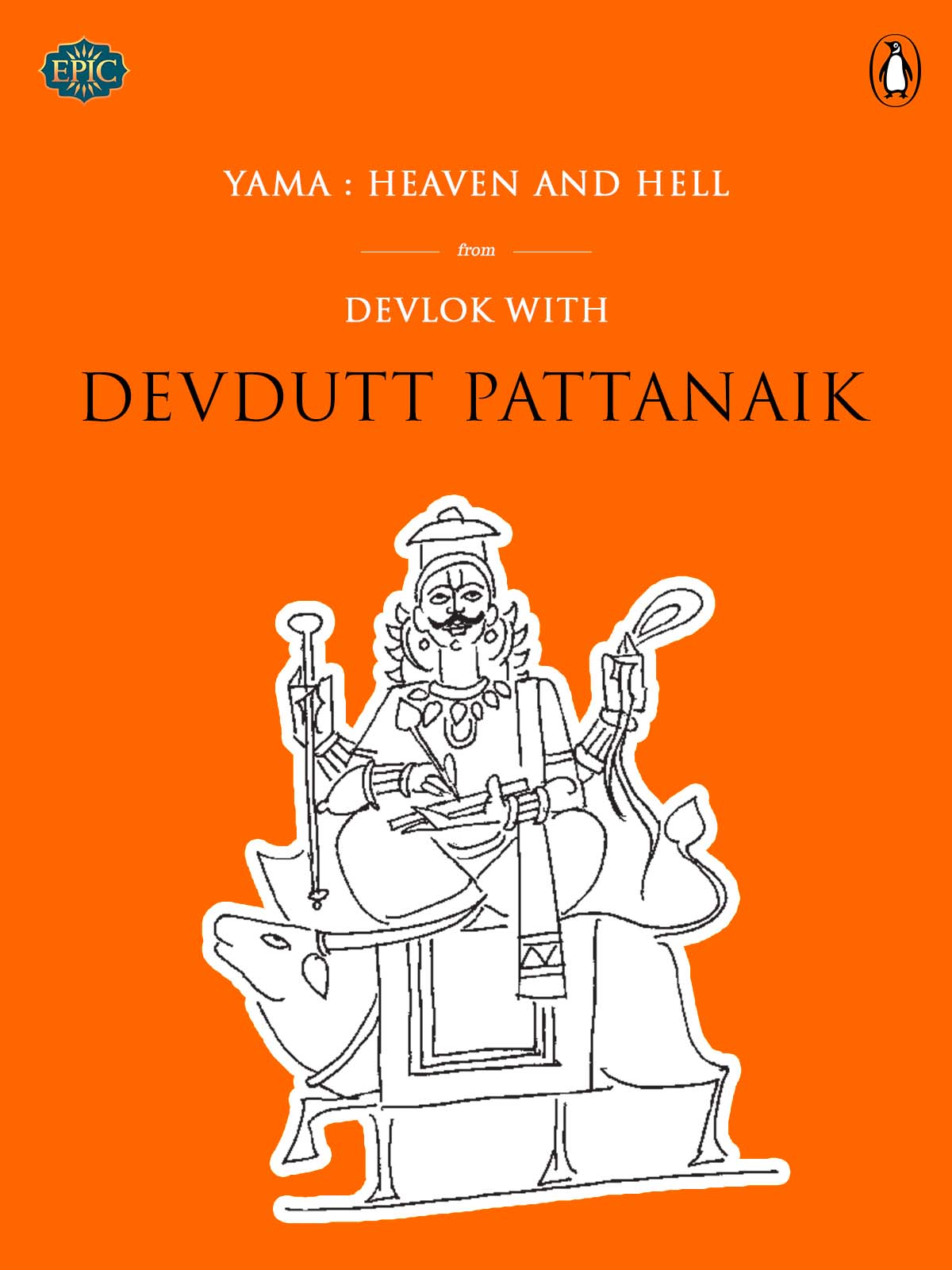
Do you know you have to go through 84 lakh births before you can be born into human form? Or that Yama is trapped in Naraka because he was the first human? Not everyone goes to the same Swarga or Naraka—do these places have VIP sections that can be reserved? And why did the Kauravas go to Swarga while the Pandavas were stuck in hell? The question of what happens after death is one that has plagued humanity since the beginning of time, and it reaches its symbolic peak in the complex cyclical Hindu tradition. Devdutt deftly unpacks our traditional narratives to uncover the deeper meanings behind well-worn stories. Find out what happens after death in this short, sweet read from Devlok.
A Boon and a Curse
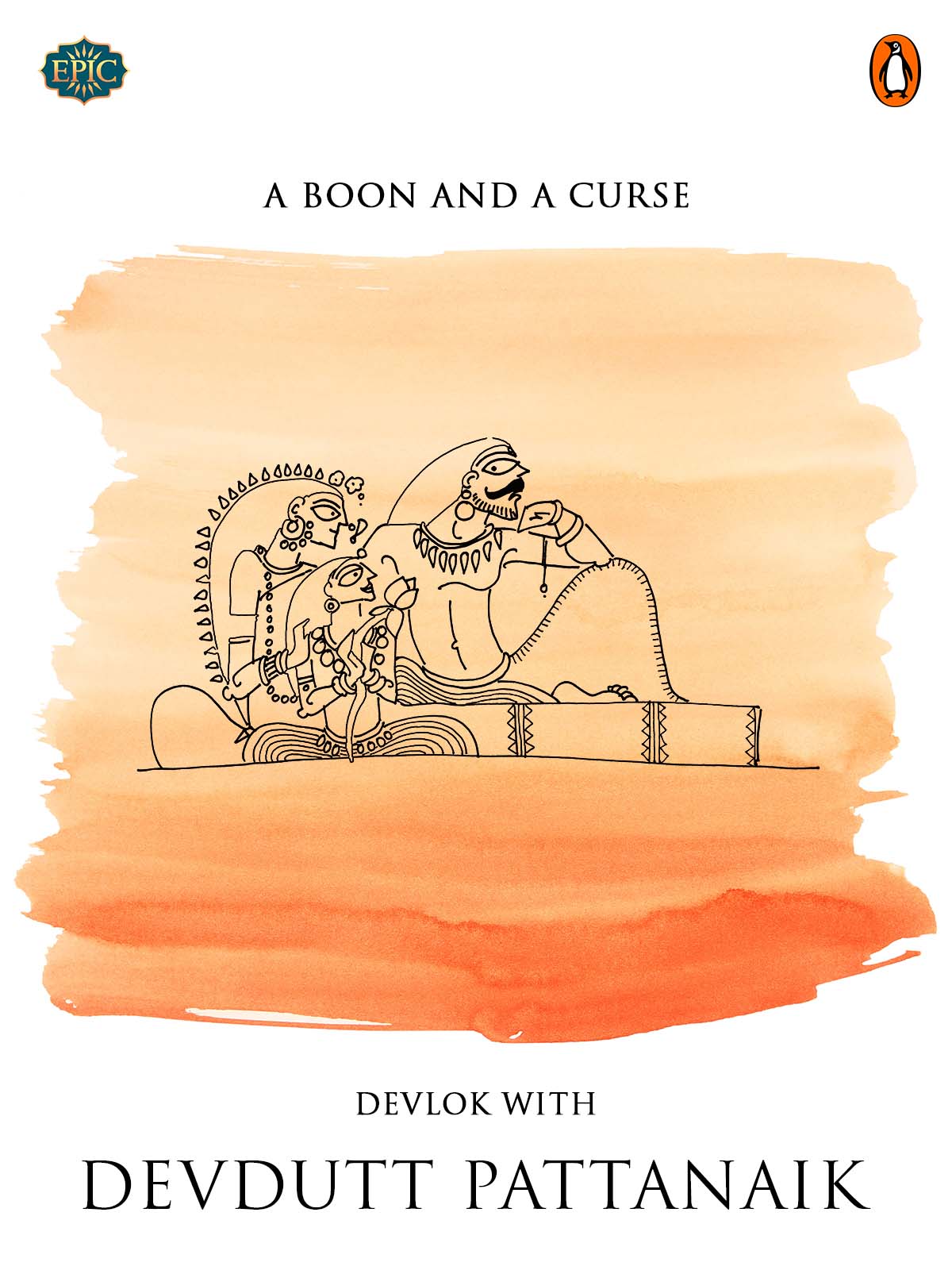
Every karma is a seed and every action has a reaction – and sometimes, a boon or a curse. Can an action ever be completely bad or good? Why do rishis curse so much?
Can the gods be cursed? Which is the most intelligent curse? Are there only two choices? Or can there be a point between good and bad, vardaan and shraap, punya and paap. Once a curse or boon has been offered, can it ever be taken back? Filled with stories of famous curses and amusing anecdotes, this explores the notion of being a good person, but also deciding the goodness or lack thereof in another. Find out about the many facets of karma and ethics in this short, sweet read from Devlok.
The Colour Divine
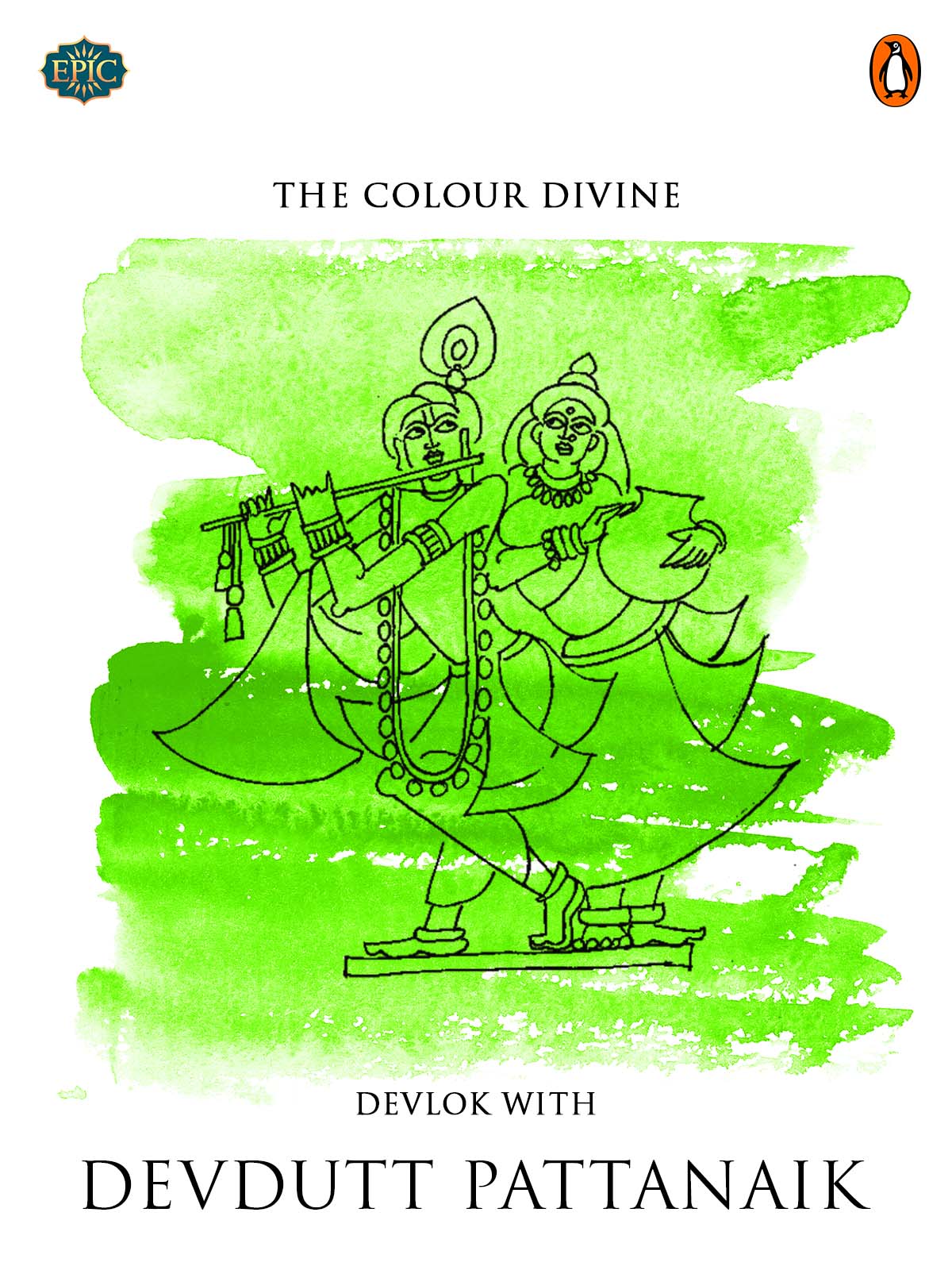
The Indian tradition of colour has two branches–the vairagya (the ascetic) which keeps things simple, and the grihastha (the householder) which features a riot of colours to rival the rainbow. Colours signify well-being, prosperity and good luck. Perhaps that’s why Indian gods are steeped in a tradition of colour symbolism.
Why is Krishna as blue as the sky, and Shiva the grey of ashes? Why do Laxmi and Durga wear bold red saris while Saraswati wears white? Why is black considered inauspicious by some, but the colour of Kali Ma? Walk through the many shades of meaning in this short, sweet read from Devlok.
What Came First
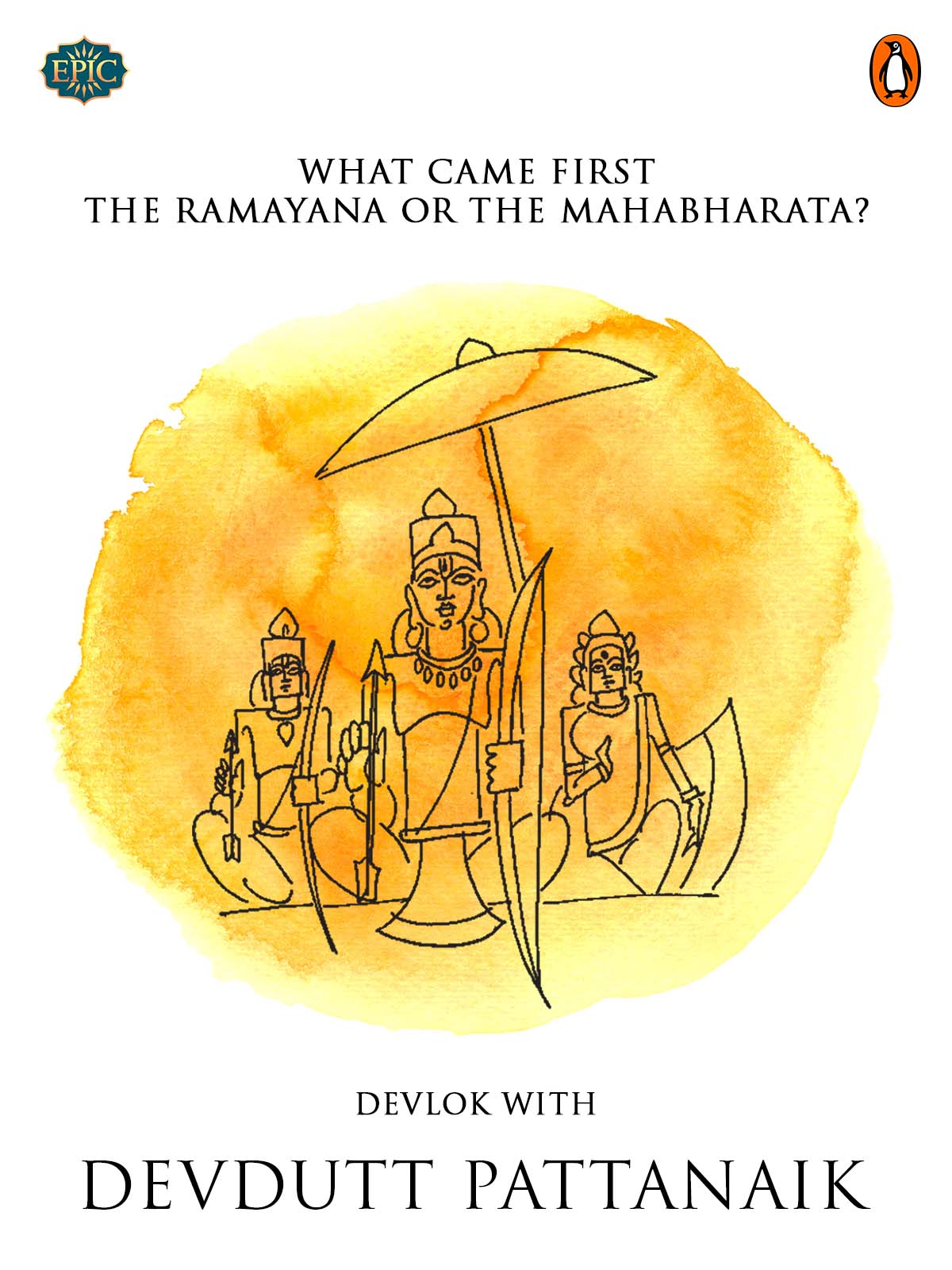
Itihas means this is how it was, this is how it is, and this is how it will continue to be. It means history, but it also means timeless. The Ramayana and the Mahabharata form a rich tapestry of Indian itihas.
Which came first–the Ramayana or the Mahabharata? Are they actually historical events? Which one has Krishna’s raas-leela? Where is Shiva in this? What about the Devi? India’s favourite mythologist Devdutt Pattanaik tells you everything you didn’t know about our myths–a story born 2000 years ago teaching us the ageless tale of how to live in grace. Did you know the Laxman-rekha didn’t exist in the original Ramayana? Or that Radha is never mentioned in the original Krishna story? Perfect for this festive season, find out all this and more in this short, sweet read from Devlok.
Love in the Sky

The colours on your two wings are not the same . . . one’s a brilliant yellow and the other is just the shade of ripe jamun berries I so love! May I call you Jamuni? You are so pretty!’ And every time she would flutter her wings and fly away in one smooth move.’
Ghuggu is a crow, and Jamuni the one he loves – a love of of bright yellow and purple, who comes out every afternoon to fly in the sky, silent and lovely. Ghuggu falls in love with her, not knowing why she will never speak back to him, not knowing why she will never fly to him. He sees one day that she is tied to her owner with a thread, a sharp thread that can cut, and he mourns for her freedom. One day, a storm brews, and when the Jamuni comes out, the crow runs to her to protect her – but can he protect himself? Gulzar perfectly captures the sweetness of love in this charming, delightfully silly story of love.
Half A Rupee
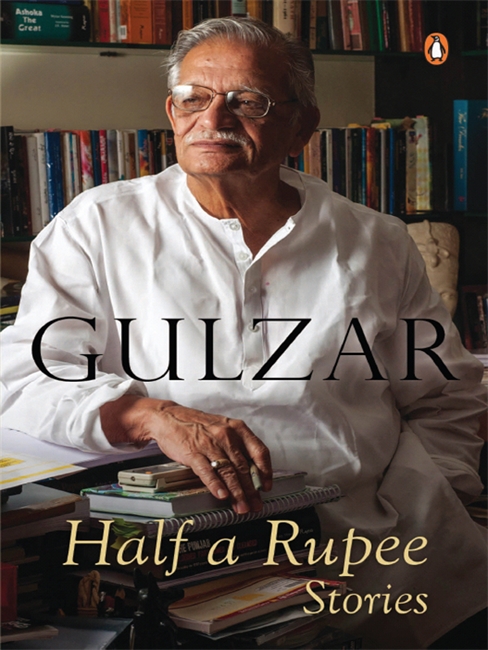
A fascinating short story from the inimitable Gulzar
Gulzar is one of India’s most renowned poets and lyricists. This e-single sees him turning his hand to another creative form at which he is equally adept – short-form prose narrative.
This story is taken from Gulzar’s new collection Half a Rupee: Stories, which comprises twenty-five gripping tales available in English for the very first time. From real-life stories about well-known personalities to tales set in Kashmir, in the hinterland, in the modern megalopolis and on the LoC, from anecdotes of love and betrayal to fables of courage and conviction, these are enthralling stories told in Gulzar’s unique style; each story will delight you.