



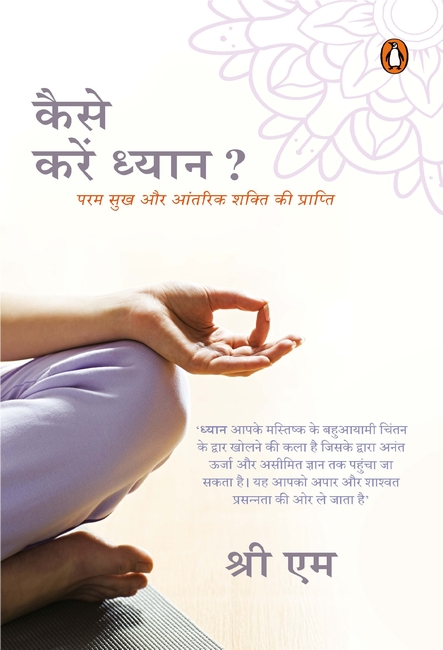
In today’s challenging and busy world, don’t you wish you knew how to quieten your mind and focus on yourself?
In On Meditation, renowned spiritual leader, Sri M, answers all your questions on the practice and benefits of meditation. With his knowledge of all the various schools of practice and the ancient texts, he breaks down the complicated practice into a simple and easy method that any working man or woman, young or old, can practice in their everyday lives.
Catagory: Non Fiction
non fiction main category
Roots to Radiance

Do you wish you looked perfect, but don’t have the time or money for expensive treatments? Look no further than Roots to Radiance-your self-care bible to good skin, hair, teeth, nails, etc., and, most importantly, good health.
In Roots to Radiance, you will find 500+ tips and tricks that will help you stay in your ‘A game’. By using its easy-to-make solutions drawn from traditional Indian wisdom, you can lessen and even replace chemicals with wholesome, natural ingredients that will enrich and enhance your daily beauty routine.
From refreshing life lessons to inevitable struggles and motivational inspiration, this book will help you sail through every beauty or life concern you’ve ever had.
The Rise of Goliath
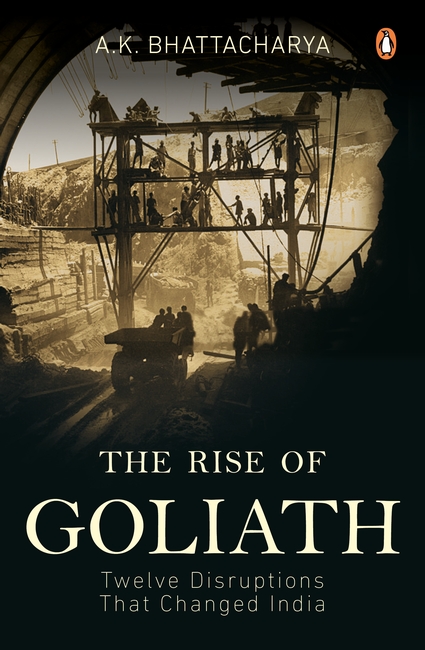
What can best illustrate India’s journey in the last seven decades? Disruptions.
Almost every decade of India’s history since Independence has been marked by major disruptions.
India became independent through an act of disruption-Partition-that killed millions in communal violence and turned many more into refugees. The turn towards a model of state-led economic development delivered as big a shock to the economy as did the food crisis or the spike in crude oil price. If the Emergency in 1975 shook the foundations of India’s democracy, the unprecedented balance-of-payments crisis of 1990 turned India towards a path of economic reforms. Just as the reservation of jobs for backward castes changed the idiom of India’s politics, the movement for building a temple for Ram drove India closer to becoming a majoritarian state. No less disruptive have been the telecom revolution, the banking crisis, demonetization and the launch of the goods and services tax.
How did these disruptions impact India? How did they influence the rise of this Goliath?
This is the story of twelve disruptions that changed India. The book also provides a peek into the kind of disruptions India could face in the coming years.
First, They Erased Our Name
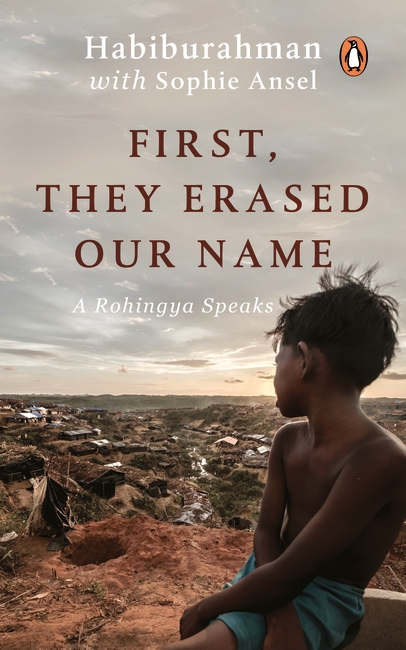
Habiburahman was born in 1979 and raised in a small village in western Burma. When he was three years old, the country’s military leader declared that his people, the Rohingya, were not one of the 135 recognised ethnic groups that formed the eight ‘national races’. He was left stateless in his own country.
Since 1982, millions of Rohingya have had to flee their homes as a result of extreme prejudice and persecution. In 2016 and 2017, the government intensified the process of ethnic cleansing, and over 600,000 Rohingya people were forced to cross the border into Bangladesh.
Here, for the first time, a Rohingya speaks up to expose the truth behind this global humanitarian crisis. Through the eyes of a child, we learn about the historic persecution of the Rohingya people and witness the violence Habiburahman endured throughout his life until he escaped the country in 2000.
First, They Erased Our Name is an urgent, moving memoir about what it feels like to be repressed in one’s own country and a refugee in others. It gives voice to the voiceless.
India and the Cold War
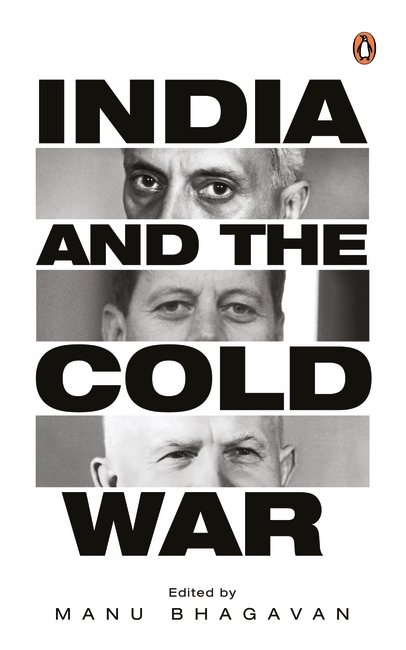
Contributors draw on a wide array of new material, from recently opened archival sources to literature and film, and meld approaches from diplomatic history to development studies to explain the choices India made and to frame the decisions by its policymakers. Together, the essays demonstrate how India became a powerful symbol of decolonization and an advocate of non-alignment, disarmament and global governance as it stood between the United States and the Soviet Union, actively fostering dialogue and attempting to forge friendships without entering into formal alliances. Sweeping in its scope yet nuanced in its analysis, this is the authoritative account of India and the Cold War.
Words Matter
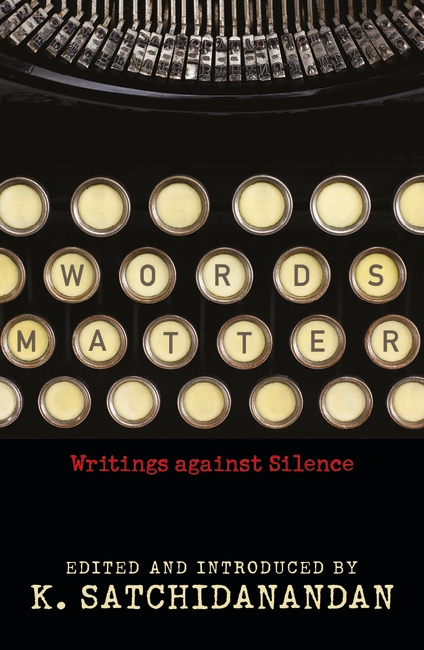
India prides itself in a rich tradition of diversity, dialogue and debate. Our democracy draws its sustenance from this tradition. Myths, texts and systems of faith and thought have been cherished, revisited and also challenged. They have often inspired imaginative versions through oral retellings and local adaptations. The dynamism of Indian culture has kept it open to influences and has stood the test of time.
In Words Matter, edited by eminent poet and scholar K. Satchidanandan, scholars and writers including Romila Thapar, Githa Hariharan, Pankaj Mishra, Salil Tripathi and Ananya Vajpeyi discuss these definitive values from various points of view. The contributors argue that we must nurture critical thinking to fight all kinds of discrimination and insularity. It lies in our interest as a modern nation to preserve our cultural strength and help democracy flourish.
The Book Of Buddha
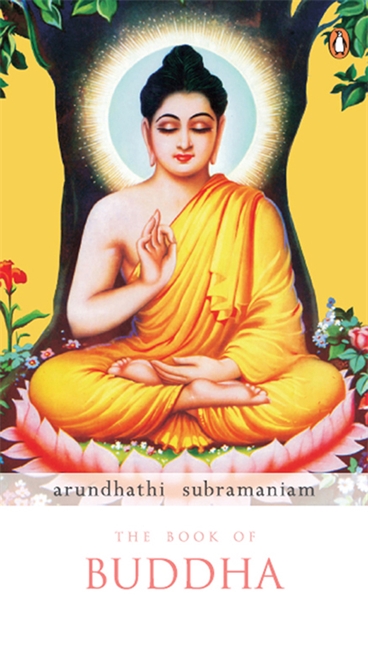
Around 2500 years ago a thirty-five-year-old man named Siddhartha had a mystical insight under a peepul tree in north-eastern India, in a place now revered as Bodhgaya. Today, more than 300 million people across the globe consider themselves beneficiaries of Gautama Buddha’s insight, and believe that it has irrevocably marked their spiritual commitment and identity. Who was this man who still remains such a vital figure for the modern-day questor? How did he arrive at the realization that ‘suffering alone exists, but none who suffer; the deed there is, but no doer thereof; Nirvana there is, but no one seeking it; the Path there is, but none who travel it’? The Book of Buddha traces the various stages of the spiritual journey undertaken by a man who started out as Siddhartha the Seeker, achieved understanding as Shakyamuni the Sage and attained supremacy as Tathagata the Master—finally reaching transcendence as Jina the Victor when he was transformed into the Buddha and became the Enlightened One. Combining personal insight with a deep understanding of Buddhist philosophy, Arundhathi Subramaniam gives the reader a sensitive and revealing portrait of the Buddha and his role in shaping and transfiguring the course of history. In this passionate and deeply felt rendition of the Buddha’s life she explores his enduring impact, and affirms that though he promised no quick-fix solution to life’s problems, Buddhism has remained truly democratic because it holds out the promise of self-realization for all.
River of Smoke: From bestselling author and winner of the 2018 Jnanpith Award
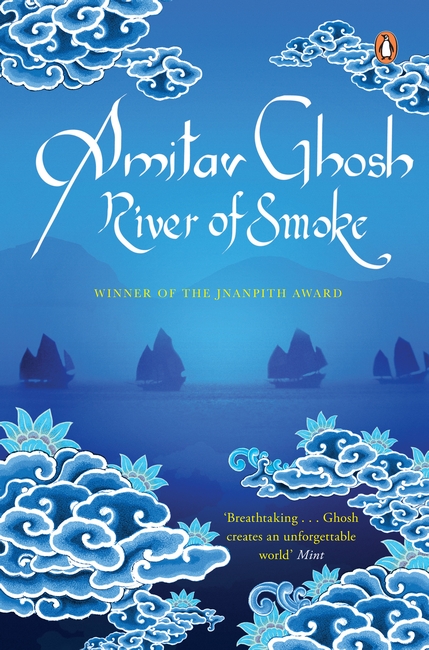
September 1838. A storm blows up on the Indian Ocean and three ships–the Ibis, the Anahita and the Redruth–and those aboard are caught in the whirlwind.
River of Smoke follows the fortunes of these men and women to the crowded harbours of China where they struggle to cope with their losses–and, for a few, unimaginable freedoms–in the alleys and teeming waterways of nineteenth-century Canton.
Written on the grand scale of a historical epic, River of Smoke, book two in the Ibis trilogy, will be heralded as a masterpiece of twenty-first-century literature.
Sea Of Poppies: From bestselling author and winner of the 2018 Jnanpith Award
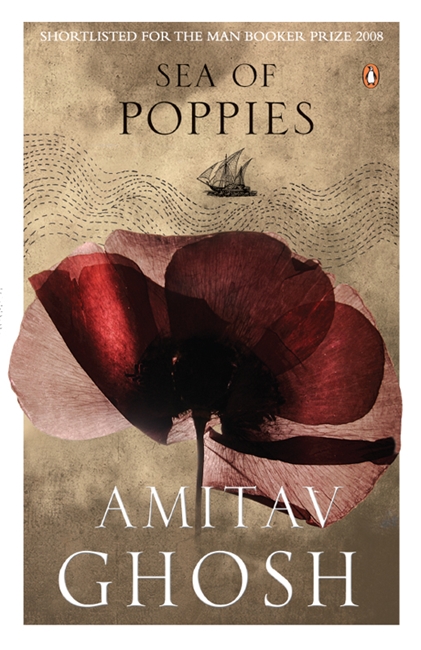
A motley array of sailors and stowaways, coolies and convicts is sailing down the Hooghly aboard the Ibis on its way to Mauritius. As they journey across the Indian Ocean old family ties are washed away, and they begin to view themselves as jahaj-bhais or ship brothers who will build new lives for themselves in the remote islands where they are
being taken. A stunningly vibrant and intensely human work, Sea of Poppies, the first book in the Ibis trilogy, confirms Amitav Ghosh’s reputation as a master storyteller.
The Great Derangement: From bestselling author and winner of the 2018 Jnanpith Award
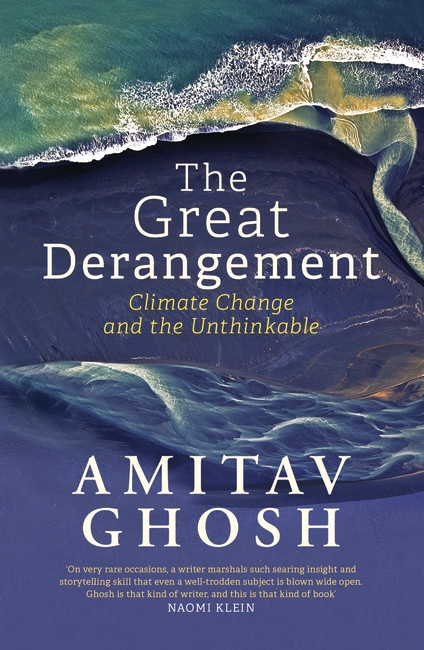
ARE WE DERANGED?
One of India’s greatest writers, Amitav Ghosh, argues that future generations may well think so. How else can we explain our imaginative failure in the face of global warming? In this groundbreaking return to non-fiction, Ghosh examines our inability-at the level of literature, history and politics-to grasp the scale and violence of climate change. The climate crisis asks us to imagine other forms of human existence-a task to which fiction, Ghosh argues, is the best suited of all forms. The Great Derangement serves as a brilliant writer’s summons to confront the most urgent task of our time.
‘An absorbing narrative on the subject, the impact of which is getting closer with each passing day’ HINDUSTAN TIMES
‘[A] broad-ranging and consistently stimulating indictment of our era . . . a bracing reminder that there is no more vital task for writers and artists than to clear the intellectual dead wood of a vulgarly boosterish age and create space for apocalyptic thinking-which may at least delay, if not avert, the catastrophes ahead’ GUARDIAN