Business and Intellectual Property reflects on the future of Intellectual Property (IP) in the age of new media and shows how—in a rapidly changing business field—managers and decision-makers need to be more perceptive, agile, and vigilant than ever before. Drawing on contemporary business affairs and strategies, it explores the nature and scope of IP and the evolution of national laws and global agreements like the TRIPs to protect it. It also explores measures (use of patents, copyright, and trademarks) used by some of the biggest brands—Coke, MGM, 20th Century Fox, Microsoft, Harrods, Maruti, Tata—to manage disputes and protect themselves. Accessible, clear, and using a wide range of case studies, Business and Intellectual Property gives an excellent overview of a subject that is becoming a key aspect of many businesses today.
The IIM Ahmedabad Business Books bring key issues in management and business to a general audience. With a wealth of information and illustrations from contemporary Indian businesses, these non-academic and user-friendly books from the faculty of IIM Ahmedabad are essential corporate reading.

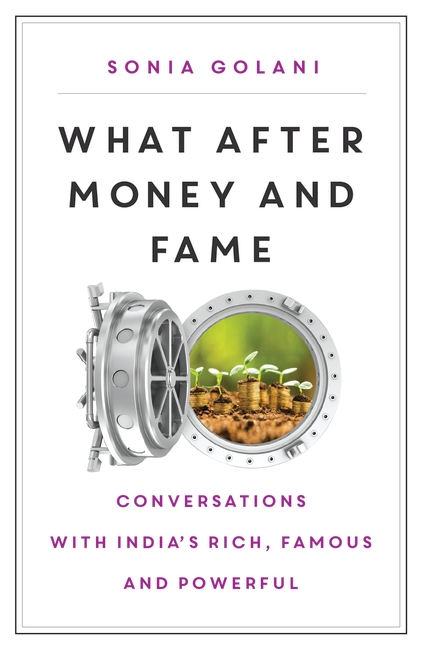
Adi Godrej * Ajay Piramal * Amit Chandra * Anu Aga * Hafeez Contractor * Harish Salve * Javed Akhtar * Jayant Sinha * Kavita Seth * Narayana Murthy * Dr Naresh Trehan * Rashesh Shah
Twelve distinguished Indians who have achieved dizzying heights of success. What lies beyond material triumph for them? What is it that continues to motivate and sustain them? How much money do they think amounts to enough for individuals? What is their core philosophy of life that has helped them achieve what they have? What according to them is most important in life?
From the author of the bestselling book Corporate Divas, this is another insightful and engaging read that answers the above questions and more. Sonia Golani delves deep into the minds and psyche of some of India’s doyens par excellence, and through a series of in-depth conversations, attempts to throw light on the measure of a life well lived. What after Money and Fame is riveting and uplifting, an indispensable resource for anyone striving to attain exceptional success and balance in their lives-for sustained accomplishments for themselves-as well as towards making a definite contribution to the nation.
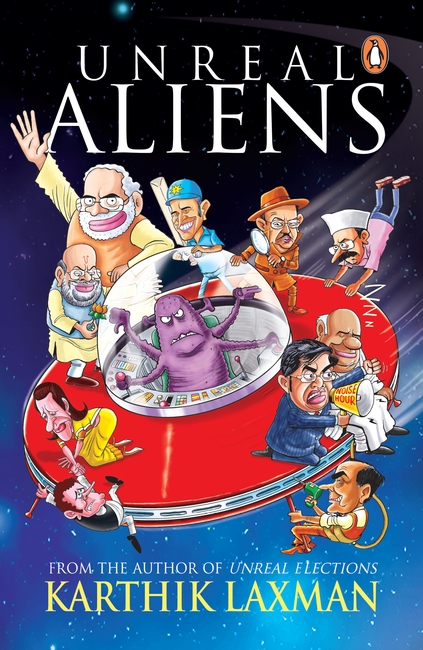
For the first time in human history, a nation is playing host to an alien delegation. And it is Modi-led India that has this high honour. Prime Minister Modi rolls out the red carpet for the aliens. He receives them at the airport, shows them the sights in Delhi and convinces them to invest in the Make in India campaign. The leader of the alien delegation even holds a broom to promote Swachh Bharat. But what is the real reason the aliens have come to India? Are they friends? Or will they turn foes? Read this hilarious, rib-tickling novel from the authors of Unreal Elections to find out.
Did you know that India is the world’s suicide capital with over 2.6 lakh cases reported every year?
But what we know about the causes of suicide lags far behind our knowledge of many other life-threatening illnesses, partly because the stigma surrounding suicidal behaviour has limited society’s investment in suicide research.
It is said that more than 50 per cent of all those who attempt suicide tell someone about their intention. So how do you recognize suicidal symptoms in people around you and get help?
From insights into the mind of a suicidal patient and understanding why one is driven to suicide to the right kind of intervention when suicide has been attempted, and a list of suicide hotlines, this book is an attempt to help thousands who are questioning the motive of their life. It is just as useful to anyone who has lost a loved one to suicide and is looking for a way to overcome grief.

Companies everywhere face two major challenges today: getting noticed and getting paid. To confront these obstacles, Bharat Anand examines a range of businesses around the world, from Chinese Internet giant Tencent to Scandinavian digital trailblazer Schibsted, from The New York Times to The Economist, and from talent management to the future of education. Drawing on these stories and on the latest research in economics, strategy, and marketing, this refreshingly engaging book reveals important lessons, smashes celebrated myths, and reorients strategy.
Companies that now flourish are finding that the connections they foster are more important than the content they create. Success comes not from making the best content but from recognizing how content enables customers’ connectivity; it comes not from protecting the value of content at all costs but from unearthing related opportunities close by; and it comes not from mimicking competitors’ best practices but from seeing choices as part of a connected whole.
Digital change means that everyone today can reach and interact with others directly: We are all in the content business. But that comes with risks that Bharat Anand teaches us to recognize and navigate. Filled with conversations with key players and in-depth dispatches from the front lines of digital change, The Content Trap is an essential new playbook for navigating the turbulent waters in which we find ourselves.

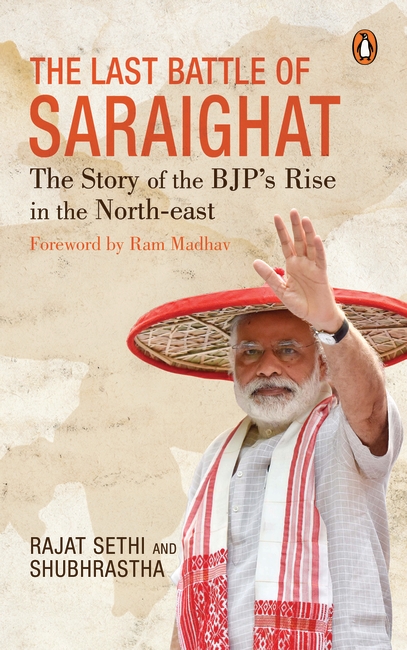
The first-ever account of the BJP’s landslide victory in the 2016 Assam legislative assembly elections, the battle of Saraighat was fought in 1671 between the Ahoms of Assam and the Mughal invaders. In 2016, the BJP centred its strategy for the legislative assembly elections on this historic battle, focusing on issues of illegal migration, constantly invoked in the party’s rallies, posters and communication to appeal to the voting public. The historic elections saw the BJP win an overwhelming majority of assembly seats in Assam, where the Congress had been in power for decades. It was a watershed moment that opened the door for the party to the political corridors of the north-east. In this book, Rajat Sethi and Shubhrastha, political campaigners for the BJP in the north-east of India, take you behind the scenes of the high-octane electoral drama. They outline the political history of the region, provide details of election strategies employed by the party and explain why they resonated with the local people so strongly. The Last Battle of Saraighat looks at Assam as a case study to explain the rise of the BJP in the north-east and throws light on the key political issues of the region.

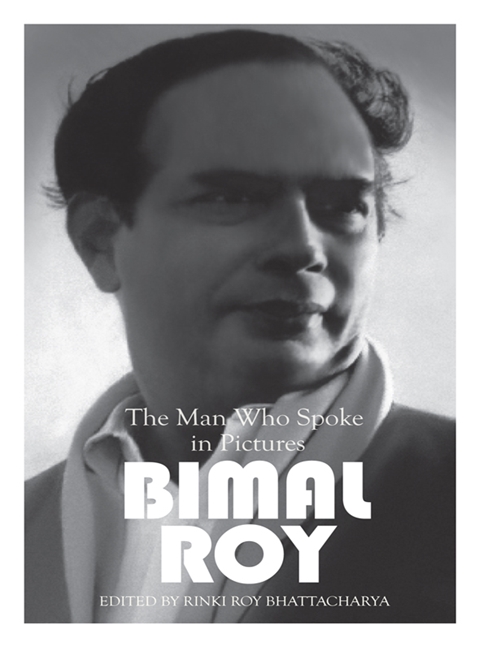
Udayer Pathe, Bimal Roy’s first film, revolutionized PBI – Indian cinema. Hailed as a pioneer by Satyajit Ray, he was perhaps the first to bring shades of grey to the black-and-white screen. Roy’s spare storytelling and nuanced understanding of the human condition are reflected in classics like Devdas, Sujata and Madhumati. His ability to illuminate ordinary characters like Shambhu in Do Bigha Zamin and Kalyani in Bandini, is attested to by their being a part of popular memory even to this day.
The Man Who Spoke in Pictures is not just a eulogy to this great director, but also an insight into Roy, the man, the director and his art. The auteur’s little-known Bengal phase is chronicled by Mahasweta Devi and Amit Chaudhuri, as well as Tapan Sinha, Amit Bose and other greats of cinema who trace his journey from cinematographer to director. His Bombay years are recorded through a collection of analyses and anecdotes from leading literary and cinematic luminaries, including Nayantara Sahgal, Gulzar, Naseeruddin Shah and Khalid Mohammed. The final section examines Roy from the outsider’s perspective, with articles by Meghnad Desai, Rachel Dwyer and Paula Mayhew.

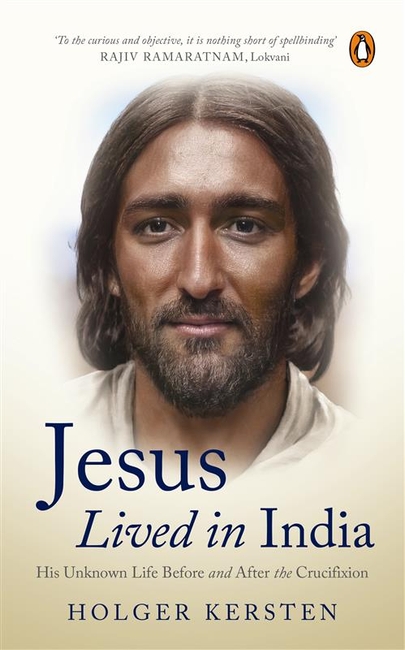
Is there any truth to the numerous claims that Jesus spent a large part of his life in India? Why has Christianity chosen to ignore its connections with the religions of the East? In this compelling work of investigative research, theologian Holger Kersten presents overwhelming evidence that provides answers to these intriguing questions.
Exploring the historical sites connected with Jesus in Israel, the Middle East, Afghanistan and India, Kersten’s detailed study discloses age-old links between the Israelites and the East and presents some startling revelations, including how Jesus survived the Crucifixion and, after the Resurrection, returned to Srinagar, India to die in old age, where he continues to be revered as a saintly man.
It is the murder that haunts India with the simplest of questions: Who did it? A fourteen-year-old girl is killed in her comfortable suburban home along with the family servant under puzzling circumstances. Within weeks, her dentist parents are the prime suspects; within months, they are as good as exonerated; a year and half later, they are on trial. But did they do it? From the controversial police investigation to the media frenzy surrounding the Talwars and the protracted legal battle, every layer of the Aarushi case has mystery and metaphor. Now comes the ultimate retelling of the story. Avirook Sen has followed the court case, examined all the police documents and interviewed key players among investigators, lawyers, family and Aarushi s friends. In Aarushi he draws a superb portrait of the young woman, the aftermath of her death, and tries to answer the biggest question of all. Acute, gripping and brilliantly written Aarushi is a book that will take you into the heart of the murder that has gripped the nation.
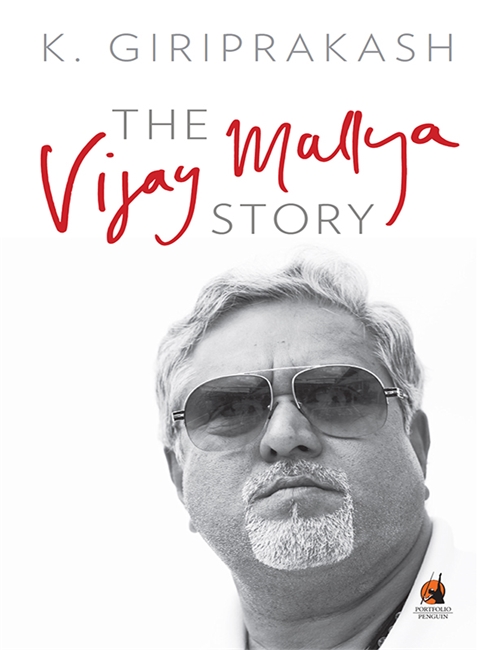
The Vijay Mallya Story is an extraordinarily detailed and lively chronicle of the life of one of India’s most celebrated and reviled businessmen, Vijay Mallya. His extraordinary career spans three decades and is spread across multiple industries. The book covers Mallya’s childhood, his relationship with his father and his inherent deal-making abilities. It tracks his meteoric rise with Kingfisher and how the airline led to his downfall.