



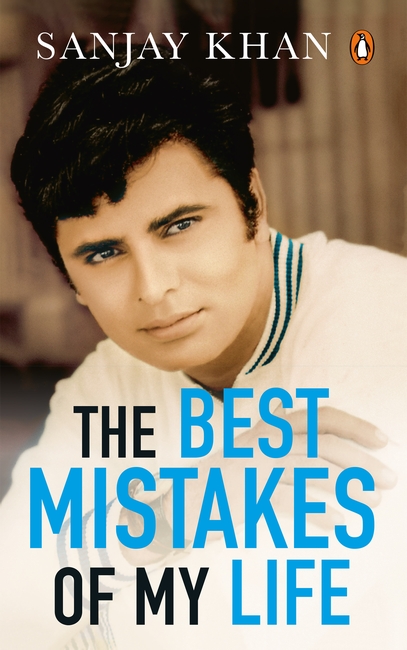
Once deemed the most handsome man in Bollywood, Sanjay Khan’s tryst with fame and stardom led him to many adventures across the world. He is best remembered for his performances in films like Ek Phool Do Mali and Abdullah as well as his portrayal of the great Tipu Sultan on television. In this exclusive autobiography he bares the details of a life full of action, excitement, drama, tragedy and, above all, courage. Written in a witty and engaging style, the book speaks of his formative years, his relationships with family, friends and co-stars, his interactions with world leaders, the stories behind his most remarkable films, and the fire on the set of The Sword of Tipu Sultan that almost killed him. Honest, engaging and revelatory, The Best Mistakes of My Life is the story of a star and a survivor who has resurrected himself with a vengeance each time life has thrown a curveball at him.
Catagory: Non Fiction
non fiction main category
Kathmandu
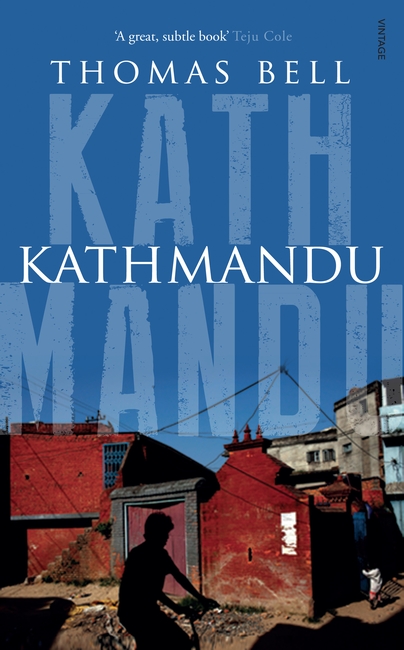
Kathmandu is the greatest city of the Himalaya; a unique survival of cultural practices that died out in India a thousand years ago. It is a carnival of sexual licence and hypocrisy, a jewel of world art, a hotbed of communist revolution, a paradigm of failed democracy, a case study in bungled Western intervention, and an environmental catastrophe.
Closed to the outside world until 1951 and trapped in a medieval time warp, Kathmandu’s rapid modernization is an extreme version of what is happening in many traditional societies. The many layers of the city’s development are reflected in the successive generations of its gods and goddesses, witches and ghosts; the comforts of caste; the ethos of aristocracy and kingship; and the lately destabilizing spirits of consumer aspiration, individuality, egalitarianism, communism and democracy.
Kathmandu follows the author’s story through a decade in the city, and unravels the city’s history through successive reinventions of itself. Erudite, entertaining and accessible, it is the fascinating chronicle of a unique city.
Lucknow Boy
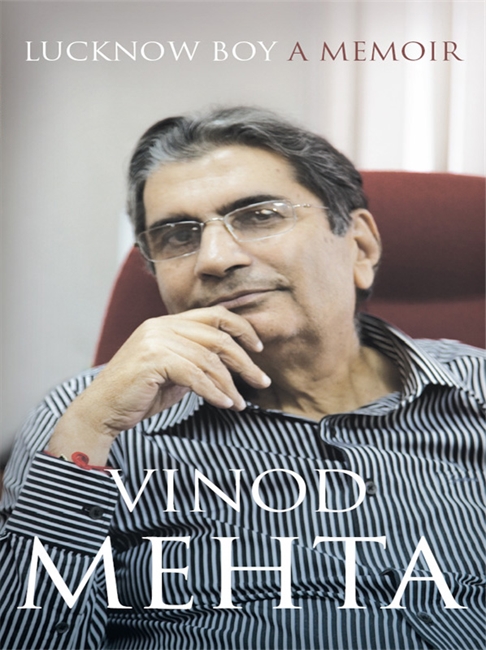
Sharp, insightful, shocking, delightful . . . In this sparkling memoir, Vinod Mehta, India’s most independent, principled—and irreverent—editor finally tells his own story. With its ringside view of some major events of our times, and masterly portraits from the worlds of politics, business, films
and the media, this unputdownable book brims over with wit, wisdom, scandal and gossip.
And Now And Here
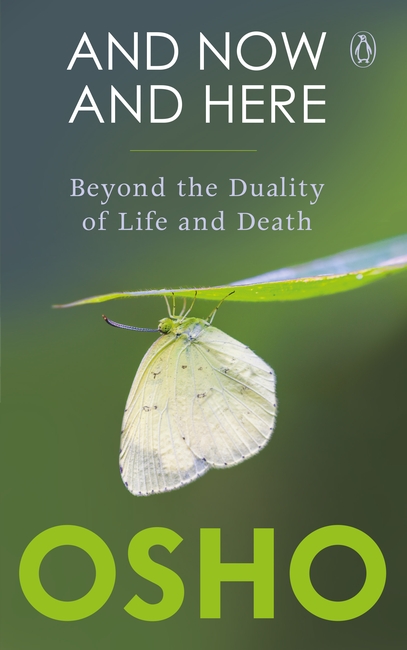
‘All our lives we are running. What are we running from? What is the fear? The fear is that on the one hand we are unable to live fully, and on the other hand the fear of death is imminent, present. Both things are interconnected . . . then what is the answer?’ Osho
Most of us look for security in our relationships and in our choice of living and working conditions. Underlying this search for security is a deep, instinctive fear of death, which continually colours our lives and drives our focus outward, toward survival.
But we also have a longing to turn inward, to relax deeply within ourselves, and experience the sense of freedom and expansion this brings. With this book the reader can start an exploration of his or her inner world.
Osho debunks the myths and misunderstandings around death and invites us to experience our eternal inner space that is now and here.
Brushes With History
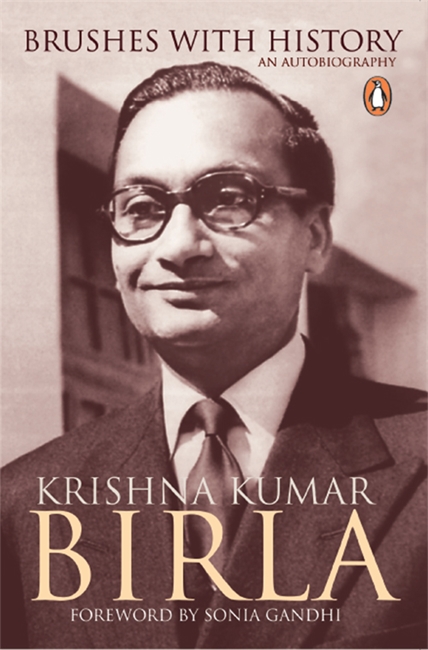
In a life spanning nine decades, Krishna Kumar Birla (1918-2008), son of the legendary Ghanshyam Das Birla, witnessed landmark events that shaped India in the twentieth century, and had close associations with iconic figures like Mahatma Gandhi, Madan Mohan Malviya, Jayaprakash Narayan, Jawaharlal Nehru and Indira Gandhi. Head of one of India’s leading business houses, K.K. Birla embraced principles in which the creation of wealth, philanthropy and political leadership were all regarded as part of nation-building.
An illuminating and engaging chronicle, Brushes with History brings alive an important era in the life of the nation, its changing social mores, evolving principles of corporate governance and enduring family values. In an affectionate and moving tribute, K.K. Birla’s daughter, Shobhana Bhartia, acquaints readers with her father’s spiritual strength and moral values that were an integral part of his life.
Finding Radha
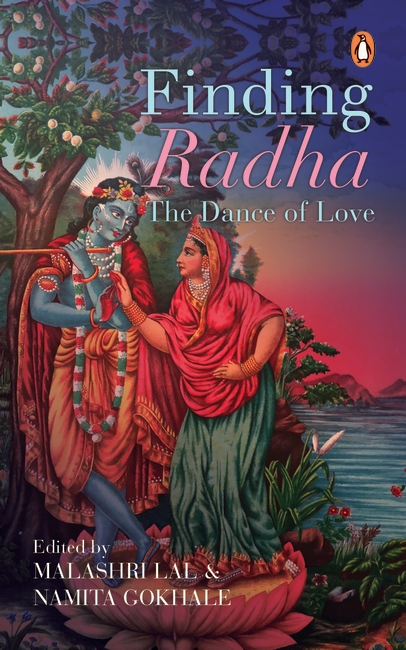
Who was Radha, and why has she captured the imagination of so many writers across centuries? No other goddess combines the elements of bhakti and shringara quite as exquisitely as the divine milkmaid. She spans a vivid rainbow of imagery-from the playfulness of the Ras Lila to the soulfulness of her undying love, from the mystic allure of her depictions in poetry, art and sculpture to her enduring legacy in Vrindavan. In a way that sets her apart from other female consorts, Radha is idealized and dreamed of in a way that is almost more elemental than mythical.
Namita Gokhale and Malashri Lal, who brought us In Search of Sita: Revisiting Mythology, now present an anthology on the mysterious Radha, the epitome of love, who defies all conventional codes yet transcends social prohibitions through the power of the spiritual and the sensual, the sacred and the erotic. Finding Radha is the first of its kind: a collection of poetry, prose and translation that enter the historical as well as the artistic dimensions of the eternal romance of Radha and Krishna.
26/11 Stories of Strength
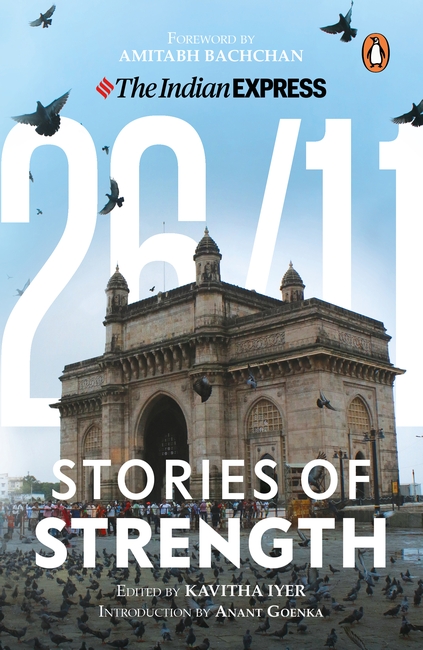
The iconic dome of the Taj, charred on the first night of the siege, is long rebuilt, the bloodstains in the concourse of the railway terminus washed clean. But across the country, a few hundred people still bear the scars of 26/11, having lost loved ones in Mumbai’s worst ever terror attack. The pain hasn’t dimmed even after a decade but survivors have grown in courage and resilience.
In 26/11 Stories of Strength, The Indian Express dips into ten years of reportage on Mumbai’s terror survivors to find that single mothers have attended night school to get an education, children who lost a parent have dared to dream big, those who lost sons have learnt to find new purpose in living.
Many have dug deep within to joust with anger, fear, the desire for retribution. And hearteningly, have emerged to tell stories of their triumph over senseless violence, through lives lived with honour and compassion.
The Asthma Cure

The number of people being diagnosed with asthma is increasing but it remains one of the most misunderstood diseases of our times. Given the levels of pollution in many metropolitan cities and states in India, most of us are able to identify the impact on our lungs. But did you know that many a times the medicines and bronchodilators prescribed to asthmatics to temporarily relieve the symptoms actually weaken the lungs over a period of time?
Using authentic remedies and principles from Ayurveda and macrobiotics, The Asthma Cure is a step-by-step practical guide with natural remedies, easy-to-follow wholesome recipes and daily food plans to help a person heal bronchial asthma, wheezing and other lung-related conditions naturally.
From outlining the relationship between food and inflammation to the role digestion plays in healing asthma, and the foods that strengthen and heal the lungs, this is the most comprehensive and solution-oriented book on the subject yet.
Tryst with Prosperity
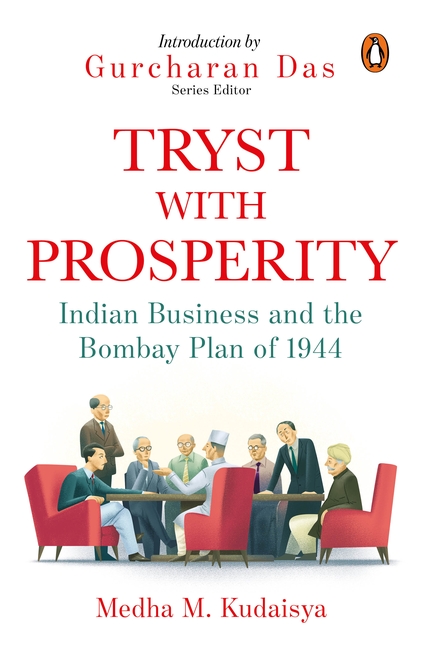
The story of Indian business remains incomplete without the Bombay Plan
The Tryst with Prosperity is the story of the Bombay Plan which was initiated in 1944. Eight remarkable individuals from the world of industry, like J.R.D. Tata, Lala Shri Ram and G.D. Birla, came together and drafted this plan.
The Bombay Plan, an economic blueprint, promised to double India’s per capita income in fifteen years; envisaged a 130 per cent rise in agriculture output; a 500 per cent increase in manufacturing; and a minimum standard of living for every individual. This plan held out the promise of partnership between the Indian state and private enterprise. Yet, ironically, a decade later, these captains of industry fell out with the Nehruvian establishment. Nonetheless, the indelible imprint of the Bombay Plan was manifest in the national Five Year Plans and in the economic trajectory of India.
Seventy-five years later, the Bombay Plan’s legacy continues to be unmistakable in the economic life of contemporary India. Rivetingly told, business historian Medha M. Kudaisya, narrates an important chapter from the story of Indian business.
Invisible Men
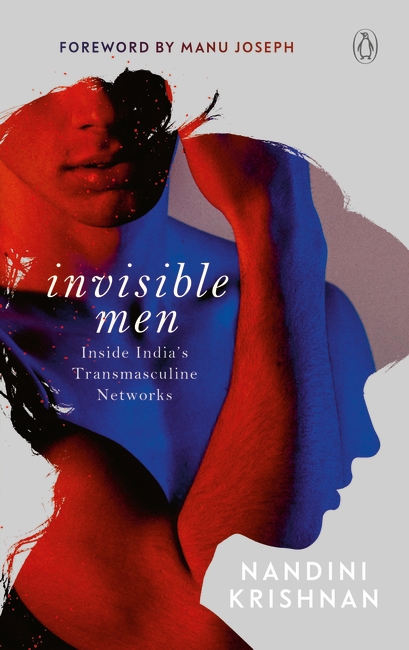
Female-to-male transgender people, or transmasculine people as they are called, are just beginning to form their networks in India. But their struggles are not visible to a gender-normative society that barely notices, much less acknowledges, them. While transwomen have gained recognition through the extraordinary efforts of activists and feminists, the brotherhood, as the transmasculine network often refers to itself, remains imponderable, diminished even within the transgender community. For all intents and purposes, they do not exist. In a country in which parents wish their daughters were sons, they exile the daughters who do become sons.
In this remarkable, intimate book, Nandini Krishnan burrows deep into the prejudices encountered by India’s transmen, the complexities of hormonal transitions and sex reassignment surgery, issues of social and family estrangement, and whether socioeconomic privilege makes a difference. With frank, poignant, often idiosyncratic interviews that braid the personal with the political, the informative with the offhand, she makes a powerful case for inclusivity and a non-binary approach to gender.
Above all, she asks the question: what does manhood really mean?