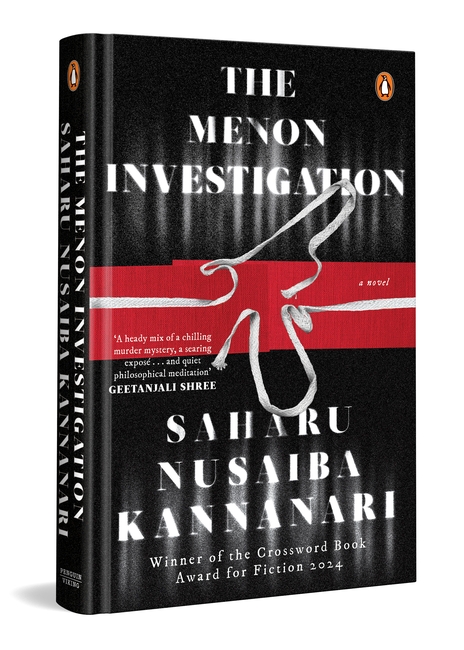
When Inspector General Vijay Menon reopens the old file of a police officer’s murder, he expects dead ends and faded trails. But as chance conspires with his investigative instincts, the case begins to crack open, leading him not only to the culprits but to truths far more unsettling. What begins as the pursuit of justice quickly transforms into a personal reckoning for Vijay as the crime he thought he was solving turns into his own trial, dismantling the fictions of who he thinks he is and what he stands for.
A deftly layered excavation of caste, colourism and individual complicity in institutional violence, The Menon Investigation subverts the rules of the police procedural through its cast of unusual perpetrators and imperfect victims. With sparkling dry humour and a paradox-ridden protagonist at its centre, this is a masterful portrait of a tragedy profoundly Indian.
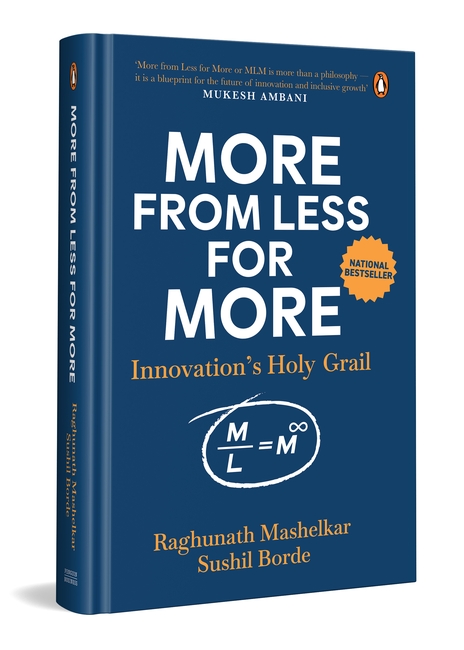
Inequality is still one of the greatest challenges of the twenty-first century. Income inequalities, for instance, create access inequalities, which lead to social disharmony. However, reducing income inequalities takes generations. Can we create access equality despite income inequality?
This book introduces the idea of ‘More from Less for More’ under the umbrella of inclusive innovation as a solution to solving grand challenges of India at scale and at speed. By bringing focus to some breakthrough real-life examples from India, where ‘more from less for more and more’ has already been achieved, breaking down the science of affordable excellence, and providing its readers with practical tools and processes, the book aims to serve as a guide for stakeholders across segments.
From innovators, entrepreneurs, industrialists, governments, scientists, technocrats, teachers and students,
More from Less for More will attempt to enable all kinds of readers to appreciate the idea of how inclusive innovation is an answer to the grand challenges not just for India but for the whole world.
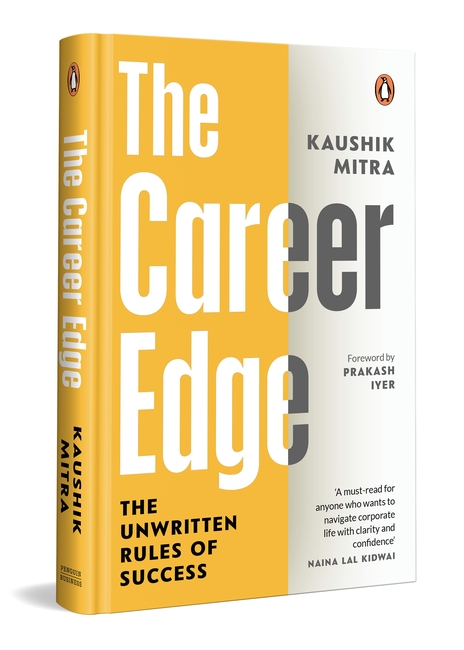
Drawing from a rich, three-decade-long global career, this book is a practical, no-nonsense guide to building a sustainable and fulfilling professional journey. Through relatable stories and hard-earned wisdom, the author demystifies the complexities of corporate life, offering insights across three pivotal areas of self-development, collaboration and building resilience to deliver results. Whether you’re a beginner finding your footing or a seasoned executive looking to sharpen your edge, The Career Edge is a treasure trove of actionable lessons. This isn’t another dry management textbook—it’s a practitioner’s guide, brimming with real-world anecdotes and transformative takeaways to help you conquer challenges and thrive at every stage of your career.
The history of Left politics in India runs deep into the very heart of the freedom struggle. It can hardly be denied that both the freedom struggle and the political landscape of free India was, for the longest time, hued in various shades of red. Peculiarly, Leftism in India has developed in close ties with the culture in which it was rooted. A movement consisting of diverse forces—-with moderate socialists at one end of the spectrum and extremist or revolutionary communists at the other—-The Indian Left has had a complex and evolving role in Indian politics. While historically it has played a pertinent role, primarily in states such as West Bengal and Kerala, its influence and relevance, both have waned in recent years. It has been struggling to adapt itself to dynamic electoral politics and, therefore, finding it hard to regain its lost ground.
This book is about an ideology that is under threat or, as many say, almost extinct, at least in India. It tries to sketch a rich historical narrative that foregrounds left politics in world history, locate its relevance in India and chart a future of its revival.

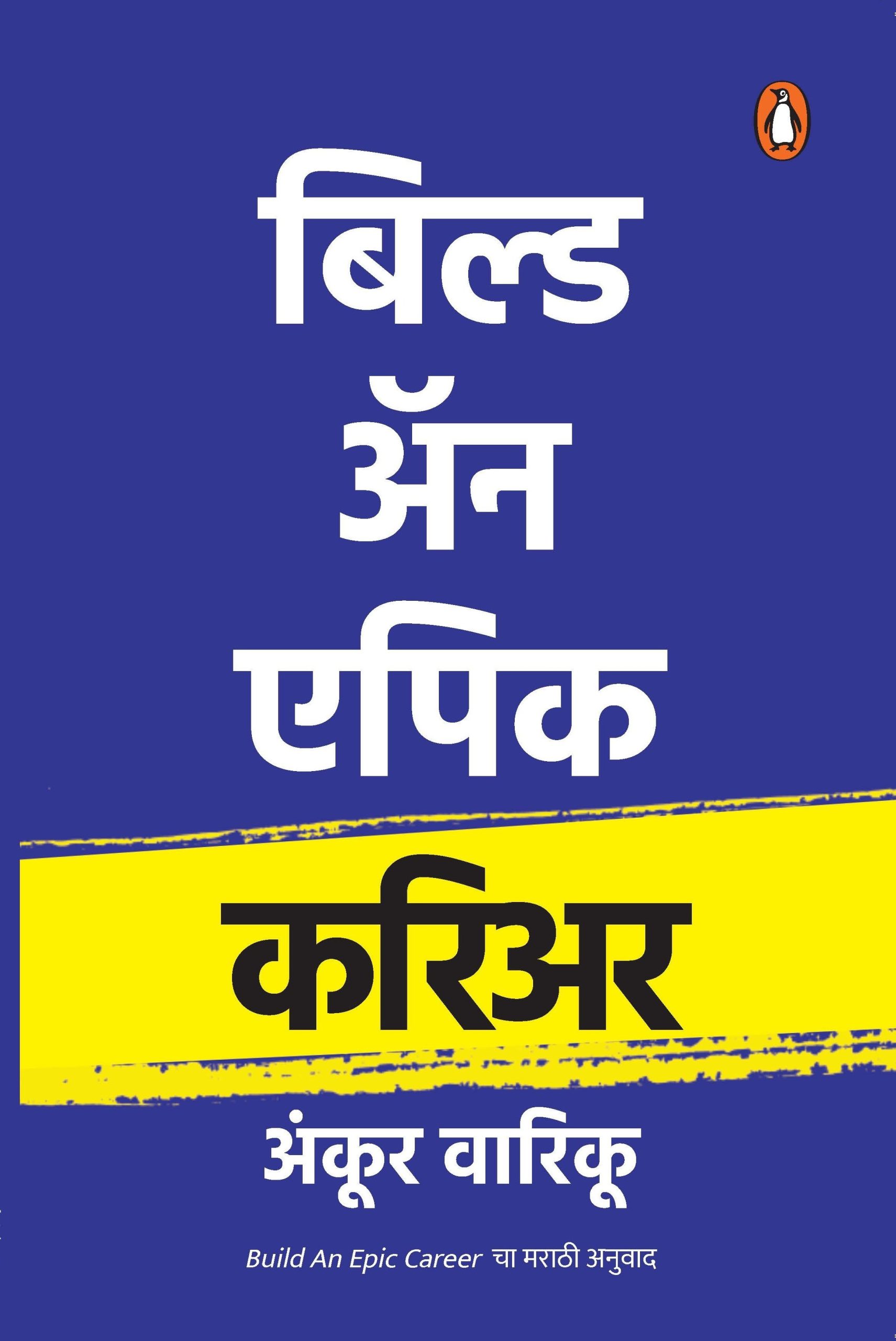
“एक असामान्य करिअर घडवा” हे एक प्रेरणादायी आणि व्यावहारिक पुस्तक आहे, जे आपल्या करिअरला नवी उंची गाठण्यासाठी आवश्यक असलेले उपाय आणि रणनीती अगदी सोप्या पद्धतीनं मांडतं. हे पुस्तक आपल्याला व्यावसायिक उद्दिष्टं जाणून घेण्यास, क्षमता विकसित करण्यास आणि आत्मविश्वासानं यशाकडे वाटचाल करण्यास मदत करतं.

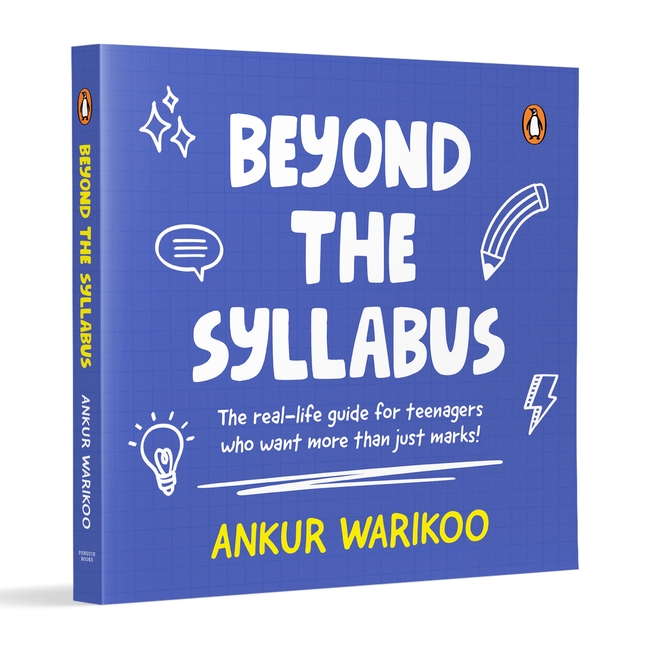
What to do when you’re lost, heartbroken, broke, confused . . . or just tired of being told what to do?
Open any page. No chapters. No rules. Just real talk.
Short. Sharp. Straight-up useful.
For every teenager who wants more than just marks.

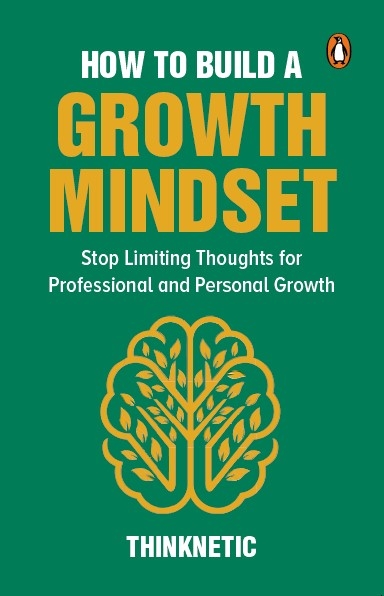
Ever feel like you’re being held back?
Like you’re capable of so much more but something’s stopping you from reaching your full potential?
It’s frustrating, right?
It’s time to silence that voice and unlock the power within you. Build a world where your mind is your greatest ally, not your biggest enemy; where you embrace challenges, learn from setbacks, and use every obstacle as an opportunity to grow.
This book will show you how to build a growth mindset, a mental muscle that will transform your life in ways felt impossible before.
Discover:
- How to identify and conquer those limiting thoughts that hold you back
- The secrets to unlocking hidden skills and talents you never knew you possessed
- A proven framework for setting and achieving ambitious goals
- Strategies for overcoming setbacks and using failure as fuel for growth
- The fundamentals of success that high achievers use to create extraordinary lives
This book is your roadmap to a life filled with purpose, accomplishment, and joy.

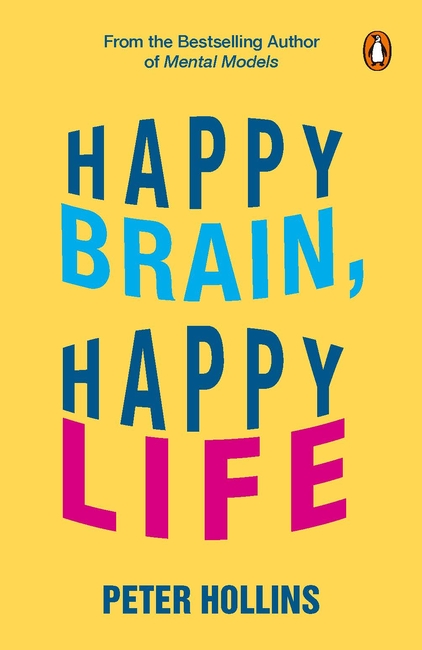
Ever wondered how you can make your brain work for you?
Happy Brain, Happy Life is your go-to guide for transforming your mind into a powerhouse of happiness and fulfillment. This book simplifies neuroscience into easy-to-understand strategies that help you make better decisions and live a more satisfying life.
Learn the reasons behind why we often feel unhappy and learn how to flip the script by exploring how your brain functions. You’ll discover how to stop self-sabotage and make real changes. It’s all about using your brain’s natural storytelling, compassion, and social instincts to reach your goals.
The book focuses on these key areas to get started on this journey:
- Boost Your Mood: Find out how to increase serotonin, the happiness neurotransmitter.
- Tackle Stress: Learn how stress affects your brain, and the techniques to manage it.
- Embrace Change: Use the brain’s ability to change and adapt to foster compassion and empathy.
- Set Goals Like a Pro: Understand the relationship between dopamine and goal achievement to enhance motivation.
This book is your roadmap to turn your brain into a source to drive a happier life. Ready to get started?

According to the World Population Review, the longest workweeks averaged 42.2 hours; which means we work longer hours than we desire.
How many of those work hours are truly productive? As per the Harvard Business Review people spend 41 percent of the average workday on tasks that don’t add value.
With modern work challenges, there is no guarantee that the same company will employ you for 40 years, and techniques and technology to do your job will remain stable.
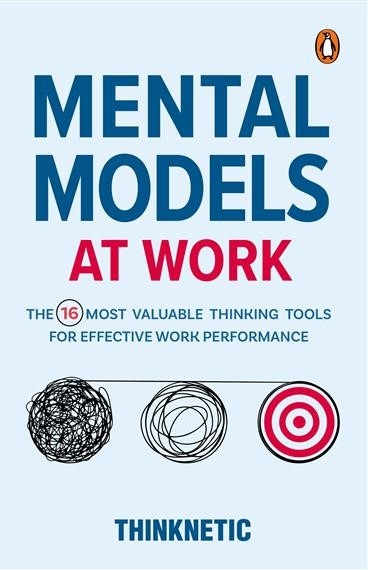
Mental Models at Work is a book to discover powerful tools to foster workplace success.
What you need to learn, unlearn and how to re-learn the skills you need at your job with these 5 strategies:
- How to prioritize your workflow the Warren Buffet way
- Why thinking about your thought process will put you ahead of your colleagues … even if they are better qualified than you
- What are the 5 disciplines we need to supercharge our careers?
- Getting “phygital” … Why this mindset is critical for the future of work
Modern work is like a fog, and the vast majority of modern workers are wandering through it. Cut through the fog, gain clarity, and find success using mental models used by today’s top business leaders including Elon Musk, Charlie Munger.

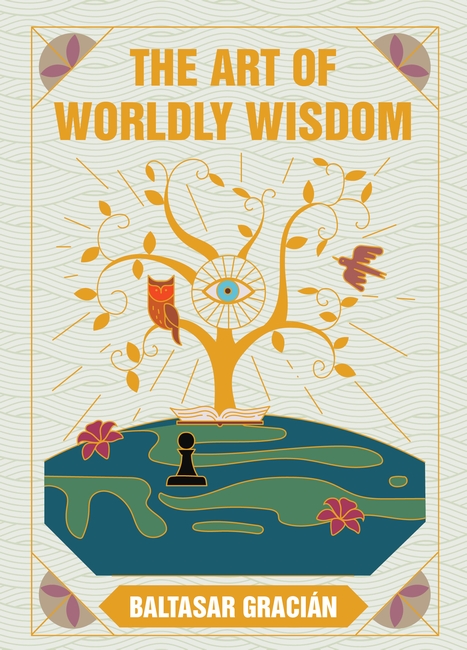
A timeless classic in the art of living wisely.
The Art of Worldly Wisdom by Baltasar Gracián offers 300 powerful maxims on how to succeed in life with intelligence, strategy, and grace. Written by a 17th-century Spanish Jesuit scholar, its insights on leadership, relationships, emotional control, and decision-making feel strikingly relevant even today.
This edition includes a thoughtful introduction by scholar Willis Barnstone, providing historical context and helping readers apply Gracián’s wisdom to the modern world.
Whether you’re a leader, thinker, or simply seeking practical life guidance, this is a book you’ll return to again and again.
In this book, you will discover how to:
- Navigate complex social and professional situations with poise
- Build meaningful relationships rooted in wisdom and trust
- Cultivate emotional intelligence and self-control
- Make smarter decisions using timeless strategic thinking
- Develop personal influence and authentic leadership
Perfect for fans of philosophy, self-development, or classic literature, The Art of Worldly Wisdom is a compact guide to living smart in any era.