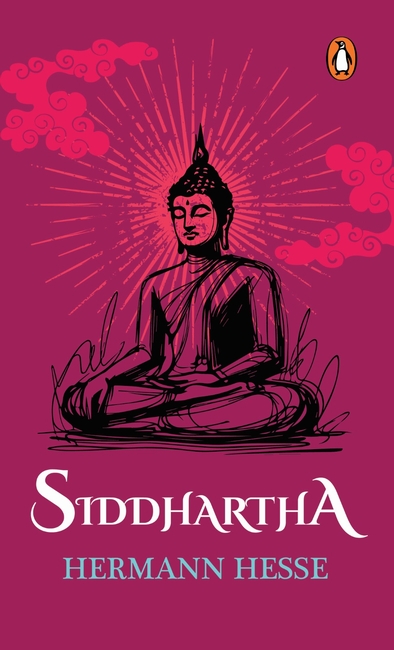
This classic of twentieth-century literature tells the spiritual journey of a man living in India during the time of the Buddha—a story that has inspired generations. This edition features a fresh, poetic translation by Sherab Chödzin Kohn, a gifted translator and student of Buddhism. Kohn’s version captures the philosophical depth and meditative qualities of Hesse’s work. The book also includes an insightful introduction exploring Hesse’s own spiritual path through his journals and letters.
In this edition, you will:
- Experience a new, poetic translation emphasizing meditation and mindfulness
- Follow Siddhartha’s transformative spiritual journey
- Gain insight into Eastern philosophy and Buddhist teachings
- Discover Hermann Hesse’s personal spiritual reflections
- Explore timeless themes of self-discovery, enlightenment, and inner peace

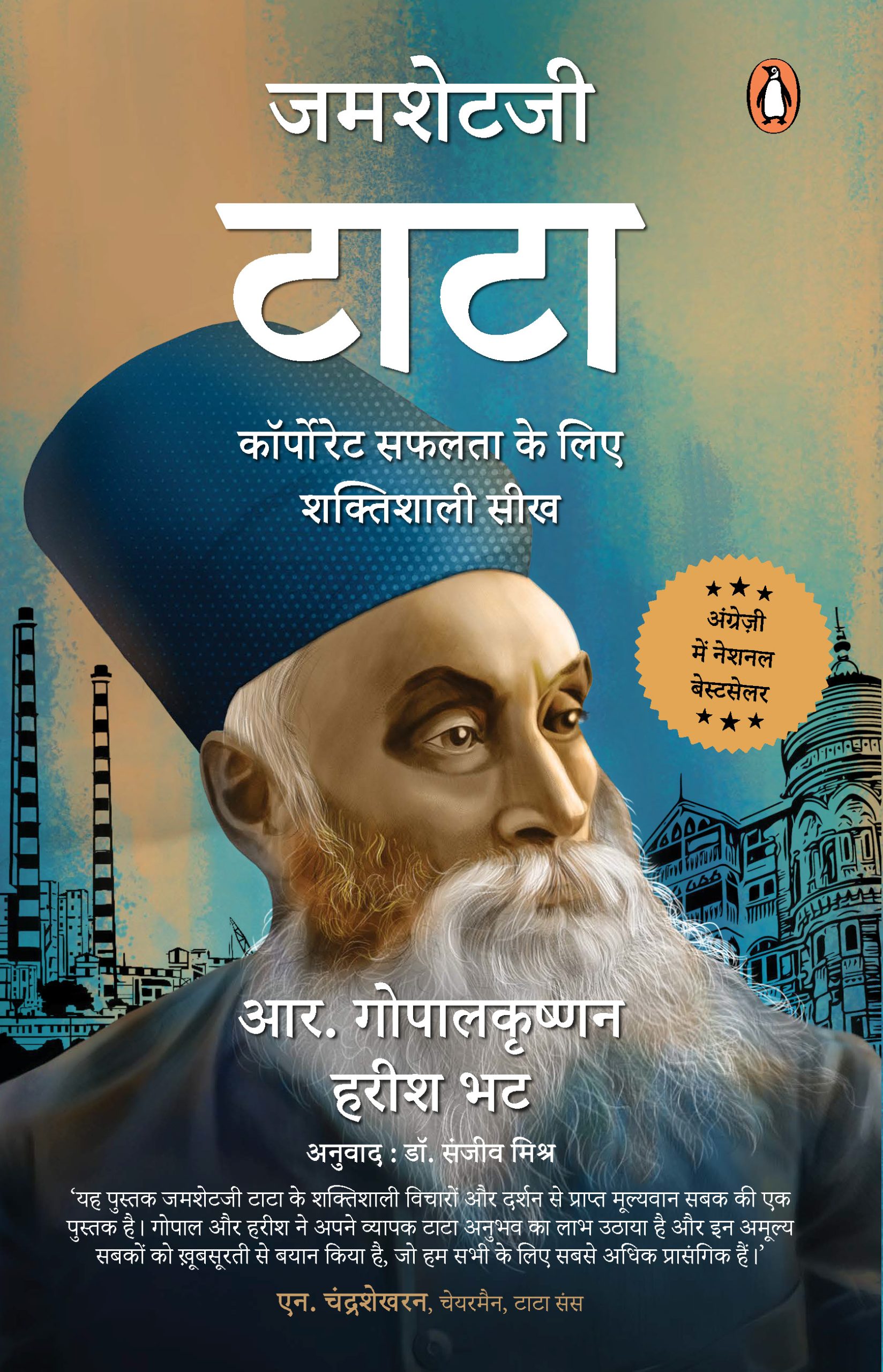
जमशेटजी टाटा पर आधारित पुस्तक भारत के महान उद्योगपति और टाटा समूह के संस्थापक की प्रेरणादायक जीवन यात्रा को दर्शाती है। यह पुस्तक उनके उद्यमशील विचारों, दूरदर्शिता और देशभक्ति को रेखांकित करती है। जमशेटजी ने भारतीय उद्योगों की नींव रखते हुए टाटा स्टील, टाटा पावर और इंडियन इंस्टिट्यूट ऑफ़ साइंस जैसे संस्थानों की स्थापना की। उन्होंने भारत को आत्मनिर्भर बनाने का सपना देखा और उसे साकार करने की दिशा में कार्य किया। यह पुस्तक युवाओं को संघर्ष, समर्पण और नवाचार की प्रेरणा देती है। जमशेटजी टाटा का जीवन एक सच्चे राष्ट्रनिर्माता की कहानी है।

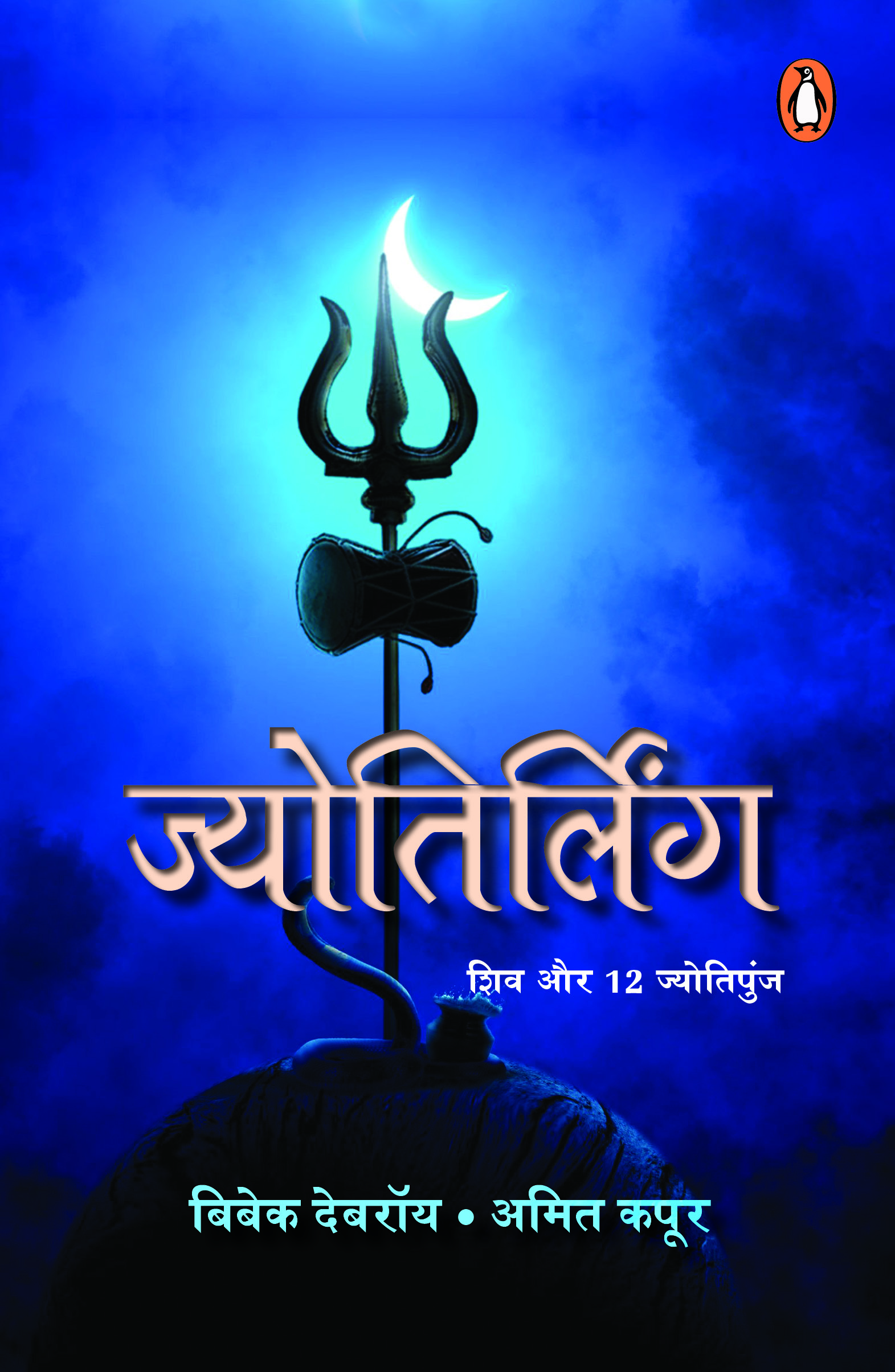
हिंदू त्रिदेवों में भगवान शिव कई आयामों वाले देवता हैं। स्वभाव से उग्र एवं दयालु भगवान शिव जीवन की द्वैतता के प्रतीक हैं। शैव धर्म के केंद्र में शिव की पूजा ही है। शिवलिंग और बारह पवित्र ज्योतिर्लिंगों में श्रद्धालुओं की इतनी अधिक आस्था है कि वे अनादि काल से ही इसे अपना तीर्थस्थल मानते आ रहे हैं।
ये प्रतिष्ठित स्तंभ व्यक्तिगत कथाओं और विद्वतापूर्ण शोध का हिस्सा बन गए हैं। इस पुस्तक के लेखकों में अमित कपूर, बिबेक देबरॉय, विभव कपूर और कॉनर मार्टिन शामिल हैं। ये सभी लेखक इन ज्योतिर्लिंगों से जुड़ी कहानियों को संजोने के अलावा उनके सार और समय के साथ उनकी शाब्दिक और रूपक यात्राओं पर विचार करते हैं।

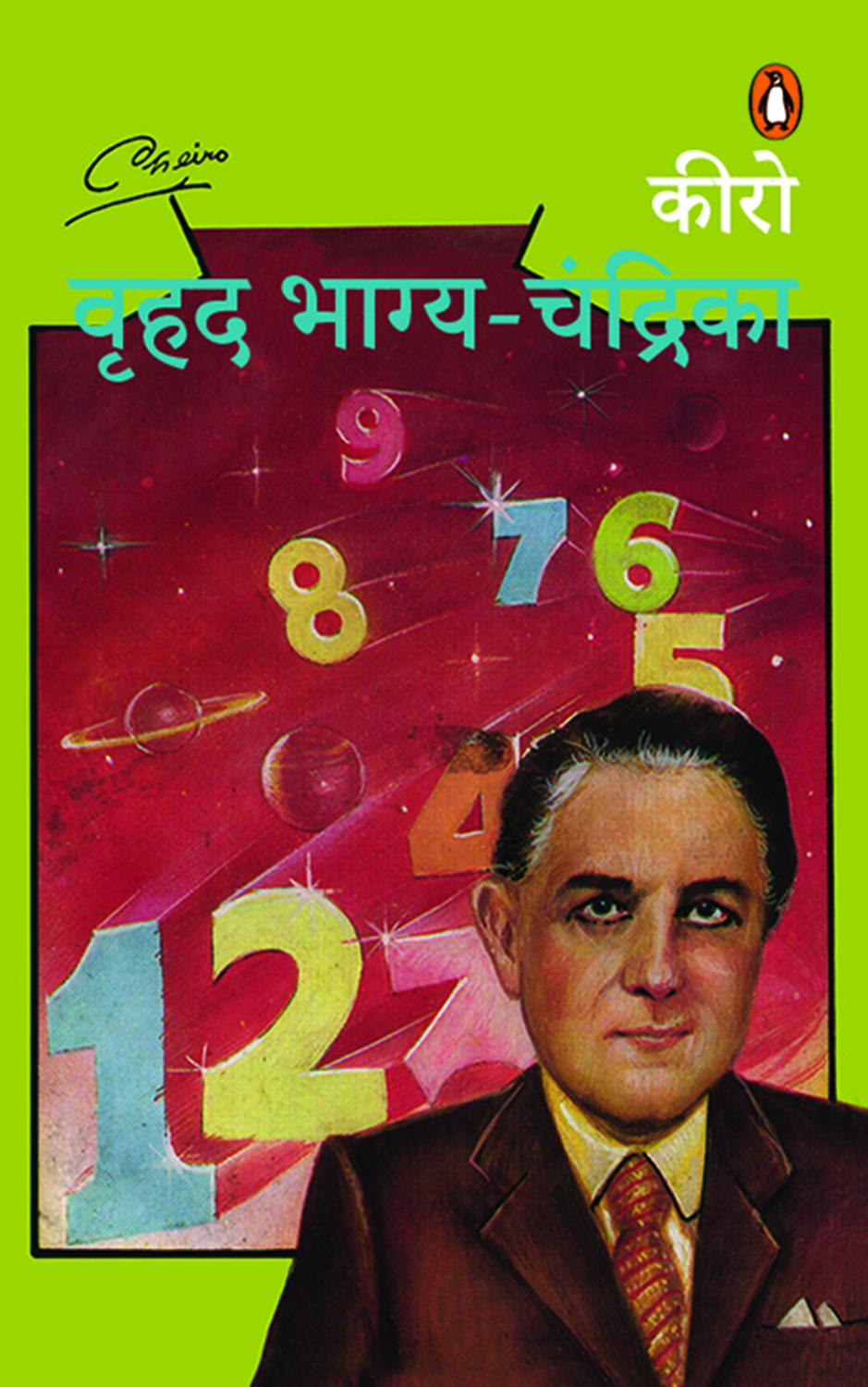
विश्वविख्यात भविष्यवक्ता एवं ज्योतिषाचार्य कीरो का बहुचर्चित ग्रंथ है—वृहद भाग्य-चंद्रिका। इस ग्रंथ में संसार में पहली बार ग्रह-नक्षत्रों के क्रमिक प्रभावों को प्रस्तुत किया गया है। दीर्घकालीन अनुभवों द्वारा उन्होंने प्रामाणिक पाया कि प्रत्येक मास के हर दिन पर भी ग्रहों का प्रभाव पड़ता है और इस ग्रंथ में इसे वह विस्तार से समझाते हैं।
गणितीय गणना द्वारा ग्रह-नक्षत्रों का एक राशि से दूसरी राशि में जाने, सूर्य तथा चंद्र ग्रहण, विभिन्न ग्रहों की अनुकूल तथा प्रतिकूल स्थिति, त्रिकोणीय अवस्था आदि के आधार पर किए गए मानवों के भविष्य विषयक फलादेशों का लेखा-जोखा इसमें दिया गया है। ज्योतिष विद्या का लाखों पाठकों में लोकप्रिय यह ग्रंथ अपने आपमें संपूर्ण संस्करण है।

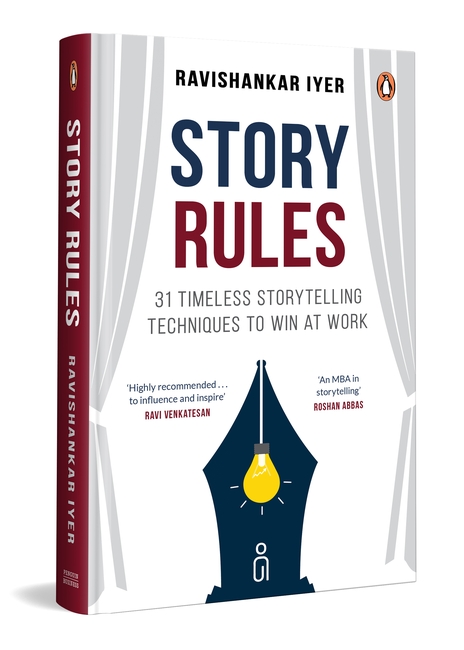
When was the last time you faced a high-stakes communication moment?
Perhaps it was a critical client proposal, a key quarterly business review, a fund-raising pitch, a boardroom briefing, or a townhall talk to thousands of expectant employees.
In that moment, how did you do?
Did you seize the moment and engage your audience with clarity, energy, and trust? Did you inspire, influence, and lead with impact when it mattered most?
Or did your message get lost in dull statistics, technical jargon and abstract generalizations? And your audience left bored, confused, or unmoved . . .
If your answer was closer to the latter, this book is for you.
Story Rules provides 31 timeless storytelling techniques to help you:
– Be clear: Sharpen your messages, narratives, and visuals
– Be memorable: Capture attention with novelty, curiosity, relatability and vivid ‘show-don’t-tell’ examples
– Be inspiring: Connect emotionally and show relevance
– Be trusted: Establish common ground, showcase competence, and demonstrate integrity
Packed with over 300 compelling real-life examples from the world of business and beyond, this practical guide shows how successful leaders seize crucial communication moments—and win.
And now, it’s your turn. Make your story rule.

Sleep Journeys, is counted as one the finest of Urdu’s contemporary poets, Azra Abbas’s collection of verse. She is also among the first Urdu poets to contribute to the growing popularity of experimental, free verse poetry in the late twentieth century. Divided into three cantos that took the Urdu poetic world by storm when it first appeared in 1981, it is one of Azra’s most dense and complex works, a dream-like rumination that explores faith, female desire, and the subconscious mind.
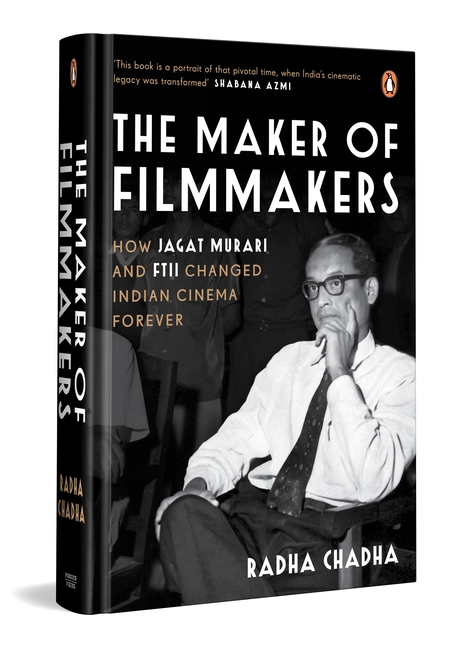
When Jagat Murari, a young film student in post-war America, finds himself at the feet of one of cinema’s true giants – Orson Welles – during the making of Macbeth in 1947, the lessons he absorbs on that set will shape not only his future, but also the future of Indian cinema. Returning to a newly independent India, Jagat goes on to build the Film and Television Institute of India (FTII) from the ground up.
In The Maker of Filmmakers, Radha Chadha offers an intimate and meticulously researched portrait of her father – a celebrated documentary filmmaker – and the iconic film school he built. With uncanny consistency, FTII turned out top talent – the likes of Shabana Azmi and Jaya Bachchan, Adoor Gopalakrishnan and Subhash Ghai, and other cinema legends. His alumni became the leading actors, directors, cinematographers, sound designers and editors of Bollywood and beyond. They spearheaded the Indian New Wave, kickstarted regional language cinema, and helped usher television into the country.
How did Jagat go about ‘making’ such extraordinary filmmakers? What was his secret formula? With unprecedented access to Jagat’s diaries, letters, personal papers and over 100 interviews with alumni and colleagues, Radha Chadha leads us behind the scenes, and into the mind of a visionary who reshaped Indian cinema, even as he grappled with its many challenges.
A gripping tale of ambition, adversity, and artistic brilliance – richly illustrated with rare photographs – The Maker of Filmmakers paints a vivid picture of one man’s unwavering belief in the transformative power of cinema, and how his determination helped turn Indian cinema into the global powerhouse it is today.
Set against the backdrop of some of the landmark events and characters of the last century, this is biography and cinematic history at its best.

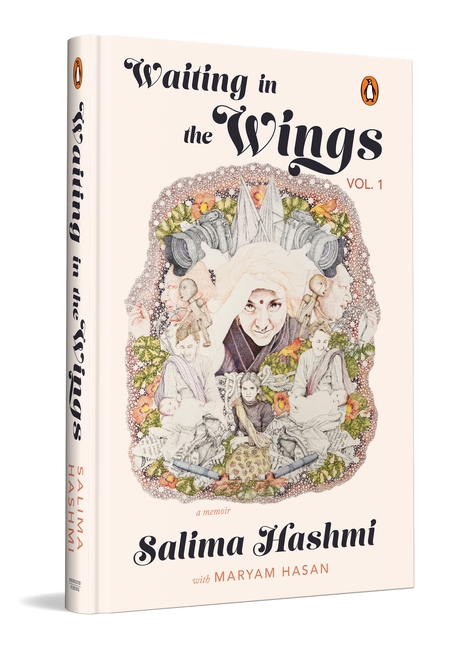
March 1947.
A four-year-old Salima Hashmi is witness to the Sikh leader, Master Tara Singh and his many followers denouncing the demand for Pakistan.
Soon, the sub-continent is partitioned and Salima, her sister Moneeza, her English mother Alys, and her father, the renowned Urdu poet and leftist intellectual, Faiz Ahmed Faiz, are citizens of the nascent Pakistan.
Life in the newly formed nation is full of ups and downs, the lowest points being Faiz’s imprisonment in 1951 on charges of sedition and his subsequent self-exile from Pakistan in 1960. Even as the family struggles to cope, life is not without its highpoints. There are picnics and outings with her cousins, Salma, Mariam and Billoo. The family home is frequented by writers, artistes and political figures and Salima is privy to their conversations and arguments. And through it all, Salima finds her footing in art which becomes her life’s calling.
Waiting in the Wings, the first part of her two-volume memoir, is the account of the first two-and-a-half decades of Salima’s life. It is as much a portrait of a young nation as it is the account of the author’s own life.
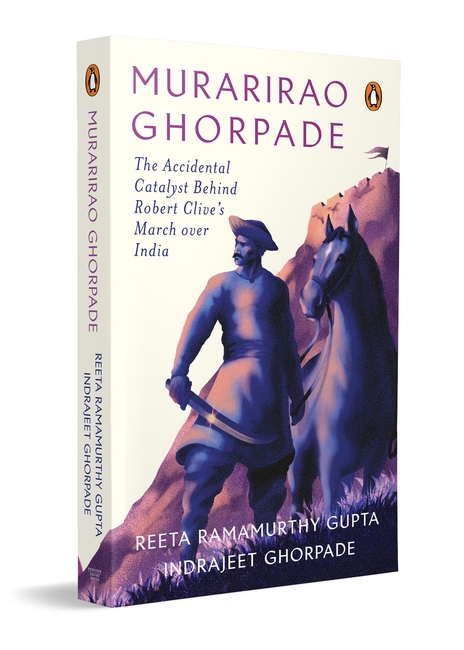
So many of our country’s heroes from the past remain unsung. Murarirao Ghorpade is one such. He was a valiant warrior, an articulate statesman and a descendant of the Maratha clan, committed to Hindavi Swaraj.
Murarirao independently built a strong and highly efficient military force. He established his reputation on being able to break the dreaded war tactic employed by the French Army—the French Hollow Square. His support was sought by the Peshwas, neighbouring kingdoms, the French and the British. In fact, it so happened that he came to save Robert Clive from a crushing defeat at the hands of the French at Arcot. This war was a turning point in India’s history. That he has been denied attention could well be because much of documented Maratha history faces north. Murarirao’s story faces south. And it was his actions on behalf of the Marathas that drew the ire of his nemesis, Haider Ali Khan.
This is an exciting tale of military conquests, espionage, forbidden love and loyalty in eighteenth-century Deccan, and a record of how, in an era marred by treachery and expediency, Murarirao Ghorpade survived seventy-plus years by instinct, bravery, statesmanship, valour and loyalty.

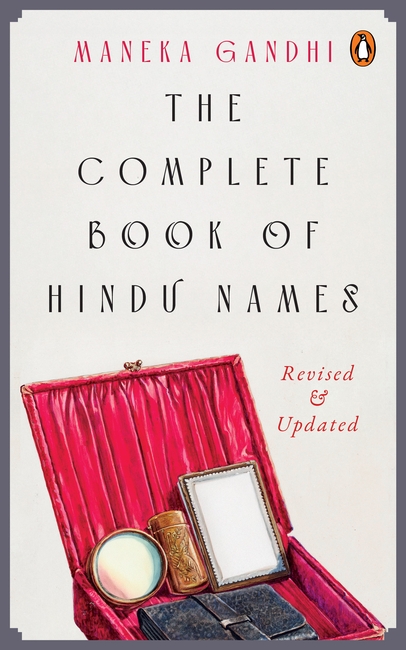
A product of many years of research, this is a comprehensive compilation of Hindu names in current use. The meaning of over 20,000 names in the volume is extensively discussed and information on sources and usage also provided. The book is cross-referenced to make it easier to use. This is a completely revised and updated edition with new names, and will appeal to a wide range of readers.